To better understand the value and uniqueness of An Dinh Palace, we first need to explore the history of its construction.
The Construction Story and Historical Significance
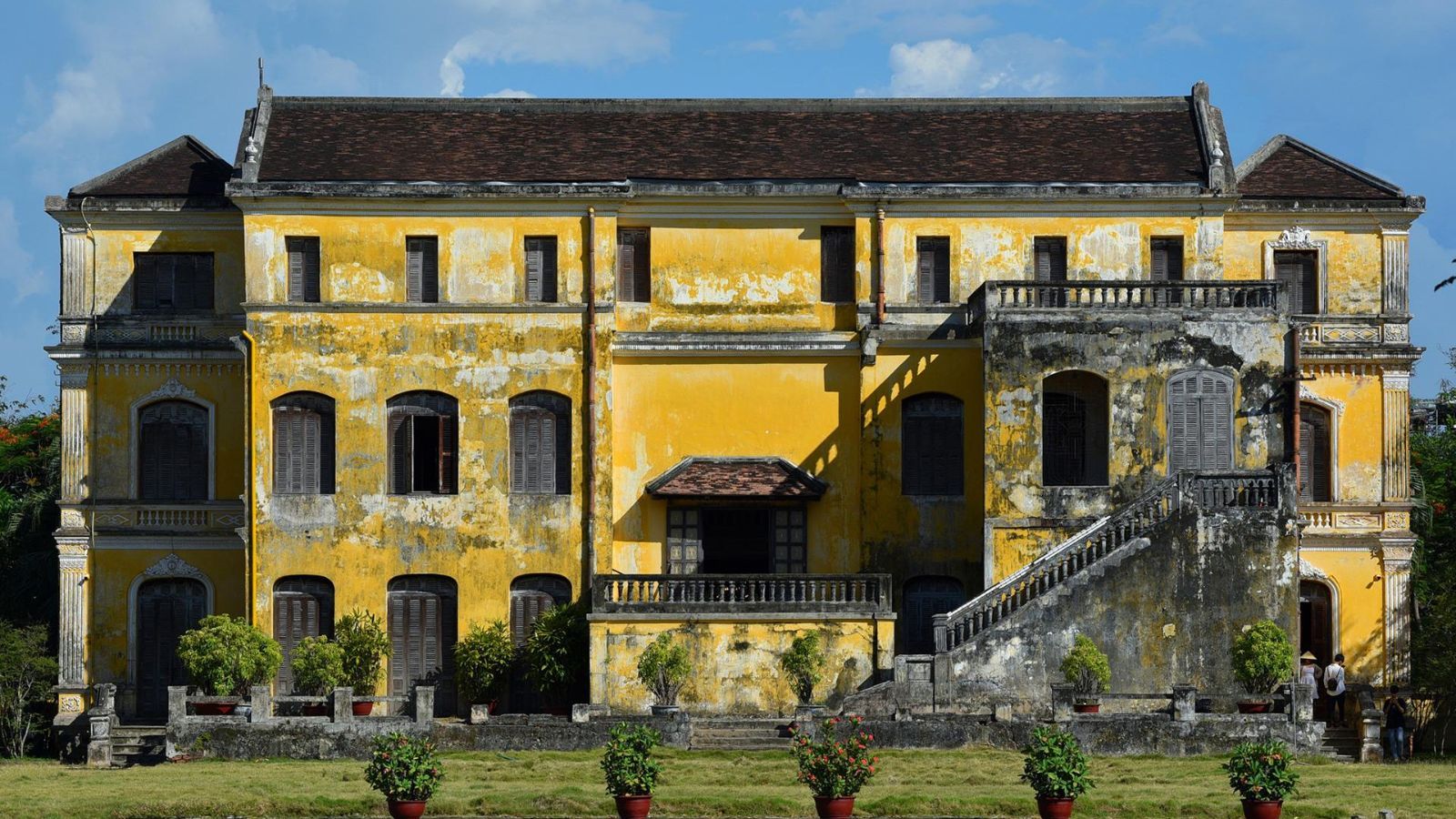
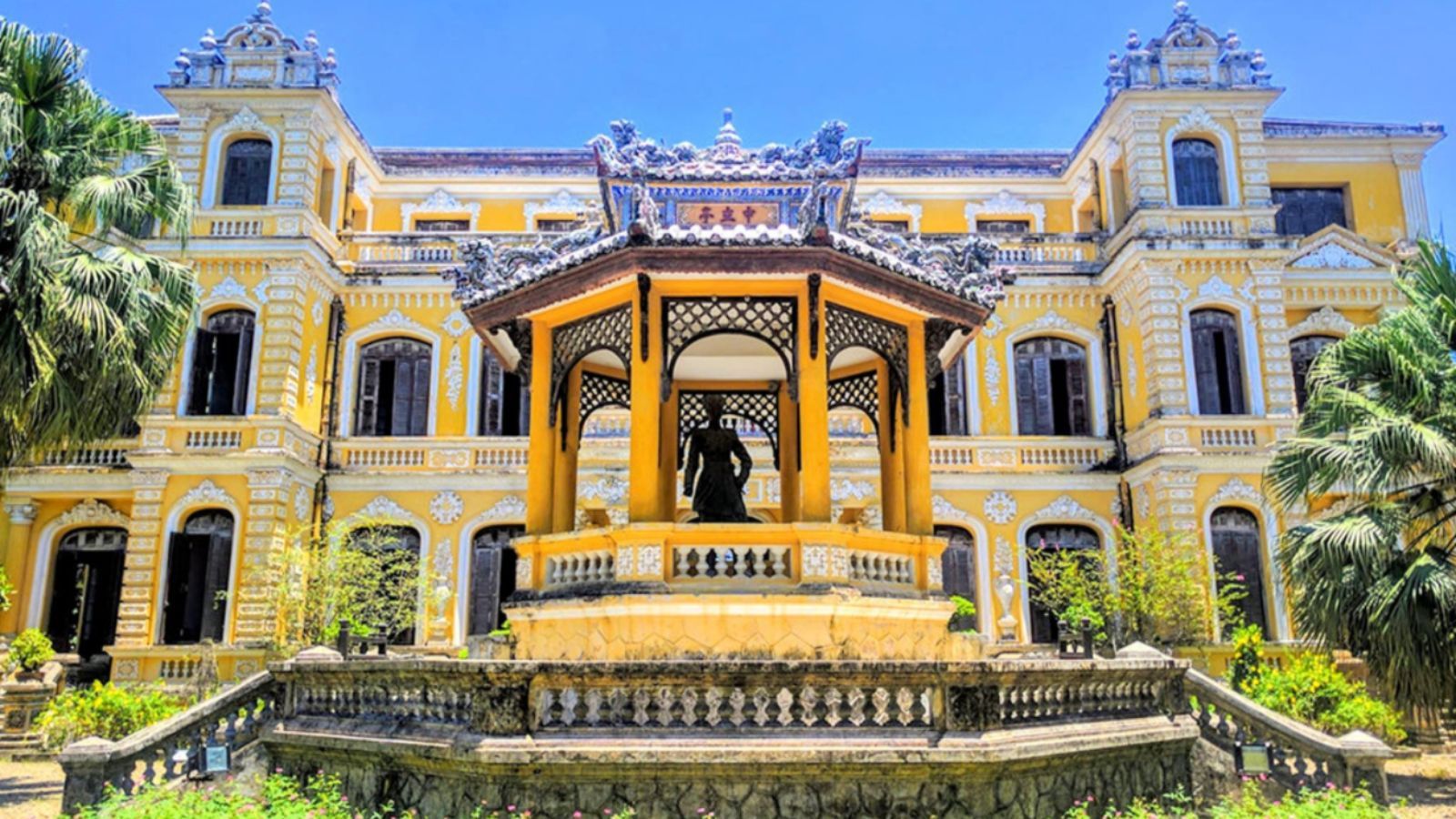
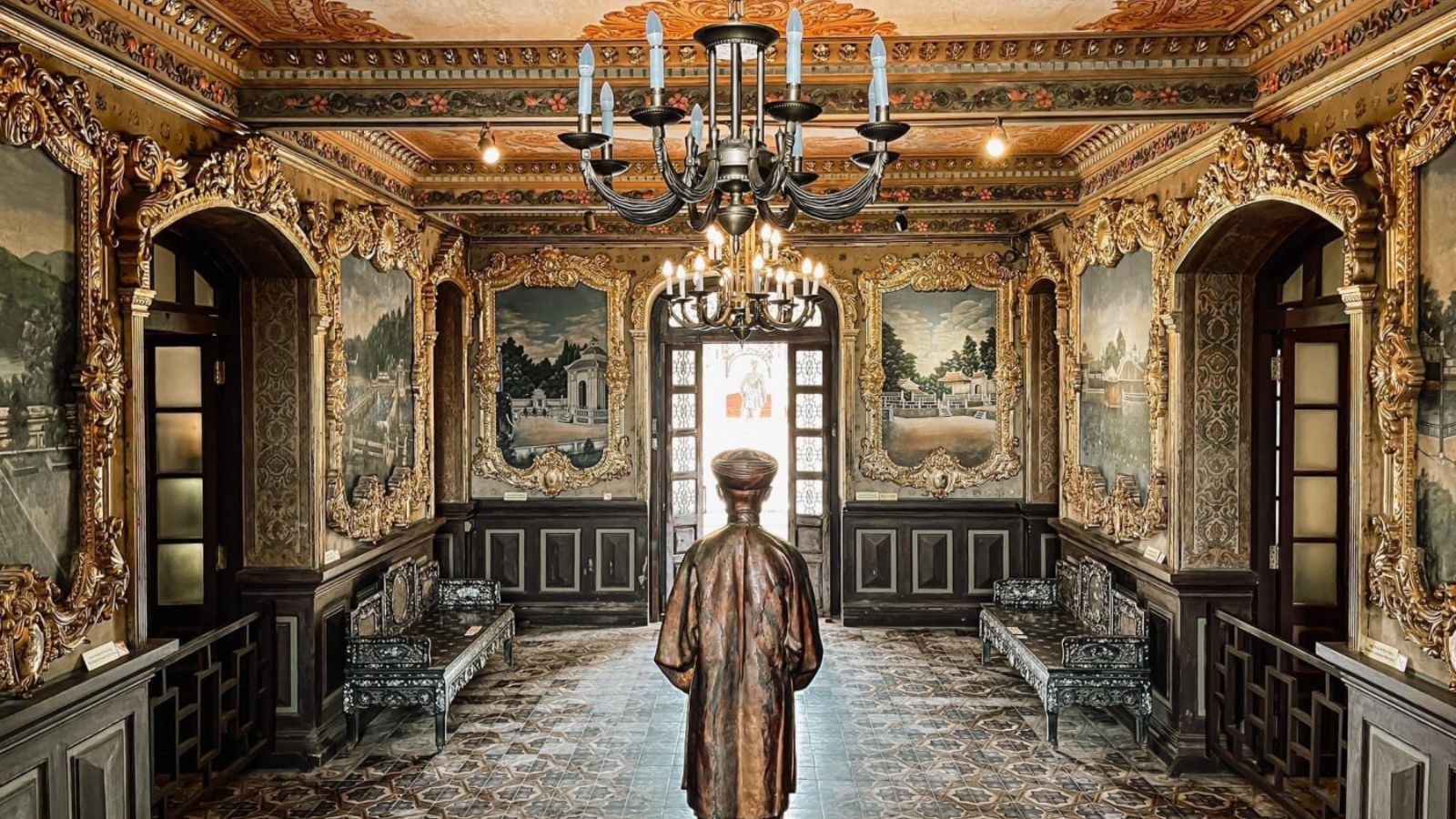
An Dinh Palace was built in 1921 under the reign of King Khai Dinh, with the idea of transforming this place into a royal space imbued with European style while retaining Vietnamese cultural identity. Designed by a French architect, the building showcases a delicate blend of Baroque architecture and traditional Vietnamese elements. An Dinh Palace is not merely a building, but also a symbol of connection between two cultures, offering us deep insight into an era full of turbulence and change.
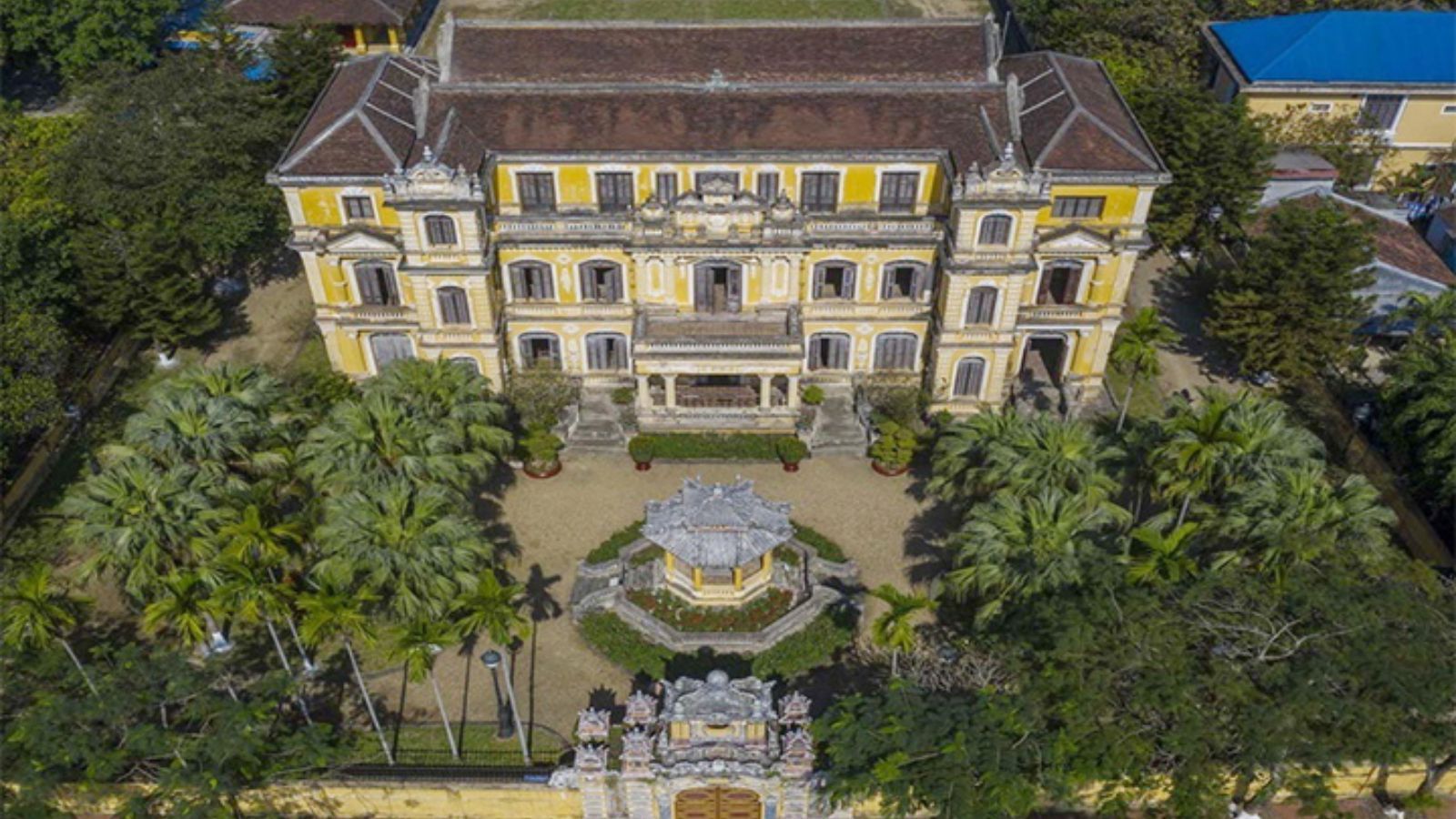
An Dinh Palace Through Historical Periods
An Dinh Palace has undergone several significant transformation phases in Vietnam's history, with each period leaving a distinct mark. Built in the early years of the 20th century, An Dinh Palace was initially a symbol of power and luxury under the reign of King Khai Dinh, serving as a residence and a venue for royal events. During times of war and political instability, the structure could not escape the impacts of conflict, yet it retained much of its beauty and historical value. After national reunification, An Dinh Palace continued to serve as an important cultural and tourism hub, regularly hosting cultural and artistic activities, while remaining an attractive destination for domestic and international visitors. Through every era, the structure has not only restored and preserved its historical value but also expanded its influence as a unique cultural symbol of Hue.