Bao Quoc Pagoda Hue: An Ancient Temple on the Hill, Peaceful Space & Over 300 Years of History
Central
Thua Thien Hue
Bao Quoc Pagoda
Sovaba.travel
Updated at: 24/09/2026
1. Prime Location & Unique Architecture of Bao Quoc Pagoda
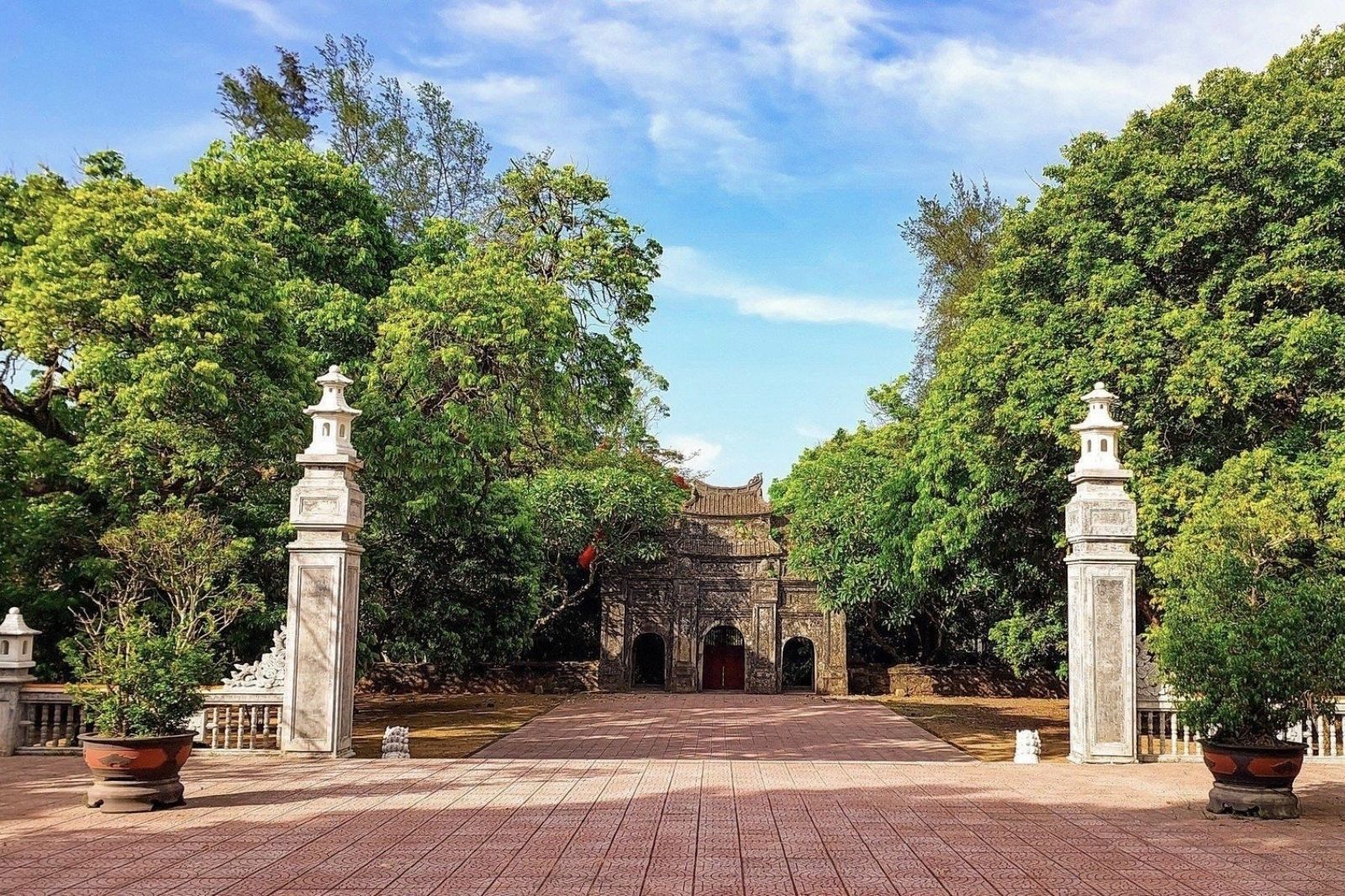
Bao Quoc Pagoda is located in an ideal position, surrounded by shady green trees, creating a fresh and cool atmosphere. From here, looking down to the east is Dien Bien Phu Street, the road leading to the sacred Nam Giao Esplanade, and heading north is the Hue Railway Station.
Photo: The sacred ancient temple of Hue
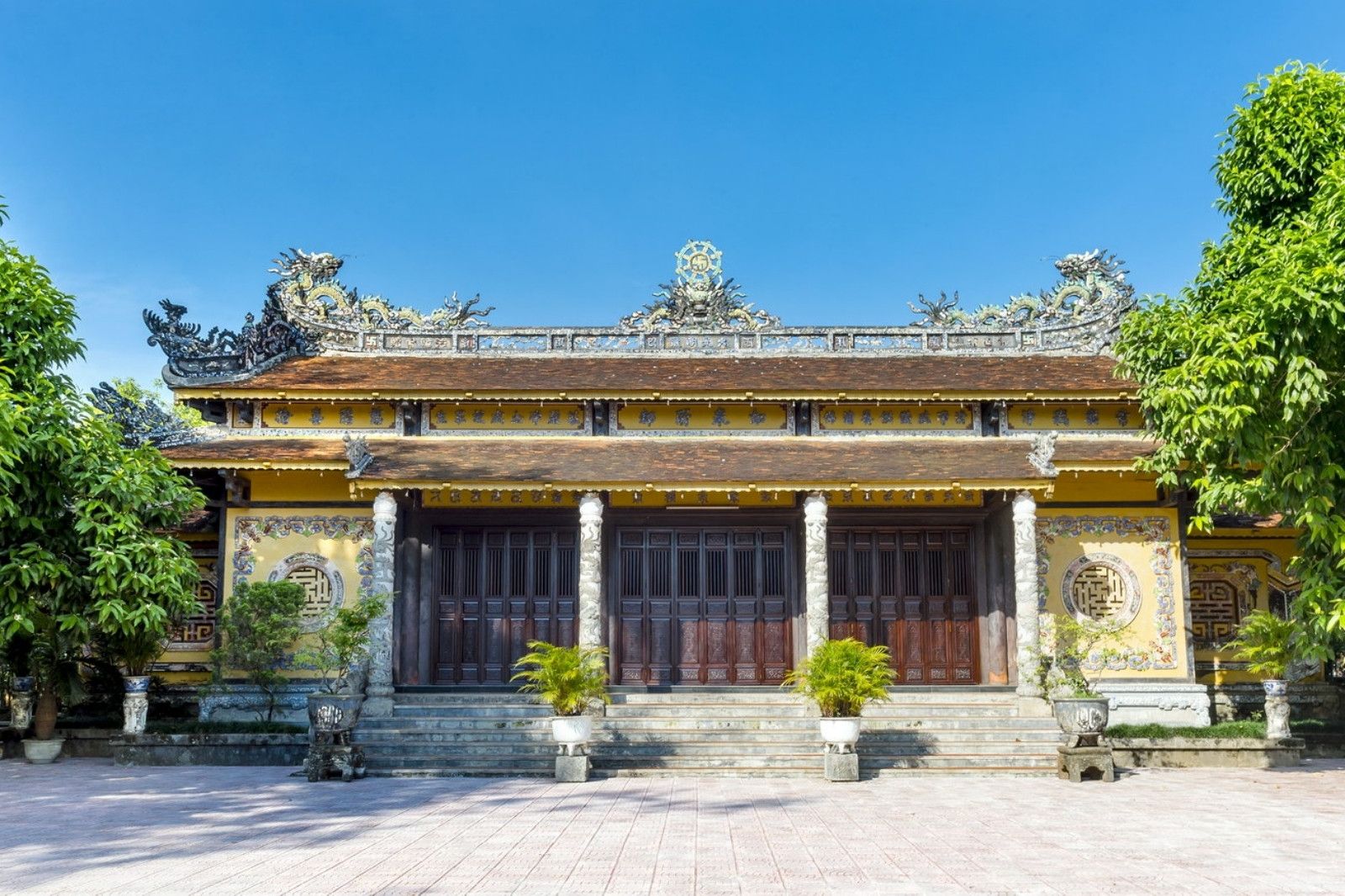
The pagoda's architecture is built in the shape of the Chinese character 'Khou' (口), creating a closed and harmonious space. The front is the main hall, behind is the rear hall, and on both sides are the guest house and monks' quarters. This arrangement not only creates balance but also helps the rows of buildings always receive sunlight and the fragrance of fruits from the central garden.
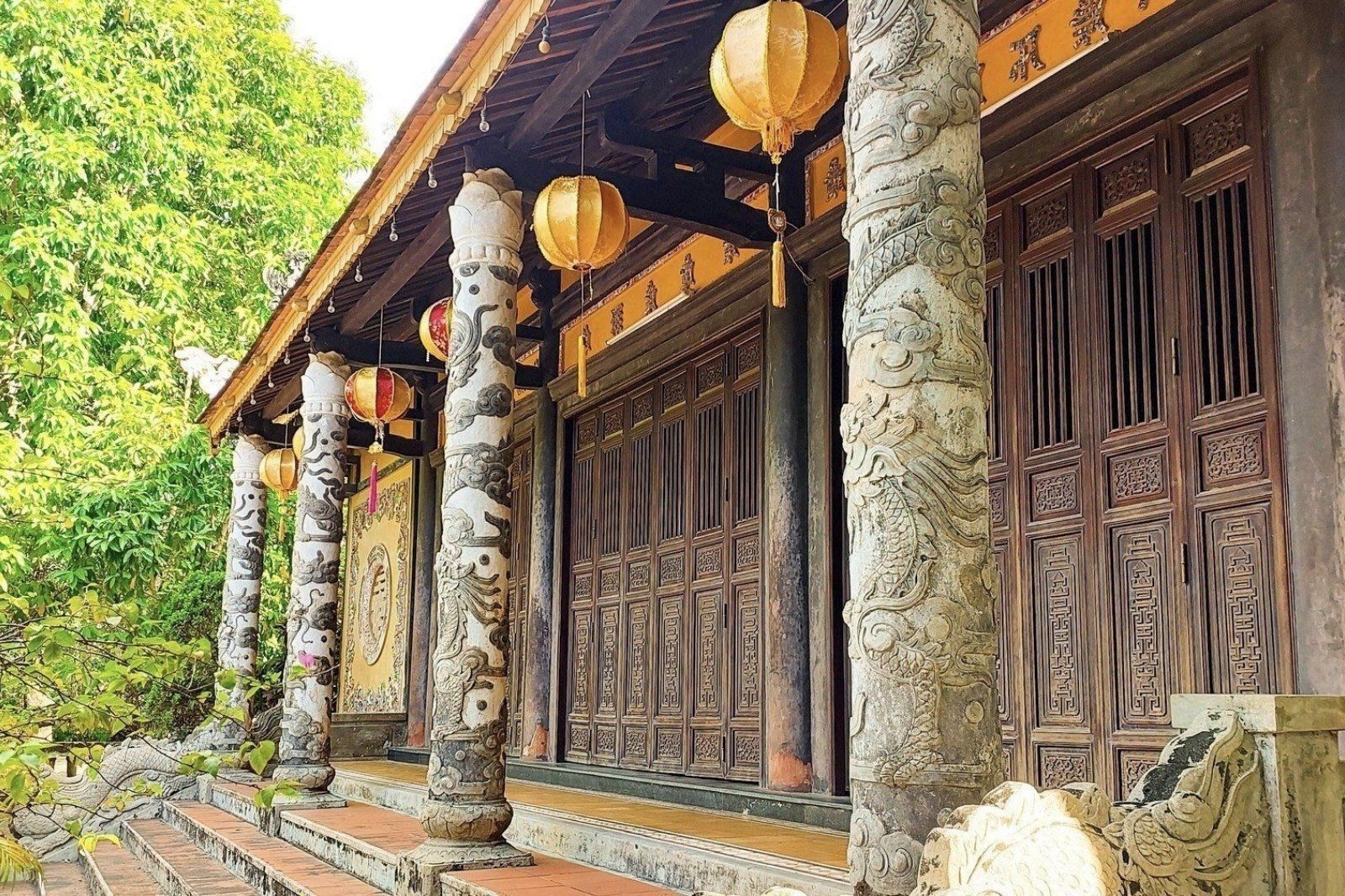
As soon as you step through the majestic Triple Gate with dozens of mossy steps, you will see a spacious, tree-shaded courtyard. The main hall of the pagoda features traditional double-roofed architecture (trung luong trung thiem), with elaborate decorations, intricate porcelain-inlaid pillars and walls. Inside the main hall, statues of the Buddha are solemnly enshrined, including the Three Times Buddhas, Shakyamuni Buddha, and the two Venerables Mahakasyapa and Ananda.
2. Historical Imprints Through the Ages
Existing for over three centuries, Bao Quoc Pagoda has witnessed many historical ups and downs, thereby demonstrating the resilient vitality of an ancient temple:
Founding Period and Early Development
Bao Quoc Pagoda was founded in the late 17th century (during the reign of King Le Du Tong) by Zen Master Giac Phong from Guangdong, China. Originally, the pagoda was just a small thatched hut named Ham Long Temple, named after the hill.
Photo: Bao Quoc Pagoda and historical marks through different periods
In 1747, Lord Nguyen Phuc Khoat restored and expanded the pagoda, bestowing the plaque "Sac Tu Bao Quoc Tu". This was an important milestone, affirming the pagoda's position in Southern Vietnamese Buddhism (Dang Trong).
Reconstruction and Renaming Phase
In 1776, the pagoda was severely damaged by war. It was not until 1808 that Queen Hieu Khuong (mother of King Gia Long) undertook the reconstruction of the pagoda, building the triple gate, casting a great bell weighing 826 traditional pounds (can ta), and donating much land. At that time, the pagoda was renamed Thien Tho Temple. However, in 1824, King Minh Mang changed the pagoda's name back to Bao Quoc Temple to avoid sharing a name with King Gia Long's tomb (Thien Tho Tomb).
Subsequent emperors such as Tu Duc (1858) and Thanh Thai also continued to contribute to the restoration and preservation, helping Bao Quoc Pagoda always maintain its ancient beauty.
3. Bao Quoc Pagoda: The Cradle of Training Talented Monks
Not only a place of worship, Bao Quoc Pagoda also plays a role as an important Buddhist education center in Vietnam.
In 1948, the An Nam Buddhist Association moved the Son Mon Buddhist Academy from Linh Quang Pagoda to Bao Quoc, under the leadership of Most Venerable Thich Tinh Khiet. Since then, Bao Quoc Pagoda became a major training center for talented monks, producing many generations of virtuous monastics. Continuing that educational cause was Most Venerable Thich Tri Thu, who established the famous Bo De school system throughout the Central and Southern regions.
Photo: Part of the exterior architecture of the ancient temple
Today, the pagoda remains the site of the Hue Intermediate School of Buddhist Studies, continuing its mission of nurturing and developing Buddhism.
4. Unique Stories & Heritage
Visiting Bao Quoc Pagoda, you cannot miss the unique heritage and stories associated with the pagoda's history.
Great Sacred Bell (Dai Hong Chung): Cast under King Gia Long (1808), weighing over 800kg and standing 1.4m tall, it remains intact to this day as a valuable historical testament.
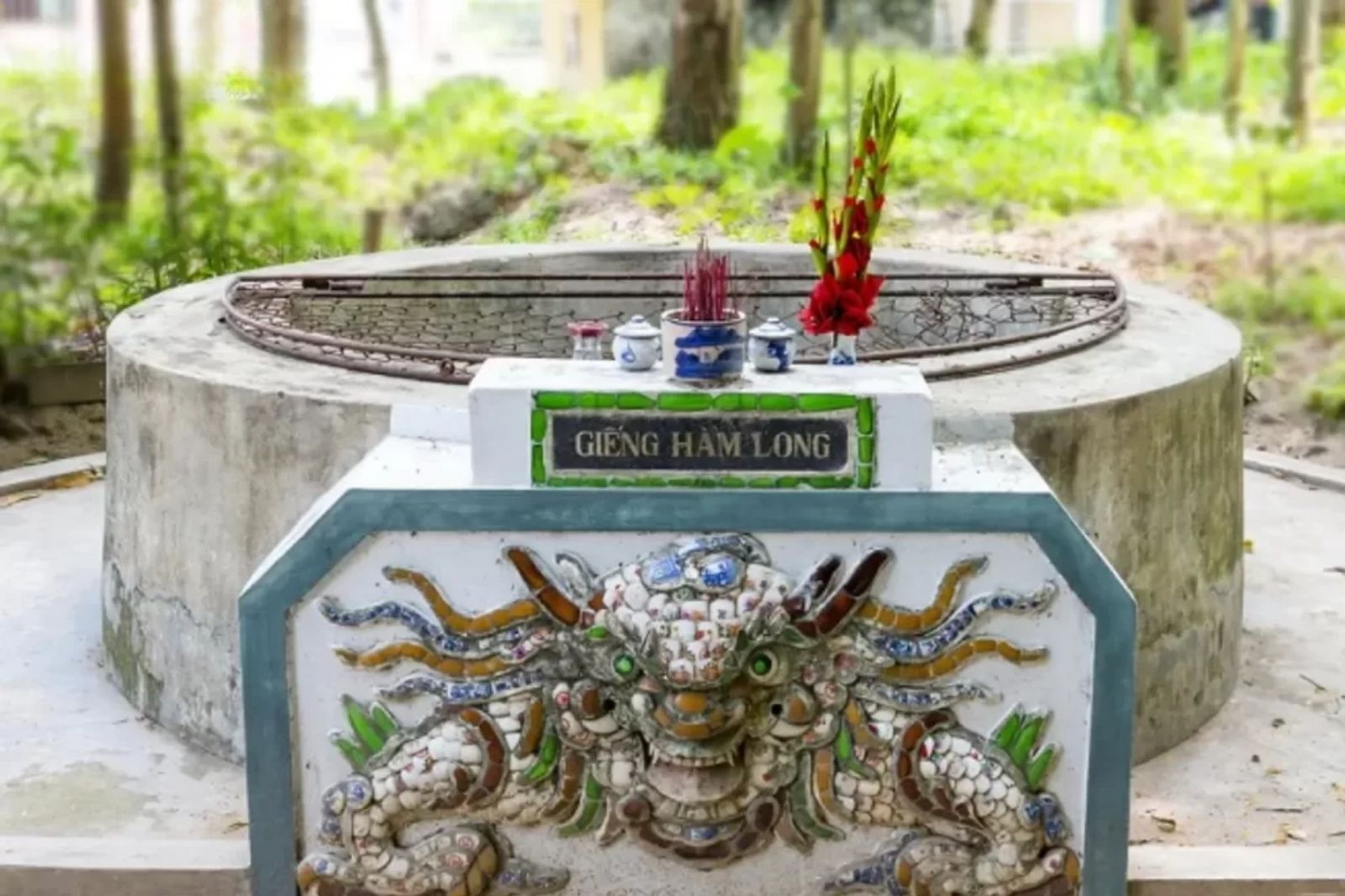
Ham Long Well: Located at the northern foot of the hill, this well is famous for its clear, sweet, and cool water. Legend has it that the water spring gushed from a dragon-head-shaped rock, and the well water was once used to offer to royalty. Ham Long Well has entered a familiar folk song of Hue people: "Ham Long's water is both clear and sweet / My love for you now has Buddha as witness."
Patriarch Stupa Area: This is a complex of stupa tombs of the founding and deceased abbot Patriarchs, including the stupa of Patriarch Giac Phong, built in 1714. The stupa area features octagonal architecture and is a sacred place to commemorate the contributions of the predecessors.
Ham Long Son Chi: The pagoda still preserves this Chinese-character work by lay practitioner Diem Tinh, recording the history of the development of Buddhism in Thuan Hoa, which is a precious document on Buddhism in the ancient capital region.
Bao Quoc Pagoda is not only a place for worship and study but also a cultural treasure, where every brick and structure tells a story of history and spirituality. Coming to the pagoda, you will feel the harmony between ancient beauty, peaceful space, and the proud depth of tradition of a Hue ancient temple.
Photo: Ham Long Well - Bao Quoc Pagoda
Experiencing many ups and downs of time and history, Bao Quoc Pagoda still stands there, majestic on Ham Long Hill, like a silent witness of the ancient capital land. Every artifact, every architectural corner here is not only a material heritage but also spiritual stories, lessons of compassion and steadfastness.
Beyond the meaning of a place of worship, Bao Quoc Pagoda has become a symbol of peace and knowledge, where ancient beauty blends with profound cultural values. Visiting this ancient temple, visitors can not only admire a unique architectural work but also quiet their minds, find peace, and gain a deeper understanding of the development path of Vietnamese Buddhism in general and Hue in particular.
Follow Sovaba Travel to explore more interesting stories about an ancient and poetic Hue, from heritage and cuisine to craft villages.