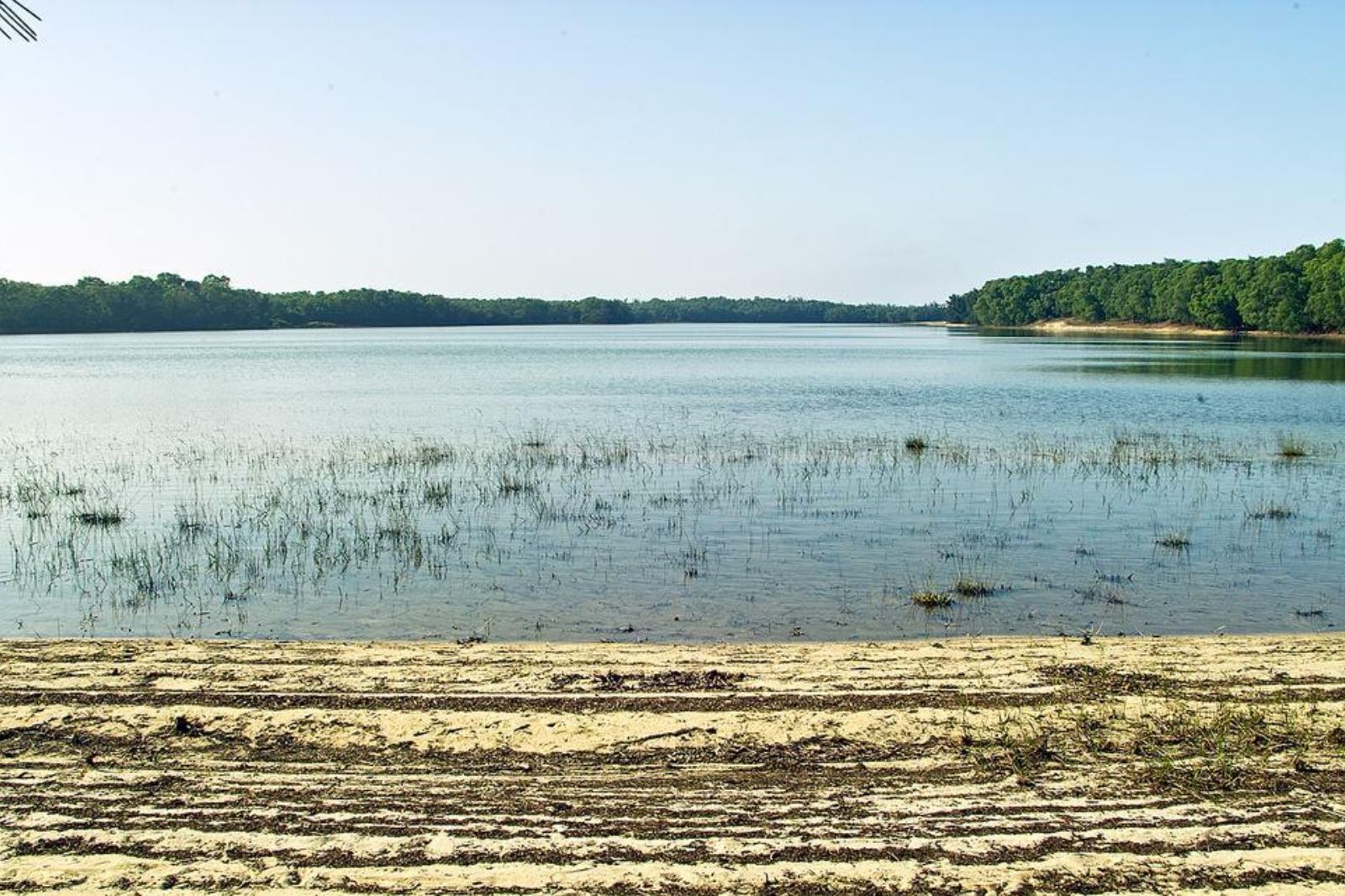
Bau Tro, peacefully situated in the center of Dong Hoi City, plays a vital role not only as a precious freshwater source nourishing generations of local residents, but also as a special archaeological heritage of Quang Binh province. Here, the emerald lake surface acts like an ancient mirror reflecting time, hiding deep within its bed precious sedimentary layers from the Late Neolithic period, marking a vibrant culture that existed between 5,000 and 7,000 years ago.
Since 1923, when French archaeologist Étienne Patte conducted the first surveys in this area, Bau Tro quickly became a highlight in Indochinese archaeology, opening a door into the distant memories of the ancient inhabitants of Central Vietnam.
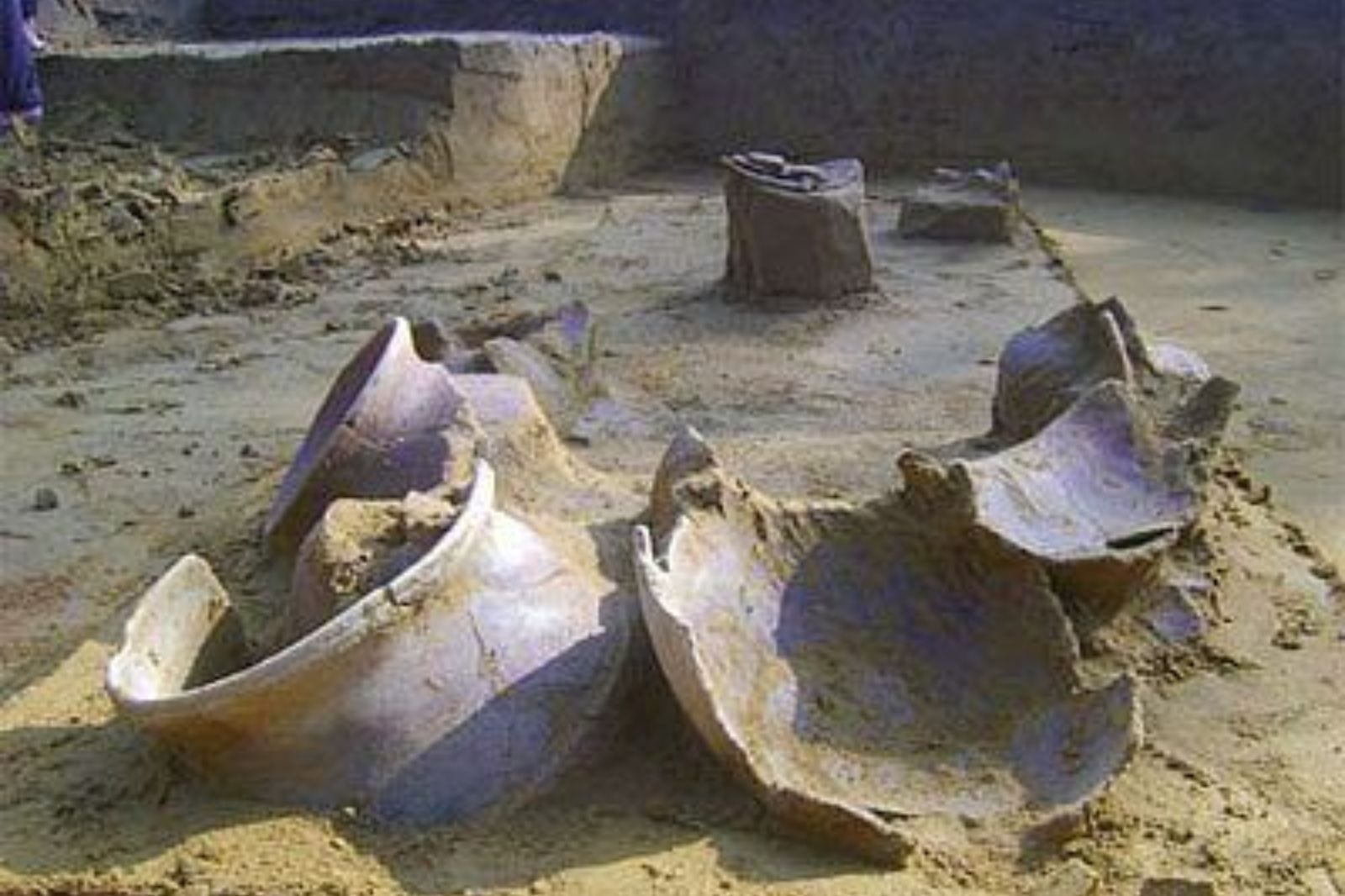
The artifacts discovered at Bau Tro, ranging from stone axes, crude pottery fragments featuring characteristic dark gray and dull brick colors, to decorative items with coarse, fine, or diagonal cord marks, all bear strong imprints of indigenous culture. Additionally, traces of sharp bone awls and delicately crafted sea shells demonstrate the technical proficiency and flexible adaptation to the natural environment of the ancient community.
These sites are not merely archaeological evidence, but also imprints of a culture that once spread strongly along the Central coastal strip, stretching from Nghe An, Ha Tinh, Quang Binh to Thua Thien Hue. Bau Tro culture, identified and valued in research circles, has today become an indispensable part when referring to the development process of ancient Vietnamese culture.