Bo Bat Pottery Village: Hands-On Pottery Making Experience & Traditional Craft Discovery

Northern

Ninh Binh

Sovaba.travel

Updated at: 24/09/2026

1. Introduction to Bo Bat Pottery Village

Bo Bat Pottery Village, now also known as Bach Lien Village, is one of the oldest craft villages in Vietnam, located in Yen Thanh commune, Yen Mo district, Ninh Binh province. Known as the "cradle" of pottery with a history spanning thousands of years, it once supplied ceramic products to both the royal court and the general public. Bo Bat ceramics stand out for their ivory-white glaze, high durability, and delicate designs, reflecting the ingenuity of Vietnamese artisans.

Today, the craft village has been revived after a long period of decline, becoming an attractive tourist destination. Visitors can not only tour the village but also participate in pottery making, shop for handcrafted items, and learn about local culture. Situated close to famous heritage sites such as the ancient capital of Hoa Lu and Trang An, Bo Bat Pottery Village is an ideal stopover for experiential travel enthusiasts.
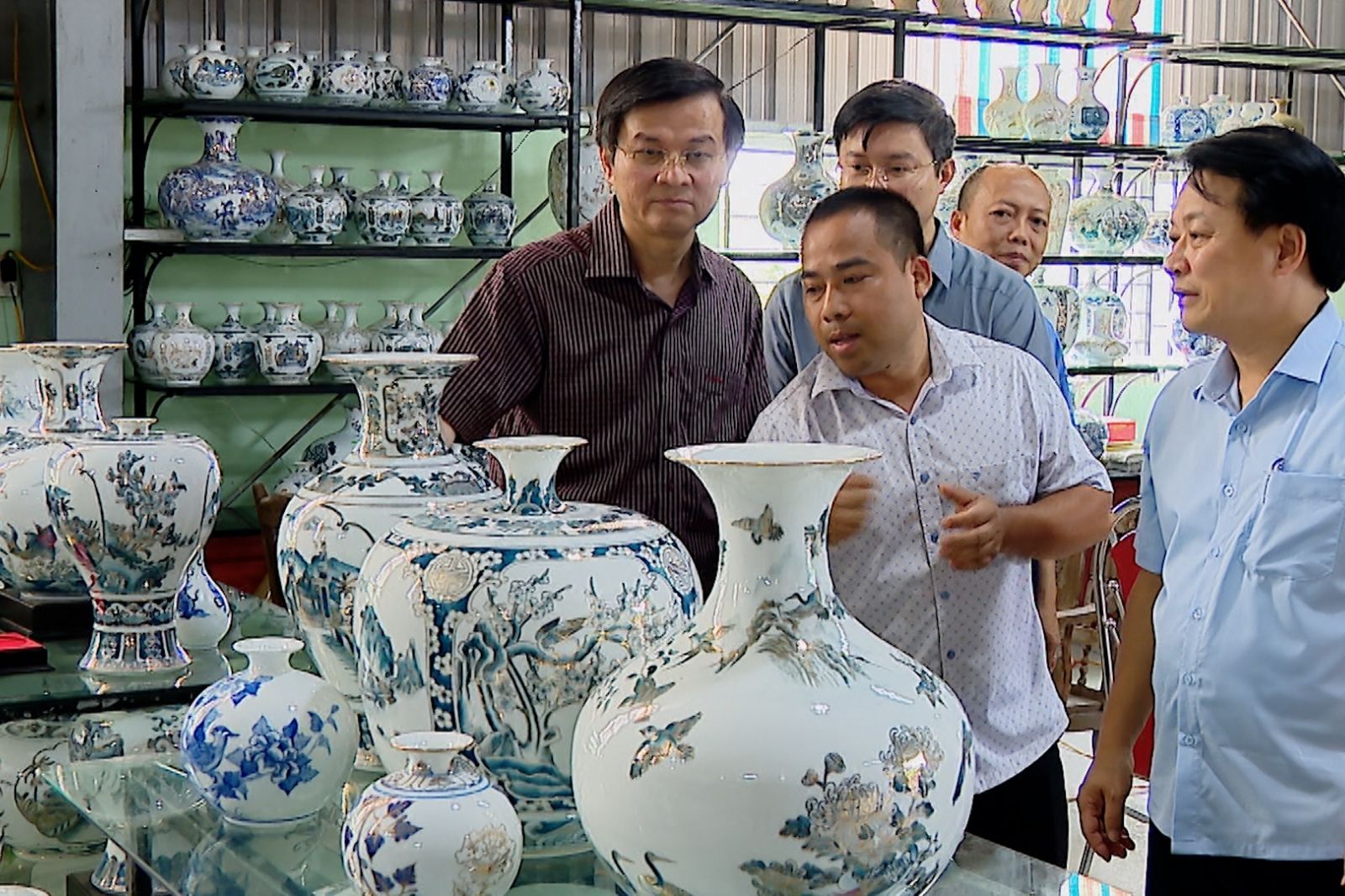
The impressive revival of the 1,000-year-old pottery village
Photo: The impressive revival of the 1,000-year-old pottery village

2. Where is Bo Bat Pottery Village located?

Bo Bat Pottery Village is located in Bach Lien village, Yen Thanh commune, Yen Mo district, Ninh Binh province, about 25 km south of Ninh Binh city center. This is a peaceful countryside area situated near the Hoang Long River and abundant clay deposits – the primary raw material for pottery making.

How to get there from Hanoi:

  • By motorbike or private car: From Hanoi, follow National Highway 1A south for about 100 km to Ninh Binh, then turn onto Provincial Road 477 to reach Yen Mo. The total travel time is about 2–3 hours. The road is relatively easy to travel, but be cautious as it can be slippery during the rainy season.
  • By bus: Take a bus from Giap Bat bus station (Hanoi) to Ninh Binh (ticket price around 80,000–100,000 VND), then hire a motorbike taxi or taxi to Yen Thanh (about 200,000 VND).
  • From Ninh Binh City: Rent a motorbike (about 100,000 VND/day) or take a taxi (about 300,000 VND round trip). The route passes through lush green rice fields, offering scenic views.

Upon arrival, you can park your vehicle at pottery workshops like that of artisan Pham Van Vang and start exploring. Be sure to use Google Maps to avoid getting lost.

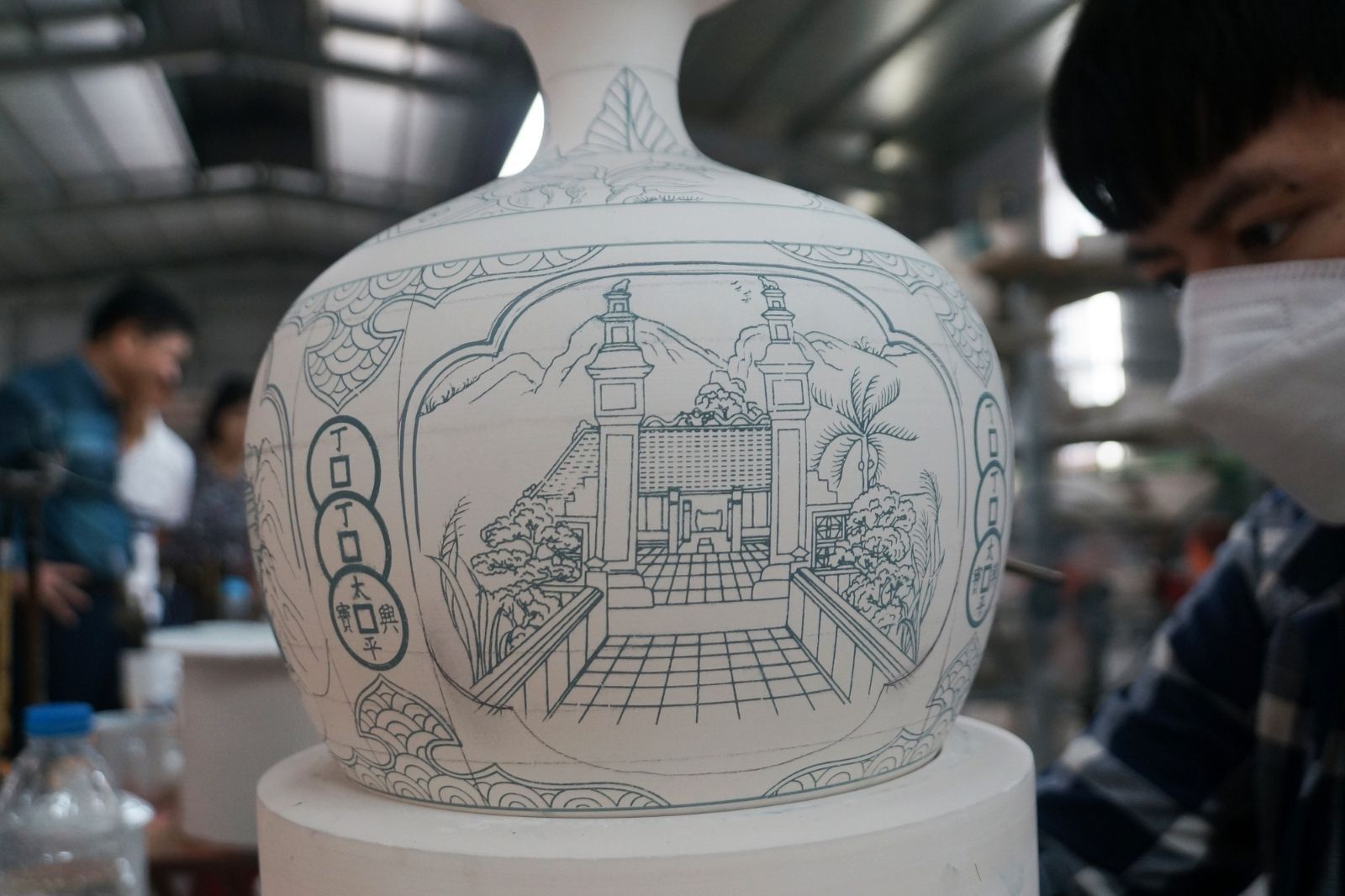
The process of making handcrafted ceramic products is carried out meticulously and carefully
Photo: The process of making handcrafted ceramic products is carried out meticulously and carefully

3. History and development of Bo Bat Pottery Village

Bo Bat Pottery Village boasts a history of around 3,500 years dating back to the Neolithic period, with ceramic shards discovered at nearby archaeological sites.

Imprints of the Dinh – Early Le Dynasties

Bo Bat pottery originated back during the Dinh – Early Le dynasties, closely associated with the Hoa Lu ancient capital. Its ceramic products were once offered to kings and used to build citadels, most notably the baked clay bricks stamped "Dai Viet quoc quan thanh chuyen". This confirms the vital role of the craft village in both royal and public life during that era. 

Predecessor of Bat Trang Ceramics

The most special feature in the history of Bo Bat is its connection to Bat Trang Pottery Village. According to historical records, in 1010 when King Ly Thai To moved the capital to Thang Long, a large group of talented artisans from Bo Bat followed the royal court to Thang Long to establish their careers, settling along the Red River and founding today's Bat Trang craft village.

Due to this migration, Bo Bat's pottery craft fell into obscurity for centuries, as the remaining villagers mostly turned to farming.

An Impressive Revival

Today, alongside the development of Ninh Binh tourism, the traditional Bo Bat pottery craft has experienced a strong revival, thanks to the dedication of villagers such as Mr. Pham Van Vang, Director of the Bo Bat Village Pottery Workshop. The village has risen again, producing traditional handmade ceramics while becoming an attractive cultural tourism spot.

Having spent centuries in obscurity following the relocation of the capital to Thang Long, Bo Bat pottery has now made a spectacular comeback, becoming a point of cultural pride and an alluring tourist destination in Ninh Binh.

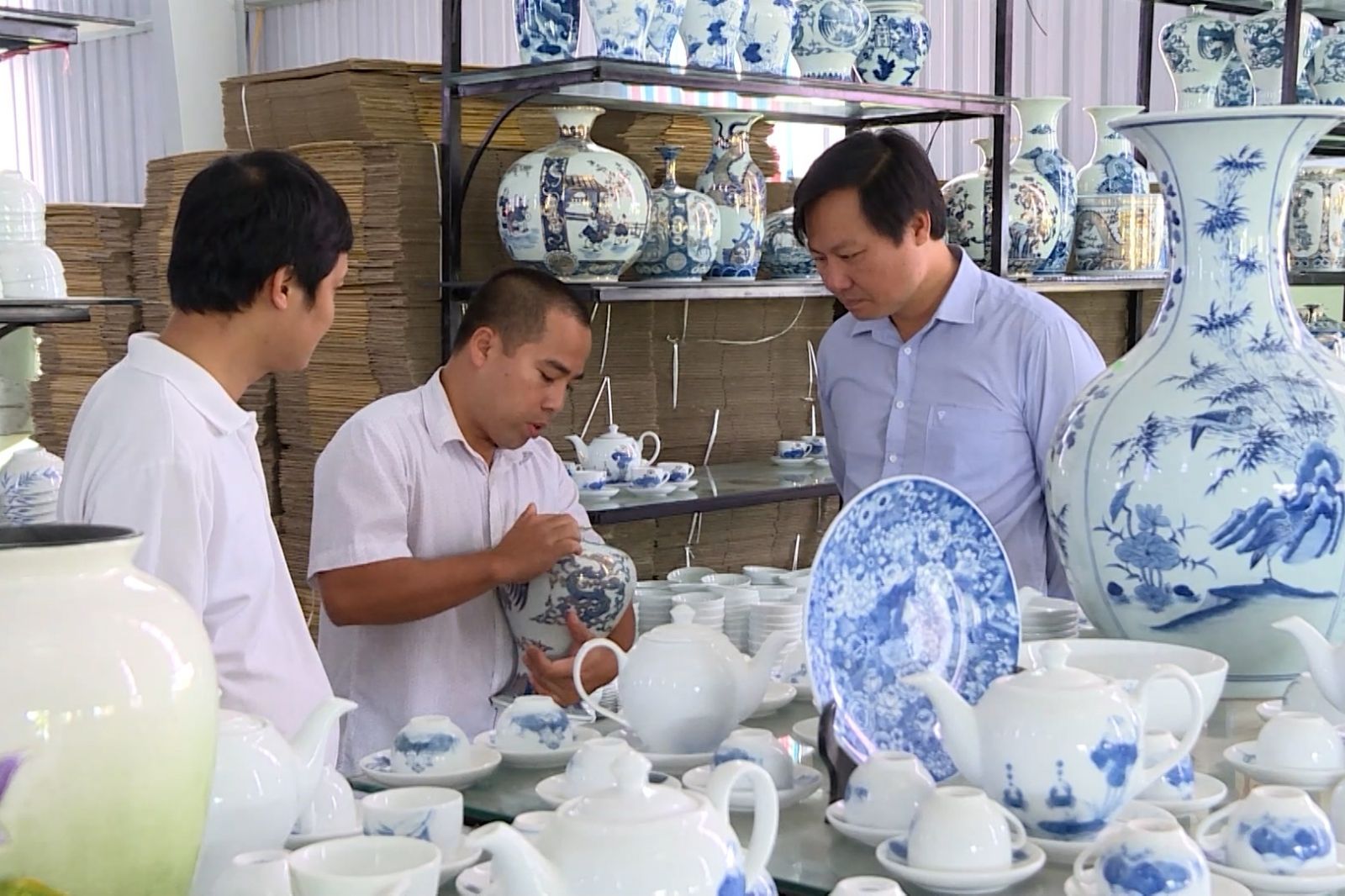
Prominent products of the craft village
Photo: Prominent products of the craft village

4. The artisanal pottery-making process at Bo Bat Pottery Village

The Bo Bat pottery making process is a combination of traditional and modern techniques, consisting of the following main steps:

  • Selecting and processing clay: White clay is sourced from the hills surrounding the village, soaked in water, filtered of impurities, and kneaded into a pliable mixture.
  • Shaping: Artisans shape the products by hand on a pottery wheel or use molds.
  • Decorating: Painting patterns and carving traditional motifs such as dragons, phoenixes, or lotus flowers.
  • Drying and finishing: Products are left to air dry naturally and then touched up to correct imperfections.
  • Glazing: Applying the characteristic white glaze made from natural materials.
  • Firing: Fired in kilns at high temperatures (around 1,300°C) for 24–48 hours to ensure high durability and no toxic lead content.

This process requires skill and patience, ensuring high durability and delicate aesthetics in every product.

5. Experience hands-on pottery making at Bo Bat Pottery Village

One of the highlights of the visit is the hands-on pottery making experience. At workshops like the Craft Village Museum or artisan Pham Van Vang's workshop, visitors are guided by skilled craftsmen. You can try shaping clay into flower vases, bowls, plates, or small figurines, before decorating and firing them (which you can take home later).

The experience costs around 50,000–100,000 VND per person and lasts 1–2 hours. It is a wonderful opportunity to relax, get creative, and gain a deeper appreciation for the craft. Many student groups and international tourists have participated, creating a fun and educational atmosphere.

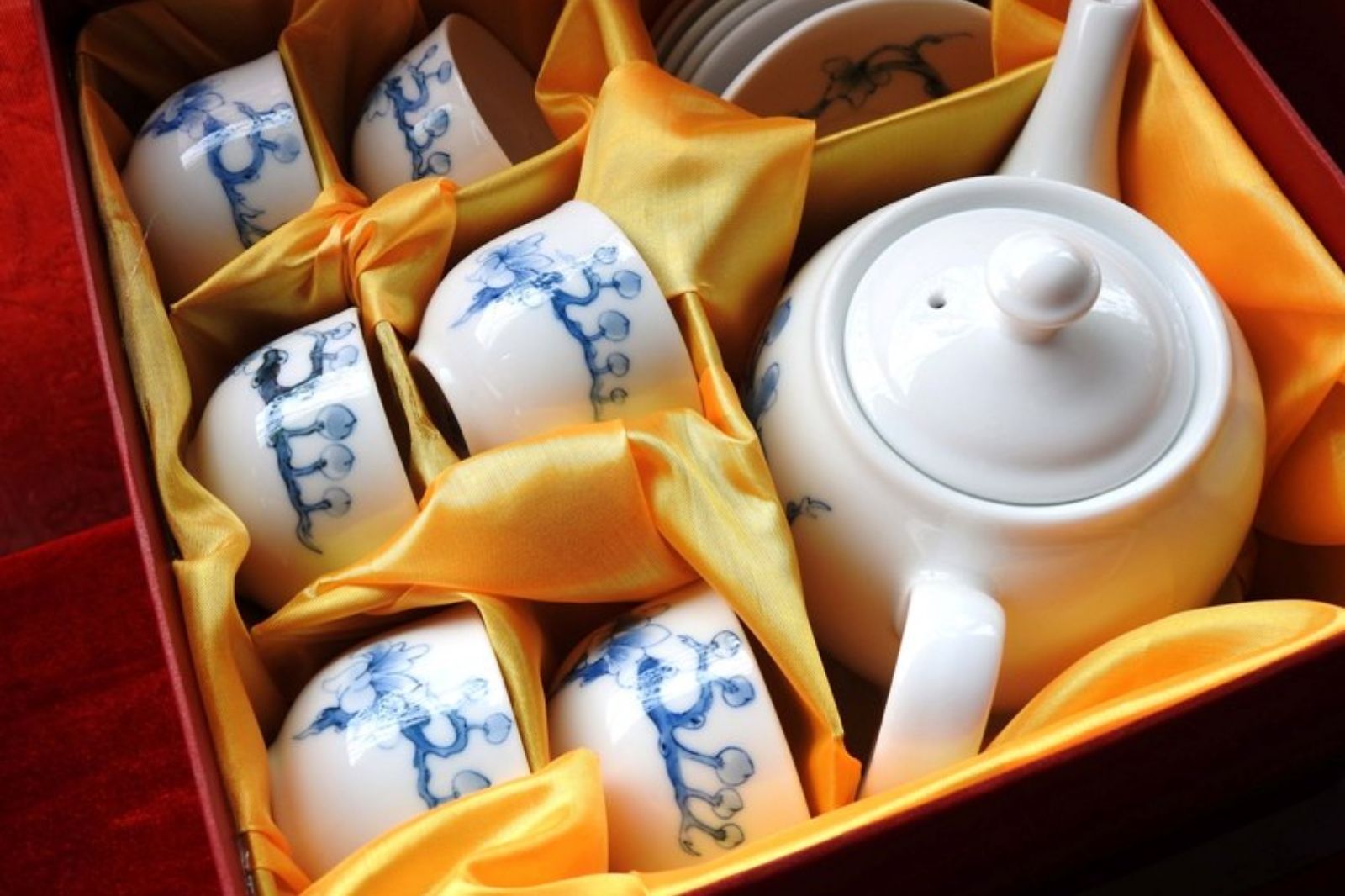
Exquisite products completed by the skilled hands of artisans
Photo: Exquisite products completed by the skilled hands of artisans

6. Signature pottery products of Bo Bat Pottery Village

Bo Bat ceramic products are diverse, ranging from daily household items to souvenirs:

  • Everyday items: Dishes, tea sets, vases – featuring a glossy white glaze and high mechanical durability.
  • Decorative items: Wind chimes, ceramic paintings, and Feng Shui vases with classic patterns.
  • High-end products: Worship sets and ceramic vases decorated with 24k gold leaf.

They stand out with a thick, deep white glaze, lead-free composition, and reasonable prices (starting from 50,000 VND). You can purchase them directly at the workshops to guarantee quality.

Bo Bat ceramic products
Photo: Bo Bat ceramic products 

Bo Bat Pottery Village is truly an unmissable destination where visitors can truly immerse themselves in the thousand-year history of Vietnamese ceramics. From exploring royal imprints of the Dinh – Early Le dynasties and learning about the origins of Bat Trang, to witnessing firsthand the process of crafting ceramics from rare clay, every experience at Bo Bat holds profound cultural value. Visiting here, you will not only admire exquisite white-glazed works but also have the chance to shape history with your own hands, bringing home a "made by you" keepsake steeped in the spirit and resilience of Vietnamese tradition.

Loading......

Featured destinations