Cam Gia Communal House Festival: A Traditional Cultural Touch of Ninh Binh

Northern

Ninh Binh

Sovaba.travel

Updated at: 24/09/2026

1. Where is Cam Gia Communal House?

Cam Gia Communal House (formerly Cam Gia Village Communal House) is located in Ninh Khanh Ward, Ninh Binh City (formerly Ninh Khanh Commune, Hoa Lu District), Ninh Binh Province. Facing northeast, the communal house features a year-round clear, natural crescent pond in front, creating a harmonious and solemn feng shui position.

The architectural style of the communal house strongly reflects the Nguyen Dynasty period with a grand and imposing Three-Door Gate (Tam Quan). Walking into the courtyard, visitors will see two symmetrical rows of stone elephants and horses. To the right is the Van Chi area dedicated to Confucius and a stele house commemorating local Doctors (Tiến sĩ), reflecting the local tradition of studiousness. The innermost sanctuary (Hau Cung) is the most sacred area, dedicated to Prime Minister La Gia and Duke Le Trung Nghia – historical figures who contributed to the country, along with Cau Mang Dai Vuong and other deities.

Despite suffering destruction through multiple wars, the communal house still preserves almost completely its system of wooden pillars, tiled roofs, altars, and numerous ancient worship items. In 2004, the Ninh Binh Provincial People's Committee recognized Cam Gia Communal House as a provincial-level historical monument. The communal house also preserves 6 royal decrees (sac phong) from various dynasties, including decrees from the Tu Duc and Khai Dinh reigns, confirming its long-standing historical and cultural value.
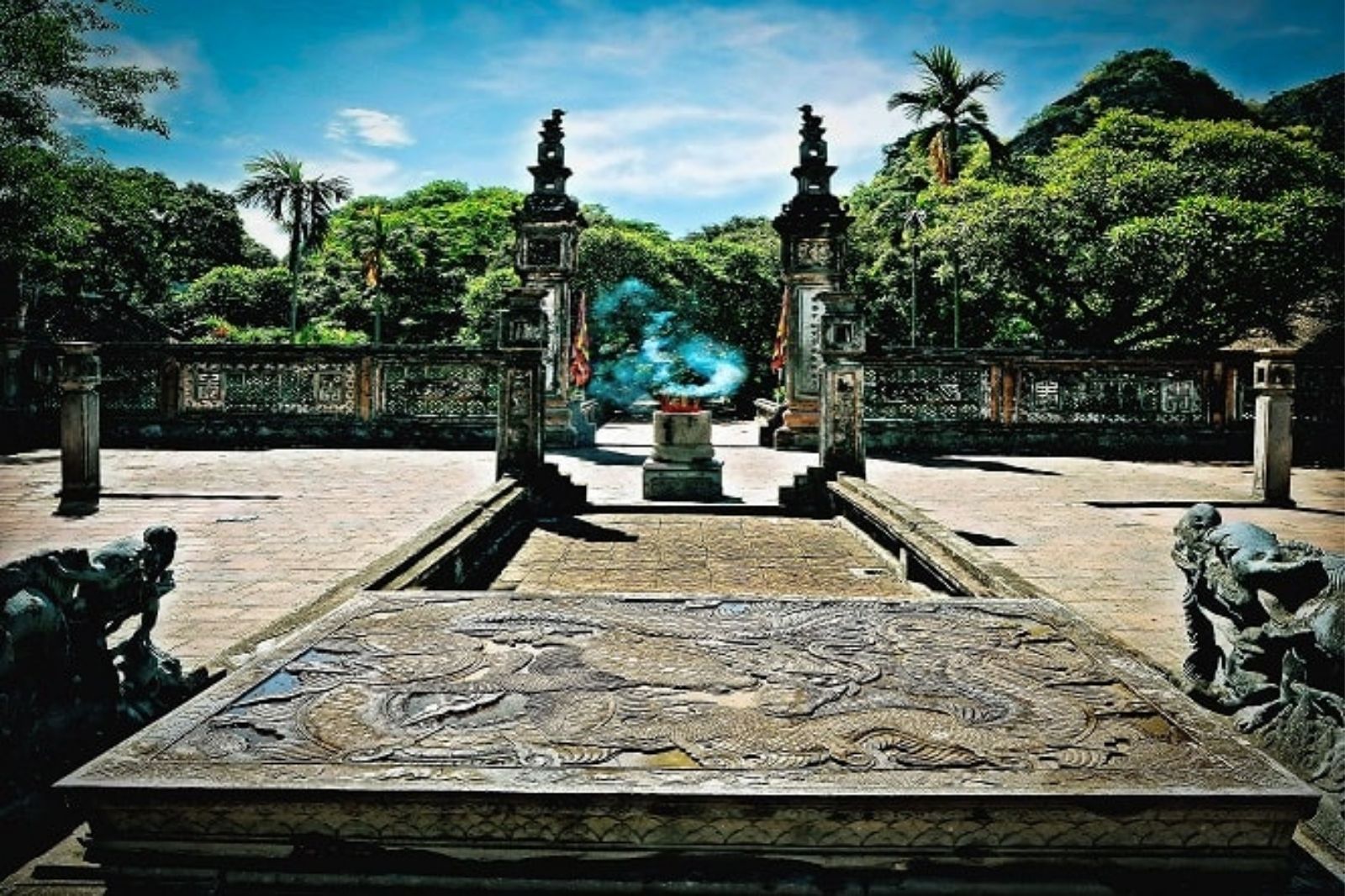
Cam Gia Communal House with over 500 years of history
Photo: Cam Gia Communal House with over 500 years of history

2. Timing and profound significance of the festival

Ky Phuc Festival is one of the typical traditional festivals rich in the cultural identity of Northern Vietnamese villages, preserved and maintained by local people across generations. More than just a community religious activity, the festival reflects the spiritual life, gratitude to ancestors, and aspirations for a peaceful, prosperous life of the rural people of the past. The festival is held annually on the 12th day of the 10th lunar month (usually falling in late November or early December solar calendar), organized by the people of Cam Gia village themselves. This event is closely associated with the history of formation and development of the over 500-year-old village.

The festival holds many profound meanings, such as commemorating the merits of ancestors who founded the village, protected the homeland, and preserved national traditions. At the same time, it is an occasion for the people to pray for national peace and prosperity, favorable weather, bountiful harvests, and a prosperous life. Besides the spiritual aspect, Ky Phuc Festival plays a vital role in connecting the community, serving as an opportunity for offspring living away from home to return, gather, and together preserve and spread the traditional cultural values of their homeland. The festival also reflects the characteristics of polytheistic folk beliefs in Vietnam, harmoniously combining the custom of worshiping village tutelary gods and honoring national heroes.

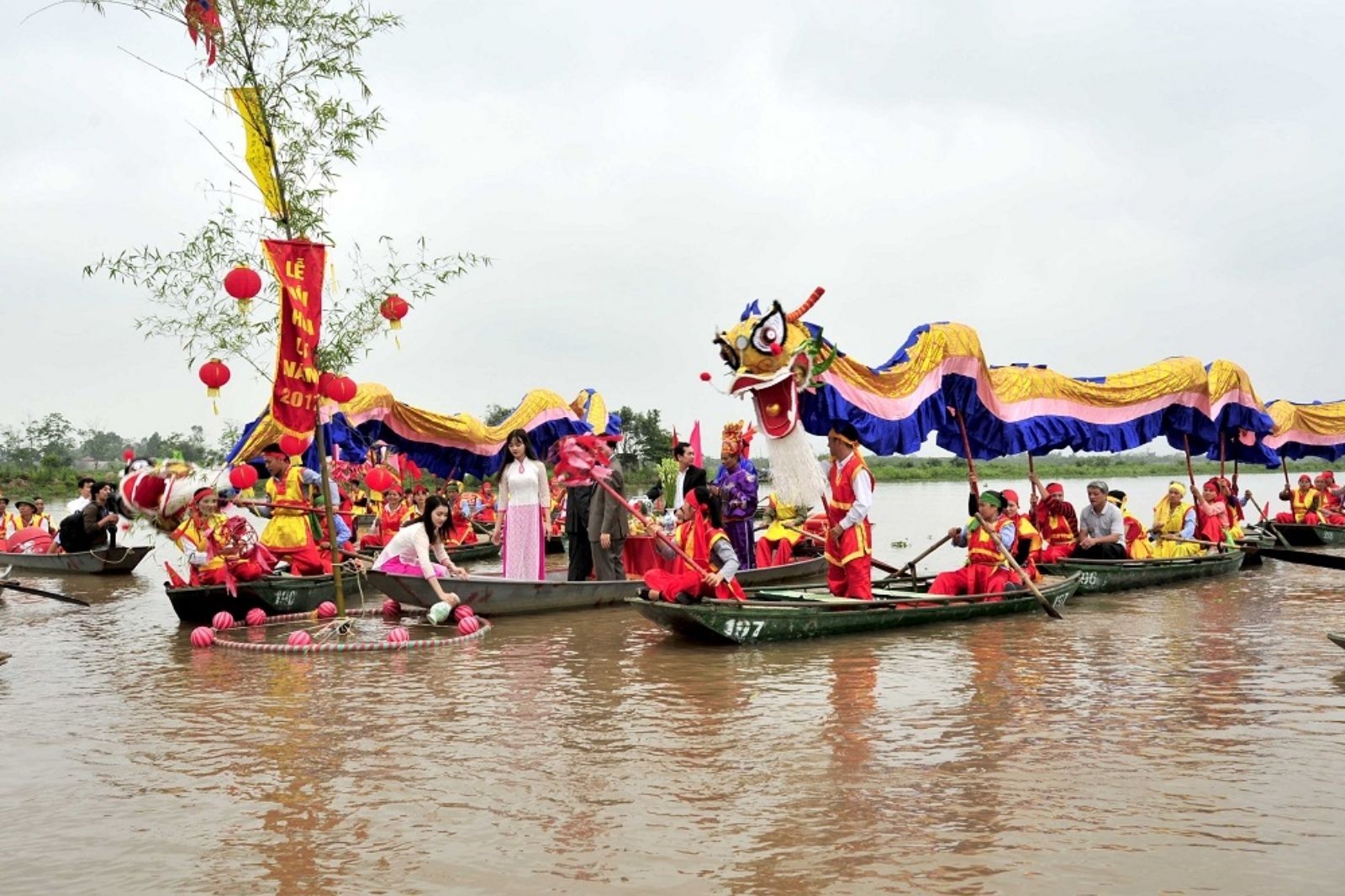
The festival is held annually in the 10th lunar month
Photo: The festival is held annually in the 10th lunar month

The Cam Gia Communal House Festival is organized elaborately and orderly, harmoniously combining the solemnity of traditional rituals with the joyful, vibrant atmosphere of folk activities. Below are the highlights of the ritual and festival parts of this event:

The Ceremonial Part: Solemn and Traditional

Although the main ceremony takes place on the 12th day of the 10th lunar month, the atmosphere begins from the afternoon and night of the 11th with flags, drums, and grand worship rituals.

  • Preparation: The hamlets in the village are busy preparing offerings (sticky rice, pig heads, betel nuts, wine, fruits...) lasting throughout the night.
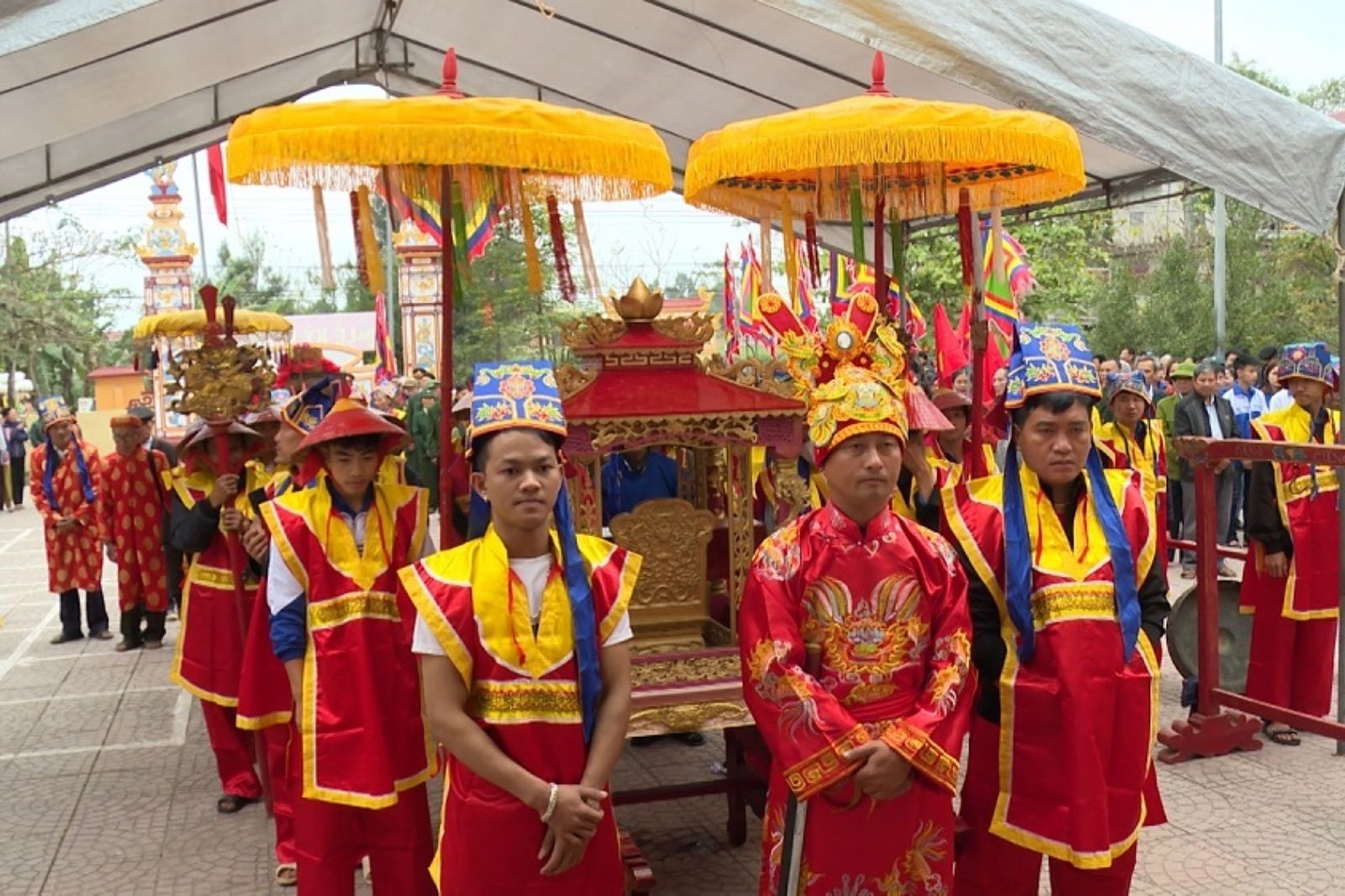
  • Procession Ritual: Each hamlet prepares a beautiful palanquin, painted in red and gold lacquer, containing the offerings. Young men and women dressed in formal attire carry the palanquins, joining the villagers in parading palanquins, flags, and fans to the communal house.
  • Official Rituals:
    • The master of ceremonies reads the royal decrees and recites the biography and merits of the gods.
    • Conduct traditional rituals such as the Announcement Ritual (Lễ Cáo Yết), Peace Praying Ritual (Lễ Cầu An), Incense Offering Ritual (Lễ Dâng Hương), and Concluding Ritual (Lễ Tất).
    • The worship ritual is conducted by 10 male elders selected by the village, followed by male and female worship delegations from the hamlets.
A solemn and orderly palanquin procession
Photo: A solemn and orderly palanquin procession

The Festive Part: Attractive and Community-Oriented 

The festive part is folk-inspired with widespread reach, attracting a large number of locals and tourists to participate, demonstrating the spirit of solidarity:

  • Pounded Sticky Rice Contest (Hội thi Xôi Đâm - Highlight): This is an indispensable highlight.
    • On the evening of the 11th day of the 10th lunar month, hamlets gather at the Cultural Center to cook and pound sticky rice. The rice must be yellow flower glutinous rice (nếp cái hoa vàng), fragrant and pliable.
    • After being pounded smooth, the sticky rice is arranged into two offering trays, each topped with a pig's head. One offering is held at the Cultural Center, and another is presented at the Village Communal House on the morning of the 12th.
    • The organizing committee evaluates and awards prizes. Notably, after being offered, the sticky rice and meat are distributed equally among all households in the village, symbolizing receiving sacred blessings and good luck.
  • Folk Activities: Dragon dances, lion dances, cultural performances, along with folk games such as tug-of-war and human chess.

It can be seen that the clear yet connected division between the solemn ceremonial part (with the majestic Procession and traditional worship rituals) and the engaging festive part (highlighted by the unique Pounded Sticky Rice Contest and folk games) creates a vivid picture, preserving the tradition of honoring gods and ancestors while strengthening the community cohesion of Cam Gia residents.

4. Important notes when attending the festival

To have a complete experience at the Cam Gia Communal House Festival, visitors should note:

  • Attire: Wear polite and discreet clothing (especially during the ceremonial part) to show respect.
  • Respect Rituals: Follow instructions from the organizing committee, avoid pushing or causing disorder, and perform rituals with sincerity.
  • Protect Personal Belongings: The festival attracts large crowds, so pay attention to guarding personal items carefully.

The Cam Gia Communal House Festival is a wonderful opportunity for domestic and international visitors to explore unique traditional cultural values and gain a deeper appreciation for the history and pride of Ninh Binh people.

Cam Gia Communal House Festival - Experiencing the unique culture of Ninh Binh
Photo: Cam Gia Communal House Festival - Experiencing the unique culture of Ninh Binh

From the ancient architecture of over five centuries of Cam Gia Communal House – which preserves the marks of meritorious mandarins and Nguyen Dynasty royal decrees – to the solemn rituals and vibrant, unique festive activities (especially the Pounded Sticky Rice Contest) of the Ky Phuc Festival, all create a multi-dimensional cultural picture. The Cam Gia Communal House Festival is not only an annual event, but also an enduring invisible thread connecting the past with the present, maintaining the spirit of gratitude to roots, community solidarity, and national pride of the people of Ninh Binh. Participating in this festival is the best way for visitors to fully feel the essence and cultural depth of the thousand-year-old Ancient Capital region.

Loading......

Featured destinations