Crab Blood Pudding: Pearl Island's Most Luxurious Delicacy
Southern
Phu Quoc - Kien Giang
Sovaba.travel
Updated at: 24/09/2026
1. Origins from seafaring voyages across the waves
Unlike conventional blood pudding made from poultry or livestock, Phu Quoc crab blood pudding carries a story closely intertwined with the lives of coastal fishermen. Legend has it that during long sea voyages, when fresh water supplies ran low and boats had not yet docked, fishermen would snap off crab claws to drink the fluid inside to quench their thirst.
This fluid possessed the salty essence of the sea, a subtle sweet finish, and notably no fishy odor, helping them endure parching thirst. Later, with skill and an aesthetic sense, the people of the Pearl Island crafted this fluid into the famous blood pudding dish, transforming a survival method into a culinary masterpiece.
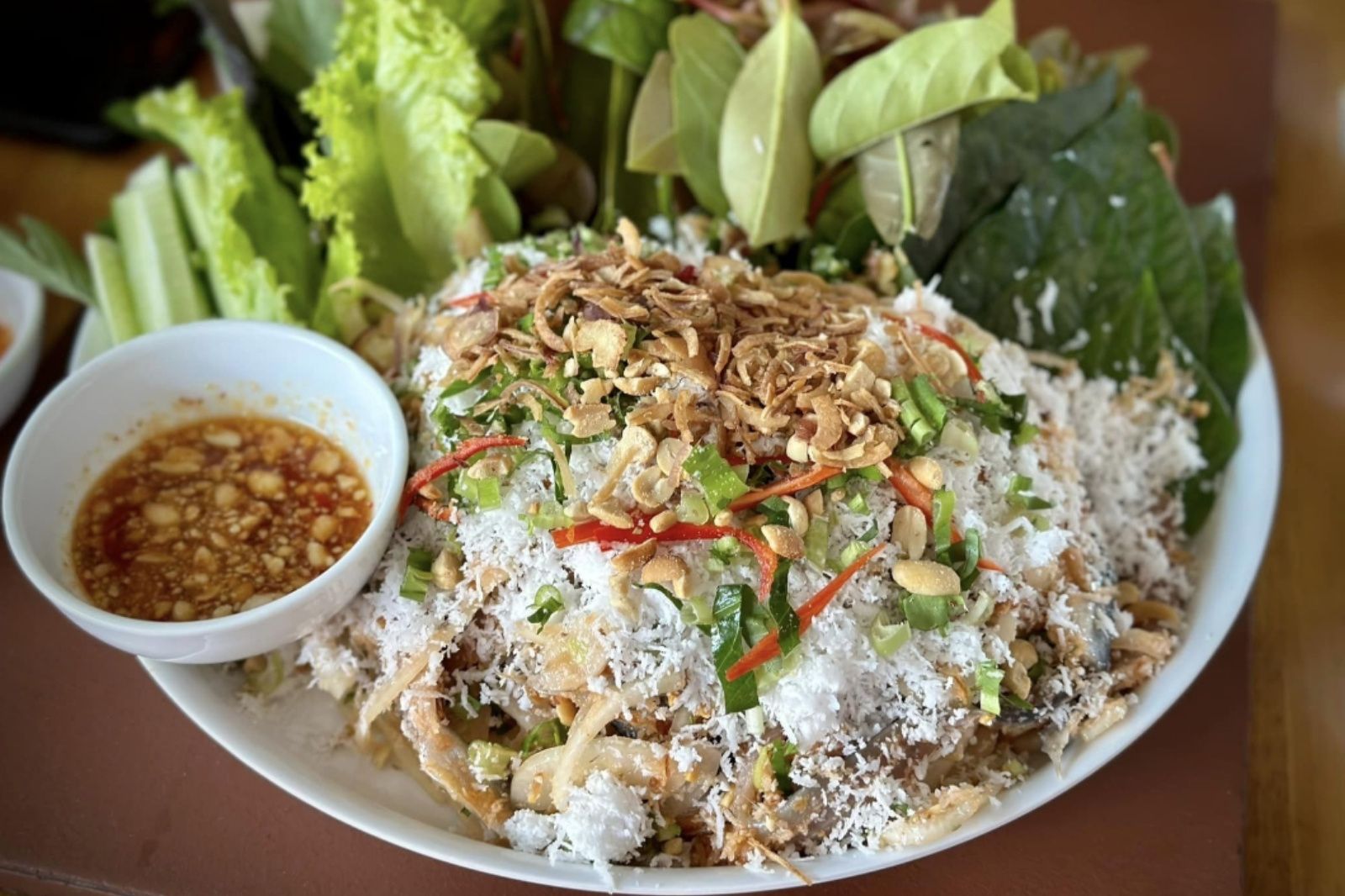
Photo: An expensive dish originating from sea voyages
2. Elaborate preparation process: The art of meticulousness
To craft an authentic Phu Quoc-style crab blood pudding, a chef requires not only skill, but also dedication and passion for the craft. The luxury of this dish lies not only in the cost of ingredients, but also in a meticulous preparation process down to the smallest detail.
Strict selection of ingredients
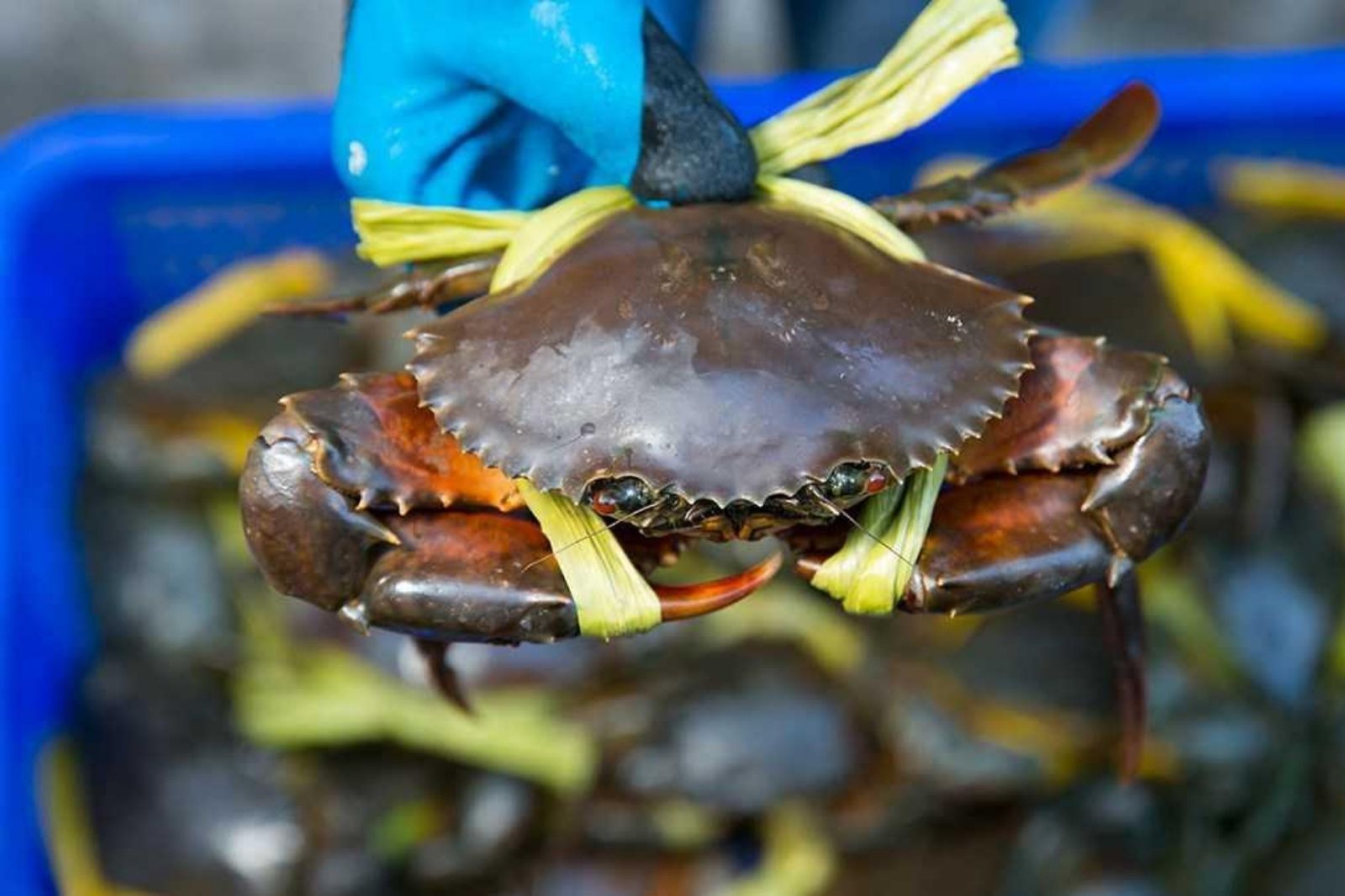
To achieve a properly flavored dish of blood pudding, the chef must use 3 to 4 large sea crabs, each weighing between 700g to over 1kg. Most importantly, the crabs must be alive, firm to the touch, and rich in roe. Only crabs laden with roe yield a blood pudding dish with a rich, savory sweetness and an appealing color.
Preparing the crab meat filling
The filling does not use cartilage or offal, but pure crab meat itself:
One crab is lightly boiled with a splash of white wine to neutralize any odor and enhance its distinct aroma.
Once cooked, the crab meat is carefully extracted, shredded, and tossed with spices for a rich flavor.
Aromatic herbs such as saw tooth coriander, perilla, mint, and especially thai basil are finely chopped and mixed in to soften the strong seafood aroma.
"Exclusive" technique for extracting blood
This is the stage that demands the utmost skill. The live crab is thoroughly cleaned and its legs tightly bound. The chef uses sharp scissors to make a swift cut right at the leg joint. The clear white crab fluid flows in a small stream onto the pre-arranged plate of crab meat. Once the blood sets like jelly, the clear liquid rising to the top is deftly skimmed off so that the surface of the pudding remains dry and glossy. Finally, the brilliant golden crab roe is drizzled over the top alongside crushed roasted peanuts and fresh coriander.
The painstaking care in every step—from selection to preparation—transforms raw treasures of the ocean into a work of gustatory art, ready to captivate even the most discerning diners upon setting foot on the Pearl Island.
Photo: Carefully selected crabs used to make the unique crab blood pudding dish
3. The quintessential flavor of the sea
Crab blood pudding does not feature a bright red color, but rather an off-white hue speckled with the golden tint of roe and the green of fresh herbs. When tasting it, you will experience an explosion of flavors:
The natural salty and subtle sweet taste of sea crab fluid.
The rich, melt-in-your-mouth creaminess of freshly cooked crab roe.
A light, tenderly crisp jelly texture, blending seamlessly with the sweet, delicate crab meat.
This dish is typically enjoyed with crispy grilled rice crackers. The fragrant aroma of the rice cracker, the tartness of starfruit, the astringent note of green banana, and the sharp scent of fish mint create a perfect symphony of flavors, leaving diners eager to savor every last bite.
If you have the chance to visit Phu Quoc, do not just limit yourself to herring salad or bun quay; make time to seek out and enjoy crab blood pudding. It is not merely a favorite delicacy among the island locals, but a refined essence distilled from the sea—a one-of-a-kind culinary experience that is hard to find anywhere else on the travel map of Vietnam.