Đakrông Gong Cultural Space: The Sacred Soul of the Great Forest

Central

Quang Tri

Sovaba.travel

Updated at: 24/09/2026

1. What is the Dakrong Gong Cultural Space?

Đakrông Gong Cultural Space is part of the intangible cultural heritage, similar to the Space of Gong Culture in the Central Highlands recognized by UNESCO as a Masterpiece of the Oral and Intangible Heritage of Humanity in 2005. In Đakrông, this is a vibrant space where gongs are not only musical instruments but also cultural symbols, closely tied to the community life of ethnic minorities.

Gongs here are used in festivals, community rituals, and daily activities, creating a multi-dimensional cultural space. It encompasses music, dance, folk songs, and spiritual elements, reflecting the harmonious relationship between humans and the vast nature. According to documents, this space spreads across mountainous villages in Quảng Trị, where over 80% of the population belongs to ethnic minorities, and is preserved through community activities and traditional festivals. Notably, gongs are not communal property but usually belong to individual families, symbolizing wealth and social status.
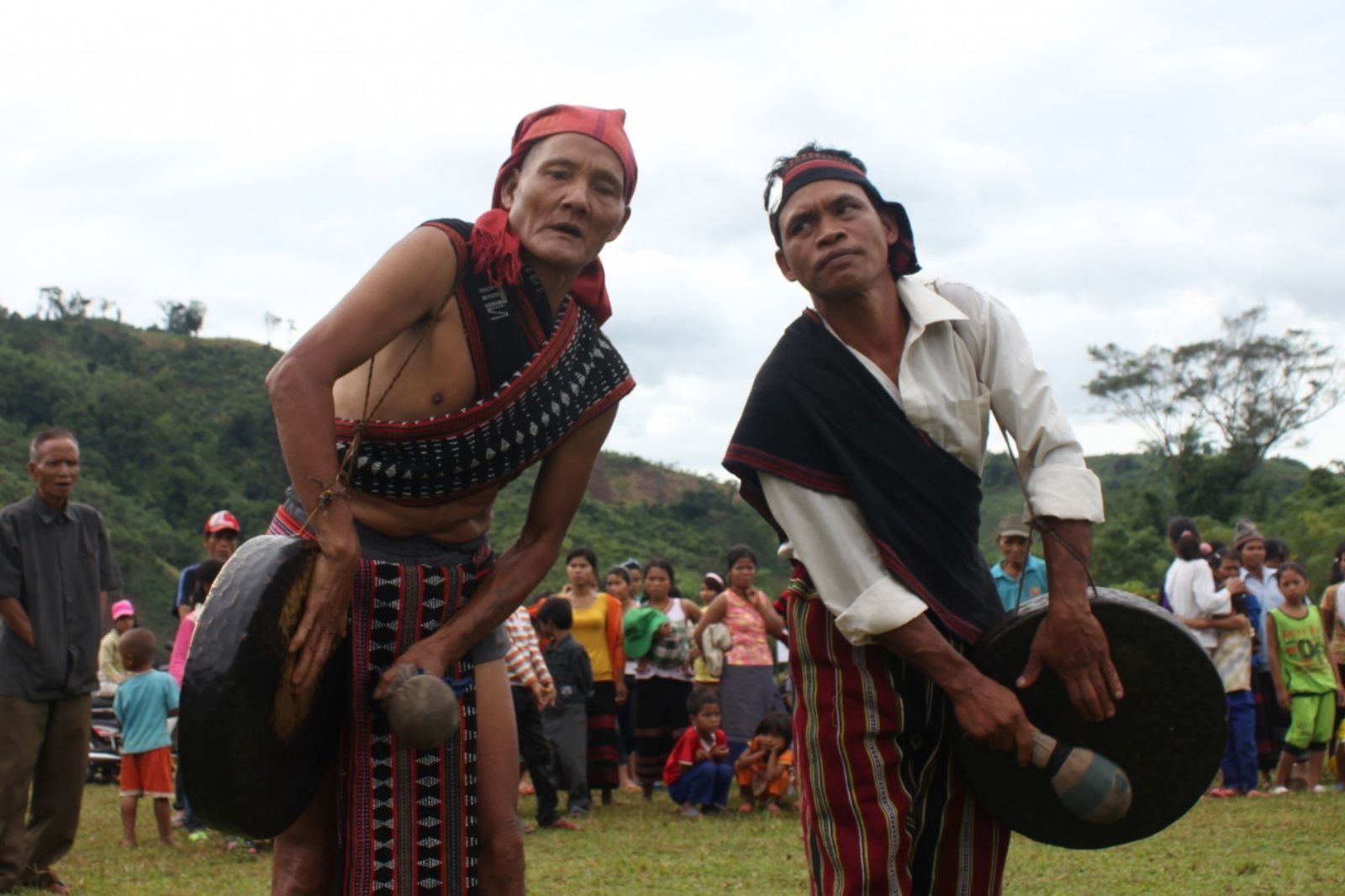
The sound of gongs blending with the rhythm of life of the Pa Kô and Vân Kiều people
Photo: The sound of gongs blending with the rhythm of life of the Pa Kô and Vân Kiều people

2. Origin and history of Dakrong gong culture

Gong culture has deep roots among the Central Highlands ethnic groups, potentially originating from the Austronesian language group during their migration to the mountainous regions. In Đakrông, gongs were brought and developed by the Vân Kiều and Pa Kô ethnic people hundreds of years ago, closely linked to the history of forming mountainous villages in Quảng Trị.

History shows that gongs appeared in agricultural rituals, human life cycles, and community activities since ancient times. In Đakrông, it became a distinctive cultural form from the 19th and 20th centuries, as ethnic minorities settled along the Trường Sơn Mountain Range. Through wars and social upheavals, this culture almost faded away but has been strongly restored since the 2000s thanks to local preservation programs. To date, Đakrông District still preserves around 500 ancient gongs, which are used in festivals and displayed at the Vân Kiều - Pa Kô Ethnic Traditional Cultural House.

The origin of gongs is also linked to spiritual beliefs: each gong is a sacred item, crafted from bronze and precious metals using traditional techniques passed down through generations.

3. Spiritual significance of gongs in the culture of ethnic groups in Dakrong

In the culture of the ethnic groups in Đakrông, gongs are not merely music but also carry profound spiritual significance. They are considered "sacred objects", serving as a bridge between humans and gods, ancestors, and the supernatural world. Local people believe that behind every gong resides a deity, and its resonant sound can ward off evil spirits, pray for favorable weather, or express joy and sorrow in life.

Specifically, gongs are used in rituals such as the reburial ceremony (Ariêu Ping) of the Pa Kô people, the new rice festival, weddings, funerals, or health prayers. The sound of the gong conveys human sentiments, helping unite the community and maintain harmony with nature. According to local artisans, the gong is the "voice of spirituality", enabling people to communicate with "invisible beings". This significance not only helps preserve culture but also contributes to the social sustainability of the villages. 

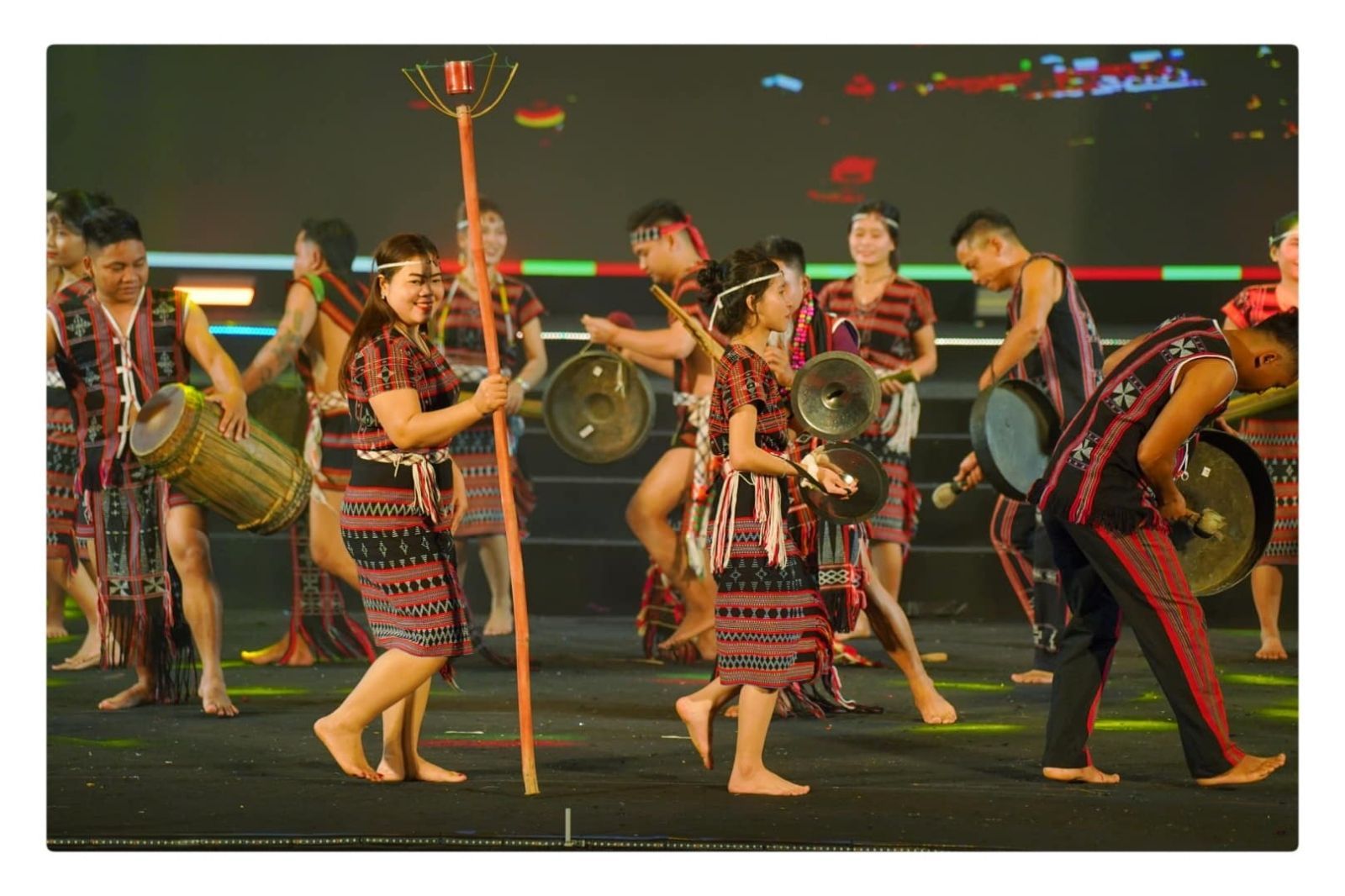
Preserving gong culture amid the vast forests of Đakrông
Photo: Preserving gong culture amid the vast forests of Đakrông

4. Traditional gong performance art in Dakrong

The art of gong performance in Đakrông is a harmonious combination of music, dance, and folk songs, creating polyphonic and colorful performances. A gong ensemble usually consists of multiple instruments, organized like an orchestra with various forms of harmony. There are two main types: knobbed gongs ("cồng", symbolizing women, with a higher pitch) and flat gongs without knobs ("chiêng", designated for men, with a deeper tone).

Performances involve both men and women, with artisans such as Kray Sức (Đakrông District) having composed dozens of gong dance scripts. Popular melodies include Cà lơi, Cha chấp, and Xà Nớt, combined with other traditional instruments like the panpipe (khèn bè) and Ta Lư lute. Performances usually take place in community spaces, featuring rhythmic, graceful movements that reflect the rhythm of mountain life. Today, many traditional performance groups have been established for preservation, with active participation from local youth.

5. Ethnic minorities associated with Dakrong gong culture

Đakrông gong culture is closely linked with two main ethnic minorities: Vân Kiều (or Bru-Vân Kiều) and Pa Kô (or Tà Ôi). They make up over 97% of Đakrông District's population, living mainly in mountainous villages.

  • Vân Kiều Ethnic Group: They consider gongs a valuable asset and a symbol of prosperity. Their culture is rich in folk songs, brocade weaving, and gong-centered rituals.
  • Pa Kô Ethnic Group: Known for the Ariêu Ping festival and gong dance routines. They have established a Traditional Cultural House for preservation, featuring activities that pass down heritage to younger generations.

Both ethnic groups actively preserve this culture while combining it with community-based tourism development, helping visitors gain a deeper understanding of ethnic identity.

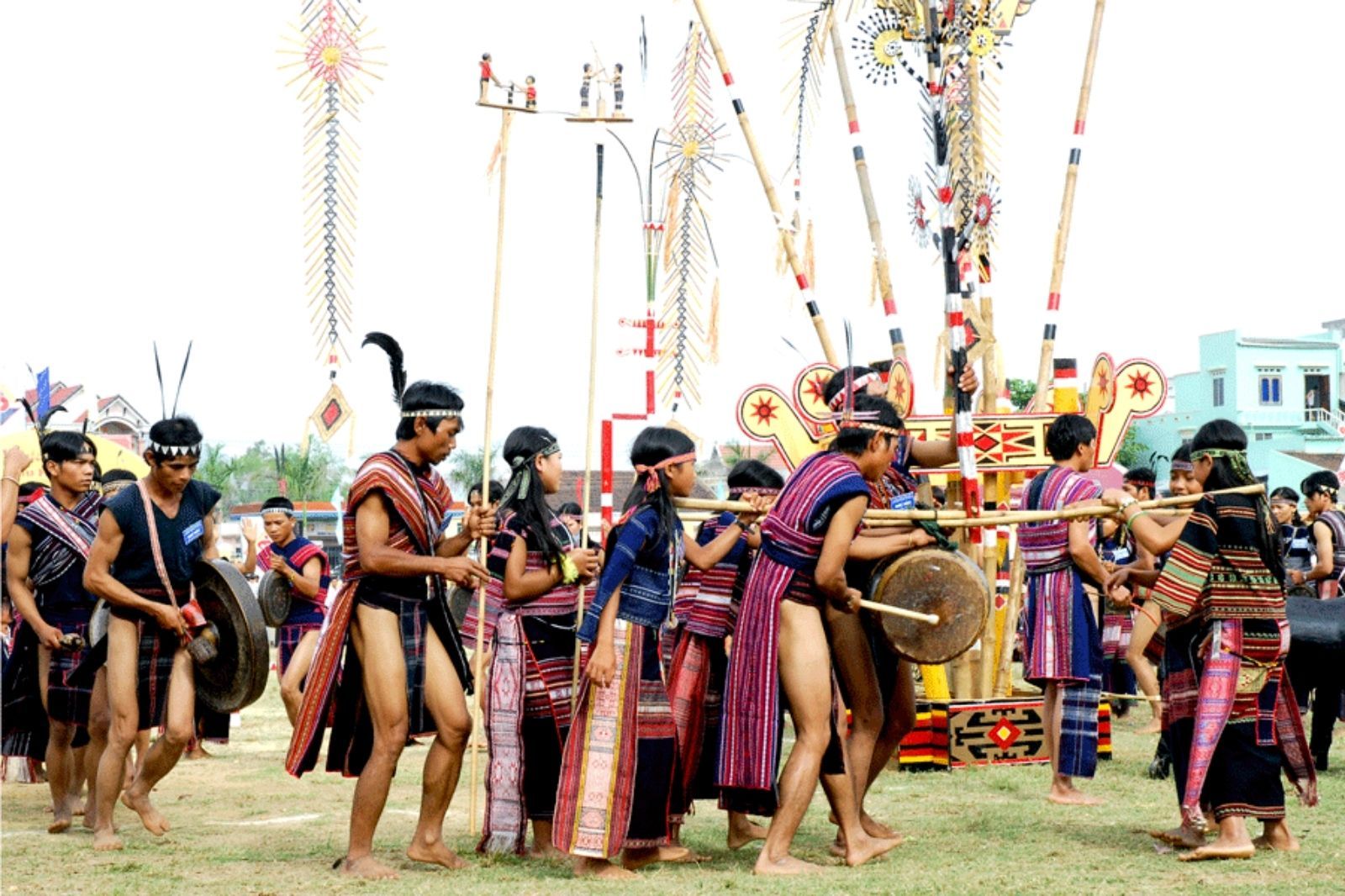
Gong sound, the melody of heaven, earth, and spirituality
Photo: Gong sound, the melody of heaven, earth, and spirituality

6. Experiencing the Dakrong Gong Cultural Space for visitors

Đakrông is an ideal destination to experience the gong cultural space authentically. Visitors can:

  • Participate in festivals and performances: Visit villages like Làng Cát, Klu, or A Bung to watch gong performances, traditional dances, and enjoy folk music. Festivals usually take place in spring or during the new rice celebration.
  • Explore villages and heritage sites: Visit the Vân Kiều - Pa Kô Ethnic Traditional Cultural House, which displays ancient gongs and cultural artifacts. Combine this with bathing in Klu Hot Springs, or exploring Ngài Cave or Brai Cave.
  • Interactive activities: Learn to play gongs from local artisans, try brocade weaving, or savor local ethnic cuisine. Community-based tourism here allows you to immerse yourself in nature alongside the majestic Đakrông River.

Note: It is best to visit during the dry season (March–May) for easier travel. Tours are often locally organized, ensuring safety and cultural respect.

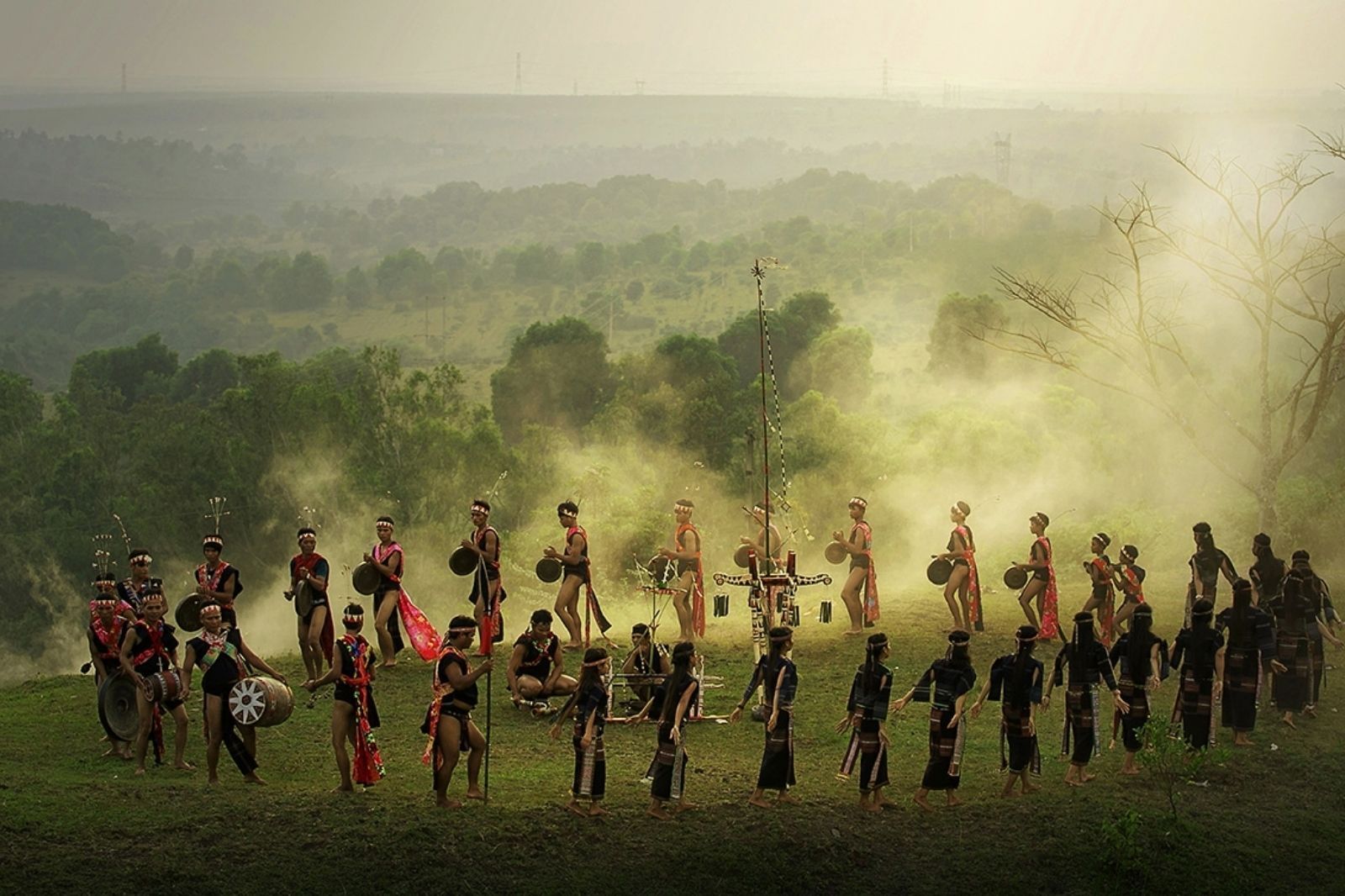
Participating in festivals and performance programs
Photo: Participating in festivals and performance programs 

Đakrông Gong Cultural Space is the crystallization of spiritual life, belief, and the close-knit relationship between humans and the Trường Sơn mountains and forests. Through every rhythm of the gong, the local ethnic communities preserve ancestral memories and convey cultural values handed down through generations. Preserving and promoting this gong cultural space not only contributes to keeping local identity alive, but also opens up opportunities for sustainable community-based tourism development—where travelers have the chance to access, understand, and deeply appreciate the authentic cultural values of the vast Đakrông forests.

Loading......

Featured destinations