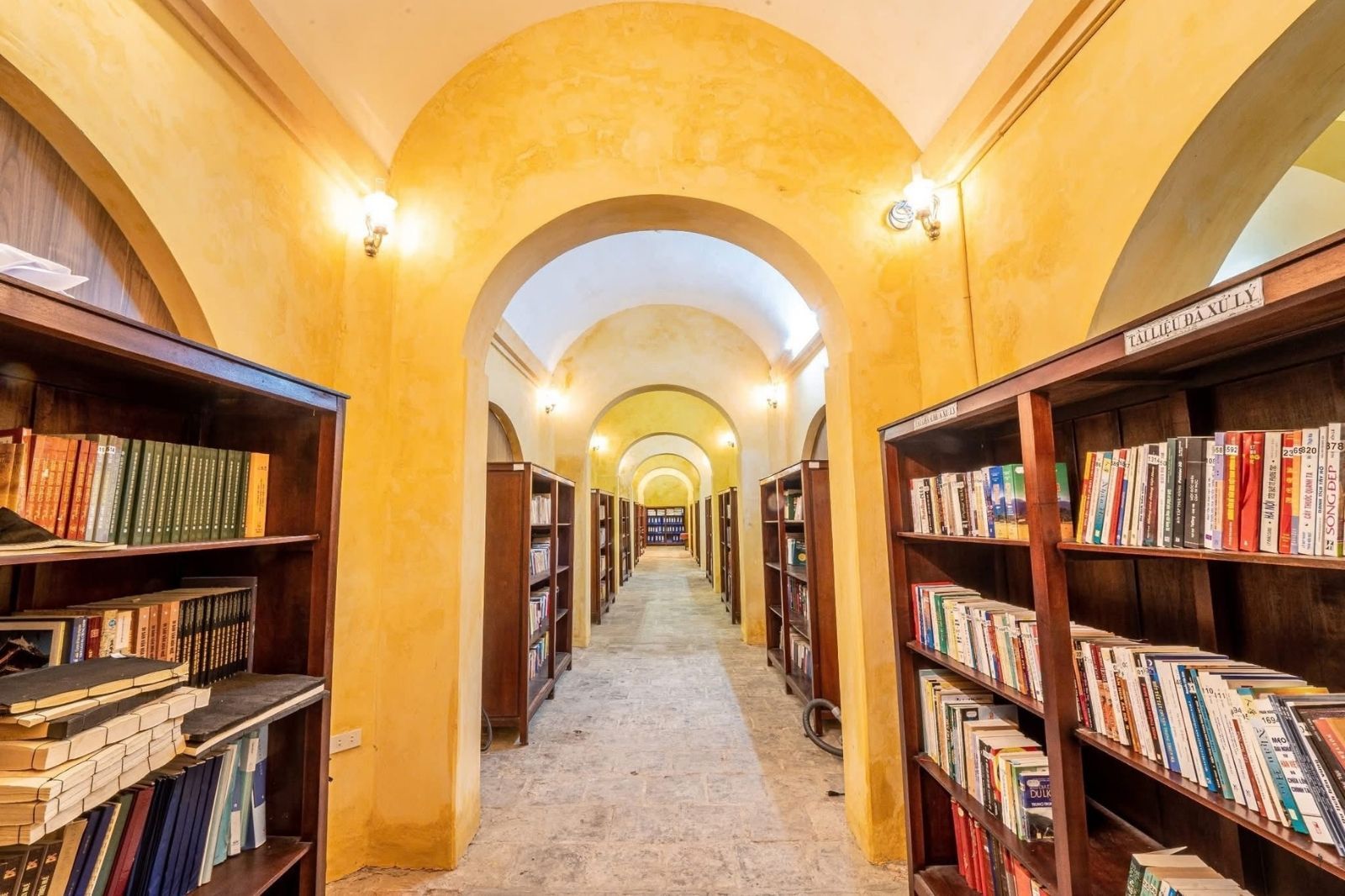
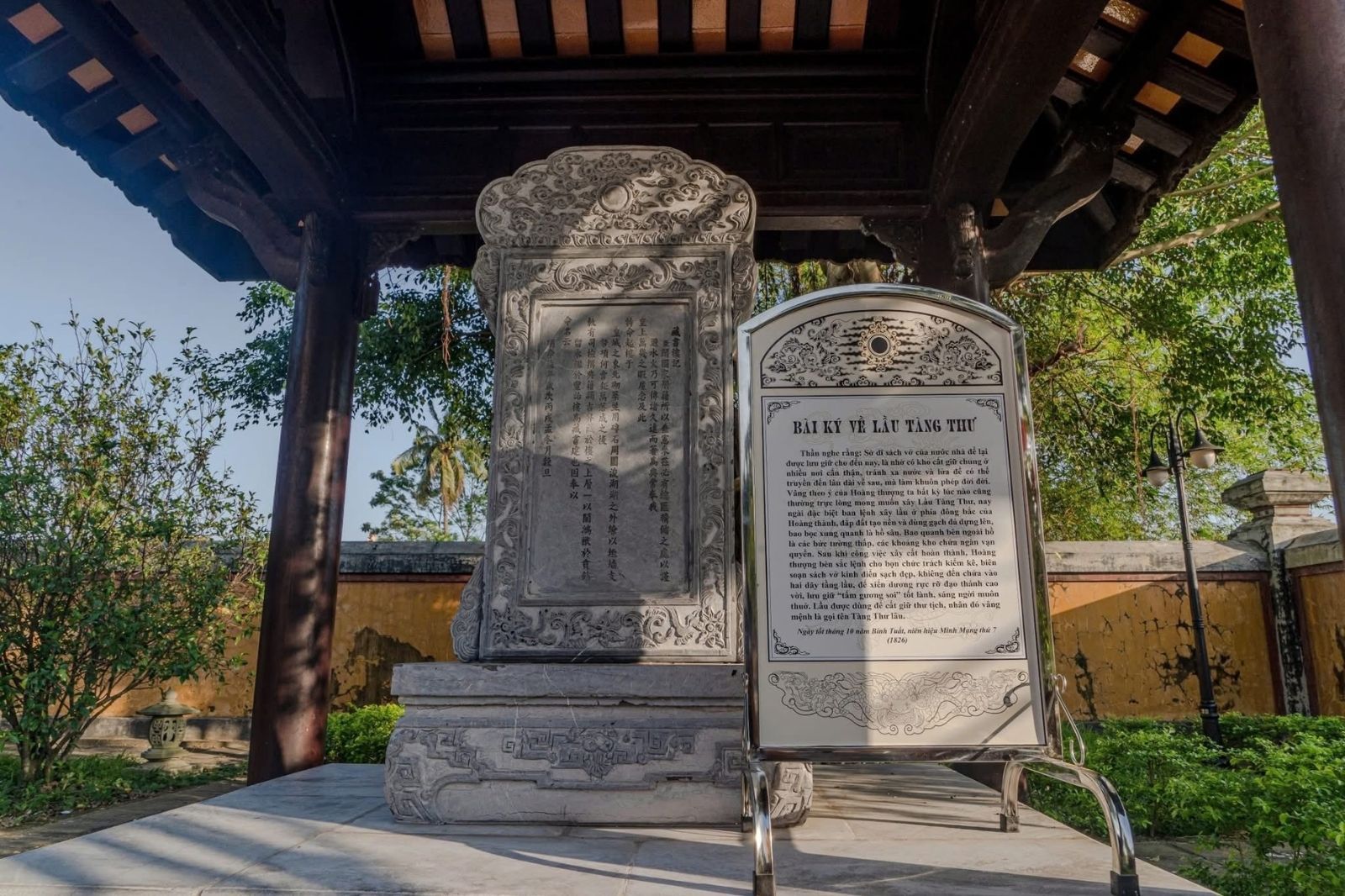
Tang Thu Lau Hue, also known as Lau Tang Tho, was built in the summer of 1825 during the reign of King Minh Mang – an emperor renowned for his far-reaching administrative reforms. Directed by Acting Commander-in-Chief Doan Duc Luan, the construction mobilized up to one thousand soldiers and was completed in just a few months. In 1826, King Minh Mang erected a stone stele right on the grounds, affirming the purpose of building this place as a national 'Sutra Repository', the most important document archive of the Nguyen Dynasty.
Initially, this royal library specialized in preserving administrative documents from six ministries (Personnel, Justice, Rites, War, Finance, Public Works) starting from the reign of King Gia Long. Under King Minh Mang, the volume of records expanded to 12,000 land registry books, requiring 45 permanent staff members to manage and organize. Throughout its over 120-year existence (1825–1945), Tang Thu Lau witnessed numerous historical events: from diplomatic treaties with France and China to war events. After the fall of the Nguyen Dynasty in 1945, many precious documents were lost or relocated elsewhere, leading to severe deterioration of the building. Notably, during the resistance war period, this site was converted into a military base, severely damaging its original architecture.
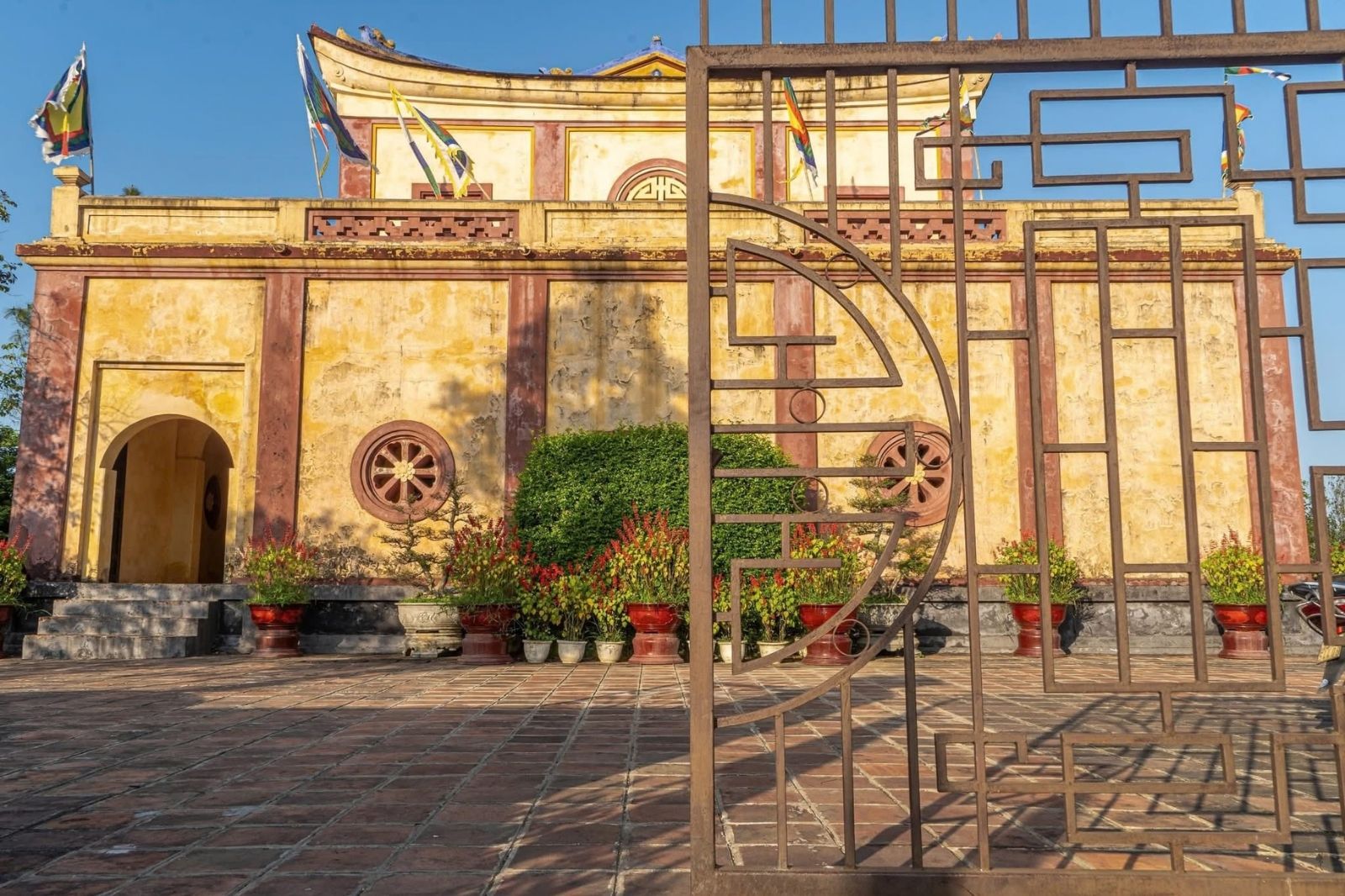
Fortunately, since 2000, Thua Thien Hue Province launched a research and restoration project for Tang Thu Lau. In 2014, official restoration work began, lasting 7 years under the direction of the Hue Monuments Conservation Center. Today, Tang Thu Lau has not only been revived as an important historical monument but has also become a research and document digitization center, contributing to the preservation of ancient knowledge for future generations. This special value earned Tang Thu Lau recognition as an indispensable part of the Complex of Hue Monuments – a UNESCO World Cultural Heritage site.