Discover the Traditional Quang Binh Feast – Dishes Rich in Hometown Flavors
Central
Quang Binh
Sovaba.travel
Updated at: 24/09/2026
1. The significance of the traditional feast in Quang Binh culture
A traditional feast tray is not merely a lavish meal on important occasions, but also a symbol of family unity, filial piety toward ancestors, and belief in the good things in life.
Preparing the feast tray usually involves multiple family members. Preparing ingredients and cooking together provides an opportunity for everyone to gather, share stories, and strengthen family bonds. The time of offering prayers and enjoying the feast is also a meaningful moment of reunion for the entire family. Furthermore, the traditional feast tray preserves the signature recipes and flavors of Quang Binh cuisine across generations. Maintaining this custom helps descendants understand and appreciate the traditional cultural values of their homeland. In particular, preparing a complete, attractive, and delicious feast tray demonstrates the skillfulness, resourcefulness, and devotion of the women in the family.
2. Must-have dishes in a traditional Quang Binh feast
The feast tray of Quang Binh locals always carries the rustic spirit of the countryside, yet remains full of flavor, color, and cultural significance.
Everywhere in Vietnam, square banh chung and cylindrical banh tet are always the "soul" of the Tet feast tray. In Quang Binh, banh chung is usually filled with mung beans, fatty pork, and sticky rice. Banh tet can be filled with banana, mung bean, or pork. The meaning of this dish symbolizes abundance, prosperity, the round sky and square earth, expressing gratitude to heaven, earth, and ancestors.
Ba Don Fried Spring Rolls (Ram Ba Don)
Ba Don Fried Spring Rolls carry a very distinct flavor thanks to a special combination of ingredients. Using corn flour or red rice flour to make the wrapper is the key highlight that gives these spring rolls a crispier texture and more appealing color compared to other regions. The rolls are wrapped thick, moistened with water, and then fried to create a golden, crispy outer shell that anyone will love.
Boiled Chicken - Chicken Salad with Onions
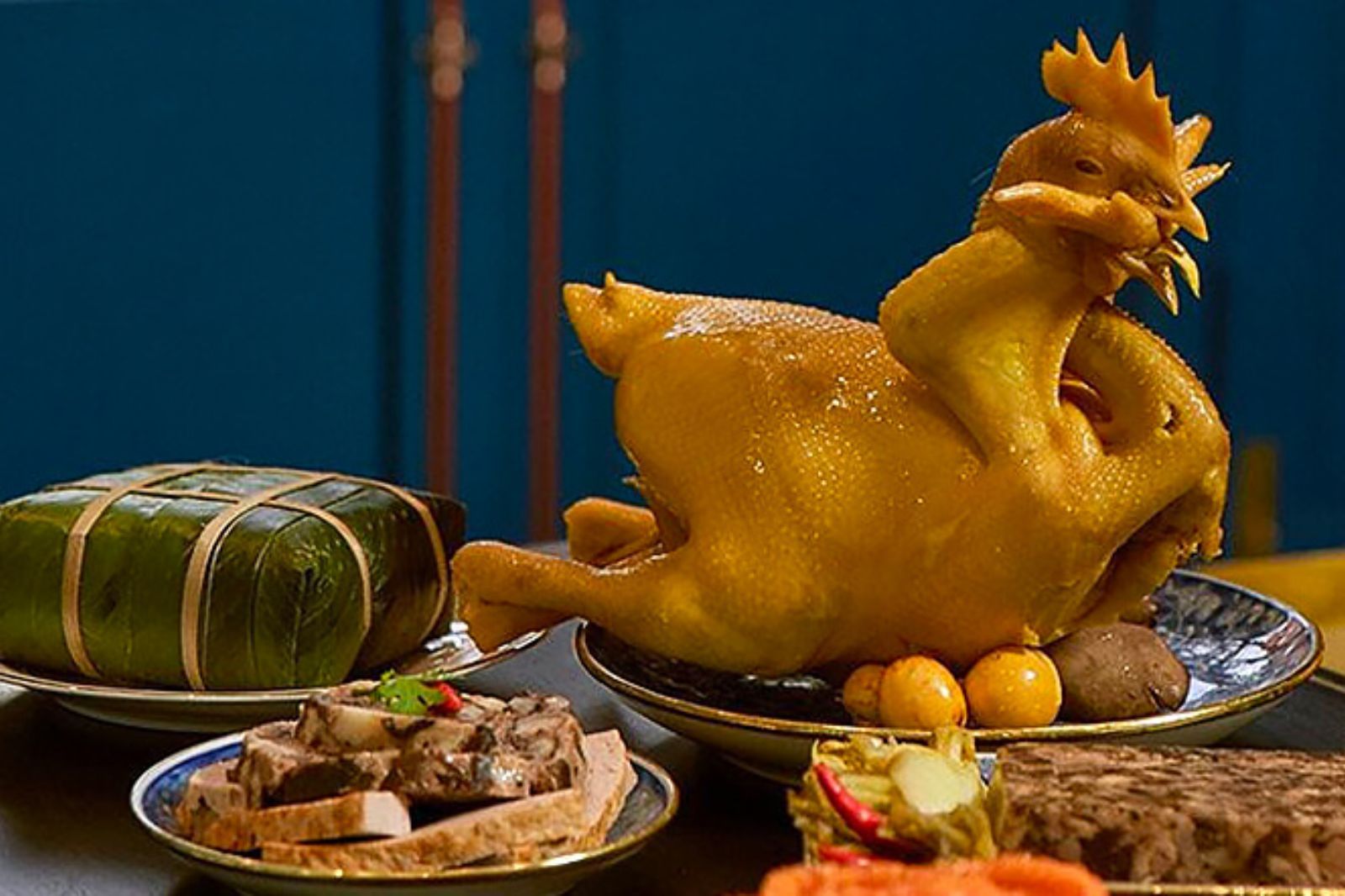
In any traditional feast tray of Quang Binh people, boiled chicken is always considered the main dish, representing abundance, good luck, and prosperity. The chicken chosen is usually free-range local chicken with firm meat and shiny yellow skin. After being perfectly boiled, the chicken can be chopped into pieces and arranged on a plate or left whole on the ancestral altar.
Alongside traditional boiled chicken, chicken salad with onions is also a popular variation on summer feast trays. Shredded chicken tossed with onion, Vietnamese coriander, a pinch of lemon pepper salt or chili fish sauce creates a refreshing dish that is rich in flavor and palette-cleansing.
Photo: Chicken is often chosen for the feast tray to represent abundance and prosperity
Gio lua (Pork Sausage) - Cha bo (Beef Sausage)
Gio lua and cha bo are two familiar dishes that contribute to the completeness and solemnity of the Quang Binh feast tray. Gio lua is made from finely ground pork, pounded smooth with quality fish sauce, then tightly wrapped in banana leaves and boiled. When sliced, the round, even pieces carry the fragrance of meat and banana leaves, soft yet firm. This dish symbolizes completeness and fulfillment, often placed in a prominent position on the ceremonial tray.
Cha bo, which is more popular on Tet feast trays, offers eye-catching color and rich flavor. Made from fresh beef and meticulously seasoned, beef sausage has both the natural sweetness of beef and the aroma of black pepper and boiled banana leaves. Thinly sliced and arranged on a plate, the reddish slices create an appetizing look full of spring spirit.
Dried Bamboo Shoot Soup
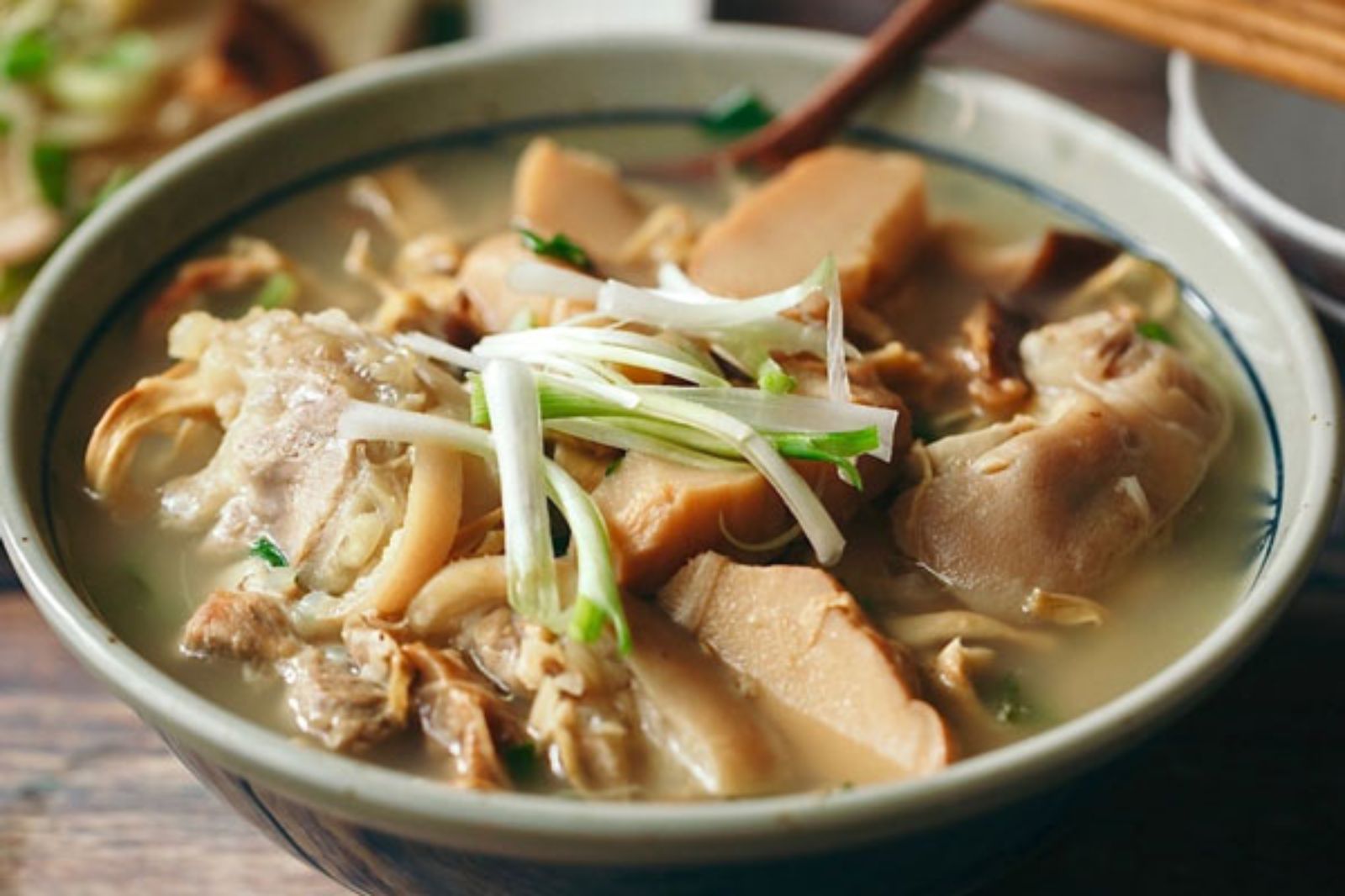
Indispensable in a Quang Binh feast tray is a refreshing bowl of soup to cleanse the palate after rich savory dishes. Dried bamboo shoot soup or pork skin soup (canh bong) is the top choice during festivals, Tet, or death anniversaries. Dried bamboo shoot soup is prepared from wild bamboo shoots dried and soaked soft, then simmered with pork bones or pork trotters to extract natural sweetness. Chewy, crisp shoots combined with clear, sweet broth make the soup not only delicious but also infused with the distinct mountain flavors of Quang Binh.
Photo: A refreshing bowl of soup to cleanse the palate after savory dishes
Pork skin soup, often appearing on wedding or major Tet feast trays, brings an even more delicate style. The main ingredient is dried pig skin, soaked, thinly sliced, and cooked with shiitake mushrooms, carrots, green peas... creating a soup that is both soft and visually appealing. This dish reflects abundance, fulfillment, and elegance in Central Vietnamese culinary culture.
Caramelized Shrimp with Pork
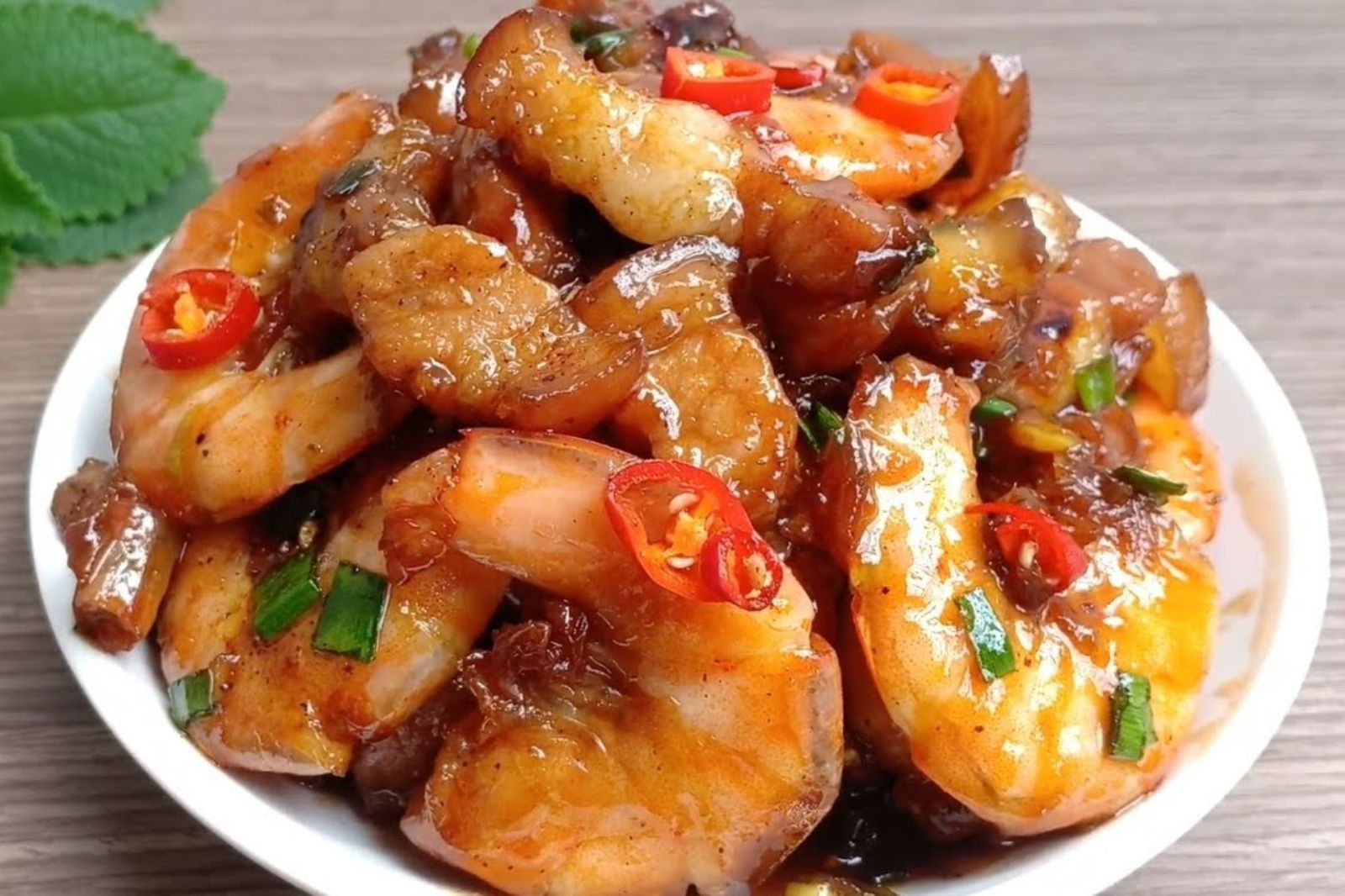
Caramelized shrimp with pork is a familiar dish that plays an important role in the Quang Binh feast tray, especially during Tet or anniversary meals. The harmonious combination of sweet shrimp, rich pork belly, and attractive amber color from caramelized sugar creates a dish appealing in both aroma and taste.
Fresh river shrimp are usually selected and braised together with bite-sized pork pieces, seasoned with fish sauce, sugar, and pepper to balance sweet and savory notes. When thoroughly braised, the sauce thickens and coats each piece of meat, while the glistening red shrimp are so fragrant that they are hard to resist.
Photo: Caramelized shrimp with pork is a familiar dish used in the feast tray
Red Sticky Rice (Xoi Gac) - Mung Bean Sticky Rice (Xoi Do Xanh)
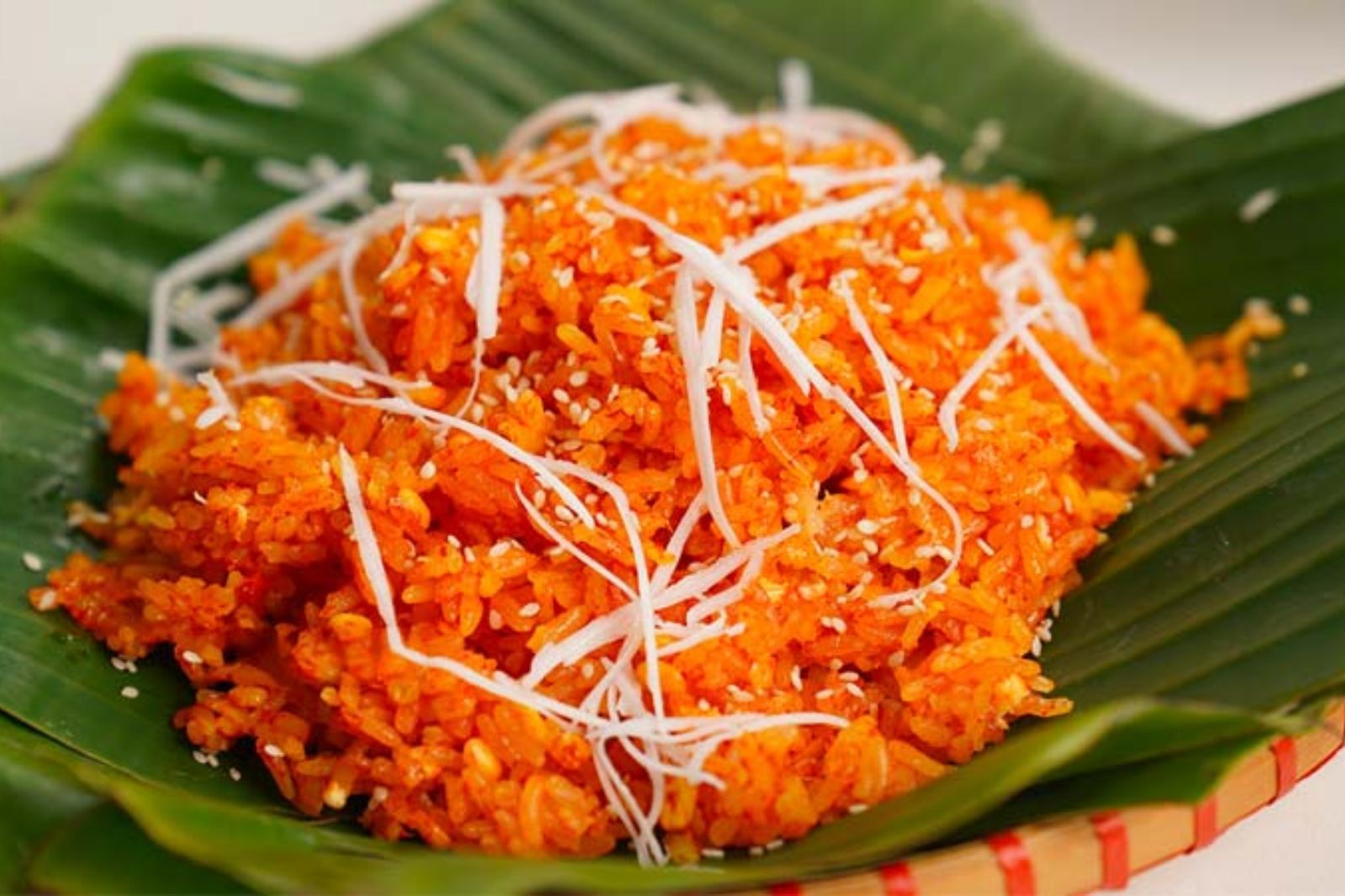
Sticky rice carries sacred meaning in the traditional feast tray of Quang Binh locals and Vietnamese people in general. Not only delicious, sticky rice is a symbol of togetherness, prosperity, and fulfillment. Red sticky rice, with its vibrant red color from gac fruit, frequently appears on wedding or Lunar New Year feast trays, symbolizing good luck and happiness. Fragrant sticky rice mixed with ripe gac fruit is steamed and can be sprinkled with grated coconut and toasted sesame seeds to enhance attraction.
Meanwhile, mung bean sticky rice brings a nutty, mild, and easy-to-eat flavor. Cooked from premium sticky rice mixed with steamed peeled mung beans, it creates a simple yet nutrient-rich dish, commonly featured in almost all death anniversary or traditional Tet feast trays.
These dishes are not only delicious culinary creations but also encapsulate profound cultural values and familial affection, forming the distinctive identity of the traditional Quang Binh feast tray on important occasions.
Photo: Sticky rice is a symbol of togetherness, prosperity, and fulfillment
The traditional feast tray of Quang Binh, filled with dishes rich in home flavors, is not only an essential part of Tet and festival occasions but also proof of the appreciation for cultural values and family bonds across generations. Even as time passes, these dishes maintain a special place in the hearts of Quang Binh people. If you have the chance to visit this land during major holidays, do not miss the opportunity to discover and savor these culinary gems to gain a deeper appreciation of the culture, tourism, and people here.