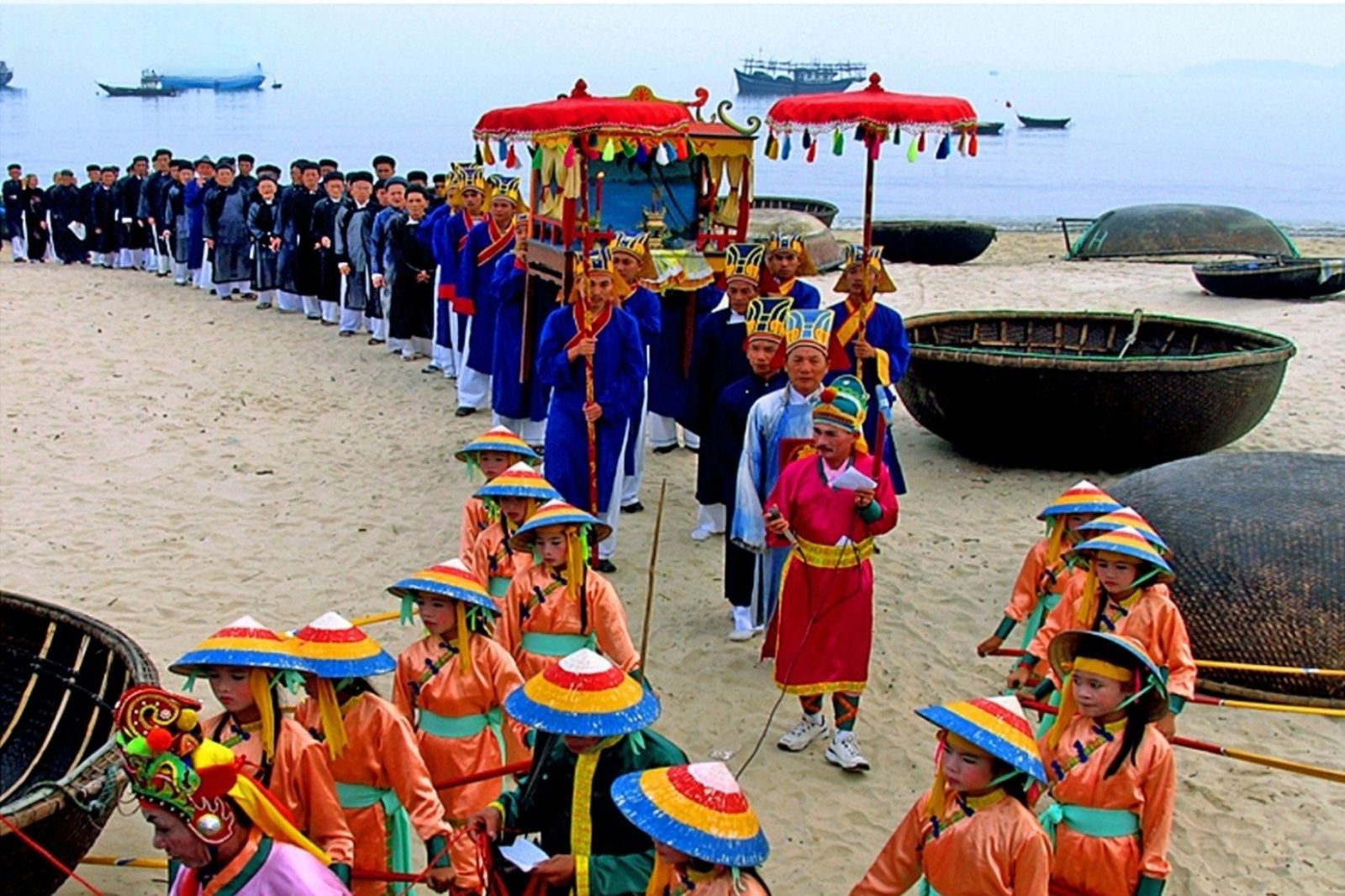
Discovering An Hai Village Festival: Whale Worship and Fishermen Culture

Central

Da Nang

Sovaba.travel

Updated at: 24/09/2026

1. An overview of An Hai Village

An Hai Village is not only an ancient landmark but also a place that preserves a heroic part of Da Nang's history. From the early days of land reclamation to historical events during wartime, the journey of the village's formation and the inception and revival of its traditional festival demonstrate the resilient spirit and deep gratitude of its people.

The Formation of An Hai Village

According to legend and records preserved at the Ancestral Worship House of An Hai Village, the village was established in 1471 under the reign of King Le Thanh Tong, when Quang Nam Thua Tuyen (administrative division) was created. The person credited most was Lady Than – a female migrant from the North who, along with her husband Mr. Cong Than and relatives, chose the desolate, saline land on the east bank of the Han River to settle. Initially, they set up tents in An Trung land (now part of An Hai Tay Ward) and gradually reclaimed it into fertile rice fields.

An Hai Village originally comprised six founding clans: Tran, Le, Nguyen, Do, Ngo, Huynh. Later, additional clans joined, such as Pham, Phan, Ha, Dang. By the Lord Nguyen era (17th–18th centuries), the village was fortified into An Hai Citadel – part of the defense system protecting Da Nang port, alongside Dien Hai Citadel.

The Origin and Revival of the Festival

  • In 1820, villagers built An Hai Communal House to honor those who reclaimed and expanded the territory, as well as to serve spiritual activities. From then on, the An Hai Festival officially took place annually.
  • In 1859, the French-Spanish alliance attacked Da Nang, causing severe damage to the communal house.
  • In 2000, the An Hai Communal House Festival was restored and re-established after efforts to renovate the communal house. This event was not only an occasion to express gratitude to the village founders and deities, praying for peace and good fortune for fishing trips, but also a reminder to future generations of their ancestors' heroic past in fighting against foreign invaders.

After the vicissitudes of war and restoration efforts in 2000, today's An Hai Village Festival symbolizes gratitude to ancestors, pride in a heroic past, and serves as a guardian of the sustainable cultural values of the fishermen community.
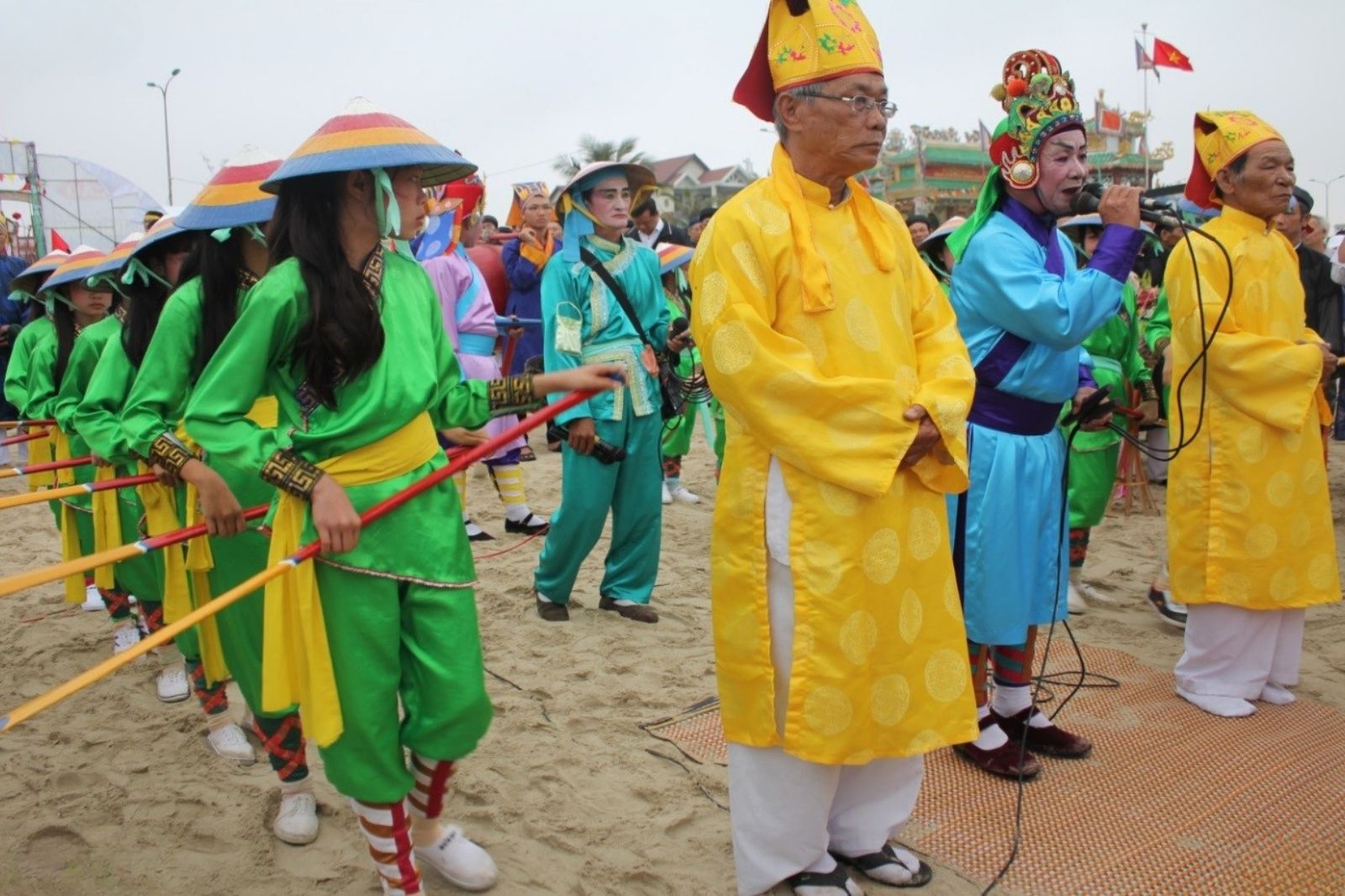
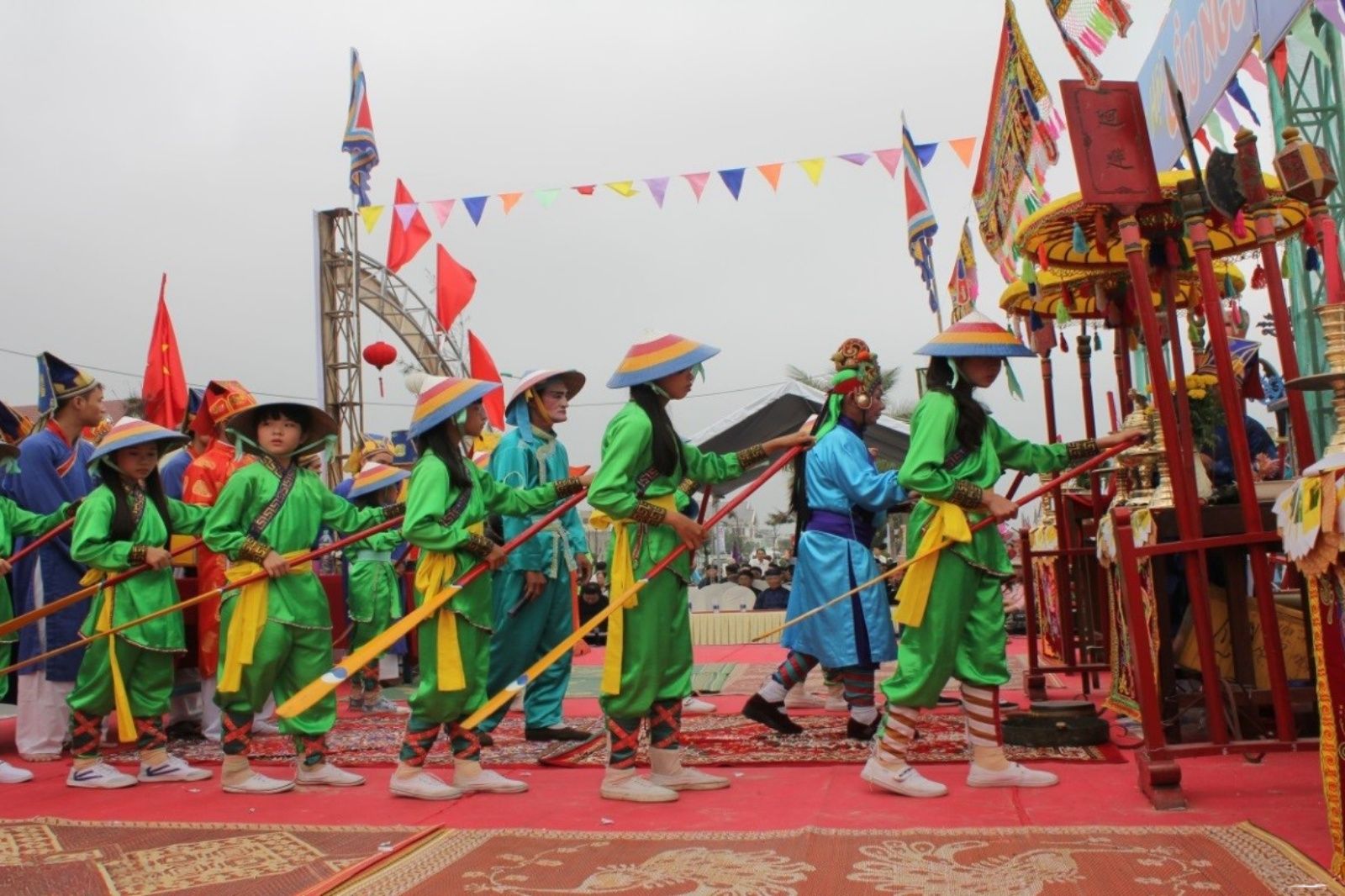
The revival of the festival following communal house restoration efforts
Photo: The revival of the festival following communal house restoration efforts

2. Origin and historical significance of the An Hai Village Festival

An Hai Village Festival is a unique traditional cultural event taking place annually on the 10th and 11th days of the 8th lunar month at An Hai Communal House (An Hai Tay Ward, Son Tra District, Da Nang City) - a recognized national historical relic since 1995. 

Lord Whale (Ca Ong) is revered by the fishermen of An Hai Village as a guardian deity. When a whale washes ashore dead, the locals hold a solemn funeral, bury it at the Ca Ong Mausoleum (or Nam Hai Mausoleum), and worship it for life. The whale skeleton is carefully preserved, becoming a sacred symbol. With a history of over 400 years, the festival is not only an opportunity for residents to look back on a heroic past and express gratitude to the ancestors who established the village, but also an important spiritual ritual to pray for national peace, favorable weather, and safe sea voyages for fishermen. 

An Hai Village Festival takes place annually in the 8th lunar month
Photo: An Hai Village Festival takes place annually in the 8th lunar month

3. Highlight activities of the festival

An Hai Village Festival is divided into two main parts: The solemn Rituals and the lively Festivities.

The Rituals: Solemn and Traditional

The ritual part takes place in a sacred and formal atmosphere:

  • Opening Ceremony: Begins with a solemn opening ceremony at the communal house. Local representatives deliver opening speeches and review historical traditions.
  • Offering Ceremony: Locals offer incense, flowers, and offerings according to traditional rites to express gratitude to ancestors and deities.
  • Basket Boat Shaking Contest: After the ritual offering concludes, everyone gathers by the riverbank to cheer on the basket boat shaking contest – a unique sport highlighting the talent and strength of coastal fishermen. This contest also signals the clear start of the festive activities.

The Festivities: Vibrant and Community-Binding

The festive part lasts for two days (the 10th and 11th of the lunar month) with many engaging recreational activities:

  • Noon: Lively with traditional folk games such as tug-of-war, rice-cooking competitions, pot-breaking, along with modern sports like badminton, attracting numerous locals and visitors.
  • Afternoon: Highlighted by the Lion Dance Competition showcasing finesse and skill, creating beautiful dynamic performances rich in folk culture.
  • Evening: Gathering at the stage in front of the communal house to watch cultural and musical performances, especially Tuong (classical opera) plays, vividly recreating the life and history of ancient people.

Through both the Rituals and Festivities, An Hai Village Festival is not only an occasion for locals to express gratitude and pride, but also a crucial effort in preserving and promoting the precious traditional cultural values of ancestors in Da Nang City.

4. Tips for attending the festival

To have a complete experience at the An Hai Village Festival, visitors should keep the following points in mind:

  • Attire: Wear comfortable, polite attire suitable for a traditional festival atmosphere, especially when attending rituals at the communal house.
  • Respect: Respect and adhere to local rules and customs, maintaining a respectful attitude during the ritual part.
  • Environmental Protection: Maintain general cleanliness and avoid littering.
  • Timing: Clearly check the schedule and location of activities so as not to miss interesting experiences.

By following these tips, visitors will not only ensure a safe trip but also fully immerse themselves in and respect the unique cultural values, making the An Hai Village Festival experience even more meaningful and memorable.

An Hai Village Festival: A unique cultural trait of Da Nang locals
Photo: An Hai Village Festival: A unique cultural trait of Da Nang locals

Having endured over four centuries of formation and witnessed countless historical ups and downs, from the early dikes built to prevent salinity to the turmoil of war, the An Hai Village Festival is not merely an annual event but has become the immortal soul of Da Nang's fishing community. Each solemn ritual in the ceremony is a deep expression of gratitude sent to ancestors and deities, fostering gratitude and pride in a glorious past. Meanwhile, the vibrant festive part connects the community, showcasing the strength and dexterity of coastal people. Thanks to preservation efforts passed down from generation to generation, the festival has overcome all vicissitudes to remain an enduring symbol of traditional culture, resilient spirit, and deep love for the homeland. Visitors are invited to join in preserving these sacred values, ensuring the An Hai Village Festival remains an endless cultural stream in the heart of the modern city.

Loading......

Featured destinations