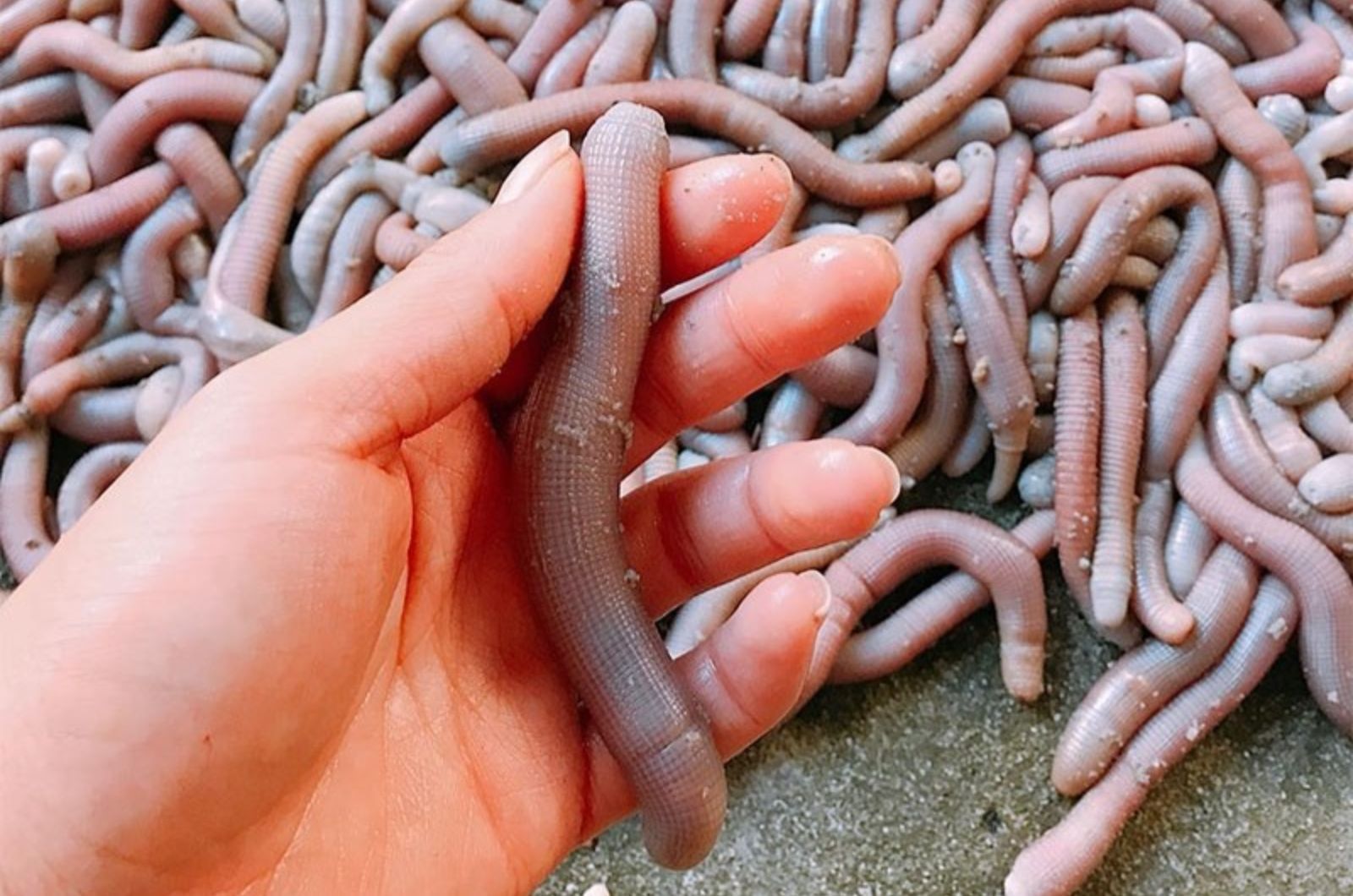
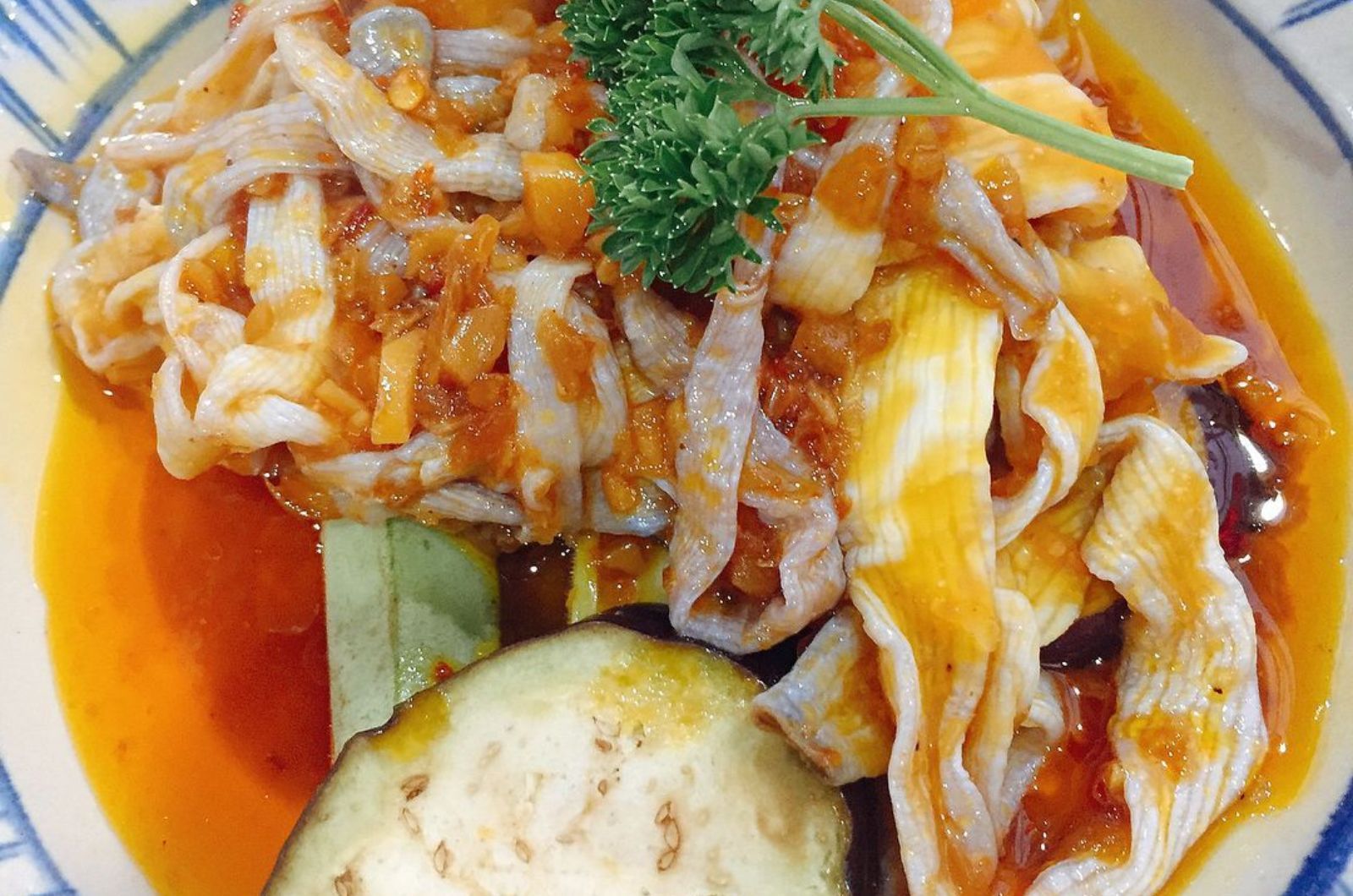
At first glance, peanut worms (sá sùng) may not look very appealing, but hidden beneath the mud and sand along the Gianh River lies a treasure prized by locals for generations. Scientifically known as Sipunculus nudus, this marine worm species mainly inhabits muddy and sandy brackish flats, distributed from the mouth of the Gianh River about 10 km upstream, along both banks in the Bo Trach, Quang Trach, and Ba Don areas.
Peanut worms are usually about 5–10 cm long, with soft, plump, reddish-brown bodies buried 40–50 cm deep in the mud and sand. Interestingly, the entrance to their burrow is only as small as the tip of a chopstick, making finding and harvesting them a task requiring vast experience. The peanut worm season typically lasts about 6 months, from after the Lunar New Year until before the rainy season. Prized not only for their rarity, Gianh River peanut worms are also tied to folklore as a delicacy once served at royal banquets, earning them the poetic moniker “earth dragon”.
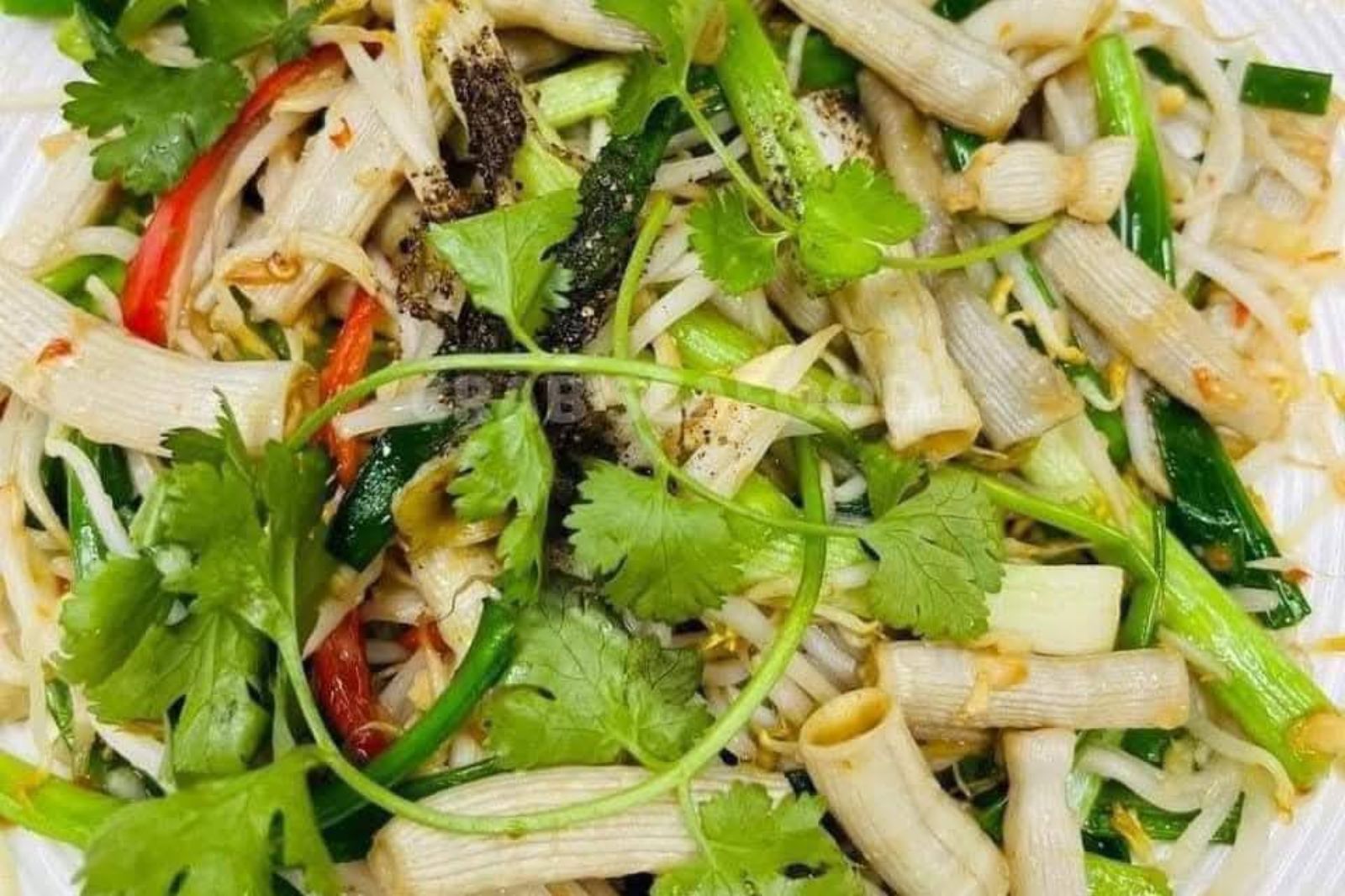
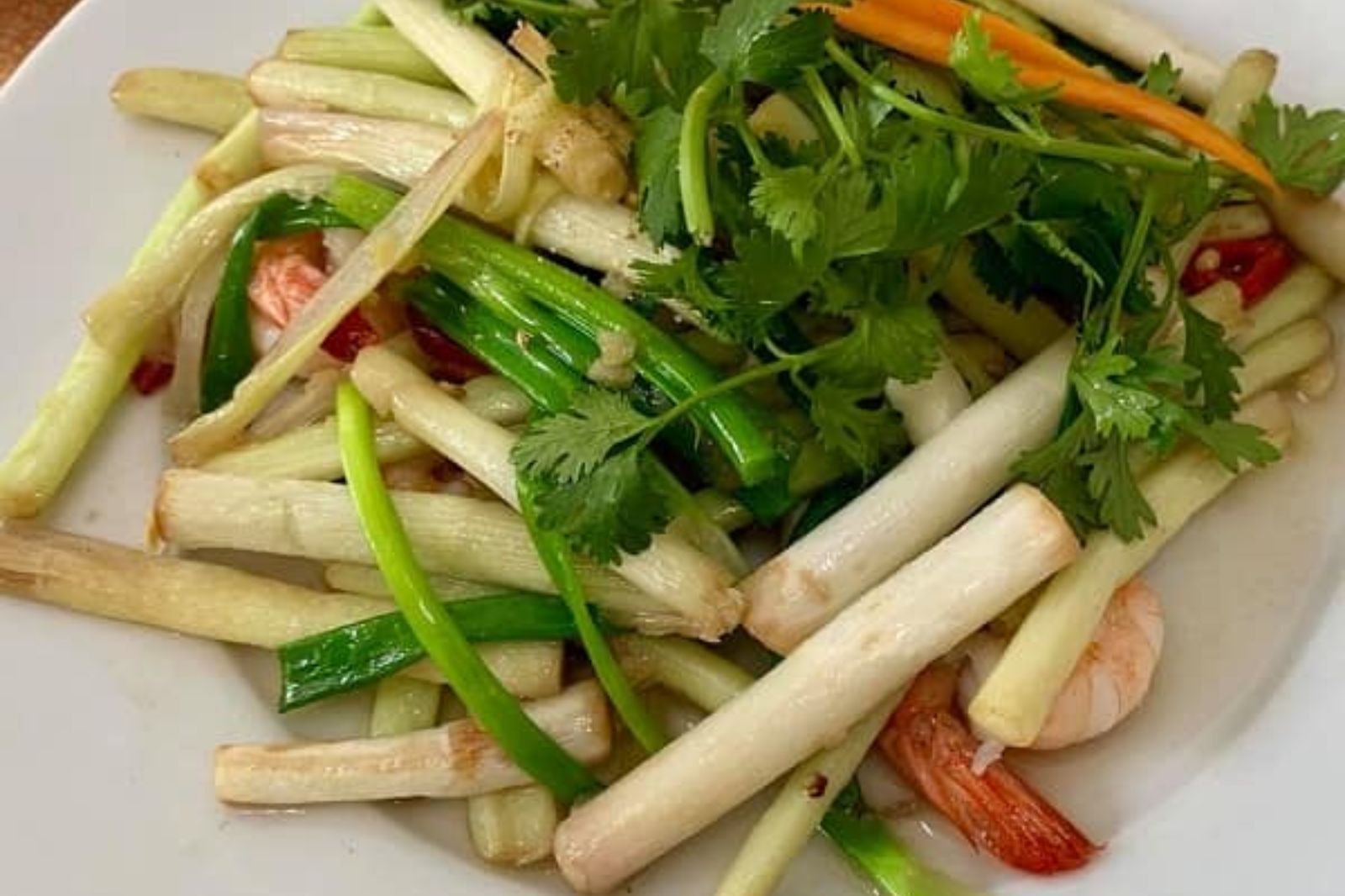
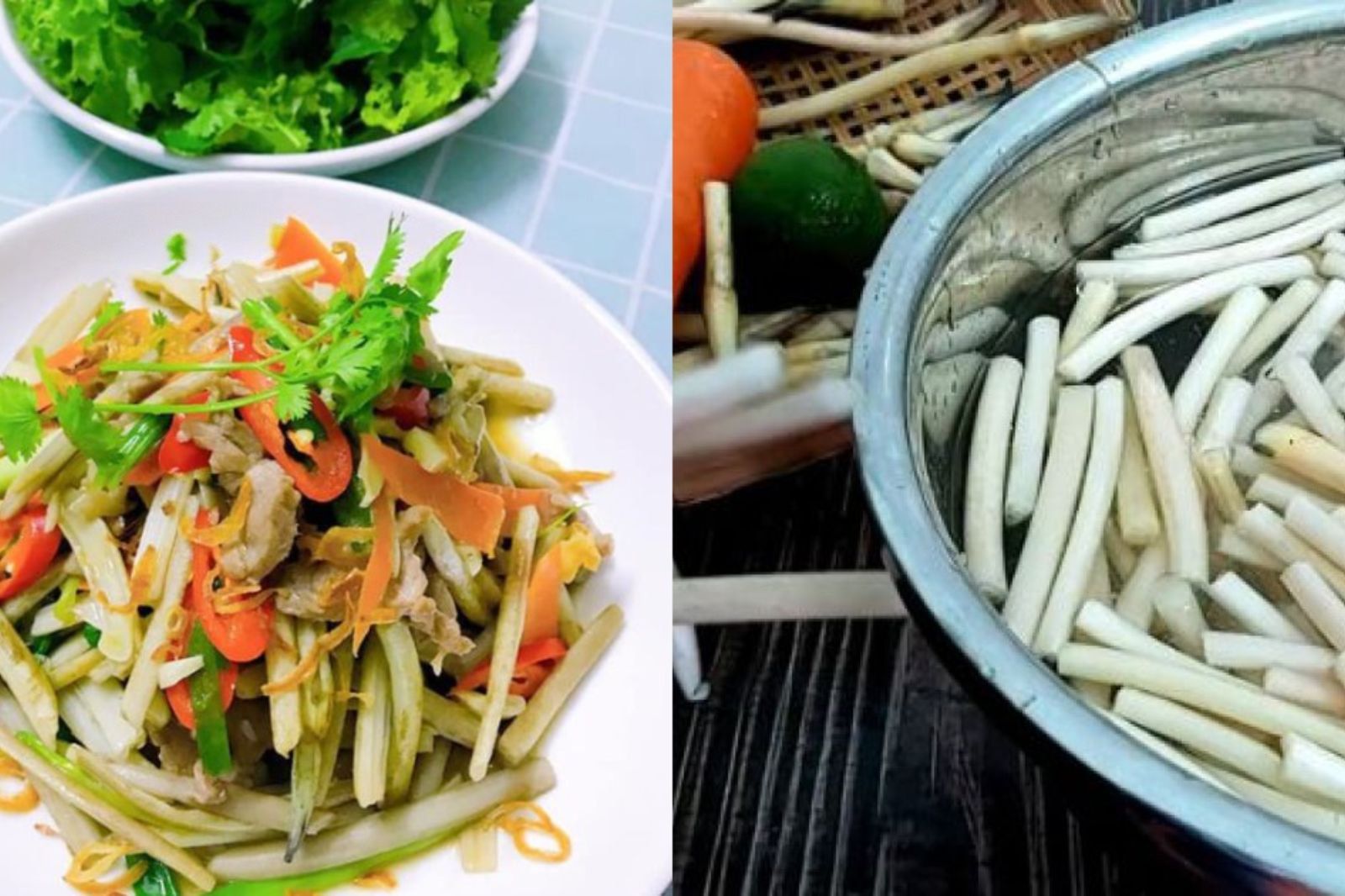
In terms of nutritional value, peanut worms contain protein along with many minerals and vitamins, including calcium, zinc, manganese, and vitamins A and B. Their scarcity, harvesting difficulty, and meticulous preparation make this specialty quite expensive: fresh peanut worms cost around 1.2–1.5 million VND/kg, while the dried type can reach 3.8–5 million VND/kg. At restaurants, a prepared peanut worm dish usually costs around 250,000–300,000 VND.