Discovering Hue Pandan-Wrapped Phu The Cake – A Meaningful Traditional Delicacy

Central

Thua Thien Hue

Sovaba.travel

Updated at: 02/10/2026

1. The origin of Phu The cake

Phu The cake is not an ordinary treat; it comes with a historical story associated with the Ly Dynasty over 800 years ago. According to legend, in 1225, King Ly Anh Tong led his army to fight invaders on the northern border. His young wife, feeling deeply for her husband's hardships on the battlefield, personally went into the kitchen to make cakes from glutinous rice flour, mung beans, and shredded coconut. She sent the cakes via messengers to the front lines, and miraculously, the cakes maintained their chewy texture without spoiling after the long journey. Upon receiving them, the King was deeply moved by his wife's devoted affection and named the cake "Phu The" (Husband and Wife) – symbolizing a strong, inseparable bond like the chewy outer layer wrapping around the sweet filling.
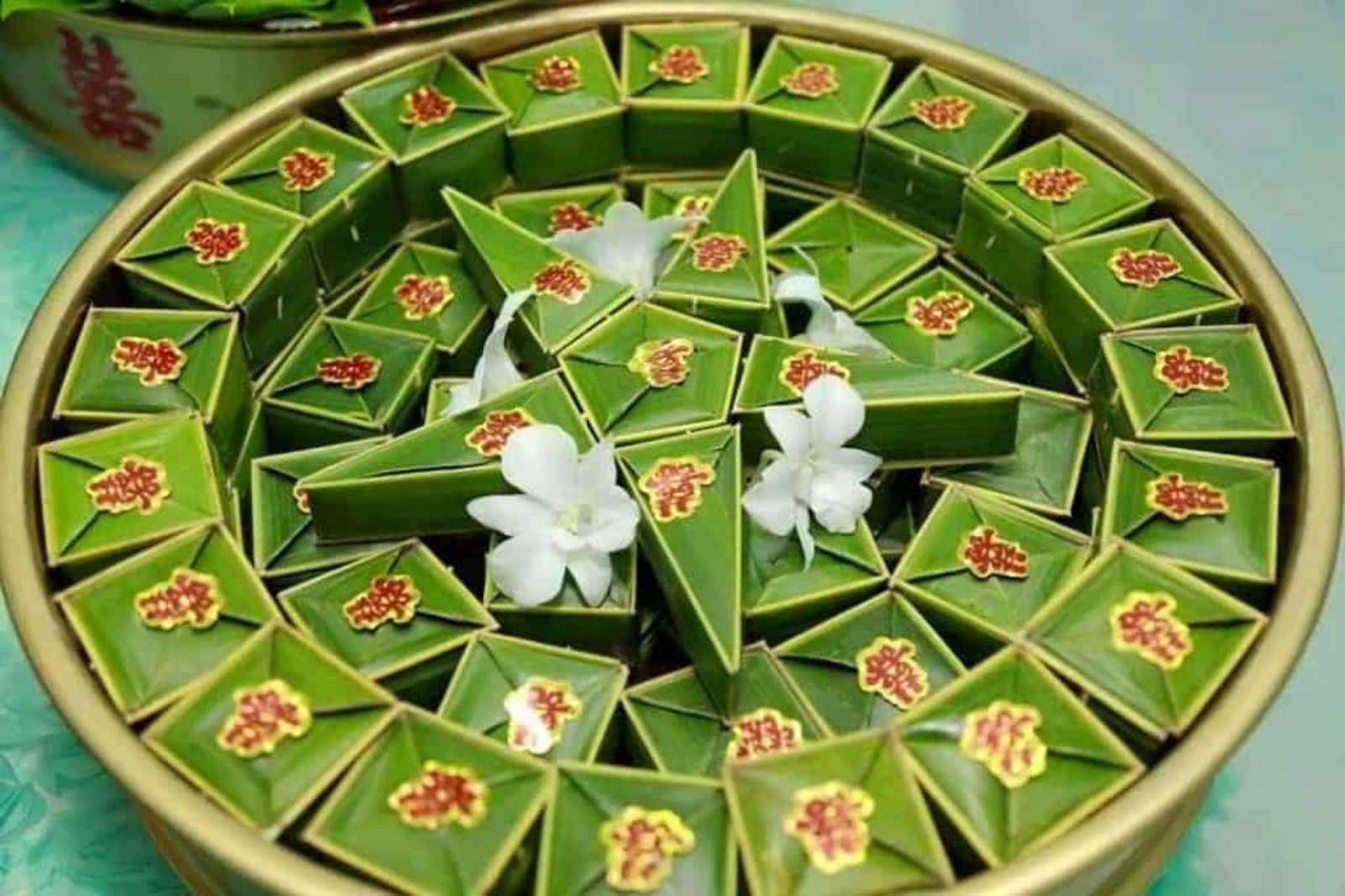
Phu The cake wrapped in pandan leaves
Photo: Phu The cake wrapped in pandan leaves  

Initially, Phu The cake was first made in Dinh Bang village (Bac Ninh), a place closely tied to the Ly Dynasty, and was often used as royal offerings or during engagement ceremonies in Hanoi. Later, the cake "migrated" to Hue through merchants and the Nguyen royal court, where it was adapted to suit Central Vietnamese tastes. The Hue version of Phu The cake wrapped with pandan extract stands out with its vibrant green casing from pandan leaf juice, wrapped in fresh coconut leaves instead of Dong leaves as in the North, creating a signature aroma and harmonious color symbolizing the freshness of love. Today, the cake is not only a local specialty but also a popular gift for Tet or festivals, preserving the soul of Vietnamese culture through every chewy layer of dough.
2. The cultural significance of Phu The cake

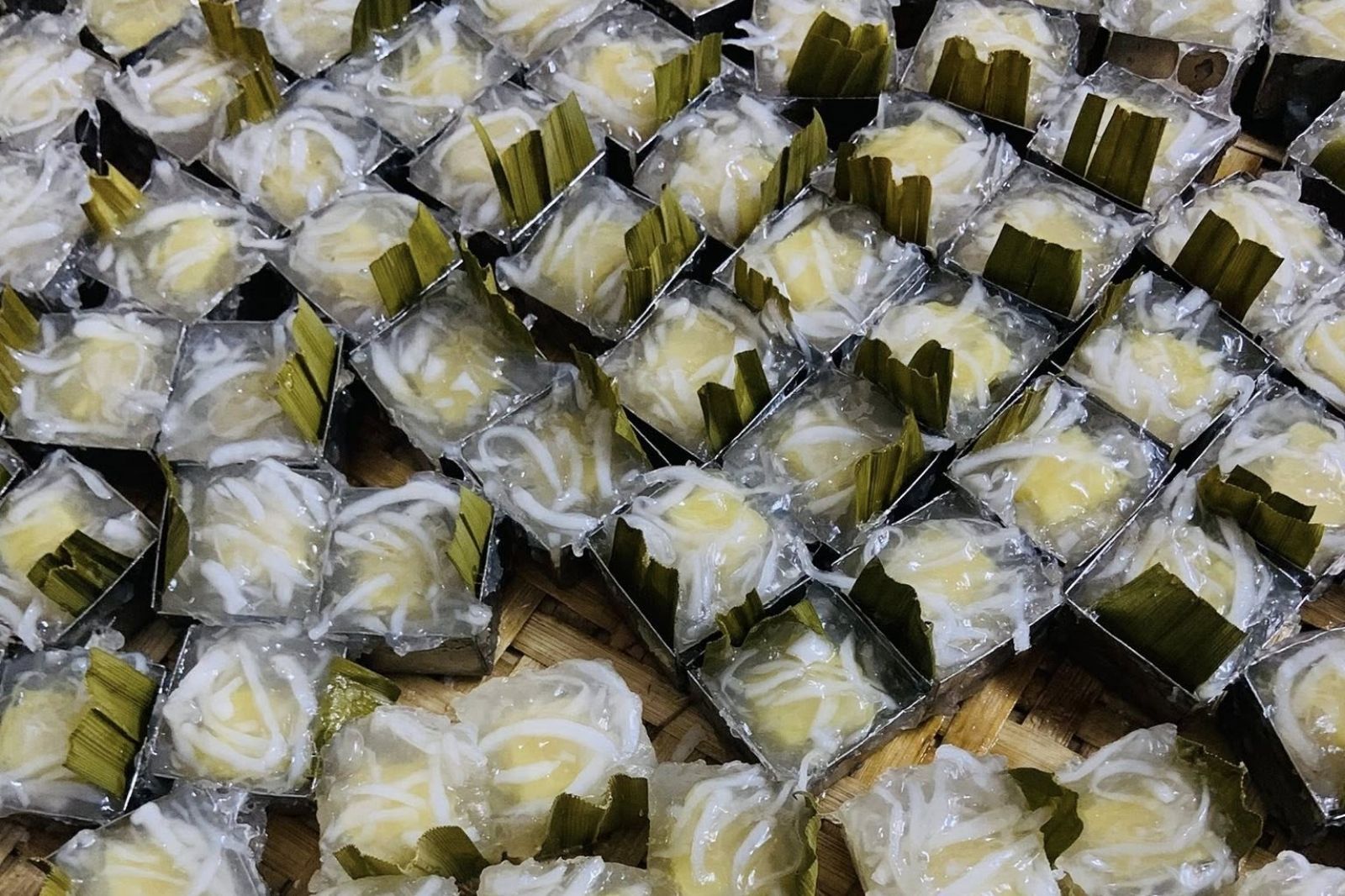
The name "Phu The" (husband and wife) says it all: the cake represents faithful, devoted, and steadfast marital love. The resilient outer shell tightly wraps around the sweet filling, much like how a woman cherishes and protects her husband and children through all hardship. In Hue culture, where cuisine is closely linked to life philosophy, Xu Xe cake (Phu The cake) also embodies the colors of the Five Elements: white from tapioca starch (Metal), yellow from mung beans (Earth), green from pandan leaves (Wood), red from the binding string (Fire), and black from the bamboo ribbon (Water) – symbolizing balance and fulfillment in marriage.

Beyond its symbolic meaning, the cake is an indispensable part of traditional weddings. In Hue, couples often use Phu The cakes as engagement gifts, conveying blessings for a long-lasting married life. 

3. Why is Hue's Phu The cake wrapped in pandan leaves?

In reality, Hue Phu The cake is usually wrapped in boxes woven from coconut leaves, rather than pandan leaves as some mistaken names suggest. Coconut leaves are woven into small square boxes, keeping the cake fresh, cool, and giving it a signature shape. However, pandan leaves play an important role in imparting color and aroma to the cake shell. Fresh pandan leaves are squeezed for juice, mixed into the dough to bring out a natural green color and enticing scent, making the cake not only visually appealing but also supple for longer. The reason for using pandan leaves in Hue stems from the abundant availability of this ingredient in Central Vietnam, while taking advantage of the leaves' natural properties to avoid chemical food coloring. This not only enhances nutritional value but also preserves traditional identity, setting Hue Phu The cake apart from other regions.

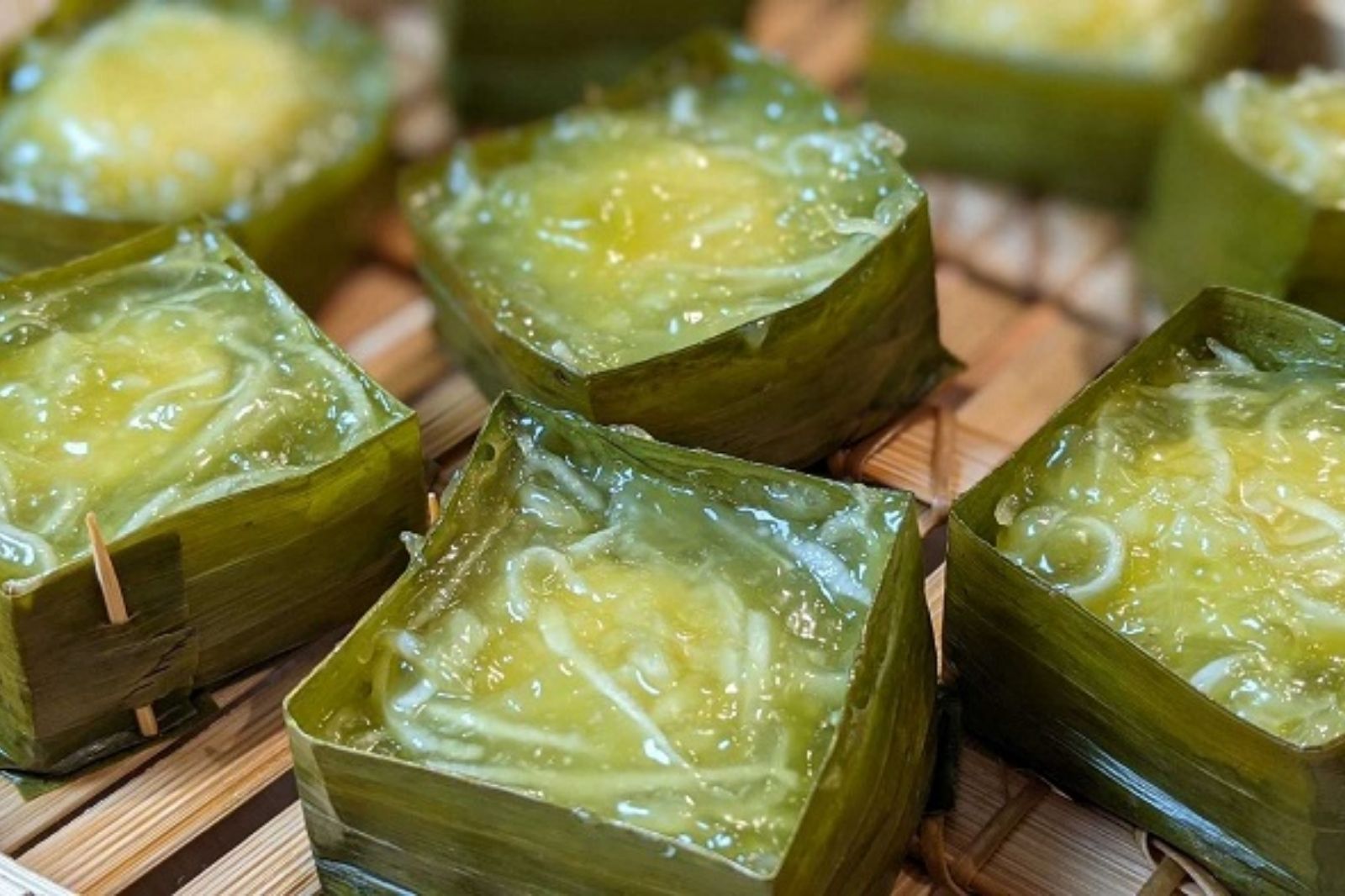
Phu The cake has a delicious flavor made from natural ingredients
Photo: Phu The cake has a delicious flavor made from natural ingredients 

4. Traditional ingredients for Hue's pandan leaf-wrapped Phu The cake

To craft an authentic Hue pandan Phu The cake, the ingredients must be carefully selected, mainly from natural sources. The main ingredients include:

  • Cake shell: Tapioca starch (about 200g for 10 cakes), white sugar (100g), fresh pandan leaf extract (to create green color and aroma), a splash of coconut milk for richness.
  • Filling: Husked mung beans (150g), shredded coconut (100g), granulated sugar (80g), and sometimes shredded green papaya to add crunchiness.
  • Sub-materials: Coconut leaves for weaving boxes, banana leaves for lining (if coconut leaf boxes are not used), and a little cooking oil to prevent sticking.

All ingredients must be fresh without preservatives to ensure the cake retains its natural flavor. The ingredient amounts can be adjusted to taste, but the ratio of tapioca starch to pandan leaf extract is the key to a pliable shell that does not harden.

5. Where to buy delicious Phu The cake in Hue

Travelling to Hue without trying pandan-wrapped Phu The cake is a true waste! Below are top reliable addresses:

  • Thuan Phu The Bakery: Nguyen Thien Thuat Street, Thuan Hoa, Hue, Hue City
  • Dong Ba Market (Hue): Buy directly from traditional family stalls, affordable price around 30,000 VND/box, freshest quality.
  • Sau Thi Phu The Bakery: GHJ5+PX6, An Thanh, Quang Dien, Hue City
Visitors can buy cakes at the market or local production facilities
Photo: Visitors can buy cakes at the market or local production facilities  

Hue pandan Phu The cake is not just a traditional folk sweet treat, but also a symbol of faithful love and the strong bond of marital bliss. With its pleasing green hue from pandan leaves, the chewy and nutty mung bean taste blended with rich fragrant coconut, this small cake has become a sweet memory in the lives of Hue people. Today, Phu The cake appears not only in weddings and major events, but also serves as an elegant gift conveying messages of love. If you have the chance to visit Hue, do not forget to try this traditional cake to experience the soul of the ancient capital's cuisine.

Loading......

Featured destinations