Discovering Minh Hoa Com Boi: Quang Binh's Unique Taste of Home
Central
Quang Binh
Sovaba.travel
Updated at: 24/09/2026
1. What is Minh Hoa "com boi"? The "soul" of the dish
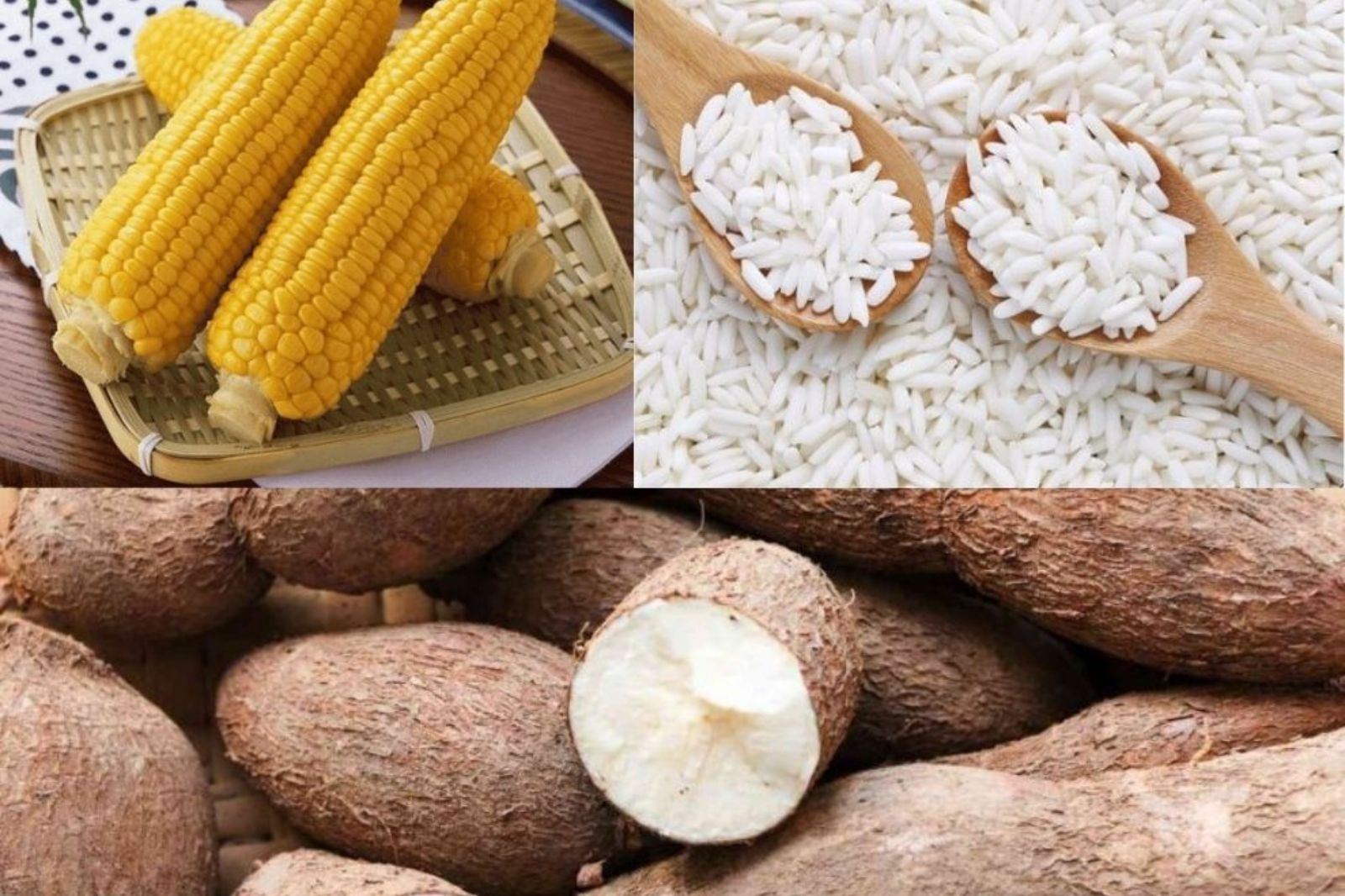
Com boi has existed for generations, closely associated with the lives and farming practices of the Chut and Nguon ethnic groups. This dish stands as a testament to their creativity and ability to make the most of available food sources from their hill farms, such as corn, cassava, upland rice, and sometimes beans.
The "soul" of com boi also lies in its rustic, authentic flavor, reminiscent of cozy family meals. The nutty richness of corn, the subtle sweetness of cassava, blended with the sticky fragrance of glutinous rice create a harmony of natural flavors that captivates anyone who tastes it.
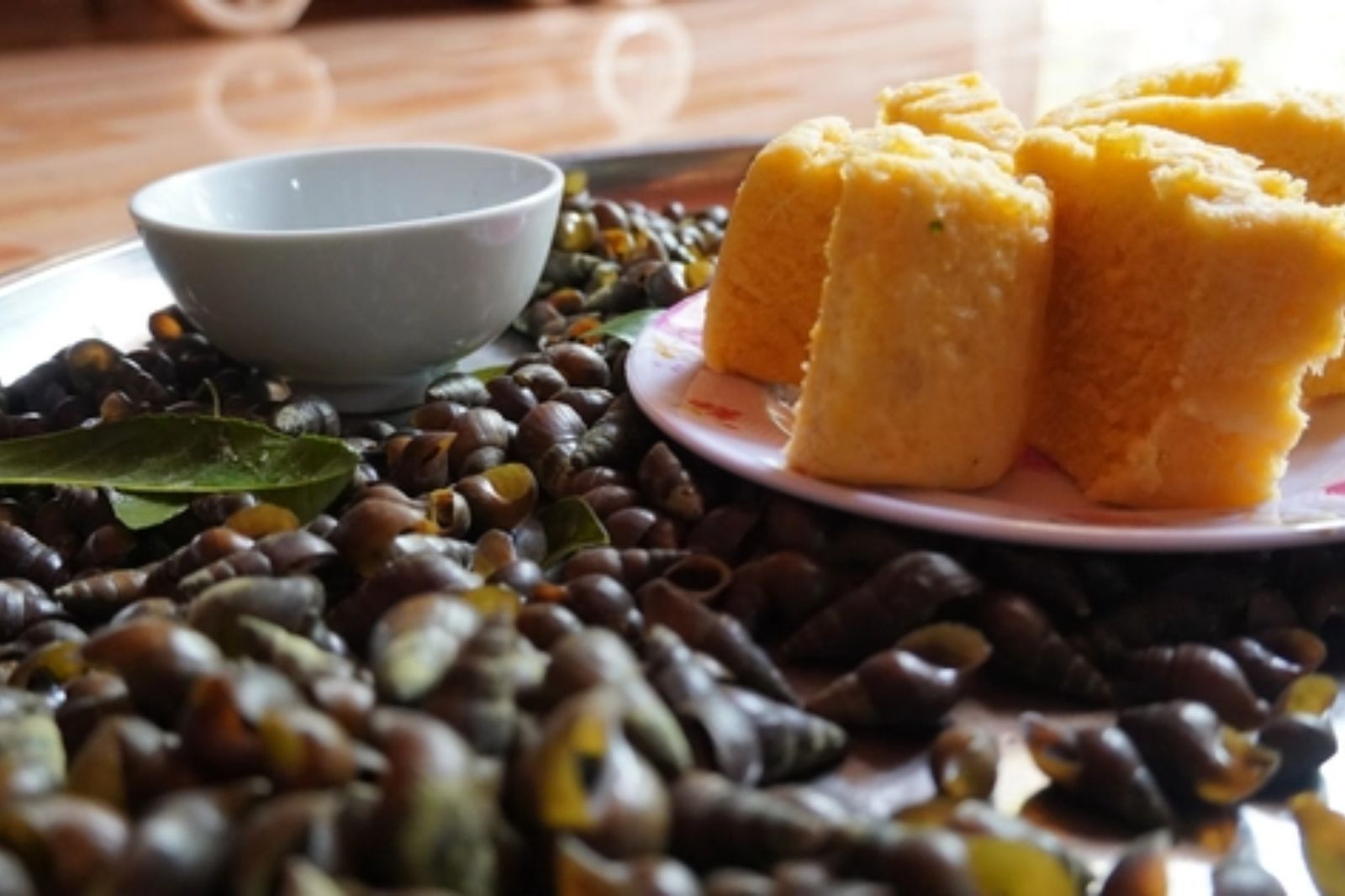
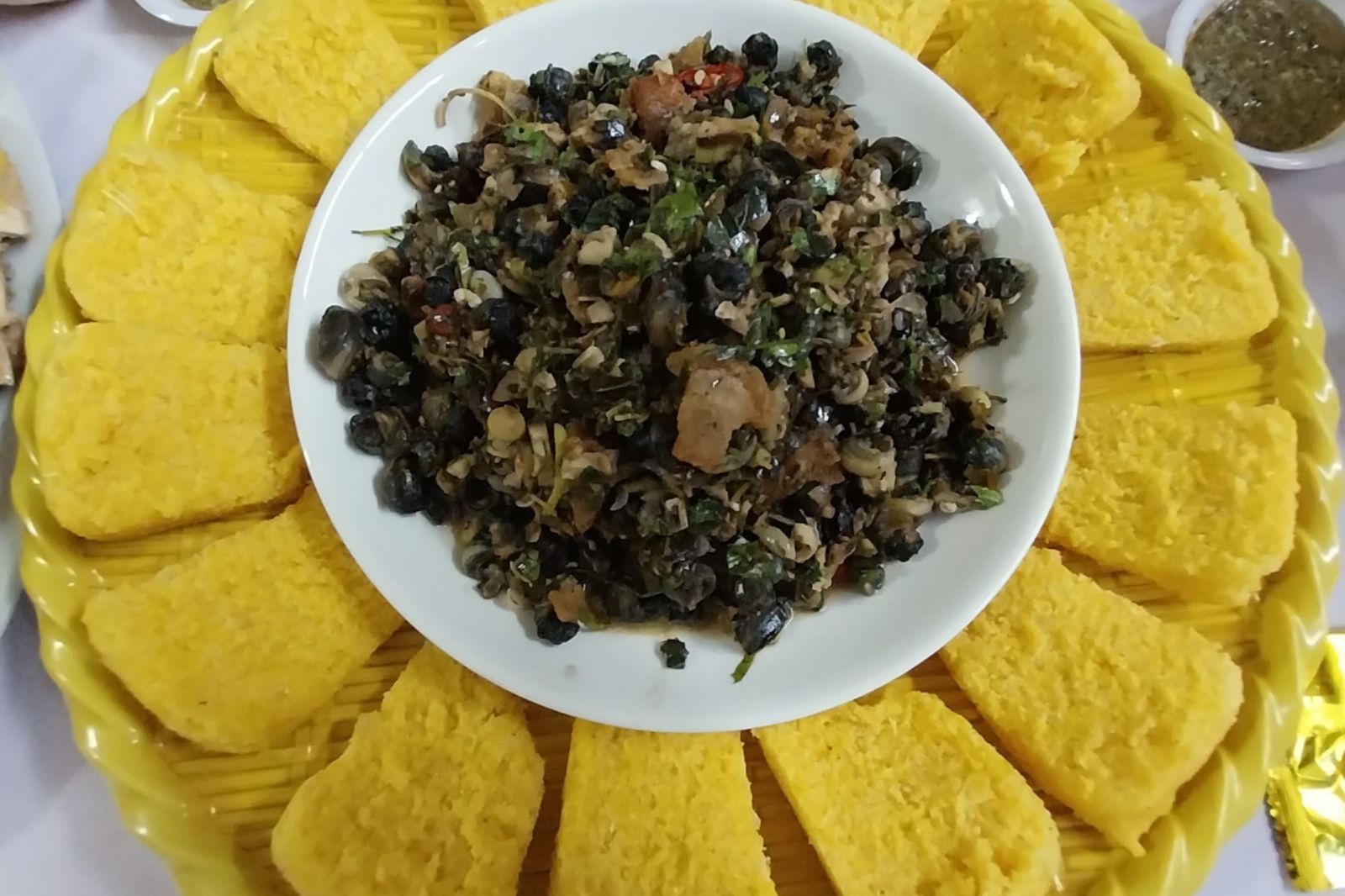
Com boi is often served with other rustic dishes such as boiled wild vegetables, vegetable soup cooked with stream fish, rock snails, or wild game meat. This combination creates a meal rich in mountain flavors, reflecting the locals' close bond with nature.
2. Ingredients and preparation of "com boi"
To fully understand this special dish, let's explore its simple yet surprising ingredients and the traditional preparation process.
Ingredients - The Essence of Hill Farms
The "soul" of com boi lies in the skillful combination of locally available grains:
Corn (Maize): Usually glutinous corn or mature flint corn, dried, shelled, soaked in warm water to soften, and then ground into flour. Corn flour brings a characteristic rich, sticky texture to com boi.
Cassava (Manioc): Fresh cassava is peeled, grated into shreds or thinly sliced, then pressed firmly to remove bitter sap. After processing, cassava is mixed with corn flour, contributing a gentle sweetness and stickiness to the dish.
Glutinous Rice (Optional): In some areas or depending on preference, a little ground glutinous rice flour can be added to enhance the stickiness and aroma of com boi.
Water: Clean water is used during the kneading process and for steaming or baking com boi.
Banana Leaves or Bamboo Tubes (Depending on preparation method): Fresh banana leaves are used to wrap com boi before steaming. Fresh bamboo tubes, with their inner silky lining intact, are used for baking, creating a distinct aroma.
Photo: The soul of com boi lies in the skillful combination of locally available grains
Preparation Method - Secrets Passed Down Through Generations
Although the preparation method of com boi is simple, it requires meticulous attention and experience from the cook:
Preparing the flour: After preliminary processing, corn is pounded or finely ground into flour. Cassava, after pressing out water, is also mixed with corn flour and continuously pounded or ground until the mixture becomes smooth and well-blended. The ratio between flours can vary according to each family's taste and experience.
Kneading dough: The mixture of corn flour, cassava (and possibly glutinous rice flour) is kneaded with an appropriate amount of water to form a pliable dough, neither too dry nor too wet.
Wrapping or inserting into bamboo tubes:
Wrapped in banana leaves: Fresh banana leaves are washed and softened over fire. A suitable amount of dough is placed on the leaf and wrapped tightly into a cylinder or flat rectangle.
Inserted into bamboo tubes: Fresh bamboo tubes are washed clean. The dough mixture is stuffed tightly inside the bamboo tube, then banana leaves or leaf plugs are used to seal both ends.
Steaming or baking:
Steaming: The banana leaf packages of com boi are arranged in a steamer basket and steamed over boiling water for about 30 - 45 minutes until evenly cooked, releasing a signature aroma.
Bamboo tube baking: The bamboo tube filled with com boi is placed at an angle over an open fire or hot embers, turned constantly so the dish cooks slowly without burning. The baking process usually takes about 45-60 minutes, until the distinct aroma of com boi and bamboo can be smelled.
Enjoying: Once cooked, com boi can be eaten warm or allowed to cool. When eating, people usually peel away the banana leaves or split open the bamboo tube to extract the rice inside. Com boi has the rich taste of corn, the gentle sweetness of cassava, and a characteristic sticky aroma. It is often served with rustic side dishes like boiled stream snails, grilled fish, boiled wild greens, and rich local dipping sauces.
Photo: Com boi is often served with rock snails
With simple ingredients and rustic preparation, Minh Hoa com boi carries a whole story of ingenuity, resourcefulness, and the unique culinary cultural identity of this land and its people.
3. Savoring "com boi" and its traditional values
More than just a dish, com boi is a cultural symbol of the ethnic minority people of Minh Hoa, closely tied to their daily meals, farm trips, festivals, and family reunions. This rustic dish demonstrates diligence, creativity, and a love for nature through every step of meticulous hand preparation.
In the context of a changing modern society, enjoying com boi is not only a culinary experience but also a way to preserve and promote traditional values. This dish serves as a reminder of roots, unique community cultural identities, and acts as a bridge between past and present. Tasting Minh Hoa com boi is not merely a delicious meal, but also an opportunity to gain deeper insight into the culture, history, and community spirit of the Chut and Nguon ethnic groups. It is a culinary experience deeply rooted in traditional and humanistic values.
Photo: Com boi is a cultural symbol of the ethnic minorities in Minh Hoa
As the rich, nutty aftertaste of com boi slowly melts on the tongue, what remains is not just a sense of fullness, but also an affection for a simple dish that holds a treasure trove of culture. Minh Hoa com boi is not only a unique culinary specialty but also a bond connecting people to nature, to the community, and to fine traditional values. The journey to discover this rustic flavor will surely be a memorable experience, enriching your exploration of Quang Binh. And to discover more fascinating things about Quang Binh cuisine and tourism, keep following Sovaba Travel.