|

Back Home

Discovering Thanh Ha Pottery Village: The Beauty of a 500-Year-Old "Terracotta Heritage"

Central

Da Nang

Sovaba.travel

Updated at: 28/08/2026

1. Introduction to Thanh Ha Pottery Village

Thanh Ha Pottery Village is located in Hoi An Tay Ward (formerly Thanh Ha Ward), Da Nang City, nestled along the romantic Thu Bon River, about 3 km west of Hoi An Ancient Town. This craft village was established in the 16th century, closely associated with the Thu Bon River—the source of high-quality clay for pottery making. Today, Thanh Ha Pottery Village is not only a production site for handcrafted goods but also a prominent cultural tourism destination, with Thanh Ha Terracotta Park at its center. This place preserves traditional values while integrating modern elements to conserve and promote ancient pottery crafts. The craft village was recognized as a National Intangible Cultural Heritage in 2019, contributing to the sustainable tourism development of Hoi An.
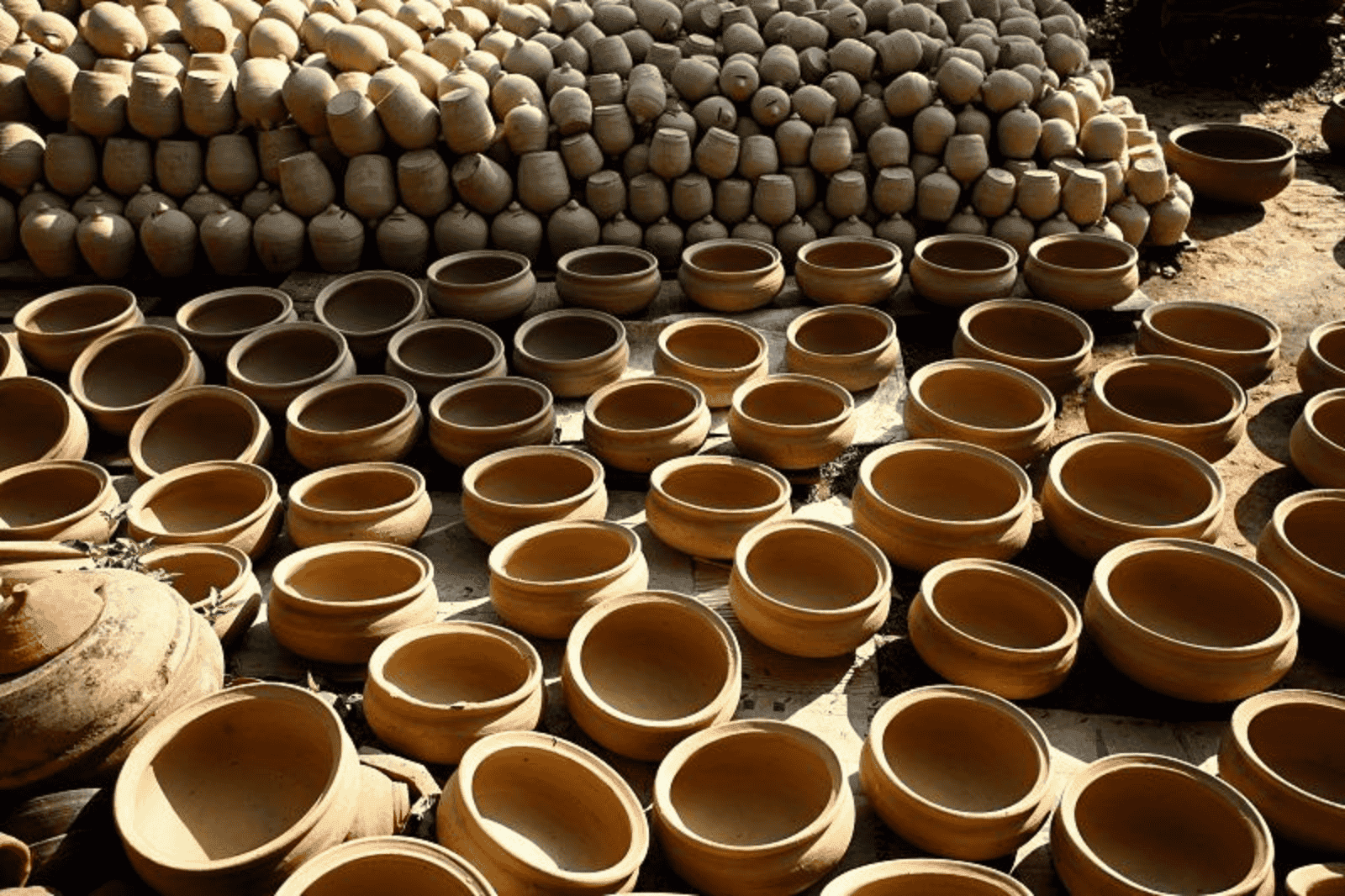
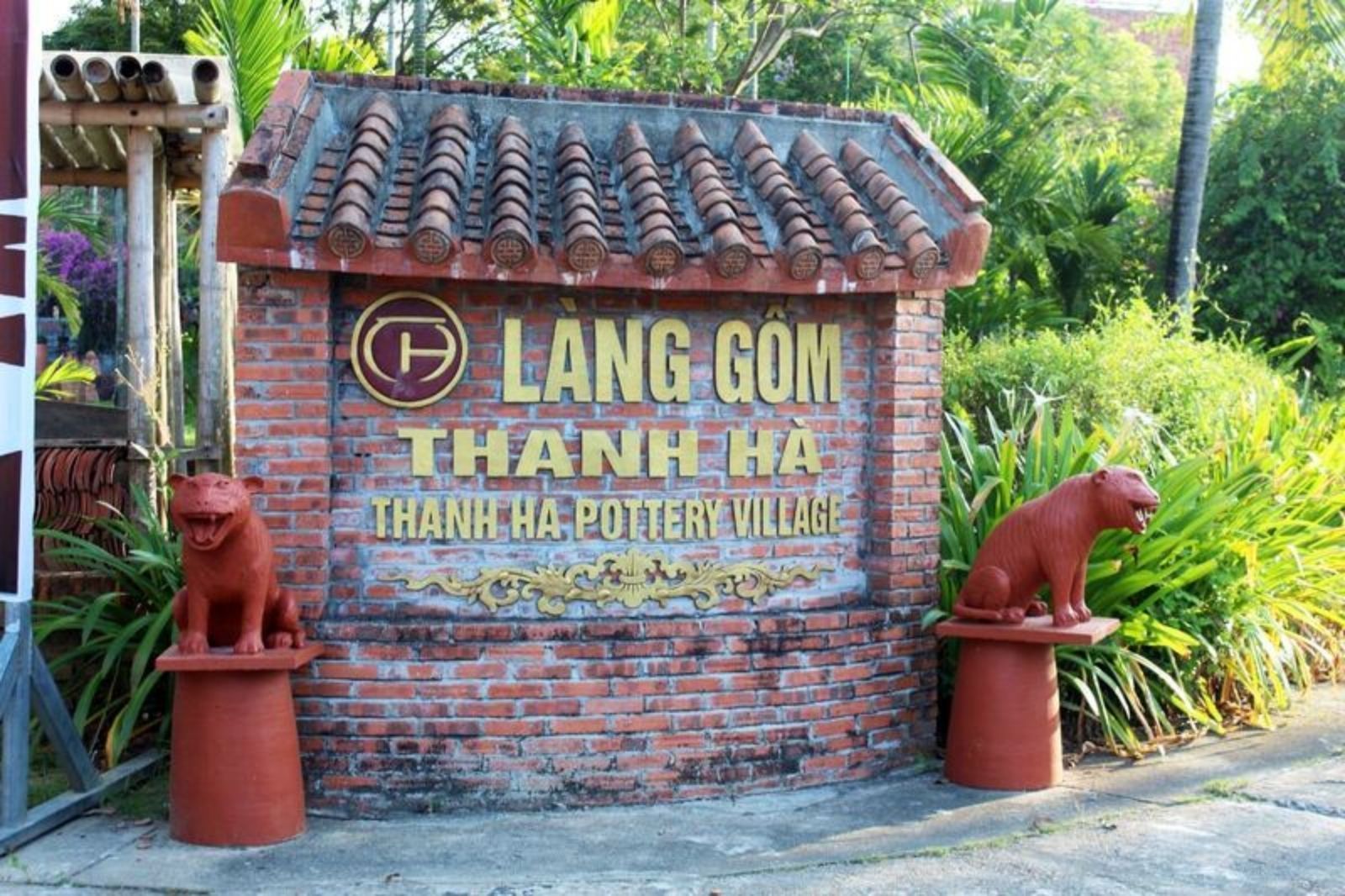
Thanh Ha Pottery Village has existed for 500 years
Photo: Thanh Ha Pottery Village has existed for 500 years 

2. History and Development of Thanh Ha Pottery Village

The history of Thanh Ha Pottery Village dates back to the 15th century when artisans from Northern Vietnam, particularly from Thanh Hoa, migrated to Hoi An bringing along traditional pottery techniques. They combined these with the red-brown clay along the Thu Bon River to create initial products serving daily life, such as bricks, tiles, and household utensils. By the 17th and 18th centuries, alongside the prosperity of the Hoi An trading port, the craft village flourished, and its products were widely traded domestically and exported to Southeast Asian countries.

However, from the 19th century, when the Hoi An trading port declined, the craft village entered a difficult period. By the late 20th century, thanks to conservation efforts, the village was recognized as a historical site in 1997 and a National Intangible Cultural Heritage in 2019. Today, the village combines experiential tourism and holds the Ancestor Commemoration Festival on the 10th day of the first lunar month, keeping the flame of the traditional craft alive across generations.

The pottery village is recognized as an intangible cultural heritage
Photo: The pottery village is recognized as an intangible cultural heritage 

3. What makes the traditional pottery art of Thanh Ha so special?

The art of Thanh Ha pottery stands out for its simplicity and warmth, distinguishing itself from other pottery villages like Bat Trang. Its defining feature is the absence of chemical glazes or vibrant synthetic colors; instead, it retains the natural hue of fired clay—reddish-brown, pink, or black—achieved through firing in traditional wood kilns at low temperatures. The products possess a rustic, durable quality that reflects the cultural life and soul of the people of Quang Nam.

In addition, the village preserves historical relics such as the village communal house and Nam Dieu Shrine, dedicated to the Fire Deity and Earth Deity. Traditional festivals with palanquin processions and folk games further highlight its intangible cultural value. This art form is not merely a handicraft, but a connection between humans and nature, using clay from the Thu Bon River as the main material to create unique works rich in artistic value.

4. The handmade pottery-making process at Thanh Ha Pottery Village

The pottery-making process in Thanh Ha is entirely done by hand, passed down through generations, consisting of the following key steps:

  • Selecting and harvesting clay: Using red-brown clay from the banks of the Thu Bon River, carefully selected to ensure quality.
  • Kneading clay: The clay is kneaded thoroughly by hand or foot until reaching the required plasticity, removing all impurities.
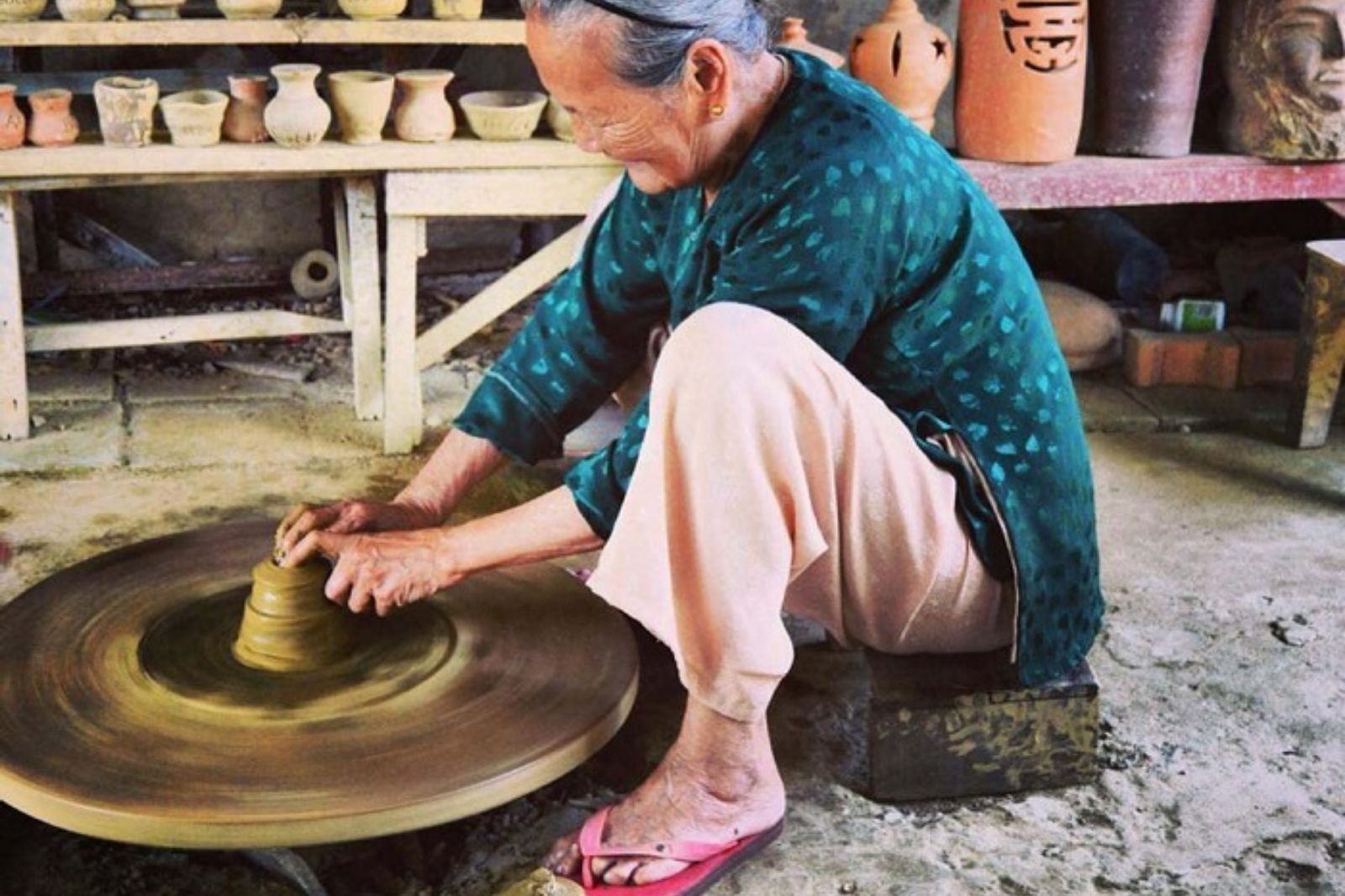
  • Shaping: Using a traditional potter's wheel to shape the pottery, requiring skilled technique and intense concentration.
  • Decorating and carving patterns: Patterns are drawn or carved by hand, carrying local cultural motifs.
  • Sun drying: Products are naturally dried under the sun.
  • Kiln firing: Fired in traditional wood kilns at temperatures around 700-800°C, creating natural colors without the need for glaze.

The entire process emphasizes meticulousness and patience, ensuring the products possess high durability and a rustic beauty.

Pottery artisan in Thanh Ha
Photo: Pottery artisan in Thanh Ha 

5. Hands-on pottery making with Thanh Ha artisans

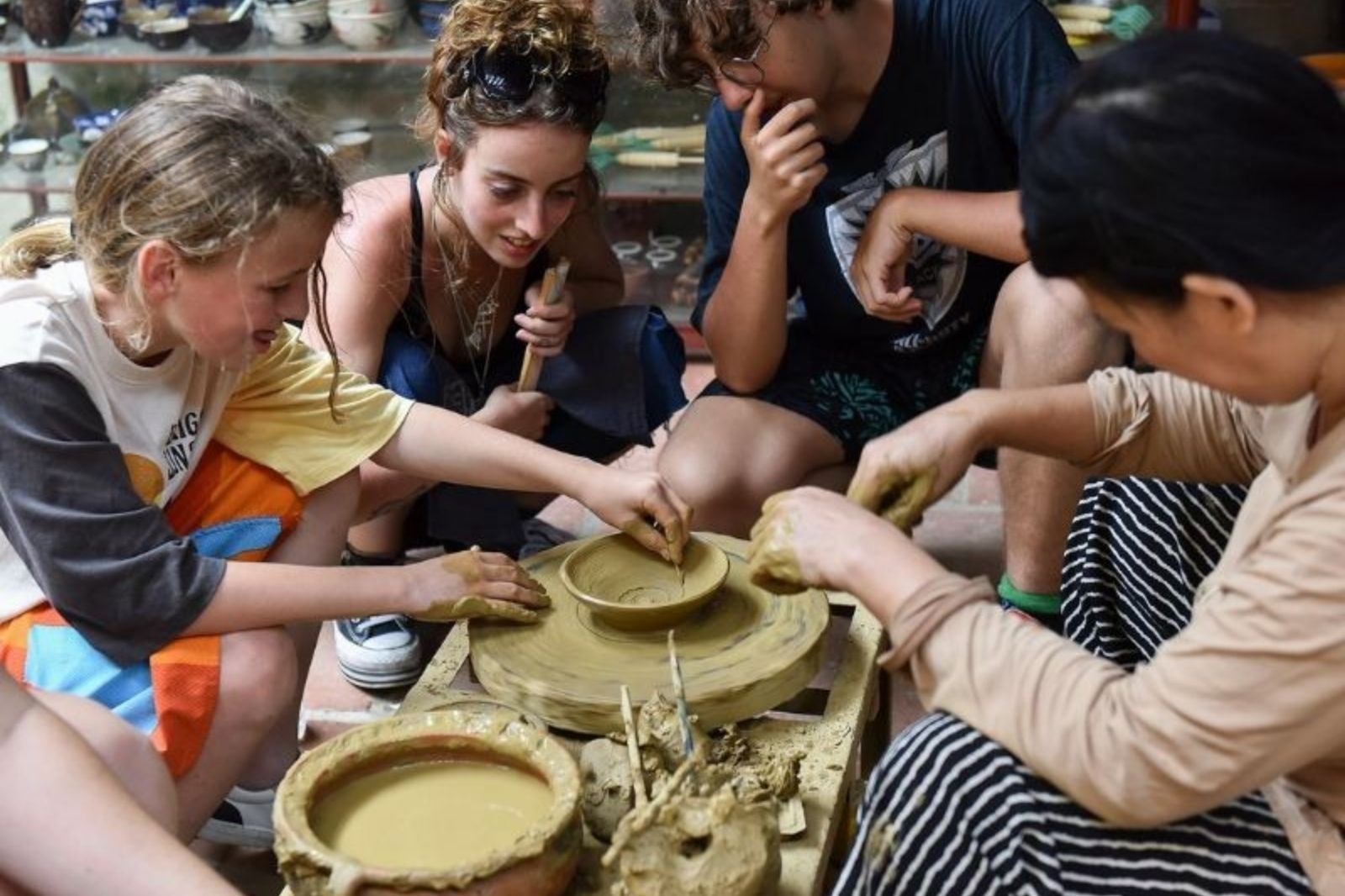
One of the most attractive experiences at Thanh Ha Pottery Village is the chance to craft pottery yourself under the guidance of skilled artisans. Visitors can participate in kneading clay, shaping pottery on the potter's wheel, and decorating their own products such as cups, flower vases, or small figurines. Once completed, your creation will be dried, fired, and delivered to you as a memorable souvenir.

This activity is not only fun but also offers a deeper understanding of the pottery craft, suitable for families, groups of friends, or solo travelers. The hands-on experience is usually included in the admission ticket, and you can interact with and learn stories from artisans who have kept the craft alive across generations.

6. Signature ceramic products of Thanh Ha Pottery Village

Thanh Ha pottery products are diverse, ranging from everyday utensils to works of art:

  • Household items: Bowls, tea sets, and flower vases featuring refined designs and natural reddish-brown tones.
  • Decorative items: Figurines, terracotta lanterns, reliefs, and bonsai pots.
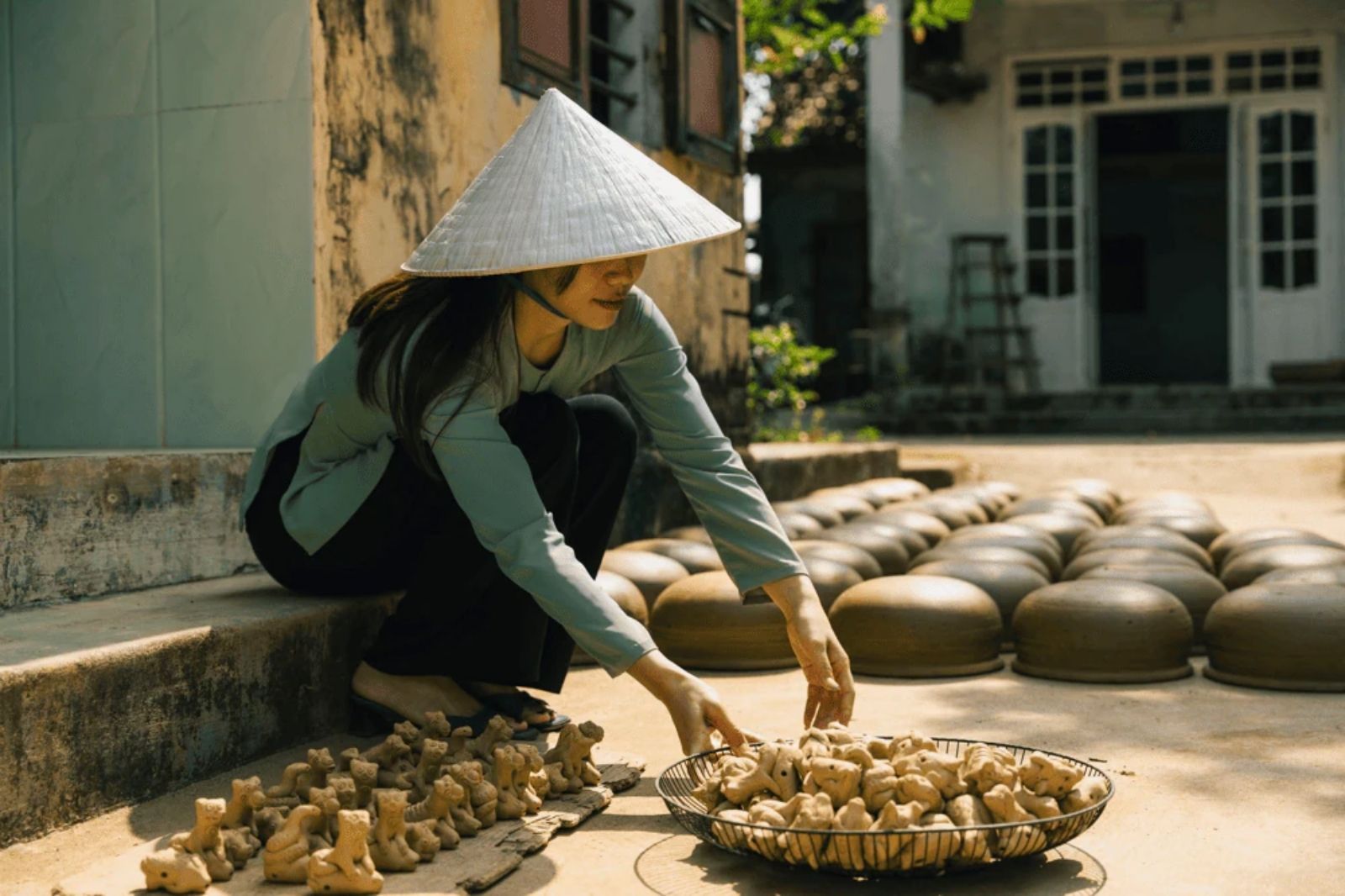
  • Signature products: Terracotta whistles (tò he), bricks, and tiles used in Hoi An's ancient architecture.
  • Modern art: Folding screens and sculptural statues reflecting Vietnamese cultural traits.

These products are not only durable but also safe and eco-friendly, making them popular souvenirs among tourists.

Products of Thanh Ha pottery village are very diverse
Photo: Products of Thanh Ha pottery village are very diverse  

7. Thanh Ha Terracotta Park

Thanh Ha Terracotta Park is the largest pottery park in Vietnam, spanning nearly 6,000m², built around 5 years ago (around 2021). The park is divided into 9 distinct zones: pottery kiln, terracotta market, craft village conservation area, art installation garden, Sa Huynh - Champa pottery zone, traditional craft villages zone, exhibition area, miniature world, and museum zone.

Here, visitors can admire thousands of terracotta works, including miniature models of world heritage sites such as the One Pillar Pagoda, Notre-Dame Cathedral of Paris, or Ho Chi Minh Mausoleum. It is an ideal spot for check-ins, photography, and learning about the history of Vietnamese ceramics.

8. Travel tips for visiting Thanh Ha Pottery Village

To make your visit to Thanh Ha Pottery Village go smoothly and meaningfully, travelers should keep in mind the following practical tips to optimize time, experience, and comfort throughout the journey:

  • Ideal time to visit: From February to August, when the weather is dry with mild sunshine. Avoid the rainy season from September to December. Visit on the 9th-10th day of the 7th lunar month to join the Ancestor Commemoration Festival featuring palanquin processions and folk games.
  • Opening hours and ticket fees: Open daily from 8:30 AM to 5:30 PM. Adult tickets are 35,000 VND, children tickets are 15,000 VND, which includes entry to the village, park, watching pottery making, and trying hands-on pottery making. Groups of 8 or more receive a free tour guide.
  • Transportation: From Hoi An Ancient Town, take a motorbike or bicycle along Hung Vuong - Duy Tan Road (about 10-15 minutes). Alternatively, take a boat trip along the Thu Bon River for scenic views.
  • Activities: Observe the pottery-making process, handcraft your own items, shop at the pottery market, and explore the park. Combine with nearby attractions such as the Covered Bridge or Hoi An Market.
  • Notes: Wear comfortable, easy-to-wash clothes (as clay can easily stain), bring hats and drinking water. Do not touch drying items, and respect the artisans' working space. Dining: Try cao lau or chicken rice at local eateries.
Pottery making experience at Thanh Ha pottery village
Photo: Pottery making experience at Thanh Ha pottery village 

Thanh Ha Pottery Village is not just a sightseeing stop, but a living sanctuary for the memories of a craft village with over 500 years of history, where every terracotta piece reflects the resilience of tradition and the creative spirit of Hoi An craftsmen. Visiting and experiencing activities here helps travelers gain a deeper understanding of intangible heritage values while contributing to preserving and spreading craft village culture in modern tourism. If you are looking for an exploratory, experiential journey with deep cultural learning, Thanh Ha Pottery Village is definitely a stop worth adding to your Hoi An itinerary.

Loading......

Featured destinations