Experience Making Traditional Bánh Ít with Locals

Central

Quang Tri

Sovaba.travel

Updated at: 24/09/2026

1. Introduction to ramie leaf sticky rice cake (bánh ít lá gai) and Quang Tri

When it comes to Central Vietnamese cuisine, few can overlook bánh ít lá gai (ramie leaf cake) – a rustic cake that embodies the essence of nature and the heart of the Vietnamese people. This cake is not merely a treat, but a story of a harmonious blend between traditional flavors and the deep cultural identity of Quang Tri.
Mon-banh-truyen-thong-mang-dam-hon-que-viet-nam.jpg
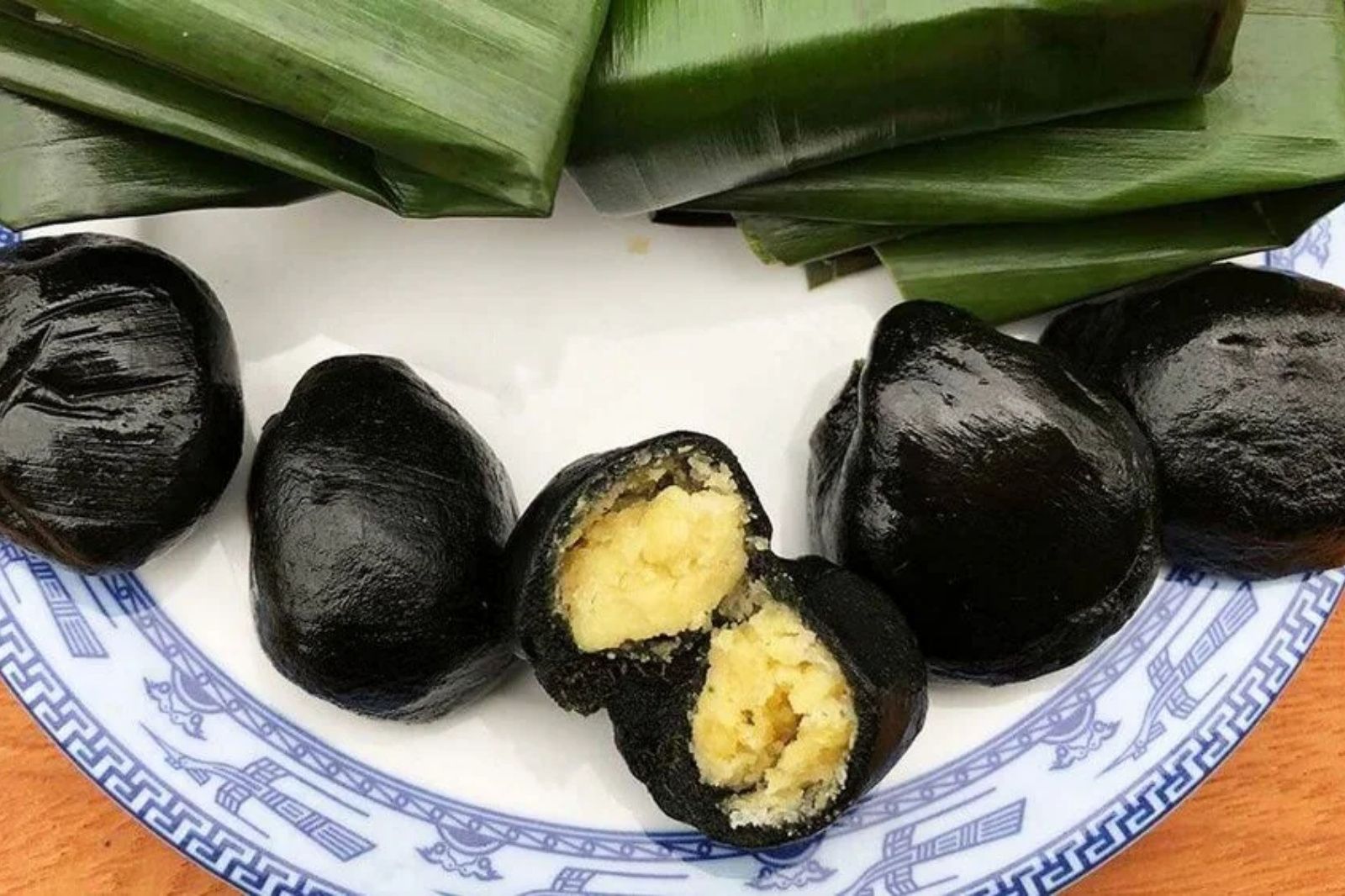
Photo: A traditional cake rich in the countryside soul of Vietnam

Unique characteristics of bánh ít lá gai

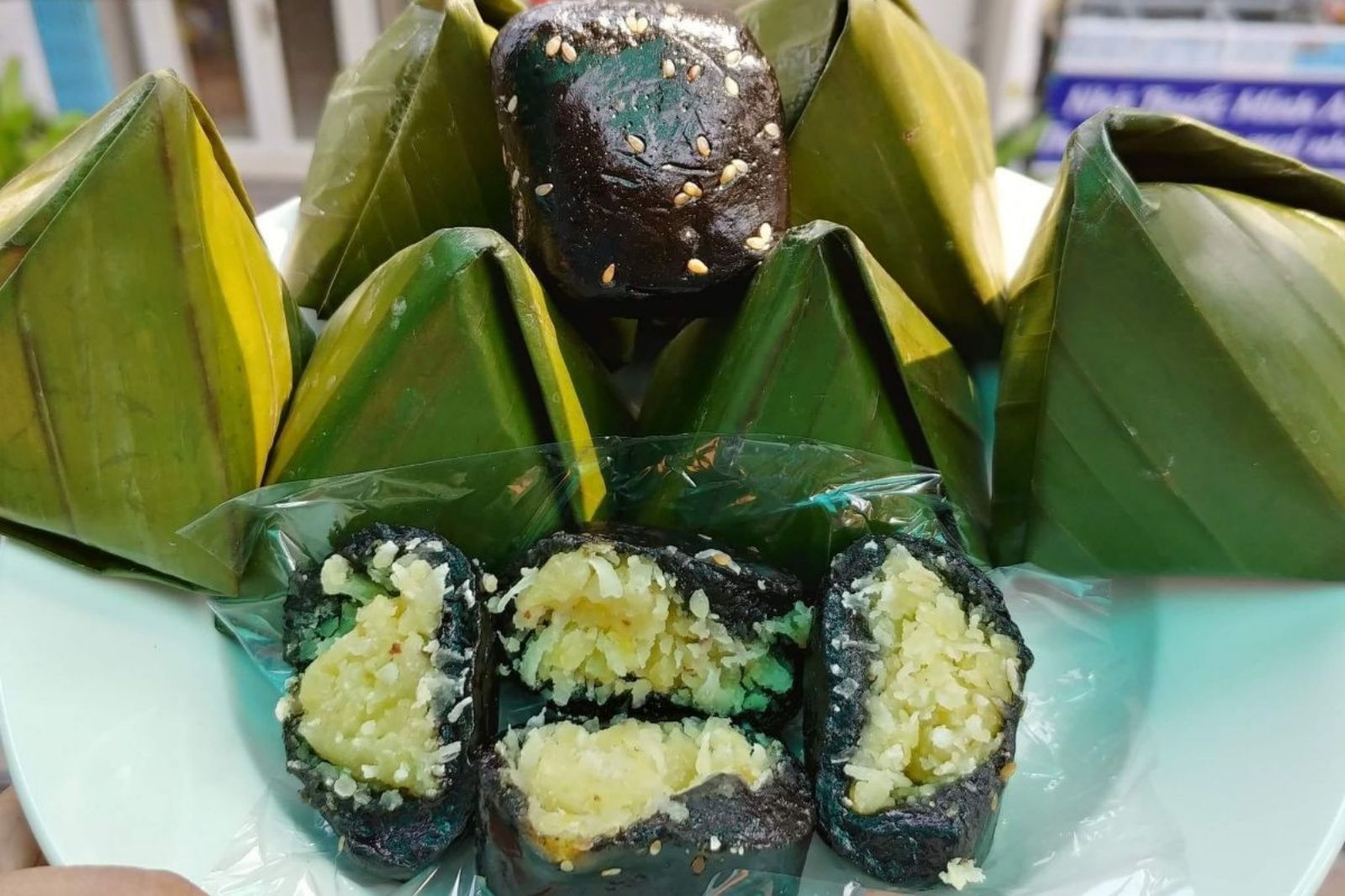
Bánh ít lá gai is a traditional cake rich in the countryside soul of Vietnam, especially popular in the Central provinces. More than just a simple cake, bánh ít lá gai is a subtle combination of taste and appearance, creating an irresistible attraction. The mild sweetness of the mung bean and coconut filling, blended with the chewy, rich glutinous rice crust and the distinct aroma of ramie leaves, all blend together to create an unforgettable taste experience. 

The highlight of bánh ít lá gai lies in its glossy black outer crust, made from finely ground ramie leaves, wrapped carefully in vibrant green banana leaves, creating a rustic yet appealing look. Compared to other types of bánh ít such as bánh ít trần, bánh ít lá gai stands out thanks to the natural flavor and color from ramie leaves, offering a unique touch that cannot be confused with anything else.

Quang Tri - Land of traditional flavors

Quang Tri, a heroic historic land, attracts visitors not only with its historical sites but also as a place preserving many unique culinary values. Among countless delicacies, bánh ít lá gai emerges as a symbol of the skillfulness, meticulousness, and affection of the local people. This cake is not only a rustic treat but is also associated with many festivals, ancestor worship ceremonies, and is an indispensable part of traditional banquets in Quang Tri.

Bánh ít lá gai is a traditional cake rich in the countryside soul of Vietnam, especially popular in the Central provinces. More than just a simple cake, bánh ít lá gai is a subtle combination of taste and appearance, creating an irresistible attraction. The mild sweetness of the mung bean and coconut filling, blended with the chewy, rich glutinous rice crust and the distinct aroma of ramie leaves, all blend together to create an unforgettable taste experience.
2. Experiencing making ramie leaf sticky rice cake with locals

Hands-on experience making bánh ít lá gai with hospitable Quang Tri locals will surely be a memorable souvenir. You will be warmly guided through every step, from the very first stages until the cake is complete.

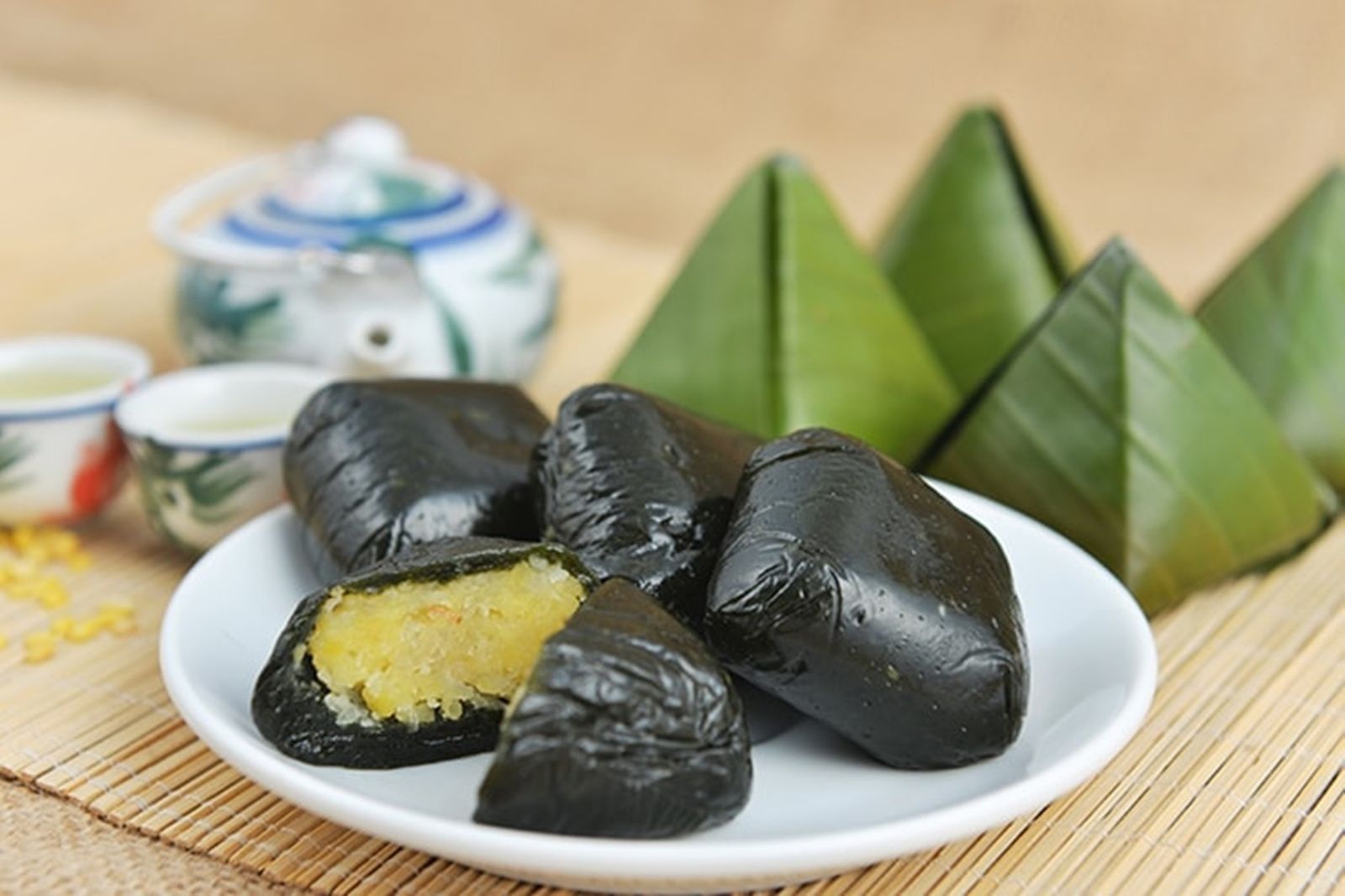
Attractive golden sweet filling
Photo: Attractive golden sweet filling

Preparing the ingredients

To make delicious bánh ít lá gai, selecting the ingredients plays an extremely important role:

  • Ramie leaves: Select fresh, green ramie leaves without pests. After harvesting, ramie leaves are washed clean, boiled soft, then pounded or finely blended to create the characteristic color and flavor for the crust.
  • Glutinous rice: The glutinous rice must be yellow flower glutinous rice or highland fragrant glutinous rice, soaked overnight to become soft.
  • Cake filling: Traditional filling for bánh ít lá gai is usually sweet, made from split mung beans, shredded coconut, and sugar. Mung beans are steamed, mashed smooth, then cooked down with coconut and sugar until the filling becomes thick and pliable.
  • Banana leaves: Banana leaves for wrapping should be fresh, large-bladed banana leaves. The leaves are passed over heat or dried under mild sunlight to soften so they are easy to wrap without tearing.
  • In addition, there are auxiliary ingredients such as cooking oil to prevent sticking to the dough and a pinch of salt to enhance the flavor.

Cake-making steps

Under the guidance of locals, you will manually perform the cake-making steps with care:

  • Making the dough: The pounded ramie leaves are mixed thoroughly with soaked and finely ground glutinous rice flour. The kneading process requires patience and dexterity so that the dough achieves a smooth, non-sticky texture with good elasticity. This step determines the softness and chewiness of the crust after steaming.
  • Making the filling: Steamed mung beans are well mixed with shredded coconut and sugar. This mixture is then cooked over low heat, stirring continuously until the filling thickens, becomes soft and pliable, and releases a signature aroma.
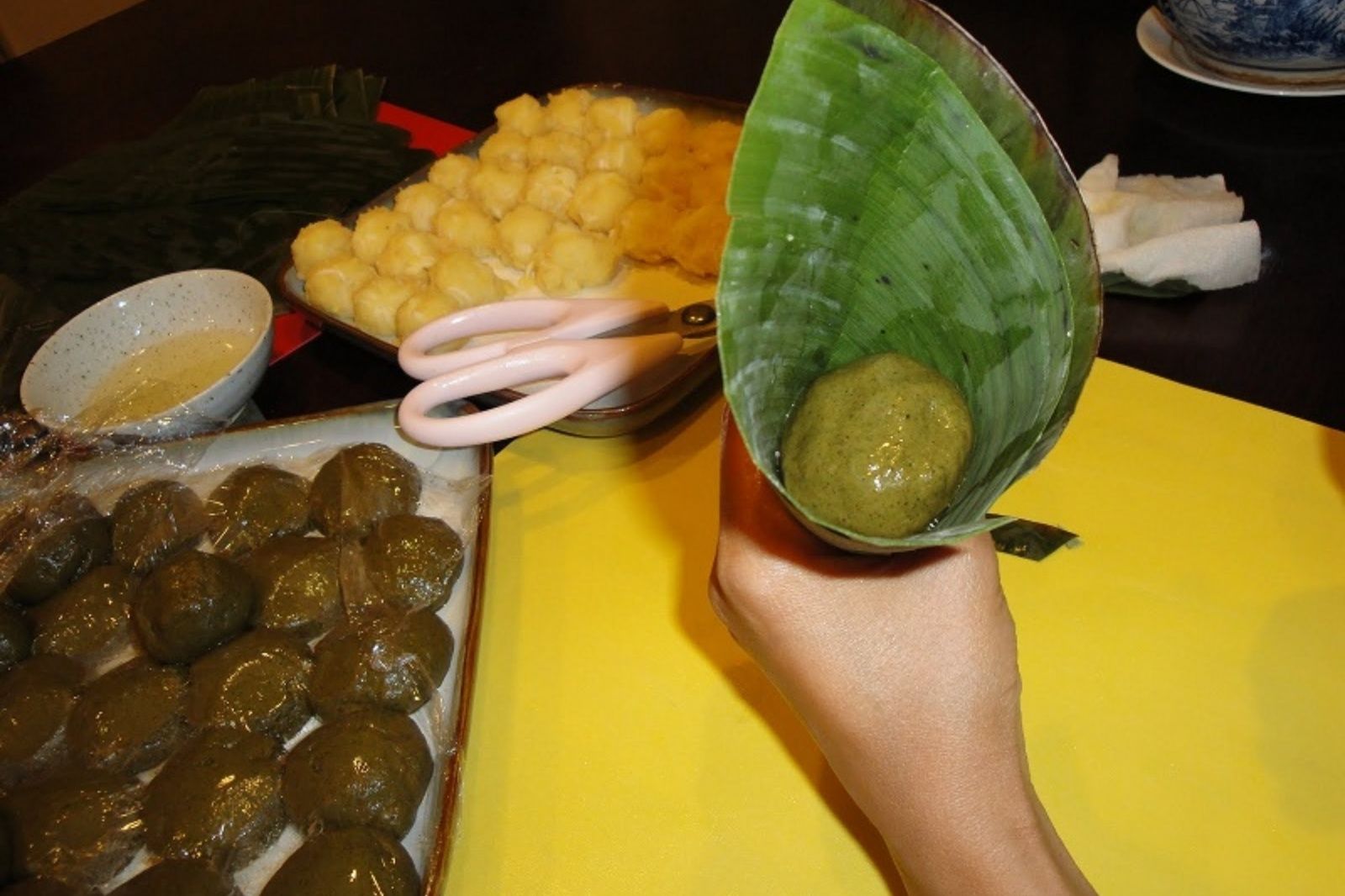
  • Wrapping the cake: This step requires skill and experience. Locals will guide you on how to take just the right amount of dough, flatten it, place filling in the center, and roll it into a ball or pyramid shape. Then, place the cake ball onto a banana leaf lightly brushed with oil, wrap it carefully so that the cake is neatly wrapped, secure, and visually pleasing. Each resident of Quang Tri seems to possess their own secret to wrap the cake beautifully and tightly.
The wrapping and finishing process of the cake
Photo: The wrapping and finishing process of the cake

Steaming and enjoying the cake

After wrapping, the bánh ít cakes will be placed into a steamer. Steaming time usually takes about 30-45 minutes, depending on the cake size. Once cooked through, the cake acquires a glossy black finish, plump appearance, and radiates the wonderful aroma of ramie leaves, glutinous rice, and mung beans.

What could be better than enjoying a hot, freshly steamed bánh ít lá gai still lingering with steam? The chewy crust and the sweet, rich filling melt in your mouth, combining to create an unforgettable culinary experience. The feeling of personally making and enjoying your own labor of love will make the cake taste twice as delicious.

3. Cultural significance and community values

Far beyond just a specialty, bánh ít lá gai in Quang Tri is also a vivid symbol of cultural beauty and the soul of the local people. This cake encapsulates traditional values, family affection, and invites visitors to share in the rustic rhythm of life here.

Bánh ít lá gai in the daily life of Quang Tri people

Bánh ít lá gai is not just a dish but also part of the soul of Quang Tri, deeply tied to the spiritual and cultural life of its people. This cake frequently appears on ancestral altars during holidays, death anniversaries, as well as celebration feasts and weddings. It symbolizes the dexterity, diligence, and warm feelings of Vietnamese women, a gift carrying the love mothers and grandmothers bestow upon their children.

Connecting with local culture

Experiencing making bánh ít lá gai with local people is a wonderful way for you to gain a deeper understanding of Quang Tri's culture and customs. You will hear stories about the cake, about the lives of local residents, and feel their friendliness and warm hospitality. This is not just a cooking class, but an opportunity to connect with and experience the simple, genuine rhythm of life in rural Vietnam. Through this, visitors are also encouraged to participate in more interactive cultural activities to make the trip even more meaningful.

Experiencing making bánh ít lá gai, exploring the life of Quang Tri people
Photo: Experiencing making bánh ít lá gai, exploring the life of Quang Tri people

The experience of making traditional sweet-filled bánh ít lá gai with locals in Quang Tri is an exciting and meaningful journey. You not only learn how to make a delicious cake but also immerse yourself in a cozy cultural space, gaining a better appreciation for traditional foods. Bánh ít lá gai is truly a piece of Quang Tri's soul, a symbol of delicacy and hospitality of the people here.

Sweet-filled bánh ít lá gai is not only a dish, but also a vivid symbol of Quang Tri culture, wrapping up the skill and affection of its people. The hands-on experience of making a traditional cake with local people brings not only an unforgettable taste, but also a deep connection to cultural values and a simple, authentic way of life. It is a memory you will cherish forever, a part of Quang Tri's soul that you have truly touched.

Loading......

Featured destinations