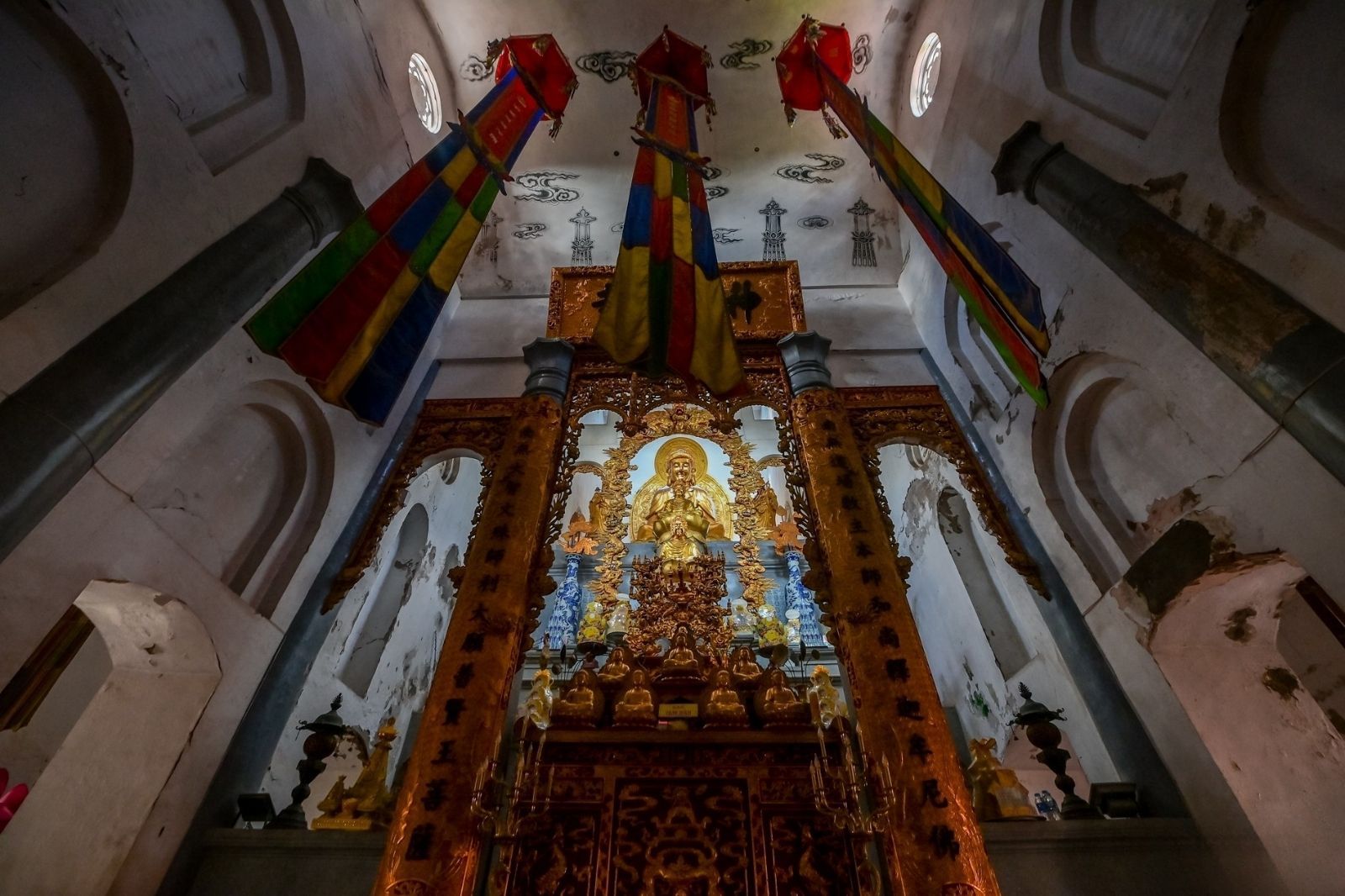
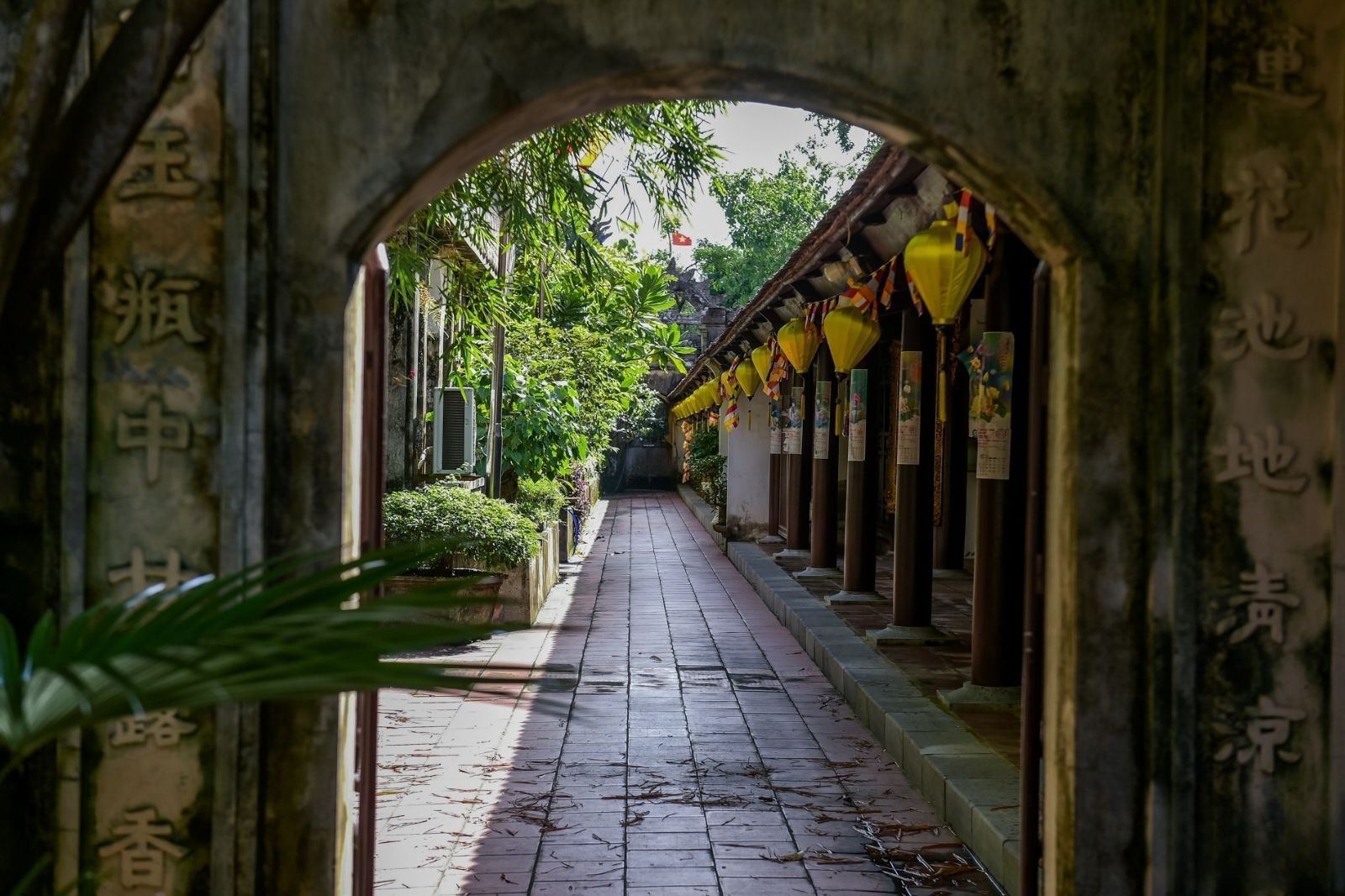
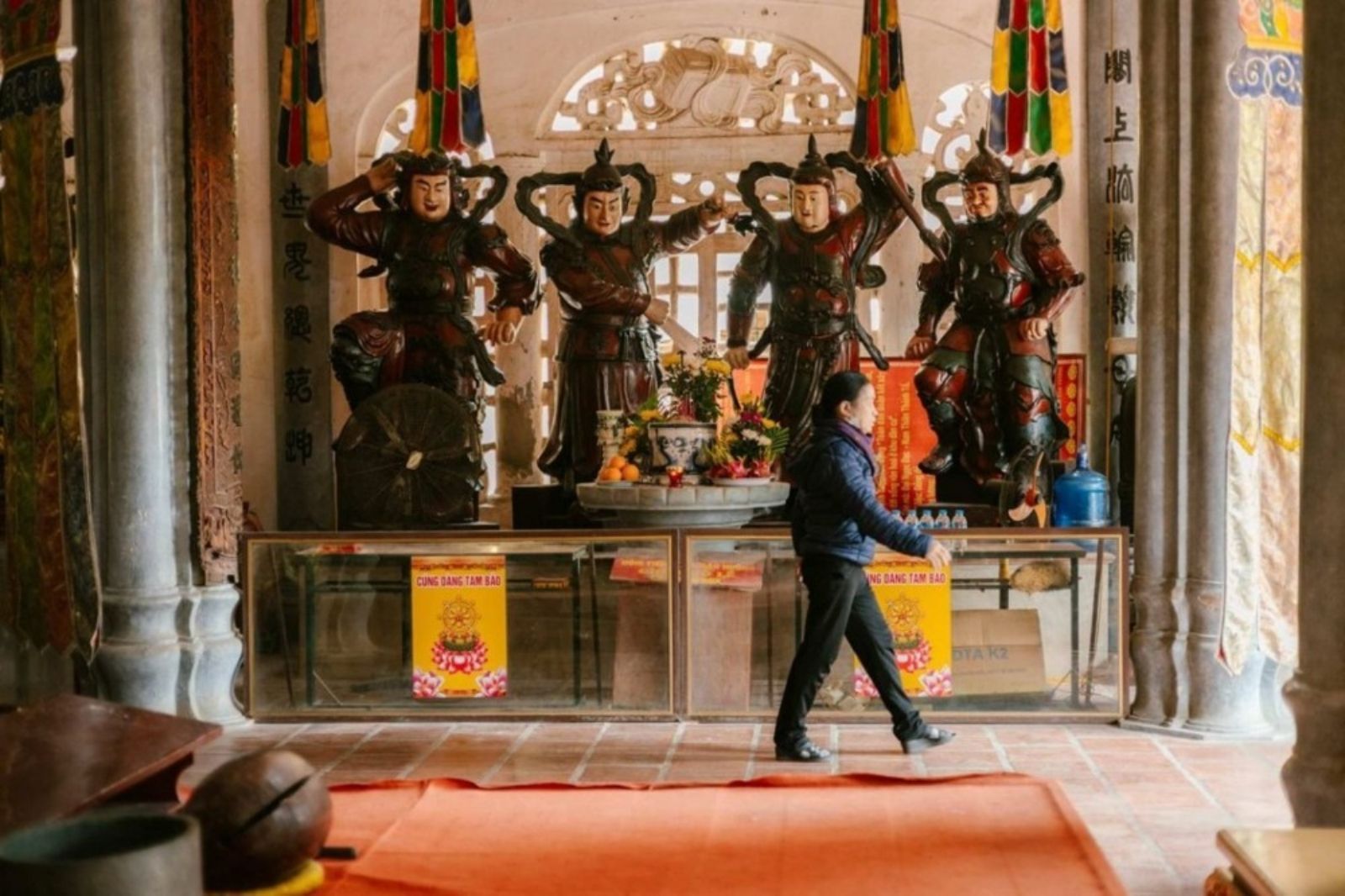
Co Le Pagoda is one of the famous ancient pagodas in the Northern Delta region, boasting over 800 years of history and closely associated with the name of National Master Nguyen Minh Khong. According to historical records, the pagoda was founded in the 12th century during the reign of King Ly Than Tong. It was originally a traditional wooden pagoda located at the entrance of Co Le village, beside the gentle Red River. Experiencing many vicissitudes of time, especially the great flood in 1611 that buried the pagoda, local people came together to rebuild it in the shape of the Chinese character "Công" (工), preserving a precious spiritual heritage for future generations.
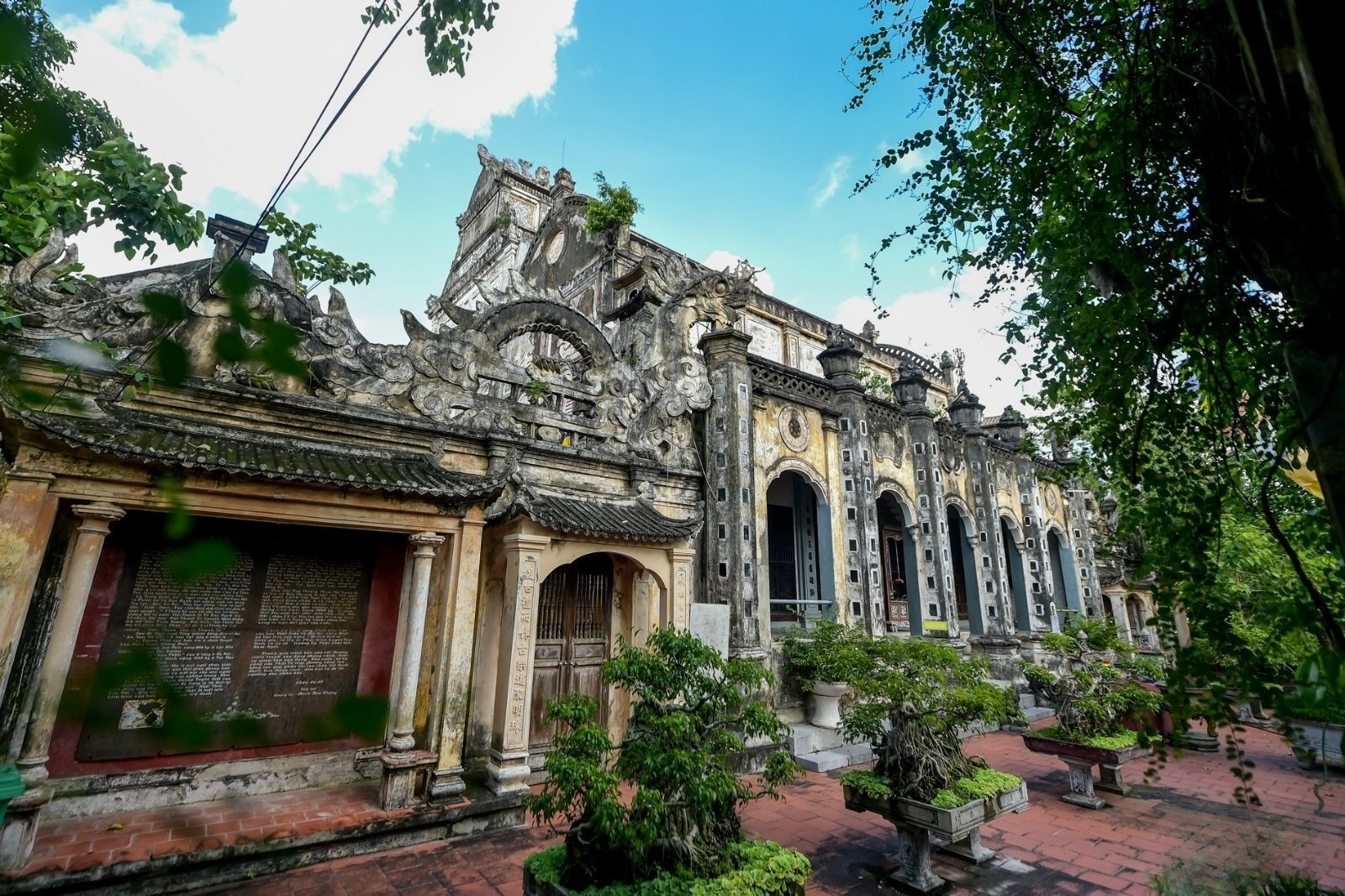
Entering the early 20th century, under the abbacy of Most Venerable Pham Quang Tuyen, Co Le Pagoda underwent a major renovation on a grand scale in the unique architectural style of "Nhat Thoc Lau Dai", harmoniously combining traditional Eastern architecture with Western antique features. Outstanding structures such as the Cuu Pham Lien Hoa Tower (1927), the Great Bell (Dai Hong Chung, 1936), or the Kim Chung Bao Cac bell tower (1997) contributed to creating a grand and majestic appearance for the pagoda, while reflecting the continuous development of the monument across various historical periods.
Not only a serene Buddhist sanctuary, Co Le Pagoda also marks heroic pages of the nation's history. During the period 1947–1981, this place witnessed 35 monks and nuns taking vows to "shed their robes and put on military uniforms" to defend the Fatherland, with many heroically sacrificing their lives for the nation's independence and freedom. The pagoda was also an important revolutionary base, hiding cadres and hosting many secret meetings during the resistance war. With special historical, cultural, and architectural values, Co Le Pagoda was recognized as a National Historical-Cultural Monument in 1988 and further designated as a Special National Monument in 2025, becoming a pride of the people and a meaningful spiritual destination for visitors from all over.