Exploring Cat Son Wood Carving Craft Village: Essence from the Hands of Quang Tri Artisans

Central

Quang Tri

Sovaba.travel

Updated at: 24/09/2026

1. History of Cat Son Woodcarving Village

Cat Son is a coastal village in the northern part of Quang Tri Province, formed quite early during the exploration and settlement of Central coast residents. Initially, the livelihoods of the local people were mainly associated with fishing and small-scale agricultural production. Thanks to its favorable geographical location near waterways and trade routes, many young men in the village had the opportunity to travel by sailboat to other regions to trade and learn craft techniques, especially woodworking. The essence of woodworking was subsequently absorbed, refined, and passed down through generations, contributing to the formation of a distinctive craft village.

Cat Son woodworking initially developed from simple household items, then gradually enhanced its techniques through the intersection of craftsmanship between Northern and Hue artisans. The most flourishing period of the craft village lasted from the mid-19th century to the early 20th century, when wood carving and mother-of-pearl inlay techniques reached a high level of sophistication, rich in traditional artistic value. In 1921, the French scholar Léopold Cadière recognized and praised the skill of Cat Son craftsmen: “The villagers of Cat Son engage in fishing and trading, and are also renowned for their carving craft. They make and carve altars out of jackfruit wood or other timbers.” This remark highlights the notable position of the craft village within the traditional handicraft landscape of that era.

During its development, the village invited mother-of-pearl and shell inlay craftsmen from the North to teach techniques, thereby expanding production to items such as cabinets, tables, and high-end furniture to serve demands within and outside the region. Although mother-of-pearl inlay is no longer thriving today, many ancient carved products of Cat Son are still preserved in rural villages.
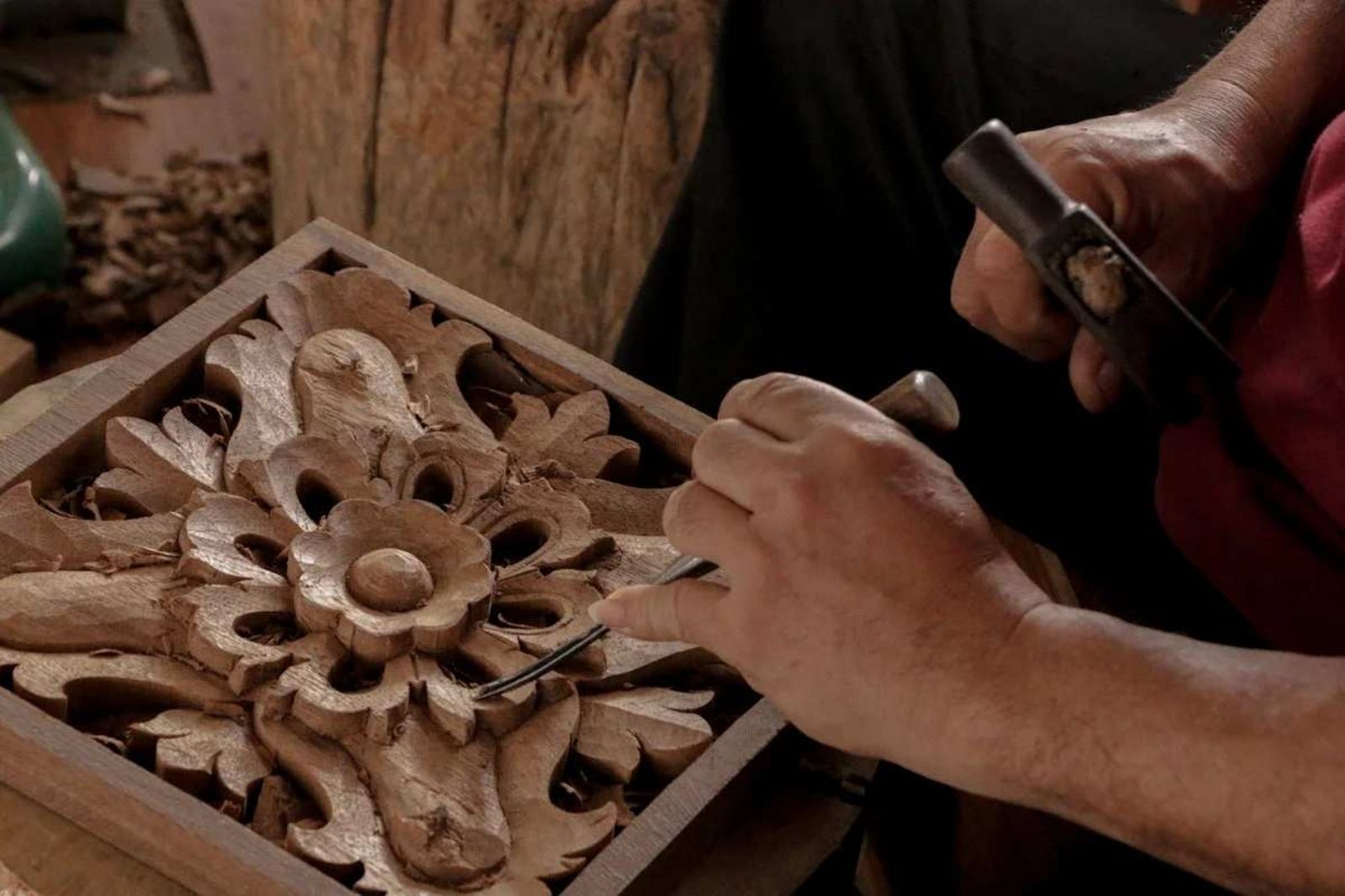
Products made by skilled craftsmen
Photo: Products made by skilled craftsmen 

2. Crafting process and signature woodcarving techniques of Cat Son

Cat Son wood carving is the culmination of skilled hands, perseverance, and creativity of craftsmen through painstaking and meticulous steps of creation. First is the step of selecting and processing materials, in which craftsmen prioritize using precious woods such as jackfruit, rosewood, agarwood, red sanders... harvested from headwater forests and transported by river. The timber is then thoroughly dried and cured to ensure durability, minimize termites, and preserve its shiny natural wood tones over time.

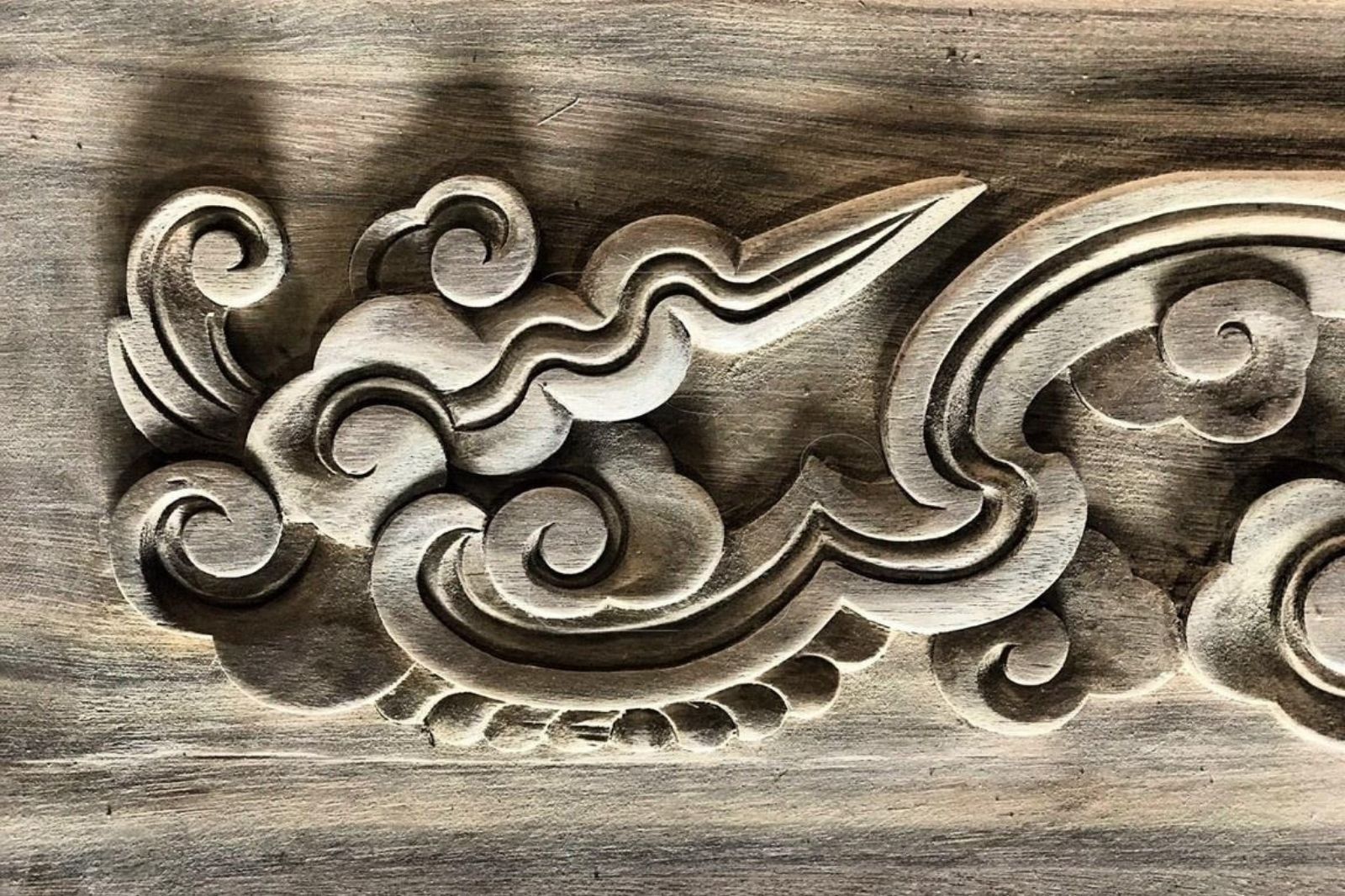
Next is the design and carving phase, where artisans breathe life into each wooden block with pattern sketches rich in Vietnamese cultural identity, such as flora and fauna, birds, folk tales, or symbols of peace and prosperity. Depending on the requirements and artistic nature, craftsmen flexibly apply many intricate techniques such as fretwork carving, sunken relief, high relief, layered carving, hollow carving, shallow relief, or deep carving.

Finally comes the product finishing stage, including smoothing, polishing, inlaying (if any), and applying a protective coat, helping the product achieve perfection in both aesthetics and durability. Each completed artwork is not only a handcrafted product but also an imprint of master technique and the artisan's dedication.

Today, Cat Son wood carved products such as tables and chairs, cabinets, wooden beds, altars, worship items, folding screens, horizontal lacquer boards, couplets, or decorative craft items... not only possess durable utility value but also serve as cultural symbols, contributing to preserving and spreading the essence of their homeland's traditional craft.

Intricate carved patterns
Photo: Intricate carved patterns 

3. Cultural and economic significance of Cat Son woodcarving

Cat Son wood carving craft is an integral part of Quang Tri's cultural heritage. Each product is a story, a message about tradition, history, and the soul of the people in this land of fire. The carved works are not merely objects, but bridges between the past and present, preserving the precious spiritual values of the Vietnamese nation.

The two wooden banners inscribed with 'Thuong dang toi Linh' (Supreme Sacredness) at the Quang Tri Museum are vivid evidence of the talent and creativity of Cat Son artisans. These works not only demonstrate master skills but also reflect the rich spiritual life of Vietnamese people.

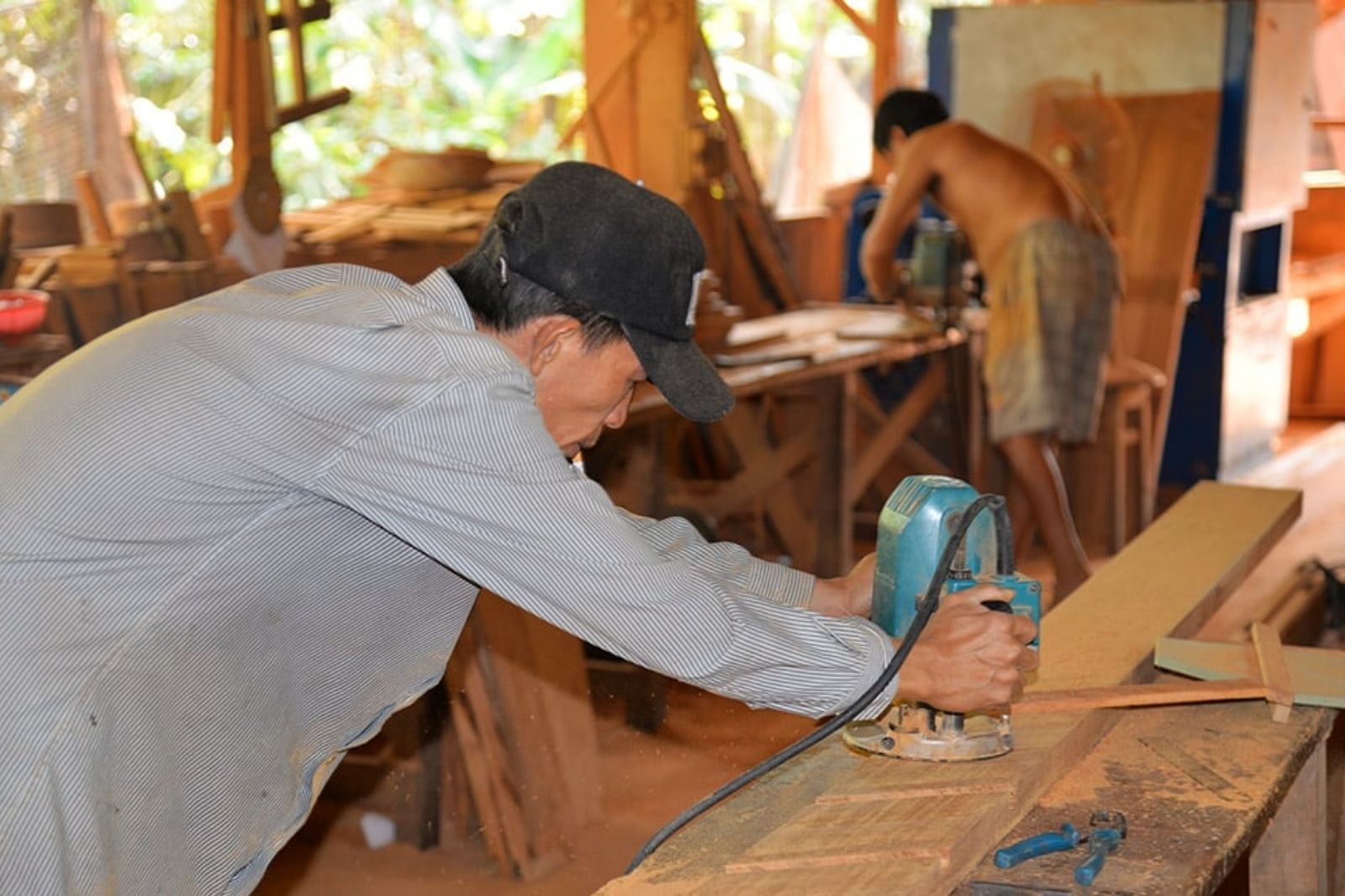
Furthermore, woodworking has provided a stable source of income, helping Cat Son residents improve their lives. Despite facing many challenges from competition with modern materials, more than 80 households in the village remain committed to the craft, maintaining and developing the renowned wood carving brand. Restoring and developing Cat Son woodworking not only helps preserve culture but also opens up opportunities to export handicraft products, contributing to local economic restructuring.

4. Visiting Cat Son craft village

When traveling to Quang Tri, you can easily visit Cat Son Village combined with exploring Gio Linh. The village is located by the coast, near Cat Son Beach and historical sites such as Truong Son National Martyrs Cemetery and Cua Viet.

Directions:

  • About 20-30 km from Dong Ha (Quang Tri).
  • Travel by motorbike, car, or tourist bus.
  • It is recommended to contact local authorities or tour guides to visit workshops and talk with artisans.

Here, visitors can:

  • Observe the carving process.
  • Try basic woodworking hands-on.
  • Buy handcrafted souvenirs as gifts (miniature furniture, carved souvenirs, wooden paintings, etc.).
  • Explore the peaceful coastal village atmosphere and enjoy fresh seafood.

The craft village is moving towards experiential tourism, combining conservation with sustainable development.

Woodworking brings a stable source of income for local people
Photo: Woodworking brings a stable source of income for local people 

Cat Son wood carving craft village is not only the pride of Quang Tri residents but also a precious piece in the cultural tapestry of Vietnam. From inanimate logs of wood, artisans breathe soul into creating masterpieces rich in local identity. If you have the chance to visit Quang Tri, do not forget to stop by Cat Son to feel the sophistication in every carved detail and bring home a souvenir carrying a whole cultural story.

Let's join hands to preserve and promote the values of Cat Son woodworking, so that wooden artworks are not just products, but living heritage inspiring generations to come.

Loading......

Featured destinations