Extending Tradition: The Cuop Cu Festival Every Springtime in Quang Binh

Central

Quang Binh

Sovaba.travel

Updated at: 24/09/2026

1. What is the Cuop Cu Festival?

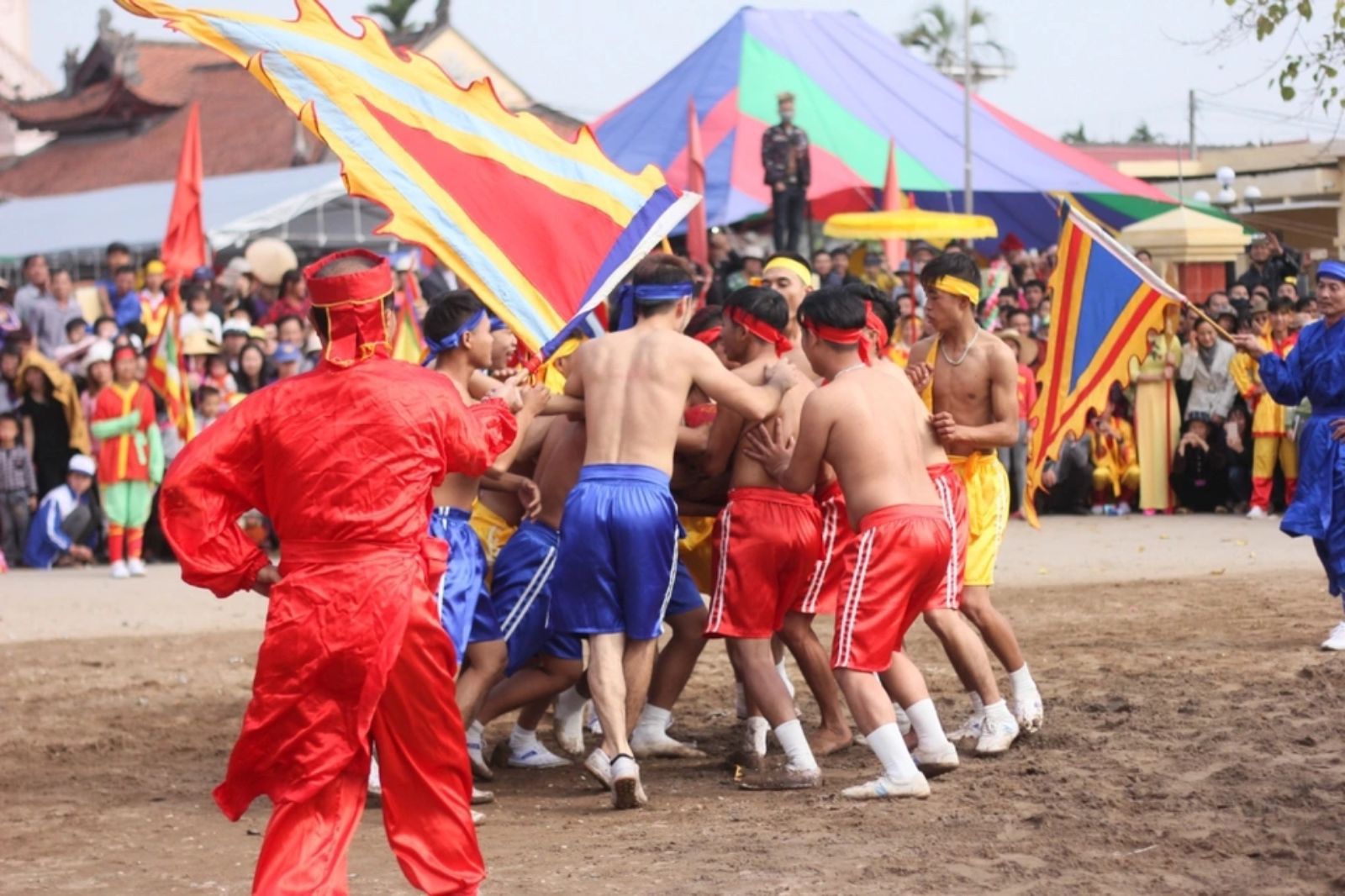
The Cuop Cu Festival (also known as Hoi Cu or Nem Cu) is one of the typical folk festivals of Quang Binh, deeply imbued with the traditional cultural marks of residents along the Gianh River. Beyond being just a folk game, the festival is a fusion of belief, martial spirit, and community life, expressing hopes for a peaceful new year with favorable weather, bumper harvests, and prosperous lives. According to legend, the festival originates from the Tran Dynasty, associated with the famous general Pham Ngu Lao. Initially, the game was created to train physical strength, agility, and solidarity among soldiers. Over centuries, Cuop Cu gradually became a unique cultural activity every spring, contributing to preserving the traditions and identity of villages along the Gianh River.
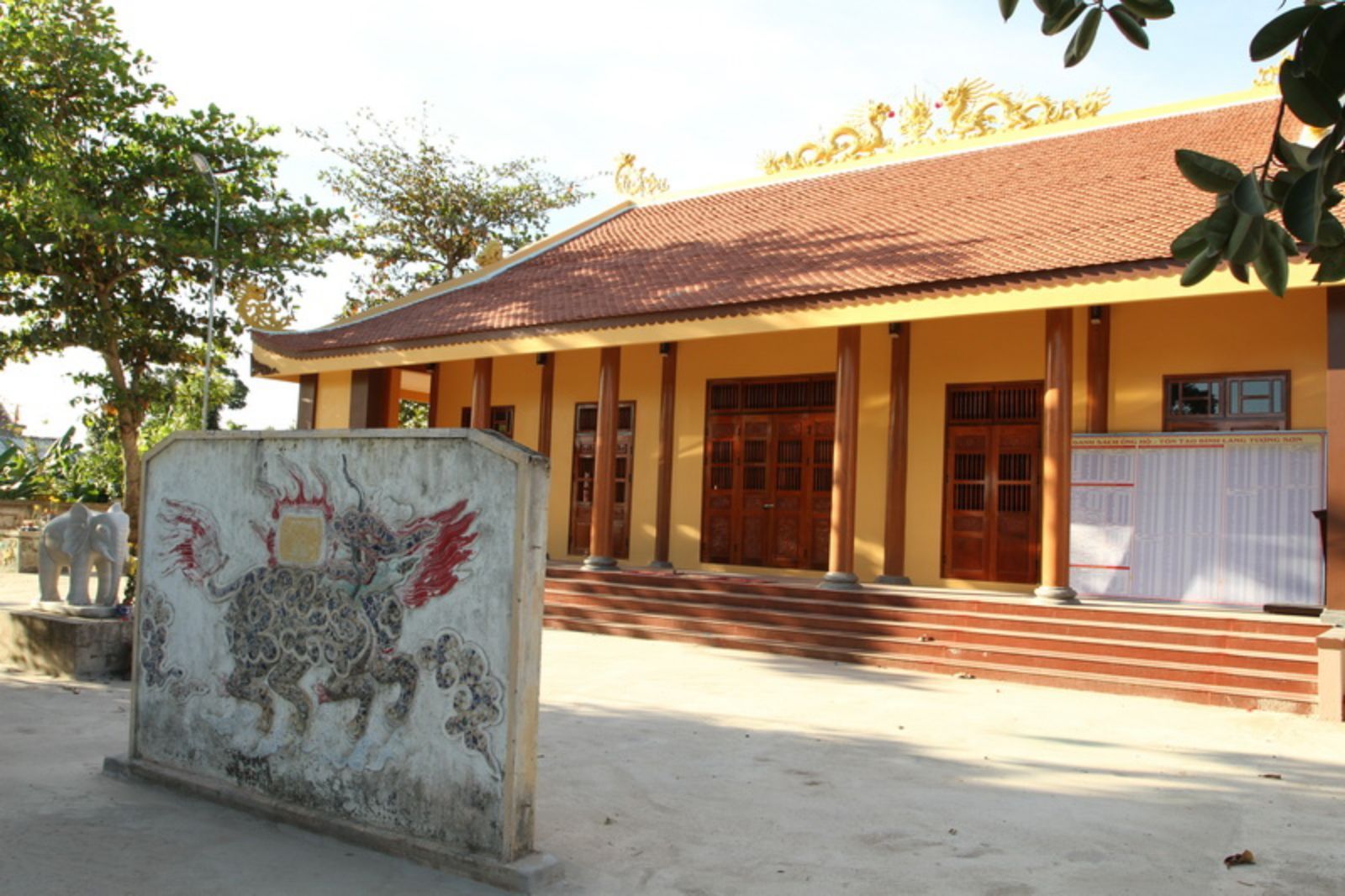
At Tuong Son Communal House

Photo: At Tuong Son Communal House

The highlight of the festival is the ball ("cu"), the "soul" of the game. The ball is usually crafted from an old banana root, carved round, and baked to increase durability and flexibility, weighing about 3–4kg, wrapped outside with cloth or colored paper. The game takes place on a wide field or sandbank, with two tall bamboo poles hanging baskets as targets, creating lively and dramatic competitions.
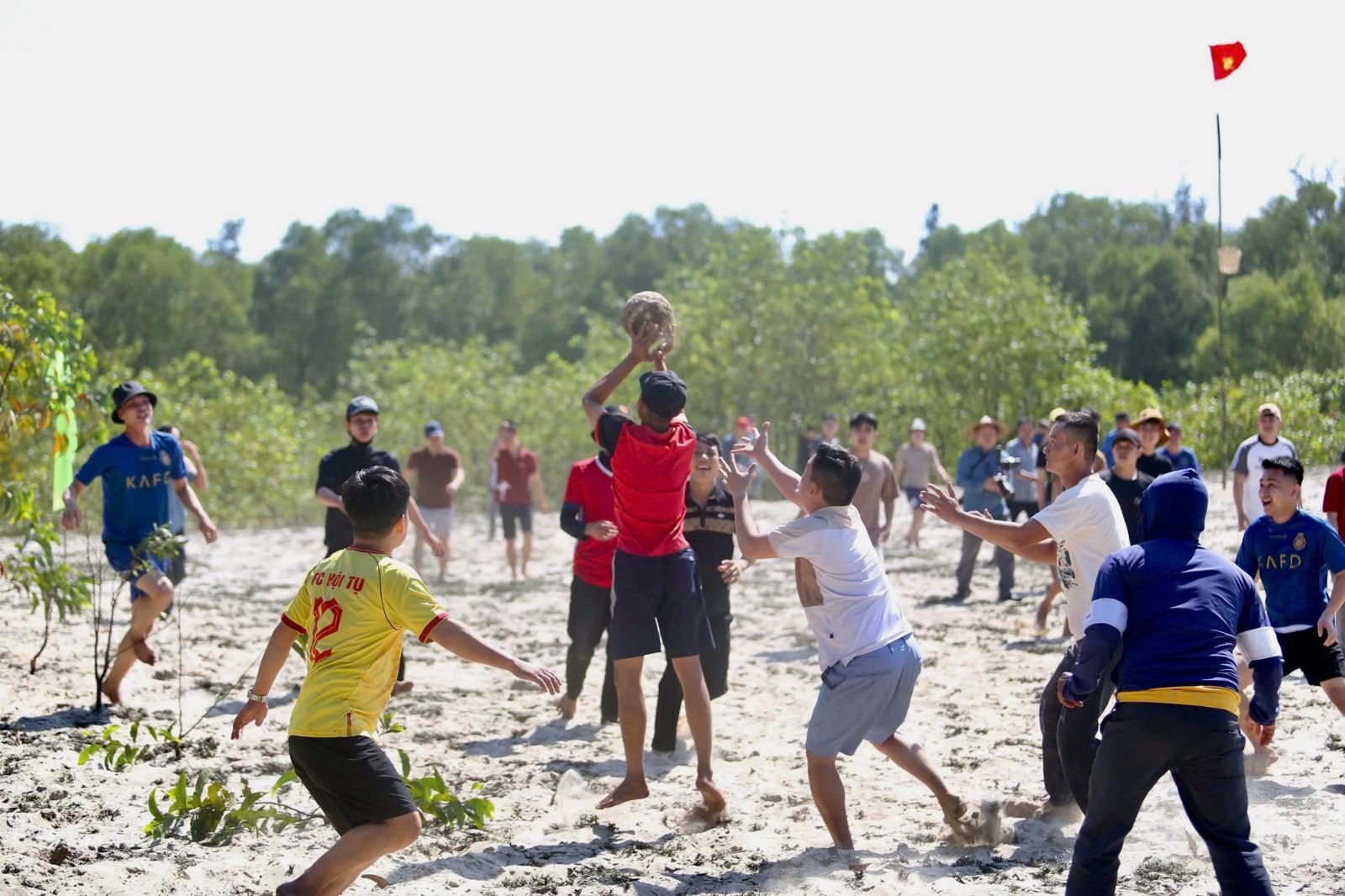
Joyful atmosphere during the early days of the new year

Photo: Joyful atmosphere during the early days of the new year

Cuop Cu is not just a competition but also a symbol of solidarity, collective strength, and faith in a peaceful, prosperous new year. Cheers, urgent drumbeats, and crisp laughter blend together, creating a spring picture that is both bustling and rustic, rich in local flavor.
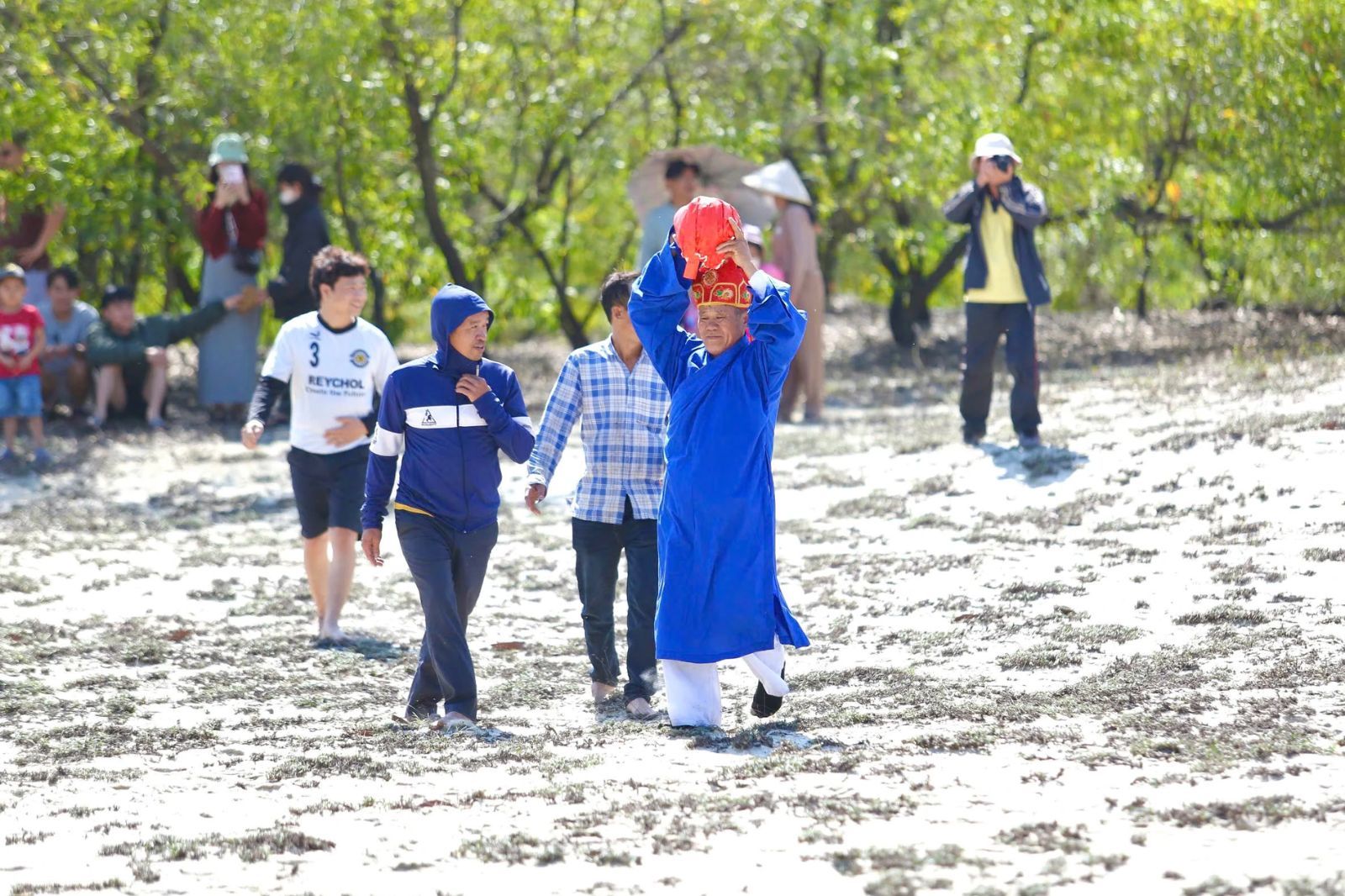
2. Where does the Quang Binh Cuop Cu Festival take place?

Every spring, Tuong Son Communal House (Quang Long Ward, Ba Don Town, former Quang Binh Province) becomes the epicenter of the Cuop Cu Festival. The ancient communal house — a National Historical Monument — is not only a place to preserve traditional cultural values but also a space for thousands of people from across both banks of the Gianh River to gather and immerse themselves in the vibrant atmosphere of the early spring festival.

Not only in Ba Don, this cultural beauty is also preserved in the villages of An My and Cam Pho (Gio My Commune, Gio Linh District, Quang Tri). On stretching golden sand dunes, amid the sea breeze and vibrant drumbeats, the festival takes place energetically, recreating the martial spirit and community cohesion handed down through generations. Coming to the Cuop Cu Festival, visitors not only immerse themselves in the lively atmosphere of a unique folk festival but also have the opportunity to explore the beauty of the land along the Gianh River together with many historic and cultural relics of Quang Binh and Quang Tri, creating a journey rich in experiences and traditional values.

3. When does the Cuop Cu Festival take place?

The Cuop Cu Festival is usually organized on the 7th day of the first lunar month, the time of the early spring opening ceremony, marking the start of a new working season. In some localities, the festival may take place earlier, on the 4th day of Tet, depending on the customs and traditions of each village. After days of family reunion during Tet, while life is still filled with spring vibes, local people gather to offer incense and pray for peace, favorable weather, bountiful crops, and a lucky new year.

The festival consists of two main parts:

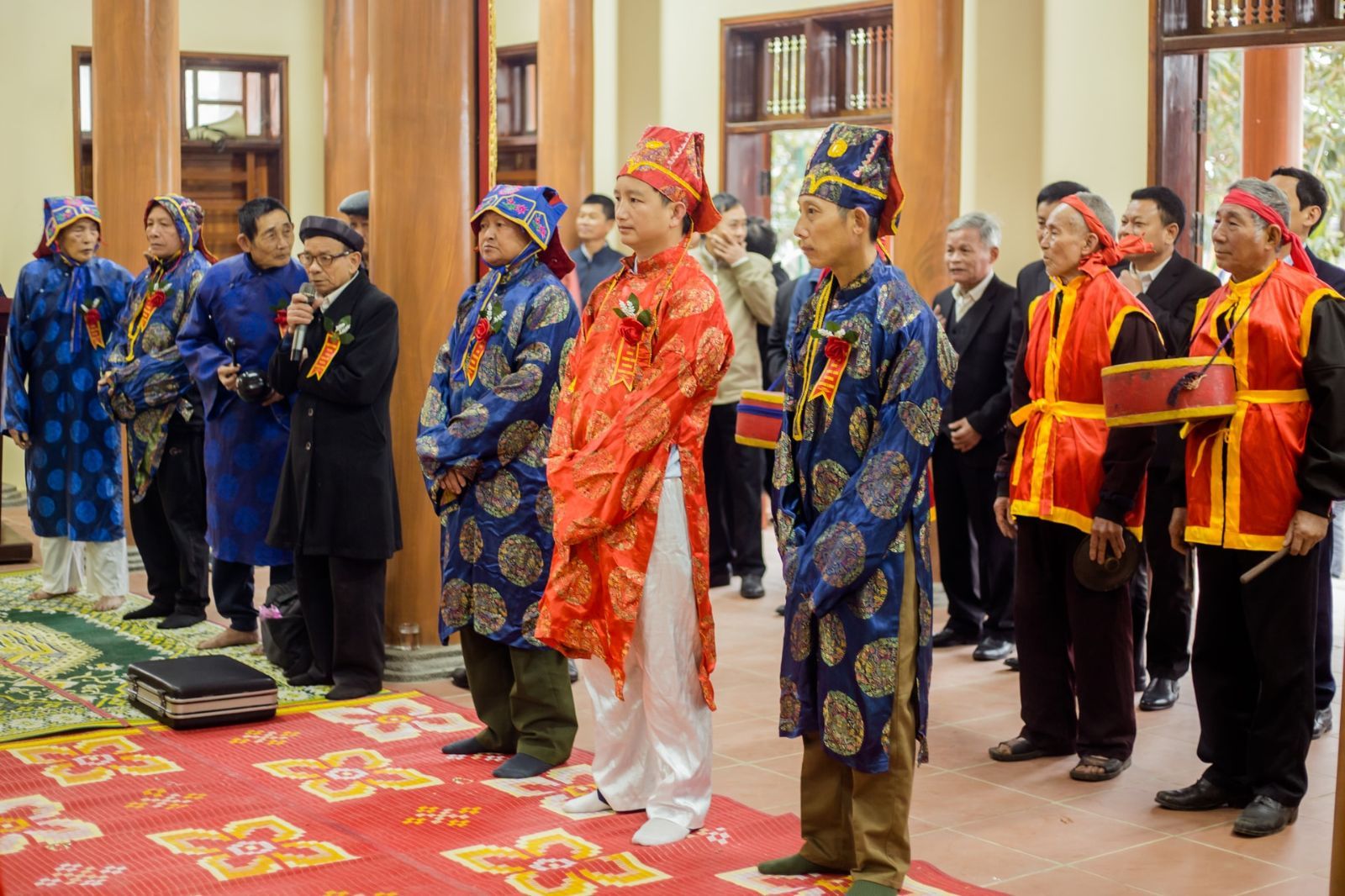
  • Ceremonial Part: Takes place in the morning at the village communal house with solemn incense offering and ritual ceremonies, expressing respect for ancestors and the Village Tutelary God.

  • Festive Part: Begins in the afternoon with the exciting Cuop Cu game alongside various unique folk activities such as wrestling matches, lion dances, and traditional games, creating a joyful, lively atmosphere throughout the countryside.

As the festival schedule may change depending on the year and locality, visitors are advised to update information from local authorities or the organizing committee before planning their trip for the best experience.

The festival is not only a time for entertainment but also a way to express gratitude

Photo: The festival is not only a time for entertainment but also a way to express gratitude

4. Unique activities at the Cuop Cu Festival

The Cuop Cu Festival is organized into two main parts: the solemn ceremonial part and the vibrant festive part, creating a cultural space rich in the identity of the people in the Gianh River region. The festival is divided into two main parts:

  1. Ceremonial part: Elders in traditional attire offer incense and pay homage to Heaven, Earth, and the Village Tutelary God. This is followed by martial art performances with fists, sticks, broadswords, and swords, recreating the martial spirit. Three wooden balls are placed on the altar to pray for blessings.

  2. Festive part:

    • Cuop Cu: The main highlight. Two teams (usually with an unlimited number of participants, including men, women, young, old, and even tourists) compete for the ball on a large sandy ground (about 150-200m). The goal is to toss the ball into a bamboo basket suspended on a 5-10m tall bamboo pole. Drumbeats and cheers echo, creating a dramatic and joyful atmosphere.

    • Wrestling competition: Wrestlers compete across various weight classes.

Besides Cuop Cu, the festival features many engaging activities such as traditional wrestling, folk games, cultural performances, and local culinary tastings, bringing a rich experience for locals and visitors alike.

What gives value to the Cuop Cu Festival is not winning or losing, but the spirit of solidarity, attachment, and sharing. Every participant contributes to the lively atmosphere of the early spring festival, sharing faith in a peaceful, happy, and prosperous new year.

Preserving traditional festivals
Photo: Cultural beauty of the festival 

5. Significance of the Cuop Cu Festival

Not just an early spring folk game, the Cuop Cu Festival is also a symbol of the cultural life, beliefs, and community spirit of the people of Quang Binh. Through generations, the festival has been preserved as a way to connect the past with the present while conveying good wishes for the new year. People believe that capturing the ball and tossing it into the basket brings luck, favorable weather, bountiful harvests, and a prosperous, peaceful life for the entire community. Therefore, every festival drumbeat and every ball scramble is filled with hope for a bountiful new year.

In addition, the festival serves as a space to preserve and spread traditional cultural values. The competitions demand not only strength, agility, and dexterity, but also emphasize solidarity, discipline, and coordination among team members. This is also an occasion for the younger generation to better understand home customs, contributing to the preservation of folk cultural beauty amidst modern life.

The Cuop Cu Festival also plays an important role in strengthening community bonds. Each festival season is an opportunity for people living away from home to return, reunite, participate in traditional activities, and welcome spring in a cheerful atmosphere. At the same time, the festival attracts numerous tourists to experience it, contributing to promoting local culture and fostering sustainable tourism development.

Young village men participating in the festival

Photo: Young people participating in the Cuop Cu Festival 

There are festivals that bring not only spring joy, but also hold the memories and soul of an entire region. The Cuop Cu Festival is one such cultural heritage. Through every drumbeat, every step in pursuit of the ball, and every radiant smile of the people, the festival continues to extend the traditional stream so that ancestral values are endlessly preserved and spread. Every spring, if visiting Quang Binh, take a moment to immerse yourself in the vibrant atmosphere of the Cuop Cu Festival. It is not only a cultural discovery journey, but also a quest back to the enduring values that define the identity of this sun-and-wind-drenched land.

Loading......

Featured destinations