Hibiscus Leaf Crab Soup: A Unique Countryside Dish Only Found in Ninh Binh

Northern

Ninh Binh

Sovaba.travel

Updated at: 24/09/2026

1. What is hibiscus leaf and crab soup?

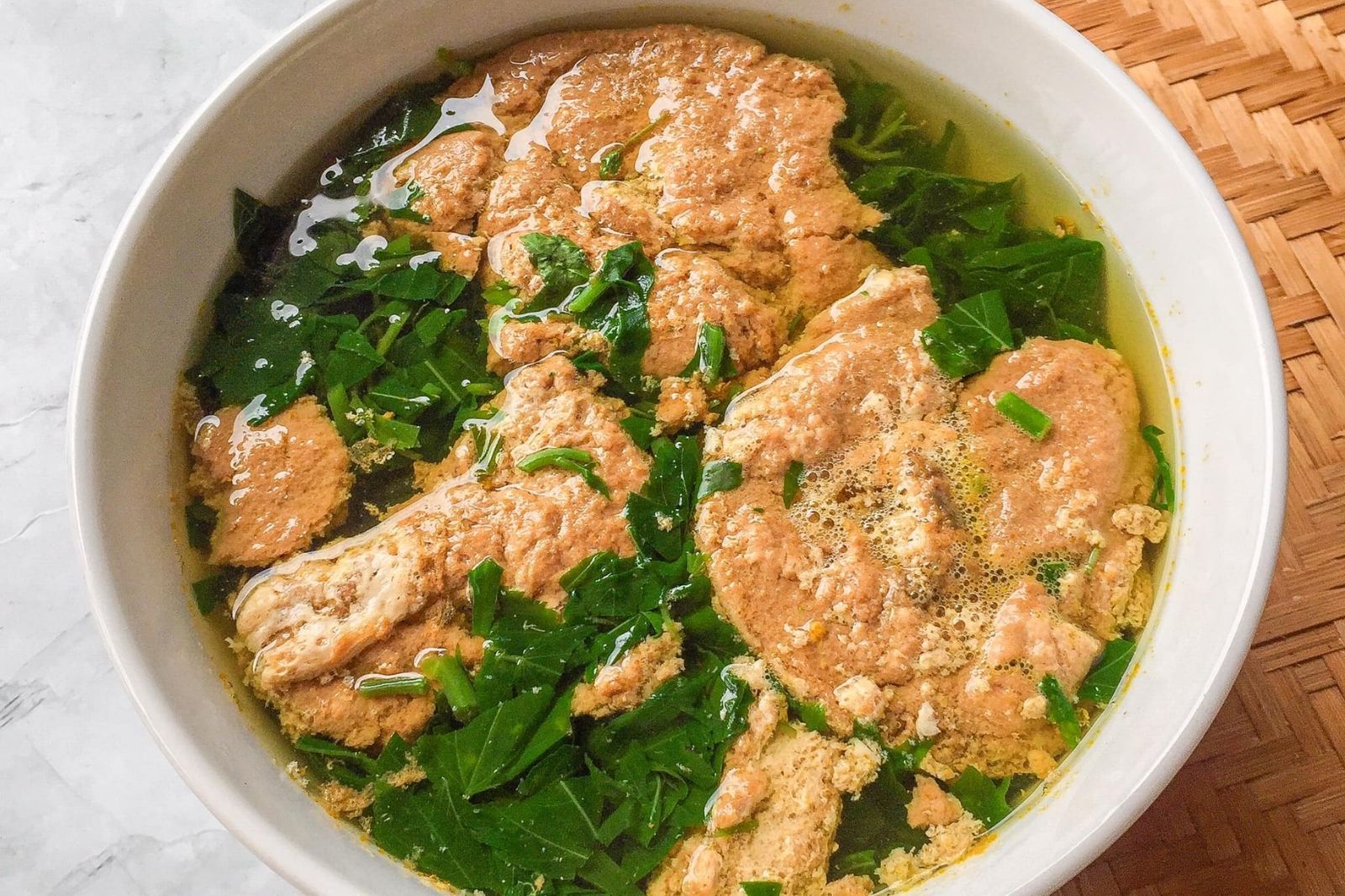
Hibiscus leaf crab soup is a rustic soup prepared from fresh field crabs combined with hibiscus leaves – a familiar foliage in the Vietnamese countryside. Unlike common field crab soup versions cooked with jute leaves, Malabar spinach, or water mimosa, this dish uses hibiscus leaves to create a natural thickness and distinctive flavor. It is a popular dish in family meals across Ninh Binh, especially during summer when sweltering weather calls for refreshing dishes to cool down. The soup is not only rich in nutrition from the protein of field crabs but also supplements fiber and vitamins from green vegetables, helping to balance daily meals.

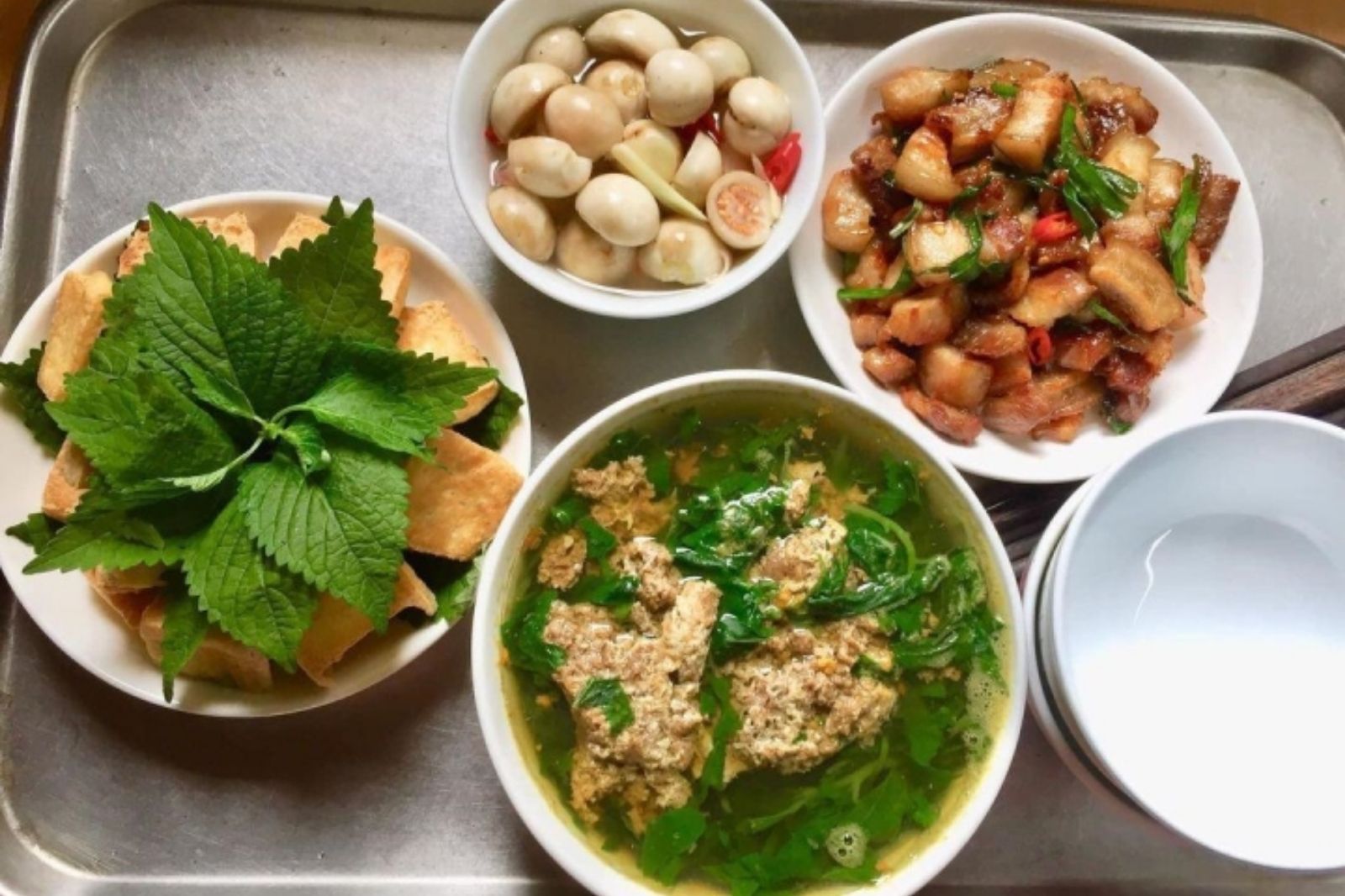
Traditionally, hibiscus leaf crab soup is often served with hot white rice and salted pickled eggplants, creating a harmonious blend of the soup's sweetness, the crispy sourness of the eggplants, and the comforting aroma of rice. This is not just a dish but also a way for the people of Ninh Binh to utilize local ingredients, demonstrating their ingenuity in countryside cuisine.
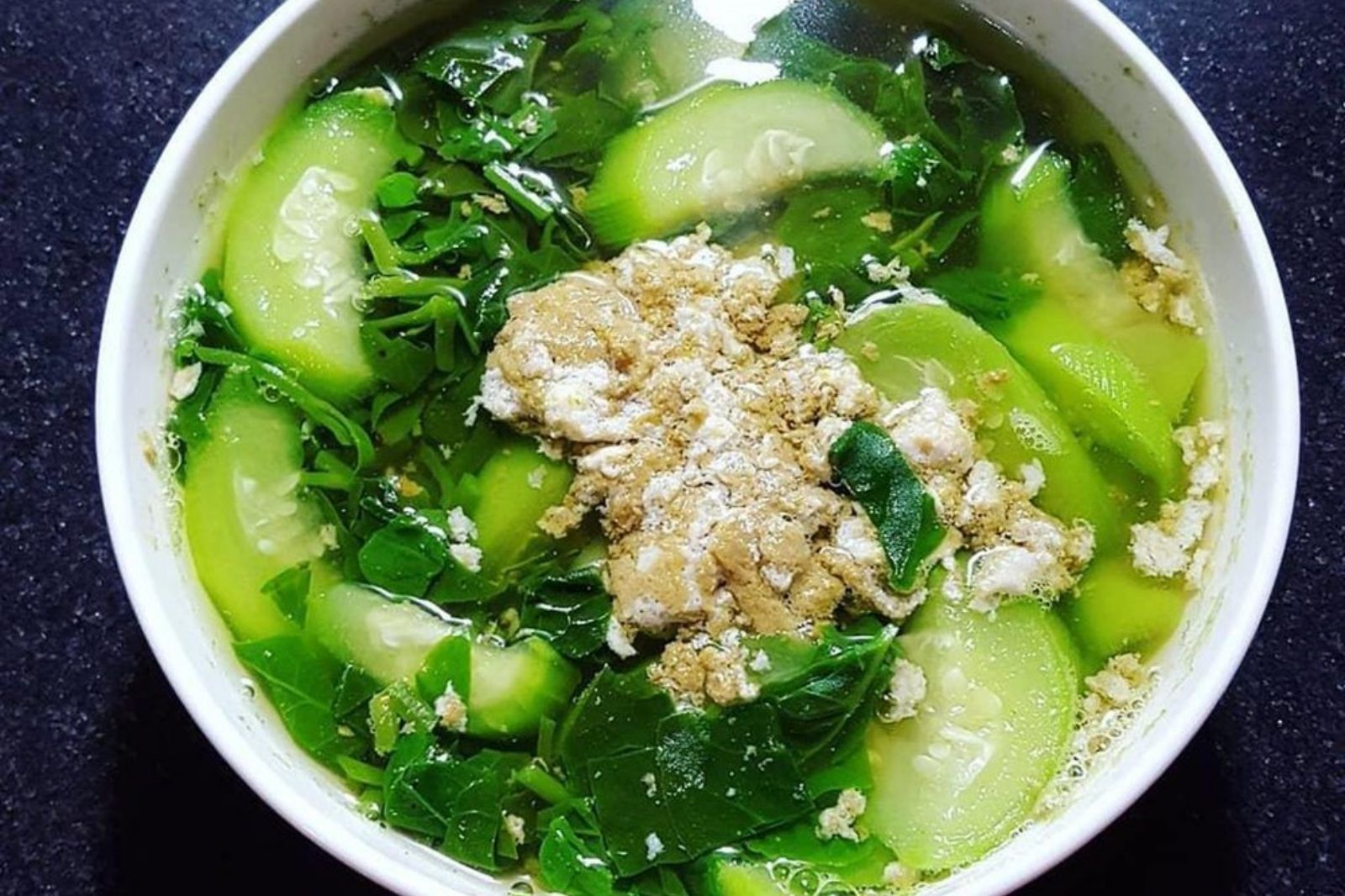
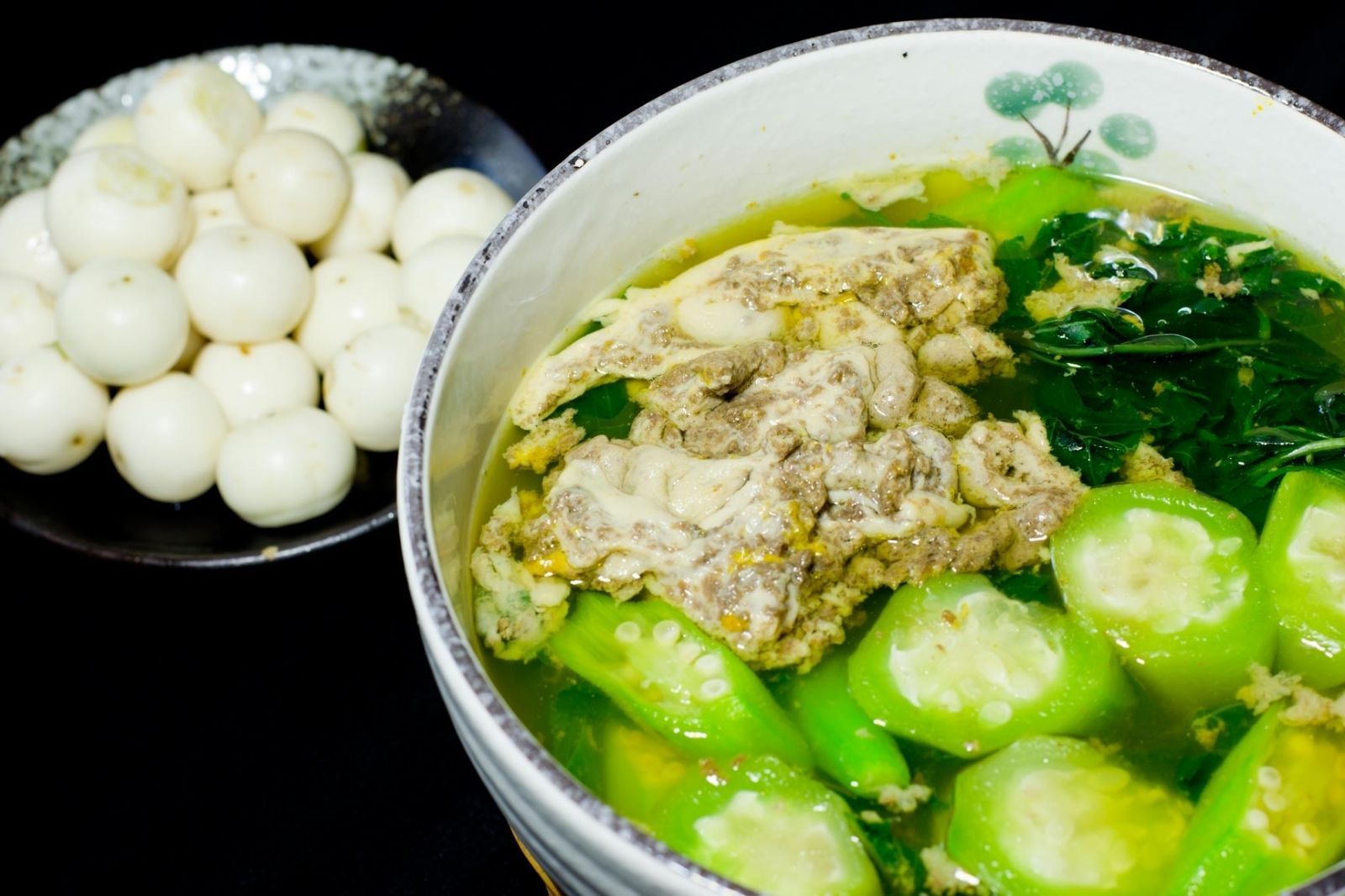
A sweet, refreshing, and healthy soup
Photo: A sweet, refreshing, and healthy soup

2. The origin of hibiscus leaf and crab soup in Ninh Binh

The Ninh Binh hibiscus leaf crab soup originates from rural villages in Ninh Binh province, especially Truong Yen commune in Hoa Lu district – a place that still preserves the traditional rural lifestyle. This dish has been closely linked to the daily lives of local people for generations, arising from utilizing available ingredients in home gardens and rice fields. Ninh Binh, with its river landscapes and vast rice paddies, provides an ideal environment for field crabs to thrive, while hibiscus plants grown as hedges around houses offer a plentiful supply of edible leaves.

Unlike other famous specialties of Ninh Binh such as mountain goat meat or crispy rice crust, hibiscus leaf crab soup is more rustic and less widely advertised. It represents the ancient capital's cuisine, where simple dishes carry profound cultural values. Today, this dish is gradually becoming known to tourists through local culinary experience tours, yet it still retains its essence as a "rustic home dish" that is truly best enjoyed on the spot.

A rustic soup fondly remembered by many
Photo: A rustic soup fondly remembered by many

3. What are hibiscus leaves and why are they used for soup?

Hibiscus leaves are actually the leaves of the hibiscus plant (scientific name: Hibiscus syriacus), a low woody shrub commonly grown as hedges or ornamental plants in rural Vietnam. Hibiscus leaves are oval-shaped, dark green, small to medium in size, with a mild natural tartness and the ability to create thickness when cooked. Although not a vegetable specifically grown for consumption, people in Ninh Binh have cleverly utilized it as a main culinary ingredient.

The reason hibiscus leaves were chosen to cook with field crab soup is that they bring a cleaner, sweeter flavor compared to jute leaves – the vegetable commonly used in other regions. When cooked, hibiscus leaves melt quickly on the tip of the tongue without leaving a harsh or bitter taste, while providing just the right amount of viscosity to make the soup smoothly thick. Furthermore, hibiscus leaves are nutrient-rich, containing healthy compounds that support cardiovascular health, relieve stress-induced insomnia, treat chronic dysentery, and soothe itchy skin rashes. This combination not only elevates the dish but also turns it into a healthy choice for family meals.

A bowl of crab soup that warms the hearts of distant diners
Photo: A bowl of crab soup that warms the hearts of distant diners

From its distinctively light, refreshing sweet flavor compared to jute leaves or Malabar spinach, to its surprising health benefits, Hibiscus Leaf Crab Soup truly deserves to be a "hidden gem" in Ninh Binh's rustic culinary treasure trove. This dish is not only a skillful combination of countryside ingredients but also a unique culinary culture feature, reflecting the simplicity and sophistication of the people of the ancient capital.

4. How to cook authentic Ninh Binh-style hibiscus leaf and crab soup

Preparing hibiscus leaf crab soup is not overly complicated, but it requires skill to maintain its fresh taste. Below is a detailed step-by-step guide:

  • Prepare the crabs: Soak the crabs in clean water for 30 minutes to remove mud. Remove the top carapace, apron, and gills, then rinse clean. Pound the crab meat thoroughly with a pinch of salt, then pour in filtered water, stir well, and strain through a sieve to extract the crab liquid (about 1-1.5 liters of water).
  • Prepare the greens: Select tender young green hibiscus leaves, wash thoroughly under running water, and finely slice. If using sponge gourd, peel, wash, and cut into bite-sized pieces.
  • Cook the soup: Pour the crab liquid into a pot and cook over medium heat to prevent violent boiling that could break up the crab meat clumps. Once boiling, turn down the heat, add sponge gourd (if using) first so it softens. Then add the sliced hibiscus leaves, bring back to a boil for about 2-3 minutes until cooked but not mushy.
  • Sauté the crab roe: In a separate pan, sauté minced shallots in cooking oil until fragrant, add the crab roe and stir-fry until aromatic. Pour this mixture into the soup pot, and season to taste (salt, seasoning powder).
  • Finish: Turn off the heat, ladle the soup into bowls, and serve immediately while hot, accompanied by salted pickled eggplants and white rice.

Pro tip: Do not overcook the leaves to retain their crispness and nutrition. Total cooking time is about 45 minutes, suitable for daily family meals.

5. Where to enjoy hibiscus leaf and crab soup?

If you are looking for a venue to fully enjoy the rustic and unique flavor of hibiscus leaf crab soup, visit the two notable restaurants below, where the dish is prepared authentic to the ancient capital style.

Ba Cua Restaurant 

  • Address: Trang An Village, Truong Yen Commune, Hoa Lu District. 

The restaurant sits peacefully amidst majestic limestone mountain ranges, within the Hoa Lu Ancient Capital area and right next to the Trang An Eco-Tourism Complex, making it an ideal stopover for visitors to enjoy after exploring local sights.

Cung Dinh & Co Lau Restaurant 

  • Address: Van Long Wetland Eco-Tourism Area in Gia Van Commune, Gia Vien District.

The hibiscus leaf crab soup here is highly rated by many diners for its quality. The crab meat is guaranteed to be fresh, firm, and naturally sweet, never mushy. Notably, the hibiscus leaves are cooked just right, retaining their natural sweet and cooling freshness, making it very pleasant to eat. If you are touring the romantic Van Long Wetland area, Cung Dinh & Co Lau Restaurant is an ideal stop to enjoy a flavorful lunch and beat the heat with Ninh Binh's signature hibiscus leaf crab soup.

Hibiscus leaf crab soup in family meals
Photo: Hibiscus leaf crab soup in family meals 

Hibiscus leaf crab soup is not just a rustic dish, but also a piece of memory from Ninh Binh countryside life, where people are closely tied to nature and agricultural seasons. Amidst modern life, the light, refreshing, and simple flavor of this crab soup still holds its unique value, reminding people of warm rural meals and a rustic way of life from days past. For those wishing to delve deeper into native cuisine, hibiscus leaf crab soup offers a truly genuine experience, vividly reflecting the restrained, delicate, and enduring spirit of Ninh Binh's culinary culture.

Loading......

Featured destinations