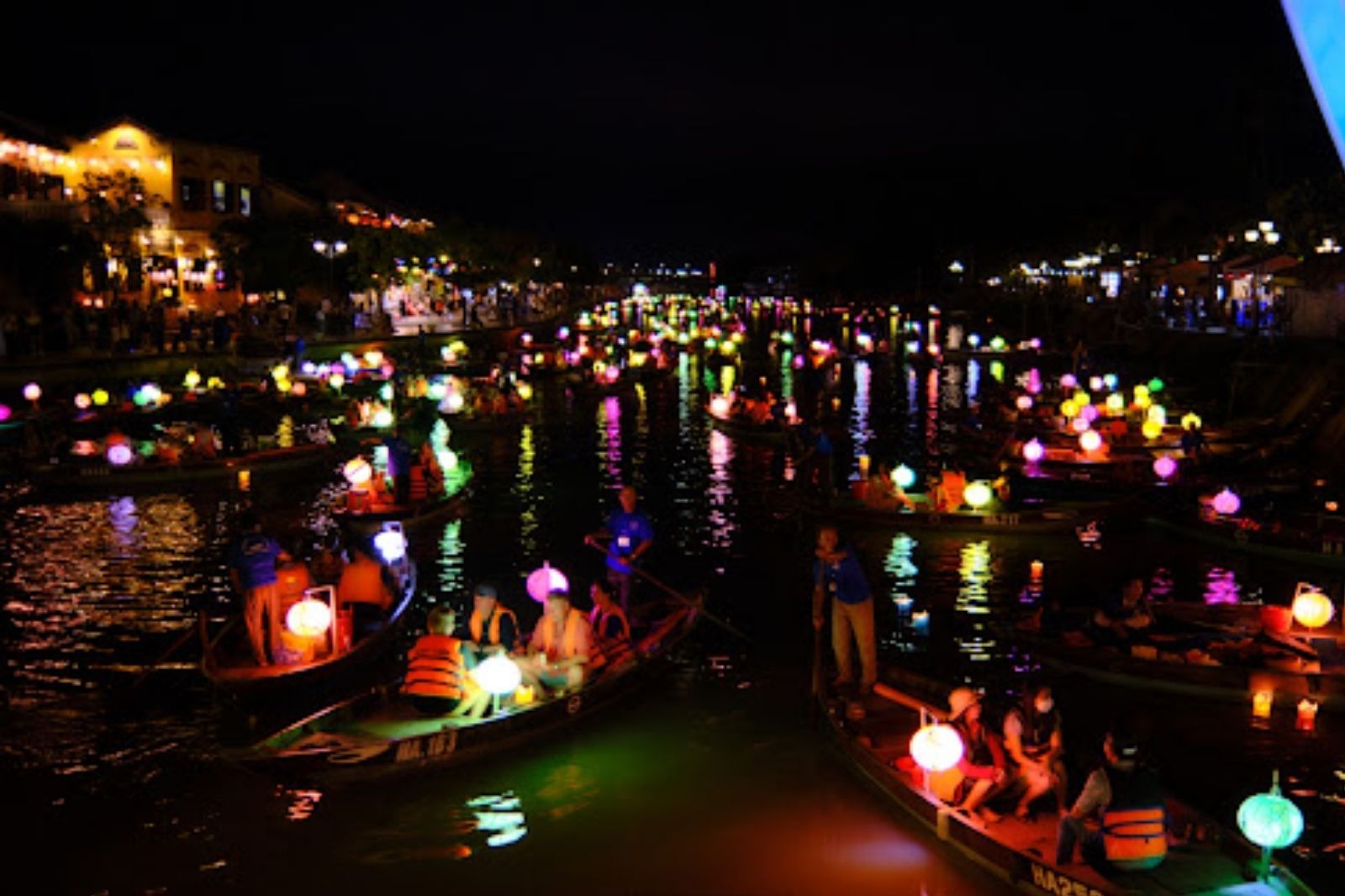
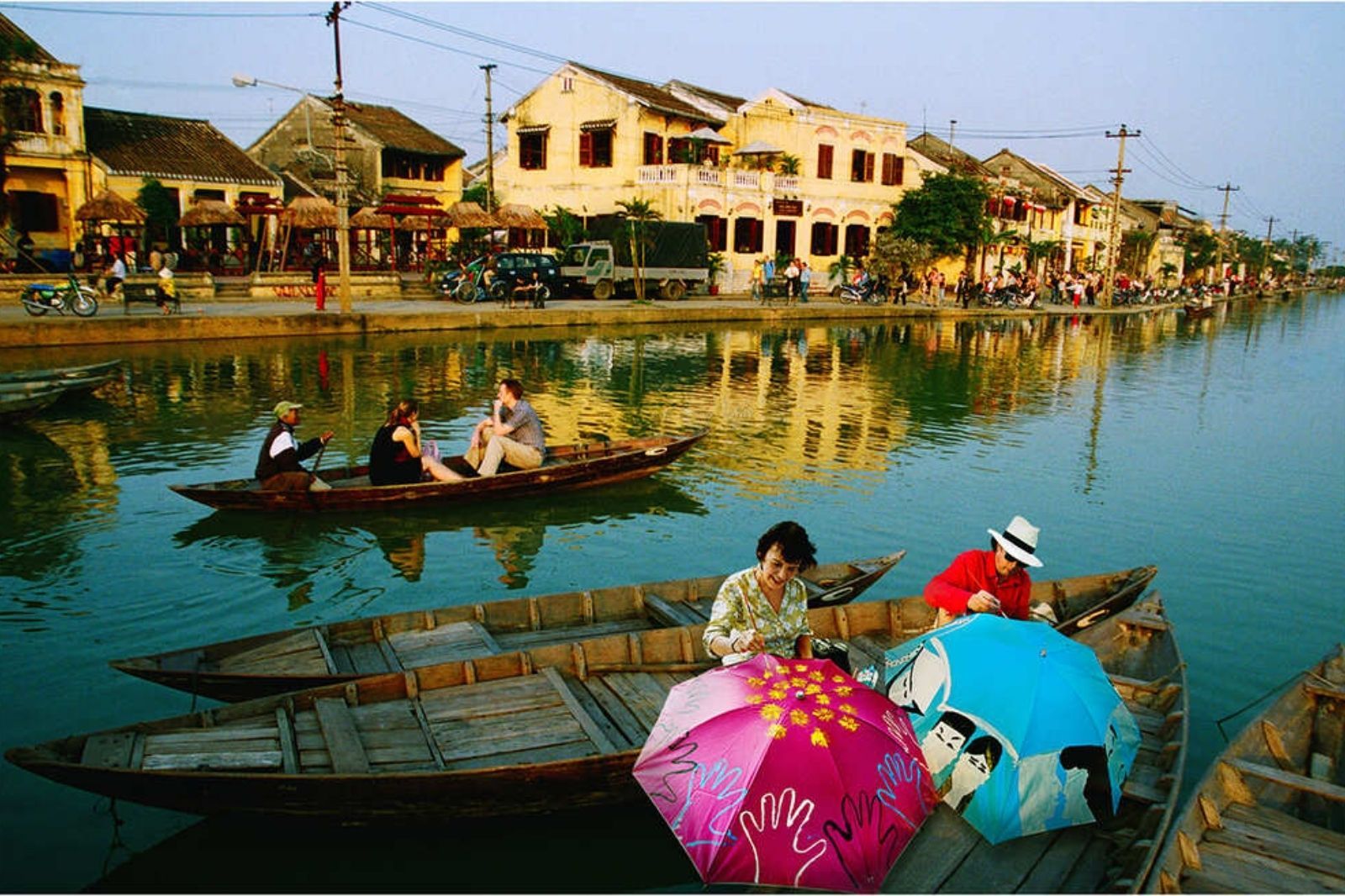
The Hoai River was formed from the natural flow of the Thu Bon River, branching off in the Hoi An area and flowing into the Dai Estuary (Cua Dai) – a strategic location for trade. From the 16th to the 18th century, Hoi An was one of the busiest international trading ports in Southeast Asia under the Nguyen Lords. The Hoai River played a vital role as the main waterway connecting the inland to the open sea, allowing merchant ships from Japan, China, Portugal, and the Netherlands to dock easily.

According to historical documents, Hoi An trading port began forming in the late 16th century in the Thuan Quang region. The Hoai River was not only a trading hub for goods such as silk, ceramics, and spices, but also a diverse cultural center featuring distinct Japanese and Chinese quarters. In the 17th and 18th centuries, Hoi An reached the peak of its prosperity; the Hoai River witnessed hundreds of merchant ships coming and going, contributing to diplomatic relations between Vietnam, Japan, and other nations. However, by the 19th century, due to siltation at Cua Dai Estuary, the port gradually declined, giving way to Da Nang. Today, the Hoai River still retains its heritage value as a vivid testimony to the history of Hoi An – recognized as a UNESCO World Cultural Heritage site in 1999.