Hoi An Banh Thuan: A Rustic Treat Carrying the Heart of the Quang Nam People

Central

Da Nang

Hoi An

Sovaba.travel

Updated at: 24/09/2026

1. The origin and significance of Banh Thuan in Hoi An cuisine

Banh thuan, also known as banh thung in local pronunciation, originates from the Quang Nam – Binh Dinh region in Central Vietnam. According to historical documents and shares from locals, this cake appeared in ancient times, closely associated with rural life and Tet (Lunar New Year) holidays. The name "thuan" originates from the shape of the cake mold, which resembles a shield (thuan) in ancient times, cast in cast iron with oval or apricot blossom-shaped molds. 
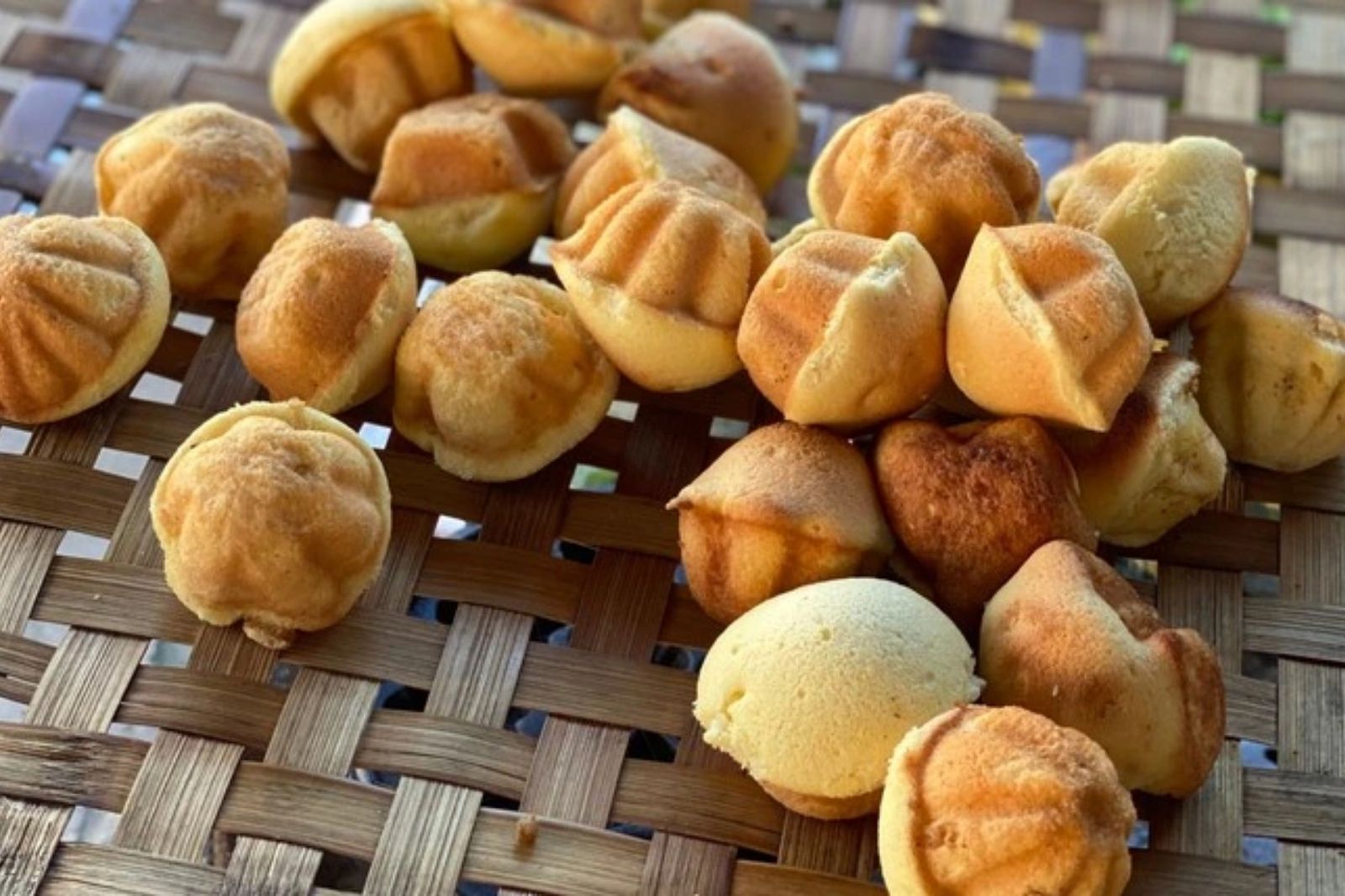
Banh thuan, also known as banh thung
Photo: Banh thuan, also known as banh thung 

In Hoi An cuisine, Banh Thuan carries deep cultural significance. It symbolizes luck and prosperity because when baked, the cake blossoms like an apricot flower—a flower representing spring and wealth. The people of Quang Nam often make Banh Thuan to offer to ancestors or give to friends, expressing a simple and genuine heart. Not just a rustic treat, Banh Thuan also evokes childhood memories, attached to warm gatherings around the hearth. Compared to modern sponge cakes, Hoi An Banh Thuan preserves traditional values, using natural ingredients and contributing to preserving the UNESCO culinary heritage of Hoi An Ancient Town.
2. Ingredients and how to make traditional Hoi An Banh Thuan

To make authentic Hoi An Banh Thuan, you need simple ingredients, but you must choose fresh ones to ensure the cake bakes up fluffy and fragrant. The main ingredients include:

  • Flour: All-purpose flour or arrowroot starch (extracted from arrowroot, a local tuber) is commonly used, about 250g for 5 eggs. Arrowroot starch gives the cake a chewy and crispier texture.
  • Eggs: 5 fresh duck or chicken eggs, creating fluffiness and a signature aroma.
  • Sugar: 250g white or granulated sugar, dissolved with eggs to create a subtle sweetness.
  • Seasonings: A touch of vanilla, baking powder, salt, lemon (to neutralize egg odor), and finely crushed fresh ginger to add warm flavor.
  • Other: Shredded coconut or maltose can be added to enhance richness.

The traditional recipe for making Hoi An Banh Thuan requires patience and skill, usually taking 1-2 hours of preparation and baking. Here is a detailed guide:

  • Preparing the mixture: Beat the eggs with sugar using a mixer or by hand until fluffy and pale cream-colored (about 15-20 minutes). Add vanilla, salt, lemon juice, and crushed ginger, then continue beating.
  • Mixing the flour: Sift all-purpose flour or arrowroot starch into the egg mixture, folding gently clockwise to prevent the batter from becoming dense. Add baking powder to help the cake expand fully.
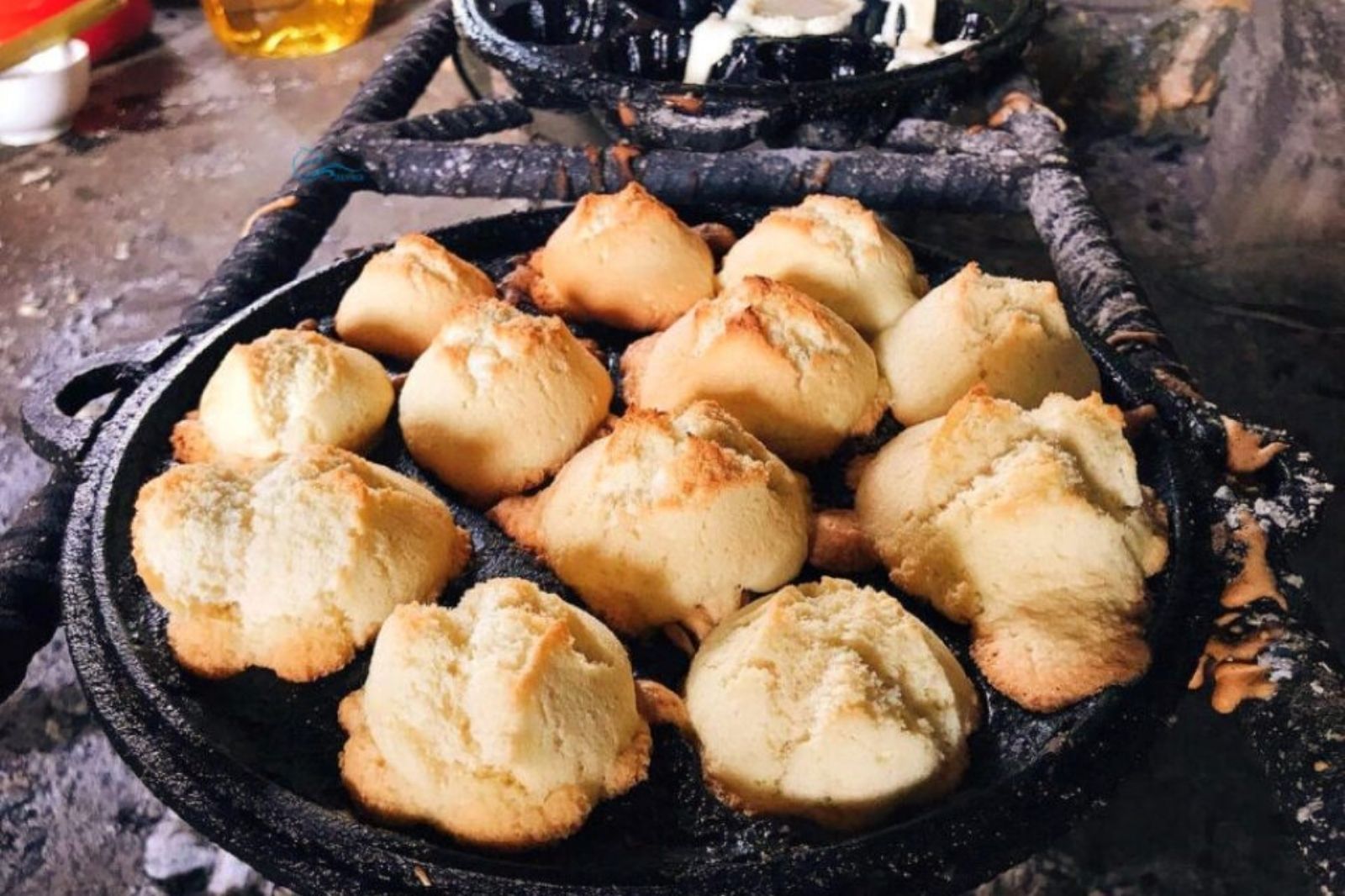
  • Baking the cake: Use a traditional cast iron mold (8-16 slots), greased with cooking oil or lard to prevent sticking. Pour batter into 2/3 of each mold slot. Baking over a wood fire is best, as even heat helps the cake turn golden brown and crispy. If using an oven, set it to 180°C for 15-20 minutes.
  • Finishing: The cake is done when the top spreads open and turns golden yellow. Let it cool on a wire rack to maintain crispiness.

Note: The Central Vietnam version is baked, unlike the Southern version which is steamed. To prevent the cake from having an egg smell, beat the eggs thoroughly and add lemon juice.

Banh thuan being baked in a cast iron mold
Photo: Banh thuan being baked in a cast iron mold 

3. How to properly enjoy Banh Thuan to fully savor its flavor

To fully enjoy the taste of Hoi An Banh Thuan, eat it warm right after baking. The cake features a crispy outer shell, a sponge-soft interior, a rich aroma of eggs and ginger, and a balanced sweet, rich flavor. Pair it with hot tea or black coffee to balance the flavor, stimulate your taste buds, and recall the nostalgia of traditional Tet holidays.

Tips to enjoy:

  • Pairing: Pair with fresh fruit like bananas or shredded coconut to add extra richness.
  • Storage: Store in an airtight container in a dry place, and consume within 3-5 days. If stored for a while, reheat in a microwave to retain crispiness.
  • Variations: Try adding toppings like lotus seeds or pandan leaves for a modern twist while preserving the traditional essence.

Banh thuan is not only delicious but also good for health when made with natural ingredients, providing energy from flour and eggs without being overly greasy.

4. Where to buy delicious, authentic traditional Hoi An Banh Thuan?

If you are traveling in Hoi An or looking to buy some as gifts, choose reputable addresses to ensure the cakes are fresh, delicious, and authentic. The price of Hoi An Banh Thuan is usually very affordable, around 20,000 VND per small bag.

  • Alley 30 Tran Hung Dao, Hoi An: A place selling fresh Banh Thuan made daily, featuring a rich, traditional flavor.
  • Hoi An specialty shops: Such as Hoi An Specialty Station or stalls at Hoi An Market, open all day with reasonable prices.
  • Location near Da Nang: 23 An Thuong 26, Da Nang – convenient if you stay in the neighboring area.

When purchasing, choose cakes that are evenly golden, fully bloomed, and naturally fragrant. Avoid mass-produced industrial cakes to preserve the cultural value of this specialty.

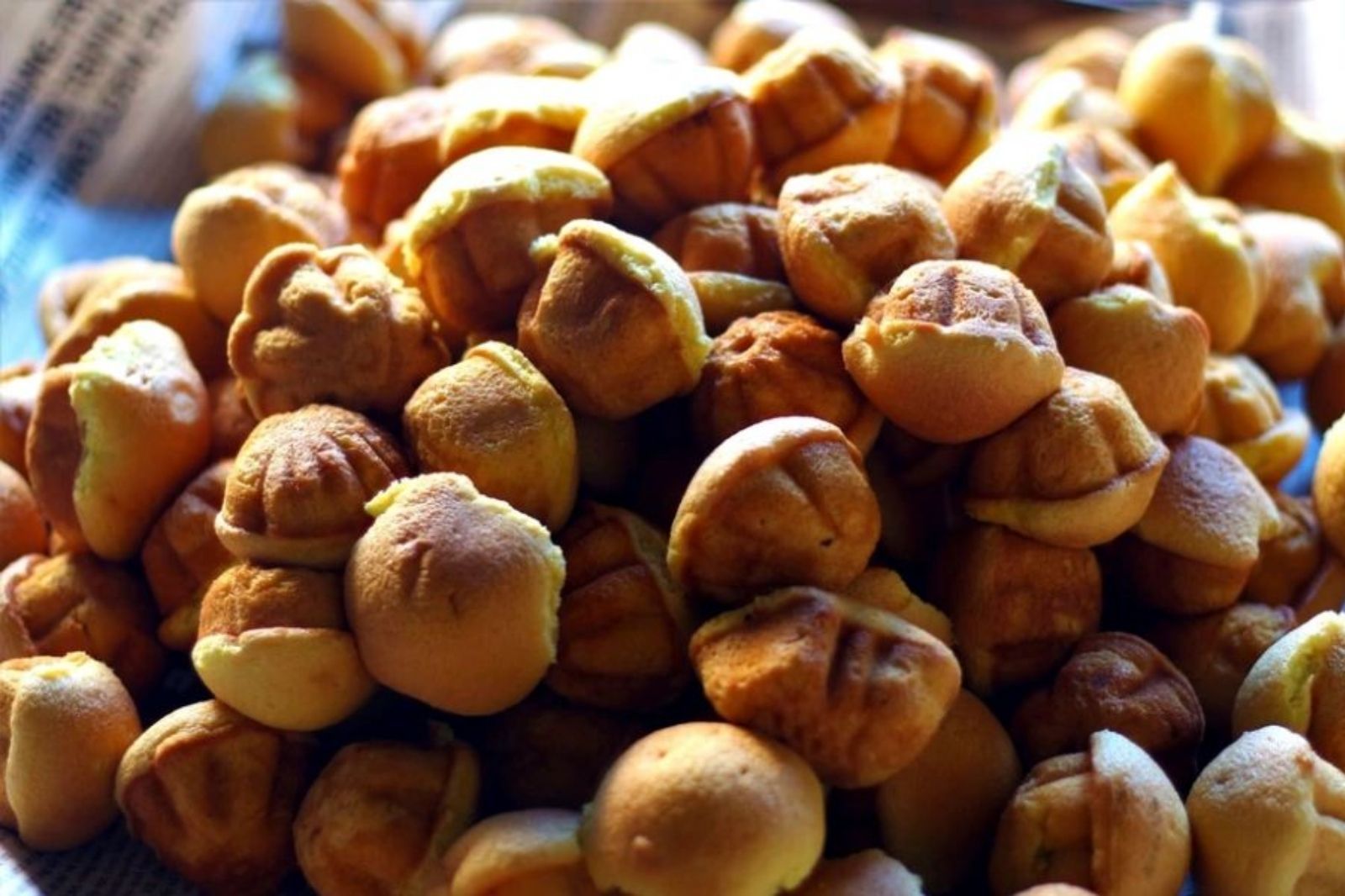
Banh thuan is a meaningful cake to buy as a gift
Photo: Banh thuan is a meaningful cake to buy as a gift 

Simple from ingredients to preparation, Hoi An Banh Thuan is not only a traditional cake but also a symbol of the genuine and warm-hearted nature of the Quang Nam people. Through generations, that familiar aroma has been preserved as a part of memory, tied to family reunions and the cultural beauty of Hoi An Ancient Town. Among countless specialties, Banh Thuan quietly stands out, reminding people that simplicity and sincerity are what make Hoi An cuisine endure in the hearts of diners.

Loading......

Featured destinations