How to Stay Safe When Visiting Rivers and Streams in Quang Tri
Central
Quang Tri
Sovaba.travel
Updated at: 24/09/2026
1. Why are Quang Tri's rivers and streams "appealing" yet "challenging"?
Quang Tri possesses a rich network of rivers, streams, and waterfalls, each boasting its own unique beauty:
Ben Hai River, Thach Han River: Not only historical witnesses, these two rivers also feature charming natural landscapes on both banks, attracting visitors for sightseeing and scenery viewing. A common characteristic of these large rivers is that they often have high water volumes during the rainy season and can experience sudden flow changes.
O Lau River (My Chanh River): Flowing into Tam Giang Lagoon, it offers a peaceful scenery characteristic of the river region.
Streams and waterfalls in mountainous areas: Ba Voi Waterfall (Huong Hiep), Luoi Waterfall (Mo O), Ta Du Stream (Tan Hop), Ta Puong Waterfall (Huong Viet)... These locations stand out with crystal-clear waters, moss-covered rapids, and pristine beauty, perfect for picnics and camping trips.
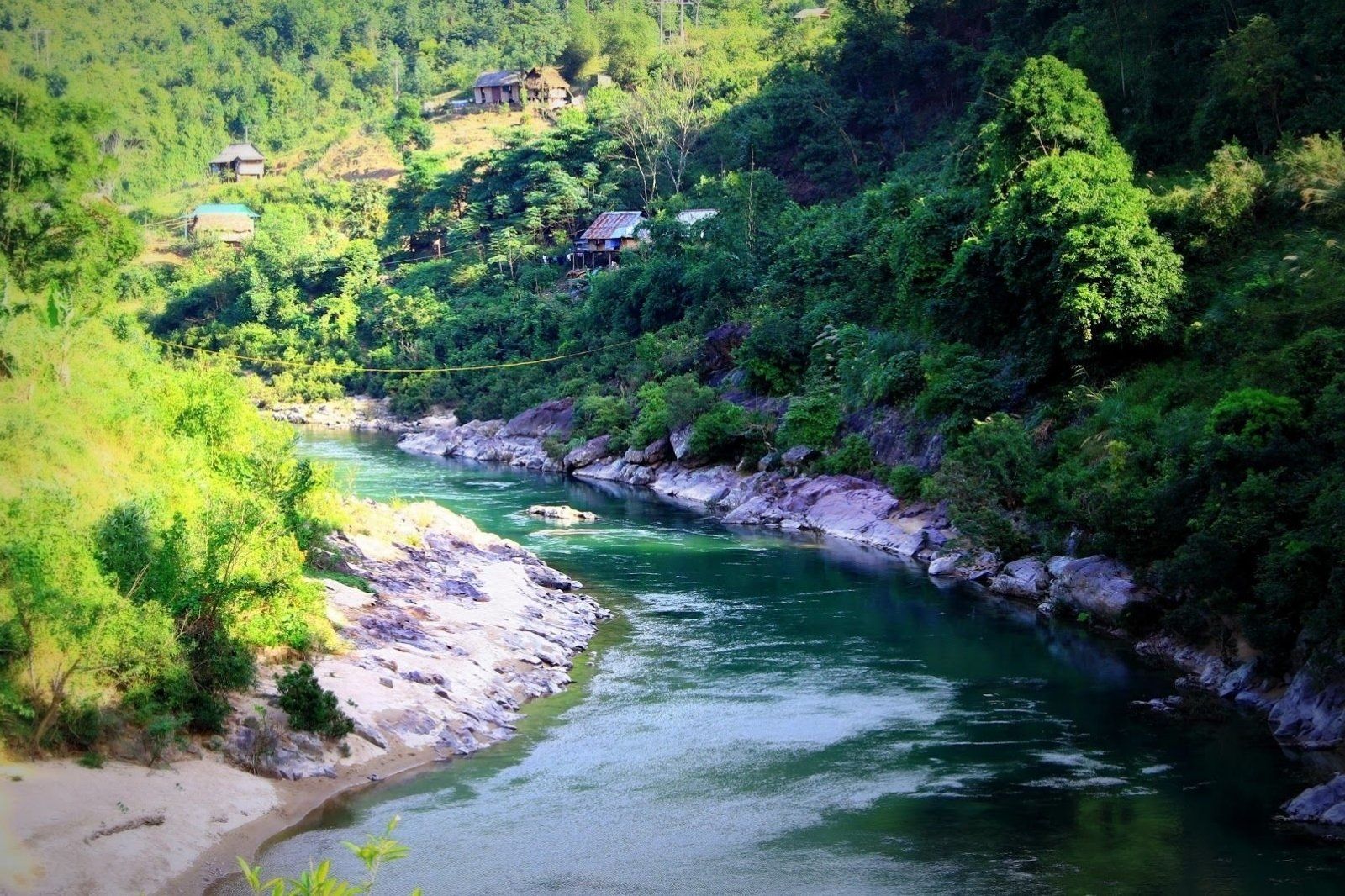
Photo: Natural beauty attracting many tourists
However, Quang Tri's specific topography – from high mountains to plains – gives rivers and streams here characteristics that require special attention:
Steep slope at the headwaters: Causing fast-flowing water and potential risks of localized flash floods, especially after heavy rains.
Harsh rainy and stormy season: Usually from September to December, Quang Tri faces prolonged heavy rains, causing severe flooding and landslides. Even during times like June, there can be unusual heavy rainfall, creating travel difficulties and posing many potential hazards.
Many deep pools and submerged rocks: These areas are very difficult to spot with the naked eye, especially when the water is murky or wavy.
These factors make visiting rivers and streams in Quang Tri exciting yet challenging, requiring thorough preparation and high vigilance.
2. Lurking Risks: Hazards That Cannot Be Ignored
A lack of knowledge and experience when participating in water activities or near river and stream areas can lead to unpredictable consequences:
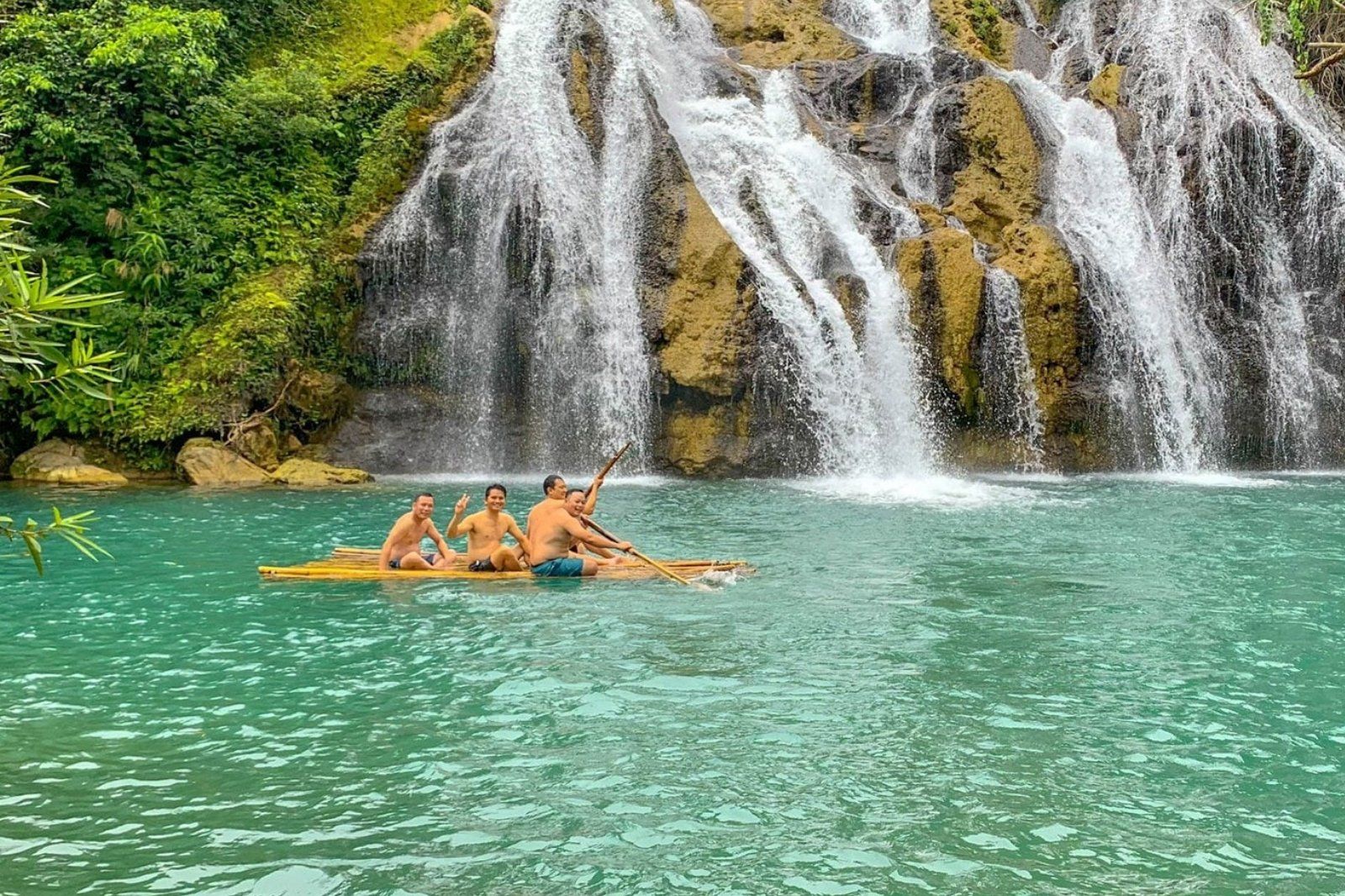
Photo: Tourists need to fully prepare risk prevention plans when visiting river and stream areas
Flash floods, sudden water rises: Most dangerous is when water rushes unexpectedly from upstream, sweeping away everything in its path. This situation usually happens very quickly, within just a few minutes.
Slips and injuries: Slippery rock surfaces due to moss, algae, or moisture are common causes of falls, ranging from minor scrapes to bone fractures and head injuries.
Trapped in whirlpools and deep pools: Fast currents can create strong whirlpools that pull people under. Unpredictable deep pools are also dangerous traps.
Landslides and rolling rocks: Especially in areas with steep mountain terrain and sheer cliffs, heavy rain can trigger landslides and rolling rocks at any time.
Infection from polluted water sources: Some unmanaged streams may be polluted by trash or chemicals, posing health risks if contacted directly or ingested.
To prevent these hidden dangers from turning your journey into a nightmare, raising awareness and equipping yourself with knowledge are prerequisites. Never compromise your safety or that of your loved ones due to subjectivity or lack of understanding.
3. The "Survival" Safety Guide to Exploring Quang Tri's Rivers and Streams
Don't let these risks hinder your journey of discovery. Equip yourself with the necessary knowledge and skills so that every trip becomes a memorable experience:
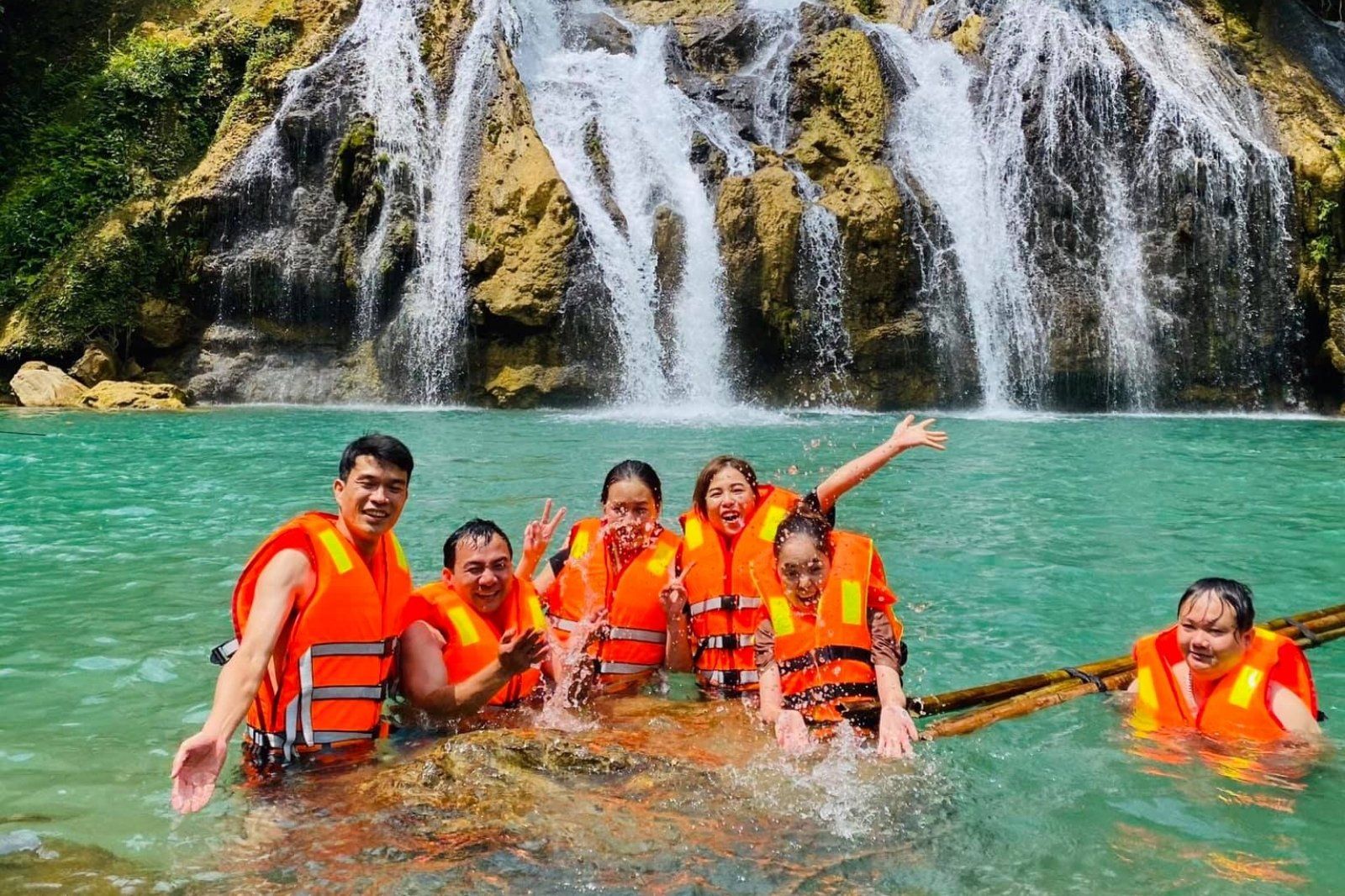
Photo: Pocket safety guide when playing at lakes, rivers, and streams
"Prevention is better than cure": Thorough preparation before the trip
Always, always check the weather forecast carefully. Absolutely do not go on days with heavy rain, flood warnings, flash floods, or landslides. Quang Tri's weather can change unexpectedly, so pay attention to continuous update reports from hydrological and meteorological agencies.
Research the terrain in detail: Thoroughly learn about the location you plan to visit. Is there a deep pool? Are there strong currents? Are there any warning signs? Use maps, travel reviews, and ask local people for advice.
Equip yourself like a pro backpacker:
Life jacket: An indispensable item when participating in any water activity. Do not be subjective even if you are a swimmer!
Specialized anti-slip footwear: Prioritize shoes with good grip and quick-drying soles to move safely on rocks and moss.
Waterproof backpack/bag: Protect your phone, wallet, and other important items from getting wet.
Personal first aid kit: Bandages, antiseptics, painkillers, insect bite ointment... to handle emergency situations.
Flashlight, compass/GPS: Useful after dark or in case you get lost.
Travel in groups with a knowledgeable guide: Never go alone. Ideally, go with local residents or experienced guides who know the safe and dangerous areas well.
Report your itinerary: Inform relatives or friends in detail about your plan, location, and expected return time.
Golden rules when around river and stream areas
Comply with all instructions and warnings: Always pay attention to and strictly obey danger signs, no swimming signs, and prohibited zones. These are the most important reminders for your safety.
Avoid unsafe places: Stay away from areas with fast currents, strong whirlpools, deep pools, or places without supervision/lifeguards. Even when the water appears calm, dangerous undercurrents may still lurk.
Move smartly:
Walk slowly and carefully watch every step, especially on slippery or mossy rocks.
Avoid walking too close to the river or stream banks, especially when water levels are high or currents are strong.
Do not run, jump, or push each other near the edge of the water.
Landslide areas: Never stop, camp, or rest underneath cliffs or steep slopes at risk of landslides.
Do not litter or pollute: Leave nothing but footprints and take nothing but beautiful photos. Protecting the river and stream environment is every visitor's responsibility.
Say no to stimulants: Alcohol, beer, and other stimulants reduce your judgment and reaction time, increasing the risk of accidents.
Close supervision: Always keep children in sight and do not allow them to approach or enter the water alone without adult supervision.
In case of an incident:
If you are swept away, try to stay calm, relax your body, and look for floating objects or the bank to grab onto.
Call for help by shouting loudly.
If you see someone in trouble, do not jump in to save them unless you are experienced and capable. Instead, try throwing a buoy, rope, or tree branch for them to grab onto, or quickly call for help from people nearby and rescue forces.
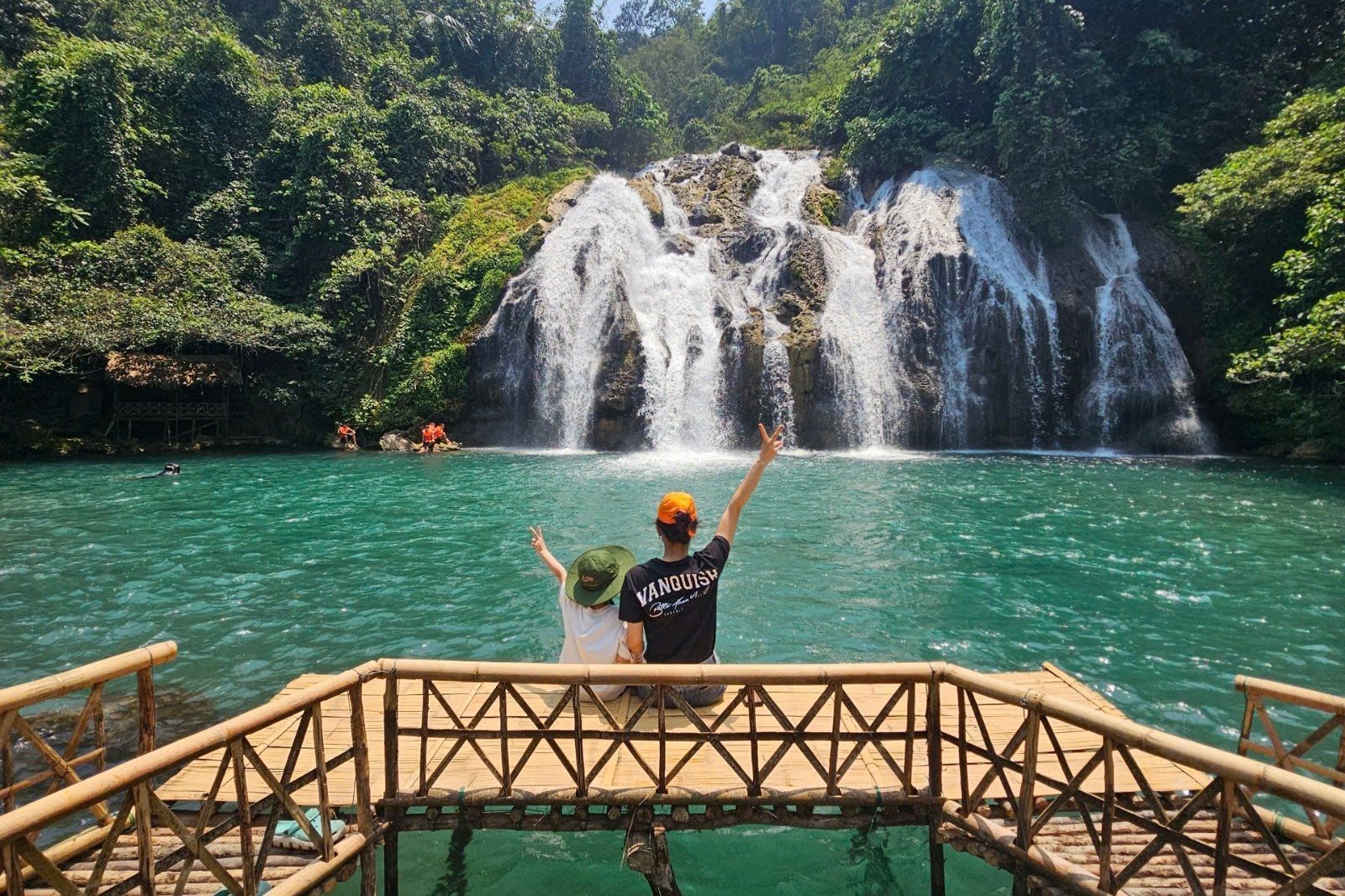
Photo: Tourists need to comply with safety rules when enjoying water activities
Quang Tri with its poetic rivers and streams is always ready to welcome you. However, nature always has its own rules and unpredictable dangers. Instead of taking risks for momentary thrills, be a wise tourist who knows how to protect yourself and those around you.
Always prioritize safety first, stay updated on local information, prepare thoroughly, and adhere to protection principles. That way, your journey to explore Quang Tri's rivers and streams will truly be a wonderful, memorable, and joyful experience!
With these valuable tips, you are ready to explore the majestic yet poetic beauty of Quang Tri's rivers and streams. Remember that Sovaba Travel is always by your side on every road, bringing you professionally designed Quang Tri tours that guarantee absolute safety and memorable experiences. Do not hesitate to contact Sovaba Travel to turn your dream trip into reality, fully enjoying the peace of nature without worrying about any risks.