Hue Chau Van: Spiritual Art Combining Music – A Unique Ritual

Central

Thua Thien Hue

Sovaba.travel

Updated at: 24/09/2026

1. Mother Goddess Worship – The Foundation of Chầu Văn Art

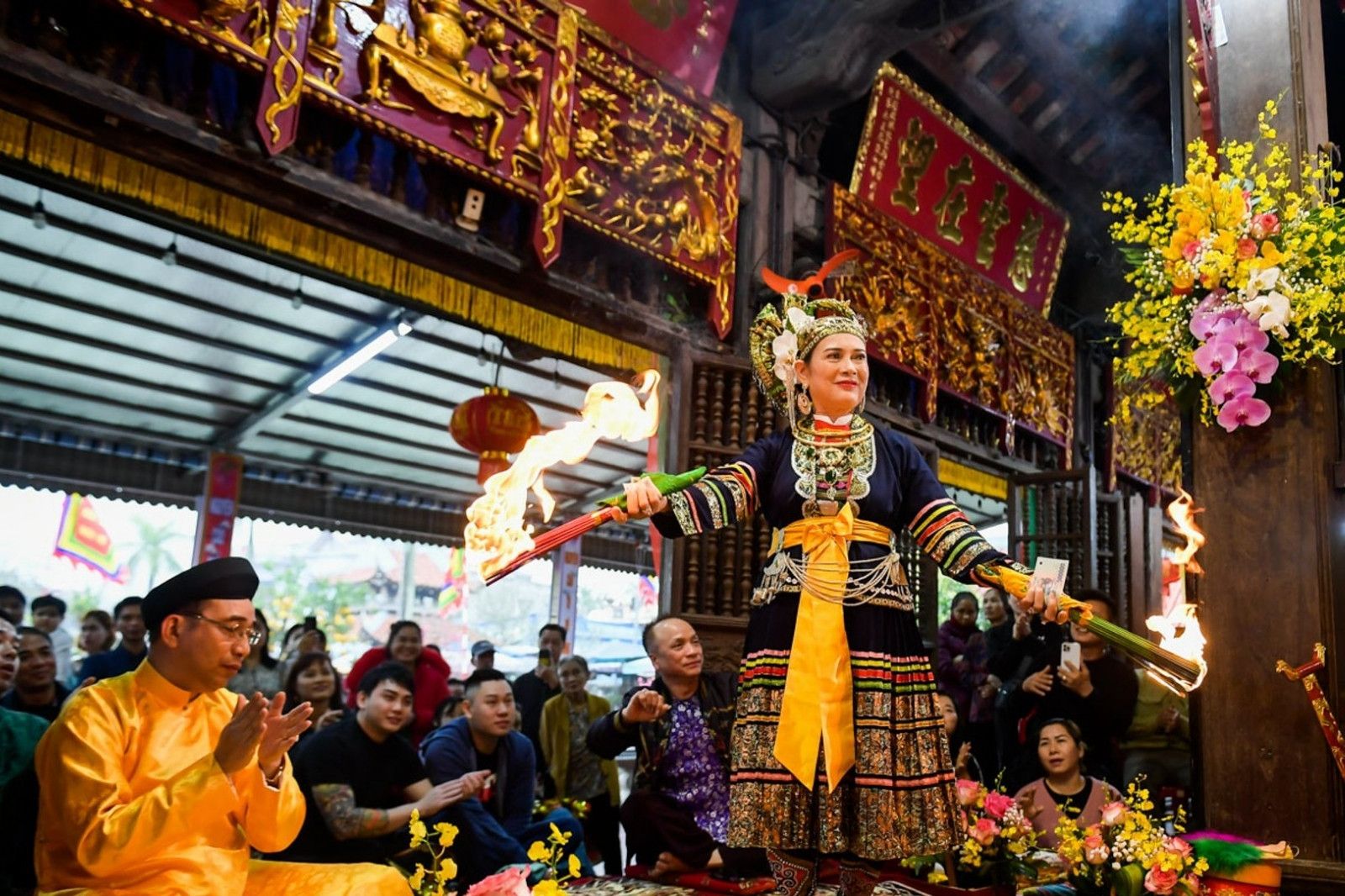
Hue Chau Van is closely associated with Mother Goddess worship, a spiritual cultural trait with a long history. The origin of this belief stems from the custom of Mother worship, honoring the sacred role of women in agricultural life. Through the process of southward expansion, Mother Goddess worship in the North (with Holy Mother Lieu Hanh) intersected with the worship of Goddess Thien Y A Na in the Central region, creating a unique identity in Hue known as Thien Tien Thanh Giao.

Hue Nam Temple, also known as Hon Chen Temple, on the banks of the Perfume River is the most important sanctuary of this belief. Under the reign of King Dong Khanh, Mother Goddess worship was encouraged by the feudal government, turning Hon Chen Temple into a pilgrimage center. This support created favorable conditions for related rituals and art forms to develop, most notably Chau Van singing.
Mother Goddess worship, the foundation of Chau Van culture
Photo: Mother Goddess worship, the foundation of Chau Van culture

2. Hue Chầu Văn Singing – The Song of the Sacred Realm

Chau Van singing is an indispensable element in the Hau Dong (spirit mediumship) rituals of Mother Goddess worship. Although originating from the North, Hue Chau Van has developed its own distinct characteristics, suited to the culture and performance environment of the ancient capital.

The content of Chau Van songs usually tells the legends and praises the virtues of saints, gods, and immortals. The lyrics combine with music to invoke divine spirits to descend to earth, entering the "mediums" to grant blessings, heal diseases, and guide living beings.

The biggest difference between Hue Chau Van and Northern Hat Van is the performance format and the orchestra.

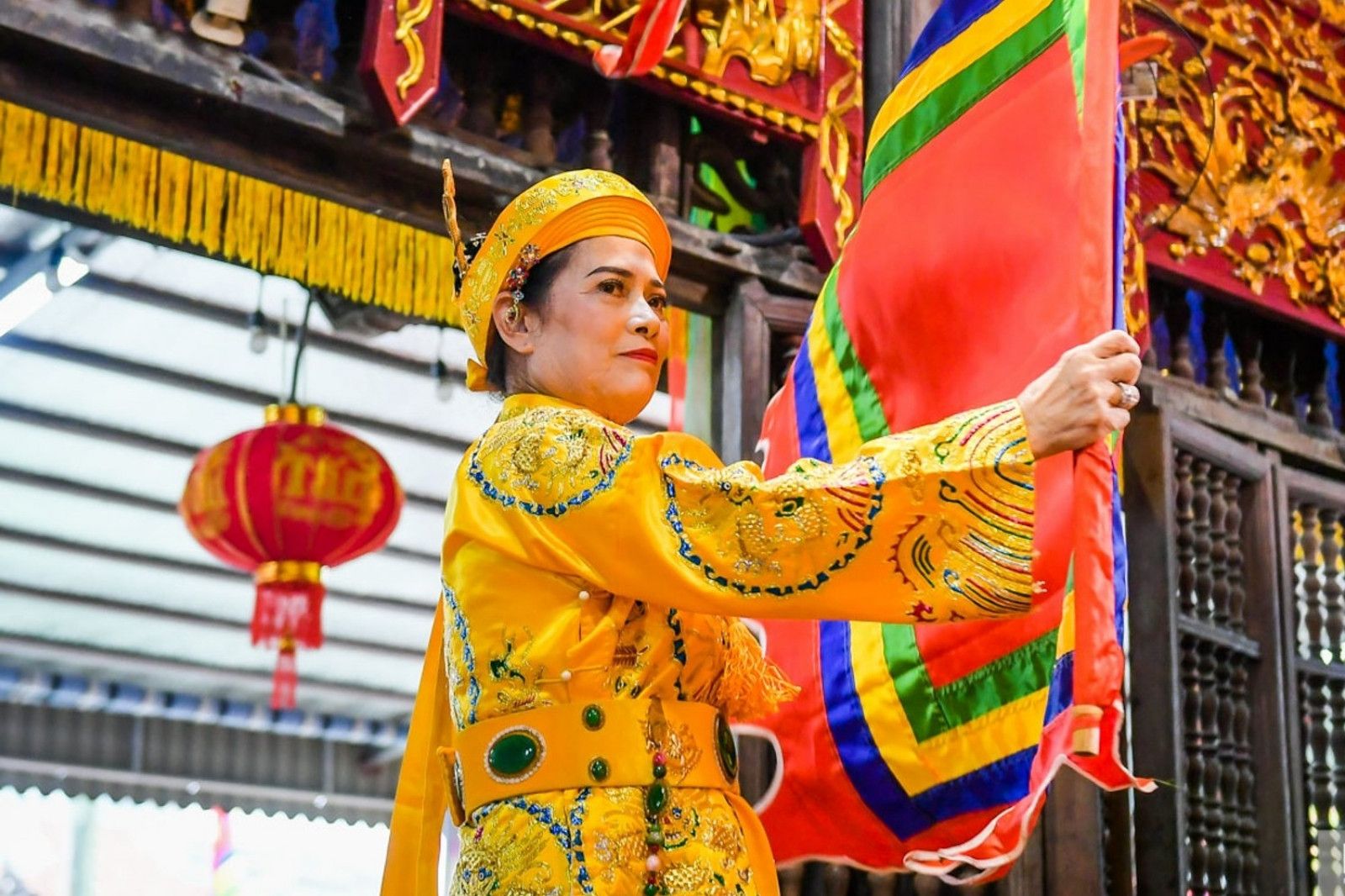
  • Performance format: While Northern Hat Van usually features solo singing, Hue Chau Van can be performed solo, in duets, or in ensembles with a group of Cung Van (musicians and singers) of up to 8-10 people. The Cung Van do not just sit and sing, but also stand up and dance according to the characteristics of each ritual session, adding vibrancy and drama to the ceremony.
  • Music and instruments: Hue Chau Van music is built on traditional pentatonic scales, but with flexible variations. The main instruments usually include the moon lute (dan nguyet), drums, clappers (phach), and bronze cymbals (thanh la). Later, other instruments were added, such as the two-stringed fiddle (dan nhi), monochord (dan bau), flute, and even scalloped-fret guitar. The combination of melodies such as phu, sap, con along with rhythms that alternate between slow, narrative paces and fast, intense beats serves to guide and hypnotize listeners, making it easier for the medium to enter a state of possession.
Hue Chau Van singing, the voice of the sacred realm
Photo: Hue Chau Van singing, the voice of the sacred realm

With all these unique characteristics, Hue Chau Van is not only a spiritual ritual but also a remarkable folk music genre, where ritual solemnity blends with artistic freedom, creating a distinct cultural heritage for the ancient capital land.

3. The Role of Chầu Văn in Hầu Đồng Rituals

In Hau Dong rituals, Chau Van plays an important role as a bridge between the spiritual world and humans. The saying "Phi van chau bat thanh hau thanh" (Without Chau Van singing, spirit possession cannot occur) confirms the irreplaceable position of this art form.

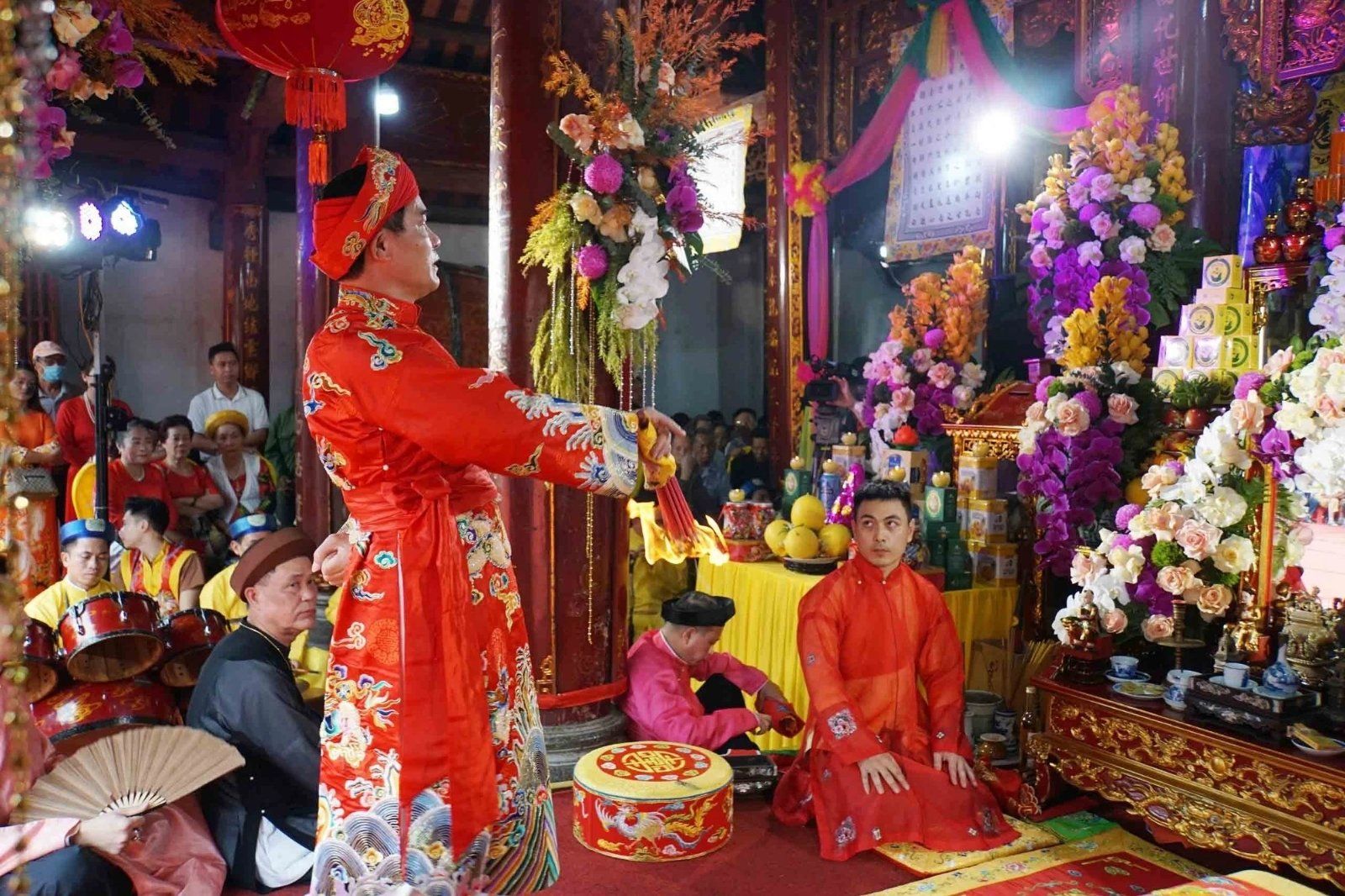
When the medium begins to enter possession, the musicians play melodies suitable for each deity. Each deity possesses a unique personality, costume, and dance, which Chau Van music "recreates." For instance, when serving High Mandarins, the music carries a majestic and solemn tempo; when serving Princesses, the singing becomes soft and graceful.

The perfect combination of music, lyrics, costumes, ceremonial offerings, and an atmosphere filled with burning incense creates a colorful spiritual world. It not only helps the medium become possessed but also transports participants into a surreal space where they can send their prayers, wish for peace, and overcome life's difficulties.

Chau Van is a sacred bridge between the spiritual world and humans
Photo: Chau Van is a sacred bridge between the spiritual world and humans

4. Cultural Values to Be Preserved

Hue Chau Van is often performed in front of altars at shrines, temples, and especially Hon Chen Temple. This is not only a spiritual ritual but also a unique folk music form, reflecting human aesthetic needs and spiritual aspirations. Chau Van singing is an invaluable art form that needs to be preserved and promoted so as to not fade over time.

Preserving Hue Chau Van means protecting a unique aspect of Vietnam's spiritual culture, an image of national culture rich in local flavor crystallized through historical transformations.

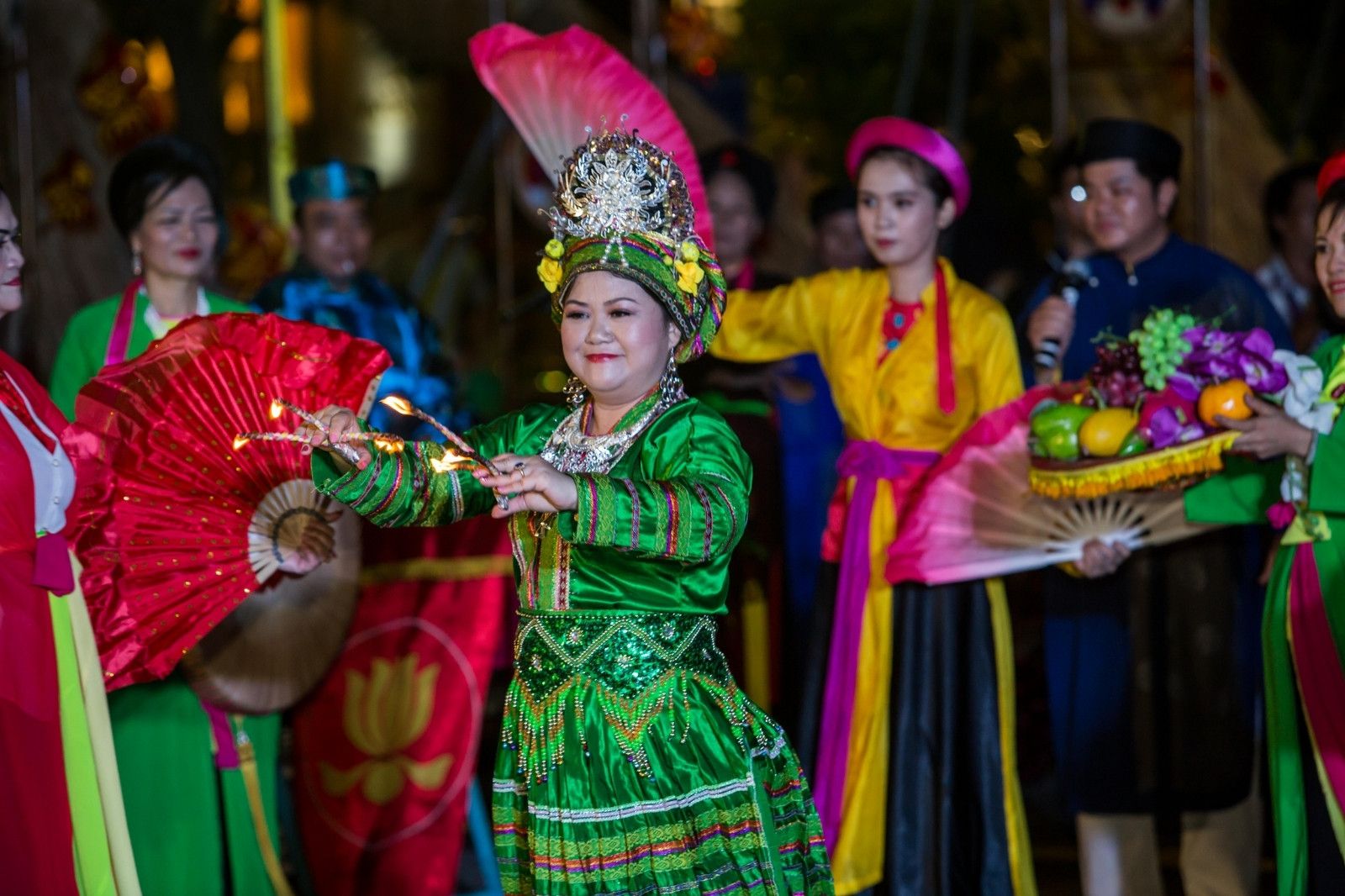
Hue Chau Van is not merely a spiritual ritual or a folk music form, but also a living cultural heritage. It represents the harmony between deep faith and refined art, where past and present intersect. Preserving and promoting Hue Chau Van means safeguarding a part of the soul of Vietnamese culture, allowing sacred chants and graceful dances to continue echoing, telling the story of an ancient capital that is tranquil yet full of spiritual vitality.

Chau Van singing, a part of the soul of Vietnamese culture
Photo: Chau Van singing, a part of the soul of Vietnamese culture

Let your journeys be crafted alongside those with deep insights into local culture, like the team at Sovaba Travel. It is not just about sightseeing, but listening to and feeling the sacred sounds echoing from the past. Your trip will be more than just a memory; it will be a deeply connecting experience with the spiritual heritage of the Ancient Capital.

Loading......

Featured destinations