|

Back Home

Hue Imperial Cuisine: The Art of Presentation and Delicacy in Every Royal Dish

Central

Thua Thien Hue

Sovaba.travel

Updated at: 28/08/2026

1. Highlights of Hue royal cuisine

Hue imperial cuisine carries many distinctive values, distinguishing it clearly from folk cuisine.

Elaborateness and Sophistication

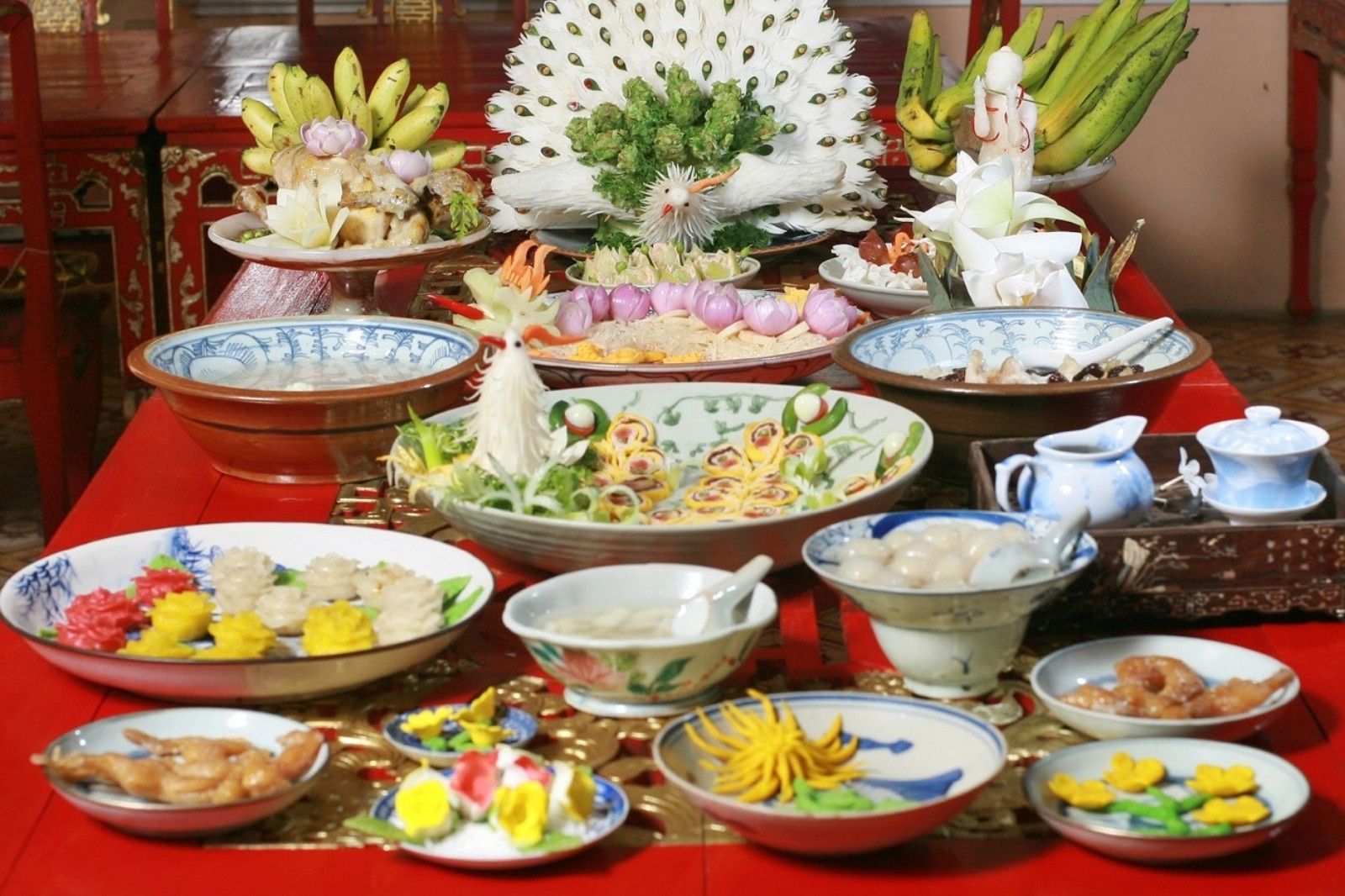
This is the most important element. From selecting ingredients to cooking, everything is meticulously executed. Ingredients must be rare and precious produce from across the nation, offered to the king by local provinces. Examples include Khanh Hoa bird's nests, Tinh Tam lotus seeds, or peacock spring rolls and phoenix sausage. The preparation process requires not only high technical skill but also dexterity to shape the dishes, turning them into true works of art.
Sophistication and elegance in food presentation
Photo: Sophistication and elegance in food presentation

Nutritional and Medicinal Value

Every dish adheres to the principle of Yin-Yang and the Five Elements, not only to nourish health but also to prevent illness. Royal chefs researched and combined ingredients scientifically to create dishes that were both delicious and health-restorative, helping royalty maintain health and longevity.

Harmonious Blend of Art and Aesthetics

Hue imperial cuisine is also an art of presentation. The colors of dishes are harmoniously coordinated according to the principles of the Five Elements. Presentation is exceptionally refined, using high-end tableware such as jade cups and porcelain plates adorned with dragon and phoenix motifs. Even minor details like carved fruits are carefully attended to, creating a luxurious and noble appearance.

Crystallized from the essence of ingredients, the skill of chefs, and a profound philosophy of life, Hue imperial cuisine goes beyond being mere food; it has been elevated into a unique art form, clearly showcasing the culture, aura, and prestige of royalty.

2. Signature dishes of Hue royal cuisine

Hue imperial cuisine boasts a long list of exquisite dishes, some of which have become iconic, such as:

Royal Rice (Com Ngu)

Royal rice, or the king's meal, was the daily meal of royalty, embodying essence and refined simplicity. The meal typically consisted of many small dishes presented in characteristic blue-and-white porcelain bowls. Signature dishes in a royal meal include lotus-leaf steamed fish, royal sour shrimp, or lotus soup. Each dish was carefully prepared and presented, reflecting the unique culinary culture and luxury of the royal family.

Royal rice served to the King
Photo: Royal rice served to the King

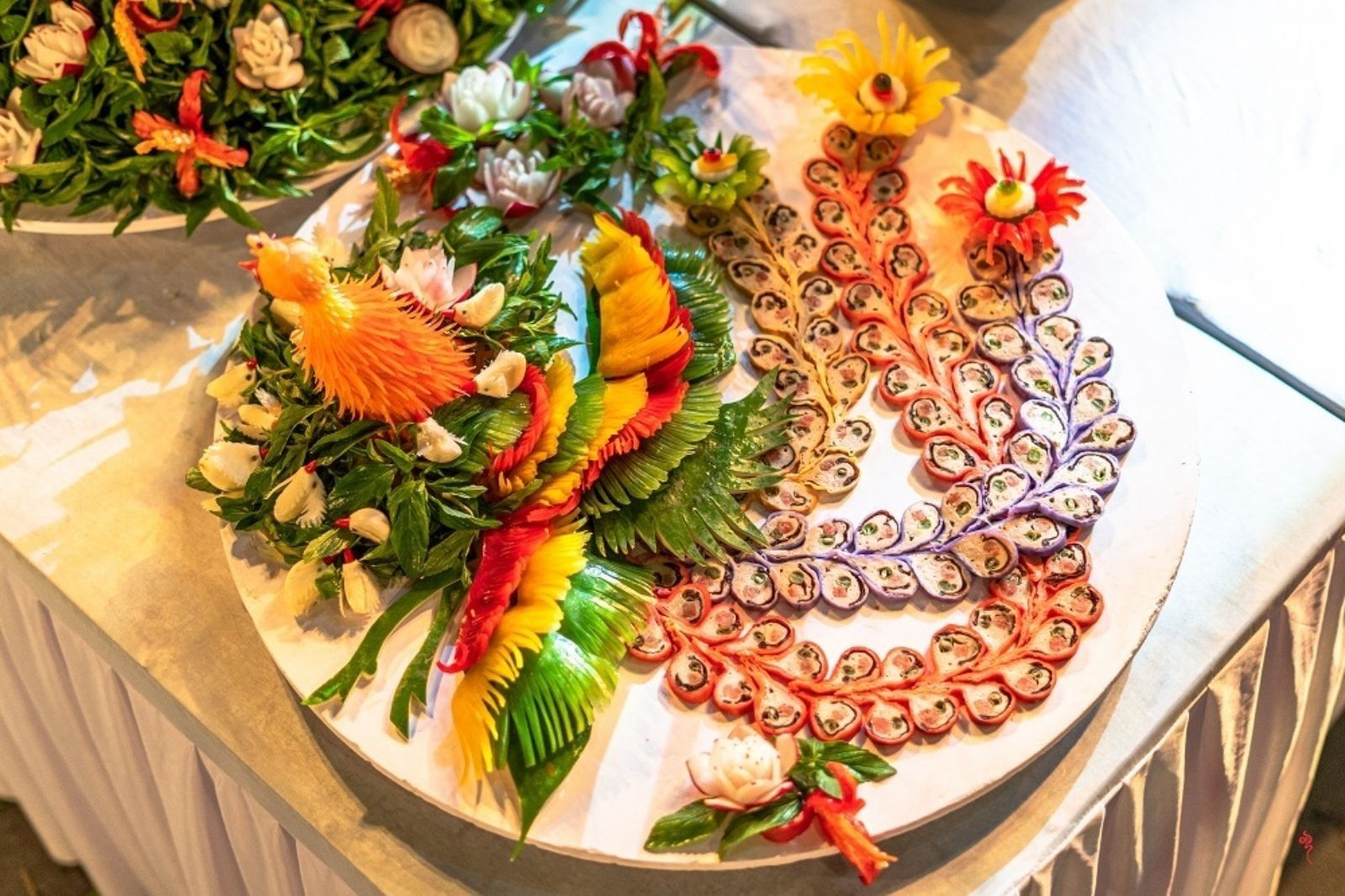
Peacock Spring Rolls and Phoenix Sausage (Nem Cong, Cha Phung)

These are two highly symbolic dishes representing power and nobility. Historically, they were prepared using peacock and phoenix meat—legendary creatures that only appeared in imperial spaces. Today, ingredients have been replaced with chicken and pork, but the intricate and sophisticated preparation and styling are still preserved, recreating the flavors of the past.

Peacock spring rolls and phoenix sausage
Photo: Peacock spring rolls and phoenix sausage

Imperial Cakes and Sweet Soup Desserts

Cakes and sweet soups are also indispensable parts of Hue imperial cuisine, highlighted by their variety and beautiful appearance.

  • Five-color cakes symbolize the Five Elements with five harmonious colors.
  • Phuc linh cake is decorated with dragon and phoenix motifs, carrying solemn meaning.
  • Lotus seed and longan sweet soup is a delicate combination of the light sweetness of longan and the rich aroma of lotus seeds.
  • Notably, tapioca sweet soup with roasted pork is a unique creation, blending savory meat with sweet soup, offering a surprising culinary experience.
Imperial Sweet Desserts
Photo: Imperial Sweet Desserts

These iconic dishes are not only the pinnacle of culinary art but also a mirror reflecting a grand part of history and the majestic lifestyle of the former court, delivering an experience rich in cultural depth and value.

3. Cultural value and the future

Today, the value of Hue imperial cuisine has extended beyond royal enclosure boundaries to become a cultural heritage accessible to everyone. The restoration and presentation of imperial banquets in Hue are not merely about recreating a meal, but rather a journey taking visitors back in time to experience the regal ambiance and demeanors of old. At many high-end restaurants, these banquets are elaborately organized, harmoniously paired with Royal Court Music (Nha Nhac) – an Intangible Cultural Heritage of Humanity – creating an impressive multi-sensory experience.

The growth of this cultural-culinary tourism contributes to promoting Vietnam's culinary brilliance to the world, while playing a vital role in preserving and promoting national identity amid globalization. It demonstrates that traditional values are never outdated, but possess renewed vitality, ready to vividly and charmingly tell the story of a bygone era.

Essence of Hue imperial cuisine in every dish
Photo: Essence of Hue imperial cuisine in every dish

Although feudal dynasties have faded into the past, the essence of Hue imperial cuisine lives on vividly through every dish, becoming an invaluable cultural heritage. Today, visitors coming to the ancient capital can not only admire historical architectural landmarks but also immerse themselves in a royal culinary world through Hue tours

The experience of enjoying an imperial banquet while listening to traditional court music in a restored royal setting is a wonderful way to taste history and fully appreciate the beauty, refinement, and depth of Hue culture. This is not just a meal, but a journey back to the roots, affirming Vietnamese traditional values in modern times.

Loading......

Featured destinations