Hue Tré Specialty: A Rustic Delicacy That Captivates Diners Near and Far

Central

Thua Thien Hue

Sovaba.travel

Updated at: 24/09/2026

1. What is Hue Tré?

Hue Tré is a traditional dish deeply rooted in the daily lives of the people in the Ancient Capital. It is made from pork, spices, and specific leaves, then naturally fermented. This exact process creates a refreshing sourness, robust spiciness, and rich aroma, making it completely distinct from Thanh Hoa fermented pork rolls (nem chua) or Hue grilled pork skewers (nem lụi). What makes tré unique is the skillful combination of rustic ingredients with meticulous preparation, reflecting the characteristic sophistication of Hue people.

Beyond being a familiar snack, tré is also featured in Tet holiday feasts, death anniversaries, and is often chosen as a meaningful gift for travelers leaving Hue. The flavor profile of Hue tré is a balanced blend: the mild tang of fermentation, the fiery kick of chili, the nutty fragrance of roasted rice powder (thính), and the crunchy, rich texture of pork—all combining into an unforgettable culinary experience imbued with the soul of Hue's countryside.
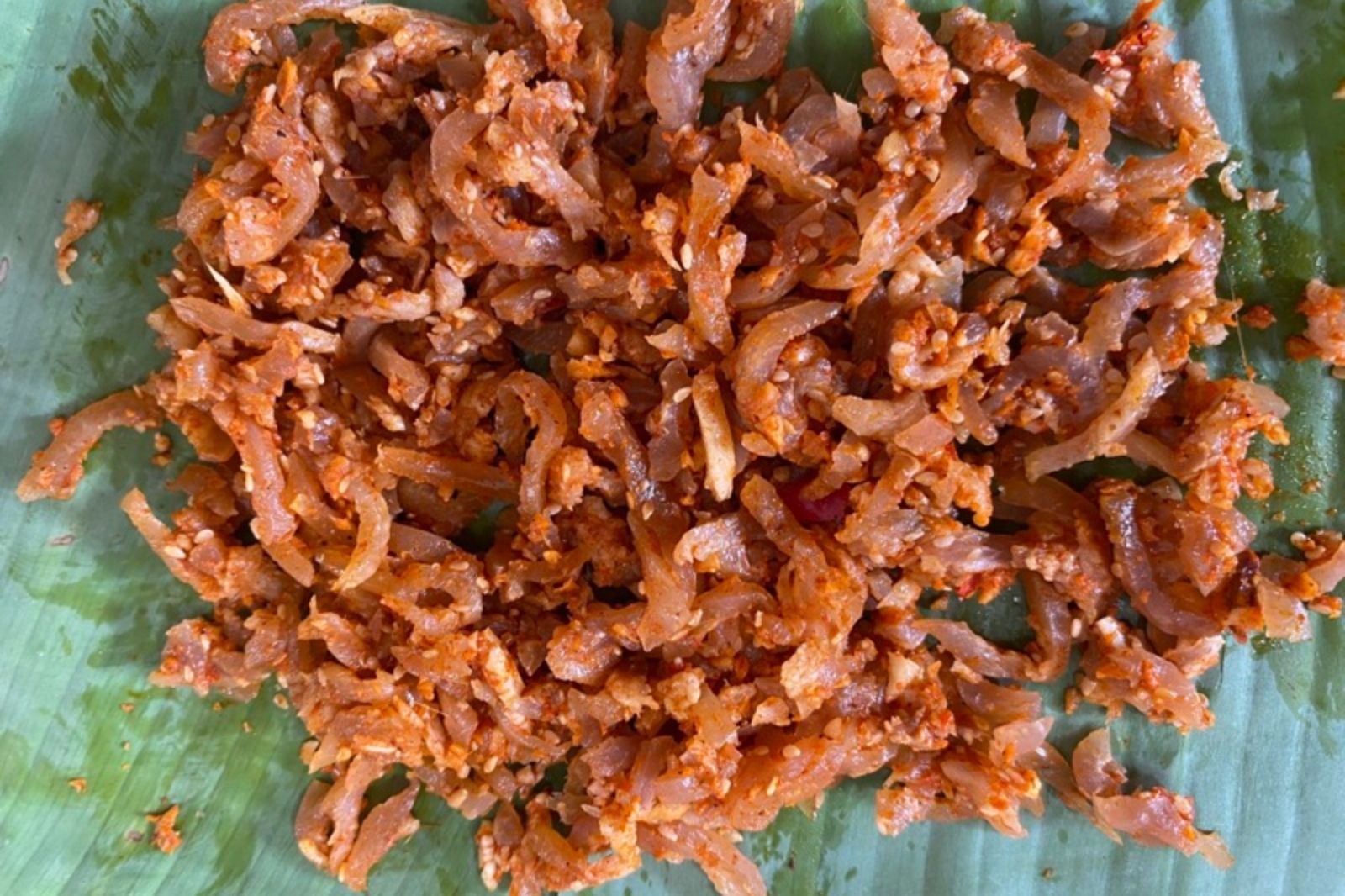
Tré is a dish prepared through natural fermentation
Photo: Tré is a dish prepared through natural fermentation

2. Ingredients for making Hue Tré

To craft authentic Hue tré, ingredients are meticulously selected to ensure freshness and quality. Here are the main components:

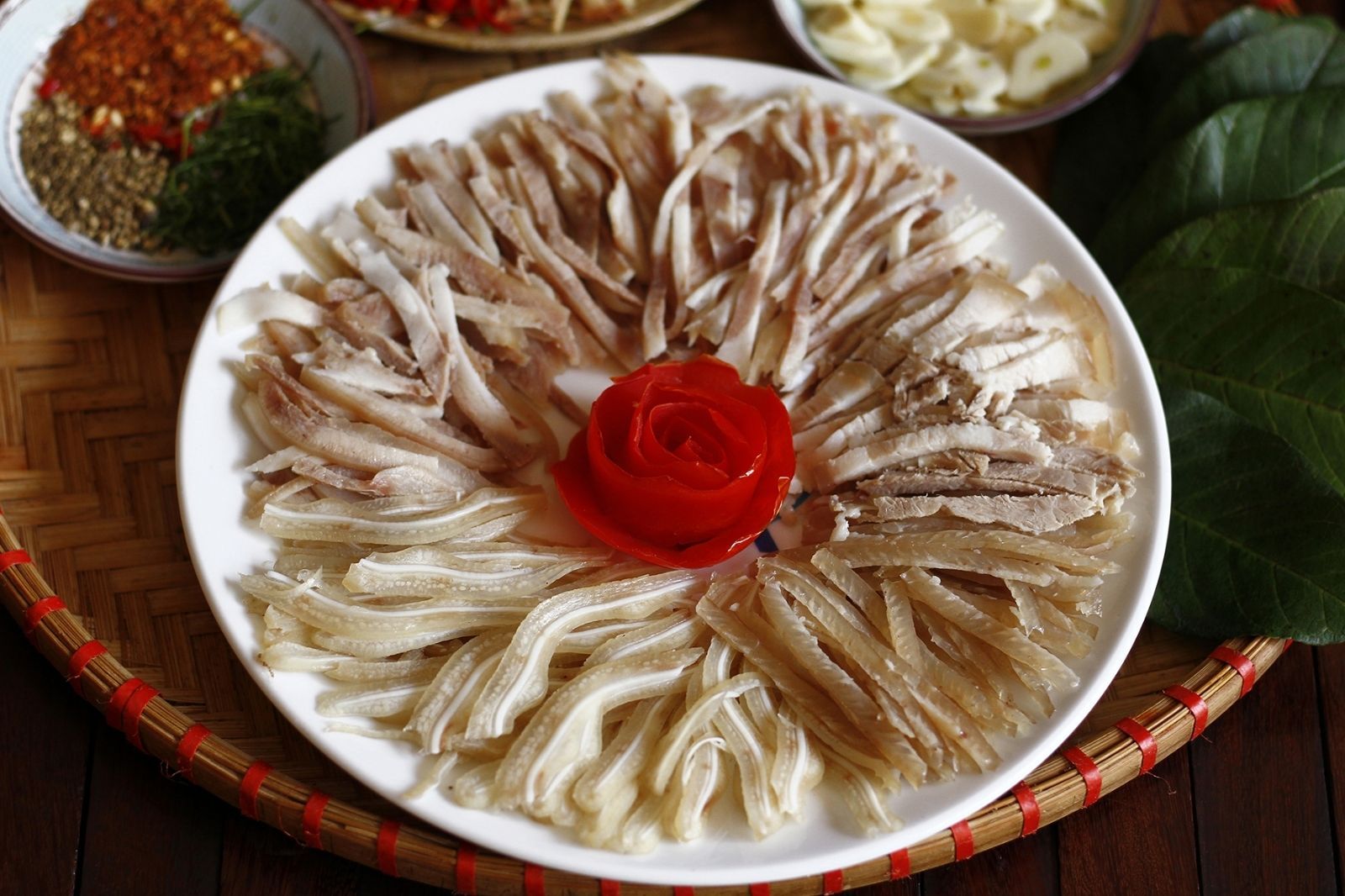
  • Pork: Commonly uses pork ears, snout, and skin (around 1kg of ears/snout and 200g of skin), sometimes combined with pork belly for added richness.
  • Spices & Seasonings: Galangal (300g), fresh chili (100g), dried chili (50g), garlic, salt, sugar, and especially roasted rice powder / thính (half a rice bowl), the key ingredient for its signature aroma.
  • Wrapping leaves: Young guava leaves and banana leaves are essential. Guava leaves impart a distinct fragrance, while banana leaves facilitate proper fermentation and extend shelf life.

Though simple, these ingredients, under the skillful hands of the maker, transform into a flavorful dish that diners simply cannot resist.

Ingredients for making Hue tré
Photo: Ingredients for making Hue tré 

3. The meticulous way Hue people make Tré

To make Hue tré, locals pour meticulous care and patience into every step, as each stage dictates the dish's signature flavor. Main ingredients usually include pork ears, snout, and skin, boiled just right to preserve their crunchy texture, then thinly sliced. Galangal, garlic, chili, along with fragrant roasted rice powder form the soul of tré, creating its characteristic fiery and tangy flavor.

When mixing the ingredients, Hue locals skillfully ensure the spices are evenly infused, then wrap them in tender guava leaves—a layer that imparts a subtle fragrance and refreshing taste. Externally, tré is wrapped in banana leaves and tied tightly with bamboo strings, keeping the filling compact while allowing natural fermentation.

After just 2–3 days, tré is fully fermented, releasing its distinct aroma—a mild sourness combined with a kick of heat and the satisfying crunch of pork. Hue locals often prepare tré during Tet holidays, ancestors' death anniversaries, or to entertain guests, because to them, it is not just a dish, but a piece of memory tied to togetherness and family warmth.

4. How to enjoy authentic Hue Tré

Hue Tré can be enjoyed in various ways depending on personal preference and taste. Below are the two most popular ways:

Classic / Original Style

  • Once fermented, the banana leaves are peeled off, and tré is eaten directly with fresh garlic, fresh chili, and polyscias (đinh lăng) leaves. This way allows diners to best appreciate the refreshing sourness, vibrant spiciness, and rich aroma of tré.
  • The original flavor of tré is particularly suitable for sipping drinks with friends or as an appetizer before a meal.

Tré Mixed with Fermented Pork & Vietnamese Sausage (Tré trộn nem chả)

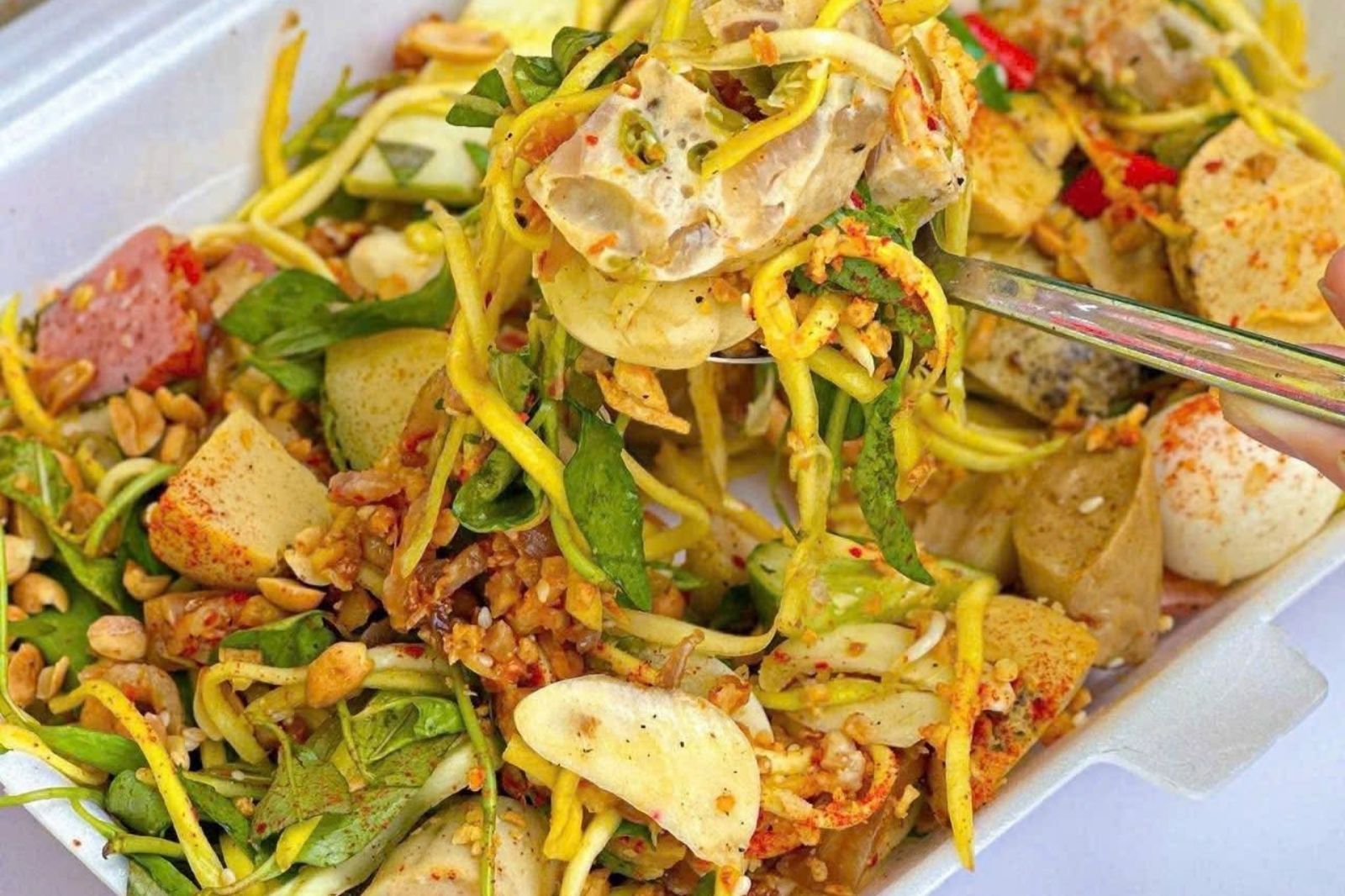
  • Hue tré is often mixed with fermented pork (nem) and Vietnamese sausage (chả), creating an enticing street food snack. This mix is eaten with rice paper, fresh herbs, cucumbers, and dipped in sweet and sour fish sauce, offering a diverse culinary experience of flavors and textures.

Additionally, Hue tré can be used as a bread topping for banh mi or served alongside steamed white rice and boiled pork, offering great versatility in preparation and enjoyment.

Tré mixed with nem and chả
Photo: Tré mixed with nem and chả 

Not only a delicious dish, Hue tré is also a gift imbued with cultural heritage, ideal for giving to family and friends after a trip to Hue. With an affordable price (around 50,000 - 100,000 VND/kg depending on the shop), Hue tré easily becomes an ideal souvenir from the land of the Perfume River. For travelers, enjoying tré is a way to better understand the lifestyle and culinary culture of Hue people, where simplicity always hides an unmistakable sophistication. Perhaps it is this authenticity that creates such a special appeal, making Hue tré one of the specialties that lingers in the hearts of visitors from afar.

Loading......

Featured destinations