Hue's Kitchen God Statue Making Craft: A Traditional Craft Village Keeping the Flame of Folk Culture Alive
Central
Thua Thien Hue
Sovaba.travel
Updated at: 24/09/2026
1. Dia Linh: A unique surviving craft village in Hue
Located next to Bao Vinh Ancient Town, Dia Linh Village (Huong Vinh Ward, Hue City) is one of the rare places that still preserves the craft of making terracotta Kitchen God statues. According to the elders, this craft has a long history, originating from the Nguyen Dynasty when the royal court established the "Ne Ngwa Tuong Cuc" (Tile and Statue Bureau) here to manufacture bricks and tiles for architectural works. Realizing the high quality of clay in the village, local residents turned to molding Kitchen God statues, passing the trade down through generations.
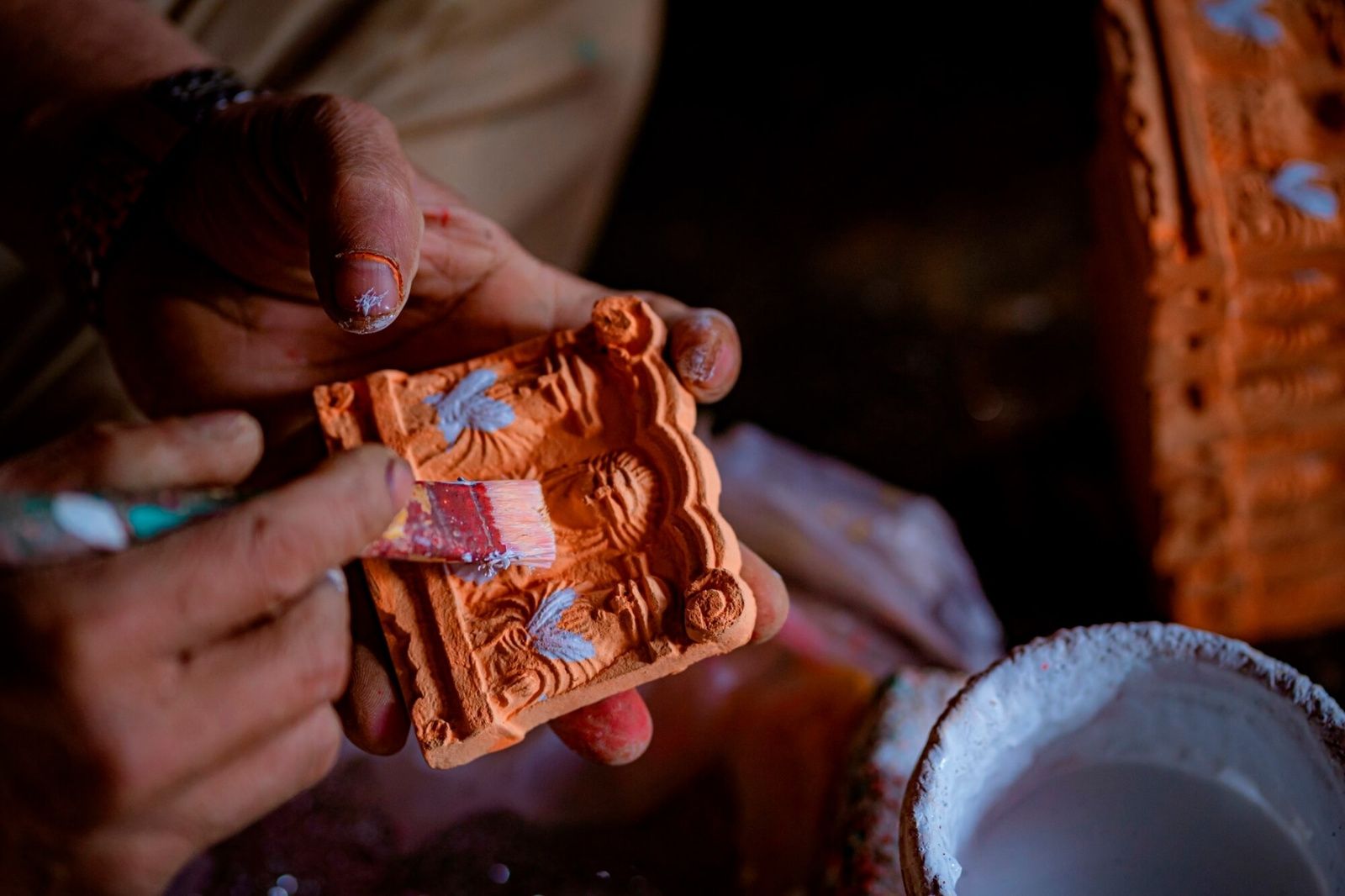
Photo: Unique remaining craft village in Hue
Although there was a time when the Kitchen God statue-making craft boomed, today, due to low income and hard labor, only about five households in the entire village stick with the trade. They are dedicated artisans, such as Mr. Vo Van Duc, Mr. Vo Van Nam, and Mr. Vo Van Hai, who work day and night to keep their ancestors' craft flame alive.
2. The meticulous process of crafting a statue
To create a small Kitchen God statue, Dia Linh artisans must go through many meticulous and painstaking steps. The peak season usually begins in the 12th lunar month, when the entire village comes alive with bustle and haste.
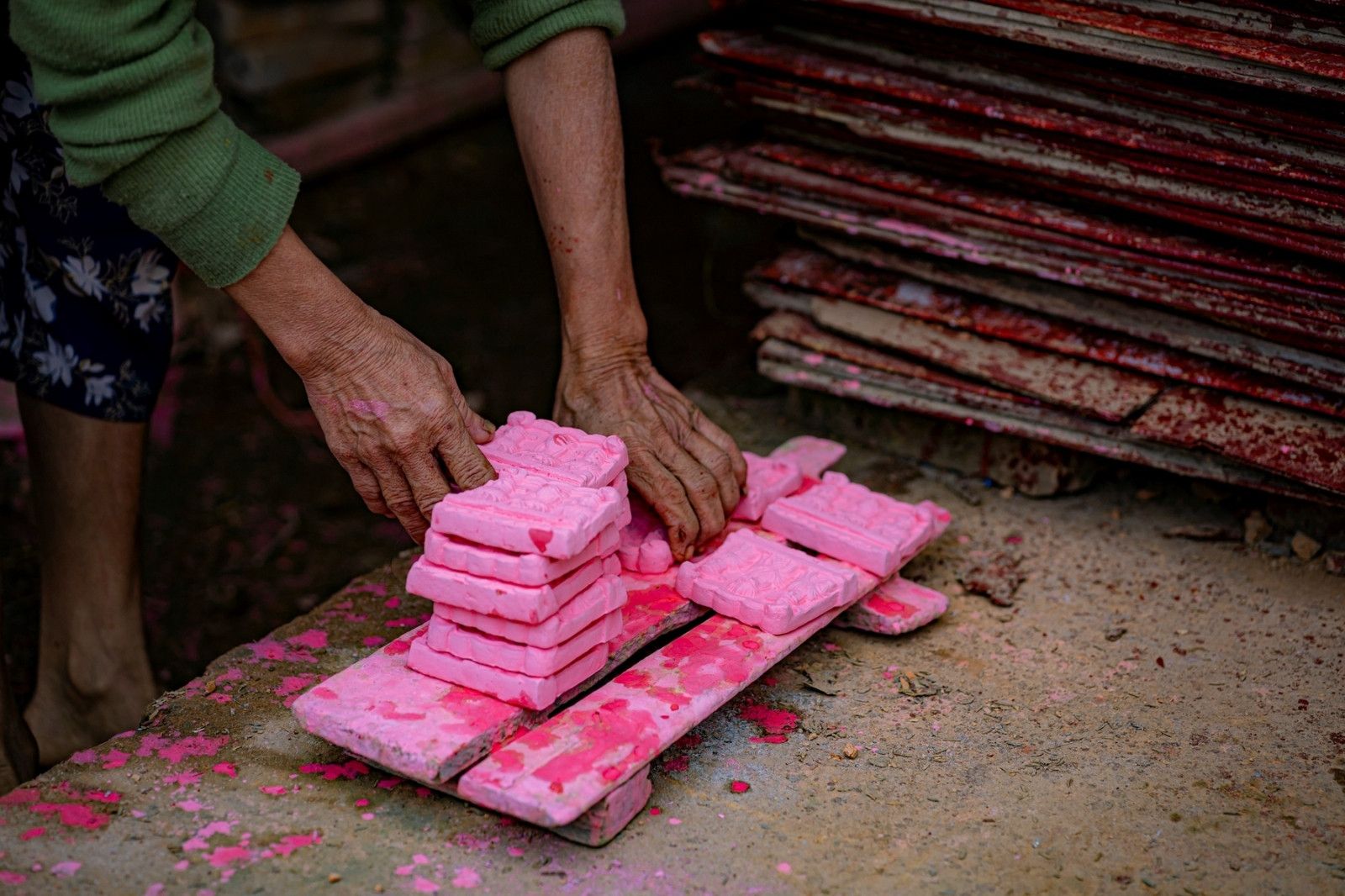
First comes the clay preparation stage. The selected clay must be yellow, clean, and unmixed with sand. After being collected, the clay is kneaded thoroughly and filtered to remove grit to ensure smoothness. This is one of the most difficult and labor-intensive stages. Then, the clay is put into ironwood molds—the signature molds of the village. After compacting it tightly, the artisan carefully trims away excess clay and uses hands to refine the statue to achieve a perfect shape.
Next, the statues are taken to dry. On sunny days, they are dried outdoors. During cold, rainy days, artisans must use electric fans to dry them. Once the statues harden, they are loaded into rice husk-fueled kilns. Each firing batch usually lasts about 2 days and 2 nights to ensure the statues are baked evenly.
Photo: Elaborate journey of crafting a Kitchen God statue
The final step is decoration and coloring. Depending on customer preferences, statues can be painted in various colors, with dark red being the most popular. Recently, to meet market tastes, many artisans also produce brightly colored statues sprinkled with sparkling glitter. The entire process requires extreme meticulousness, skill, and years of experience from the craftsman.
3. Keeping the craft alive through hardships
Although carrying great cultural value, the Kitchen God statue-making craft faces many economic difficulties. The selling price of a statue is quite low, ranging from only 500 to 2,000 VND, while the effort required is immense. As a result, many people have abandoned the trade to seek alternative livelihoods.
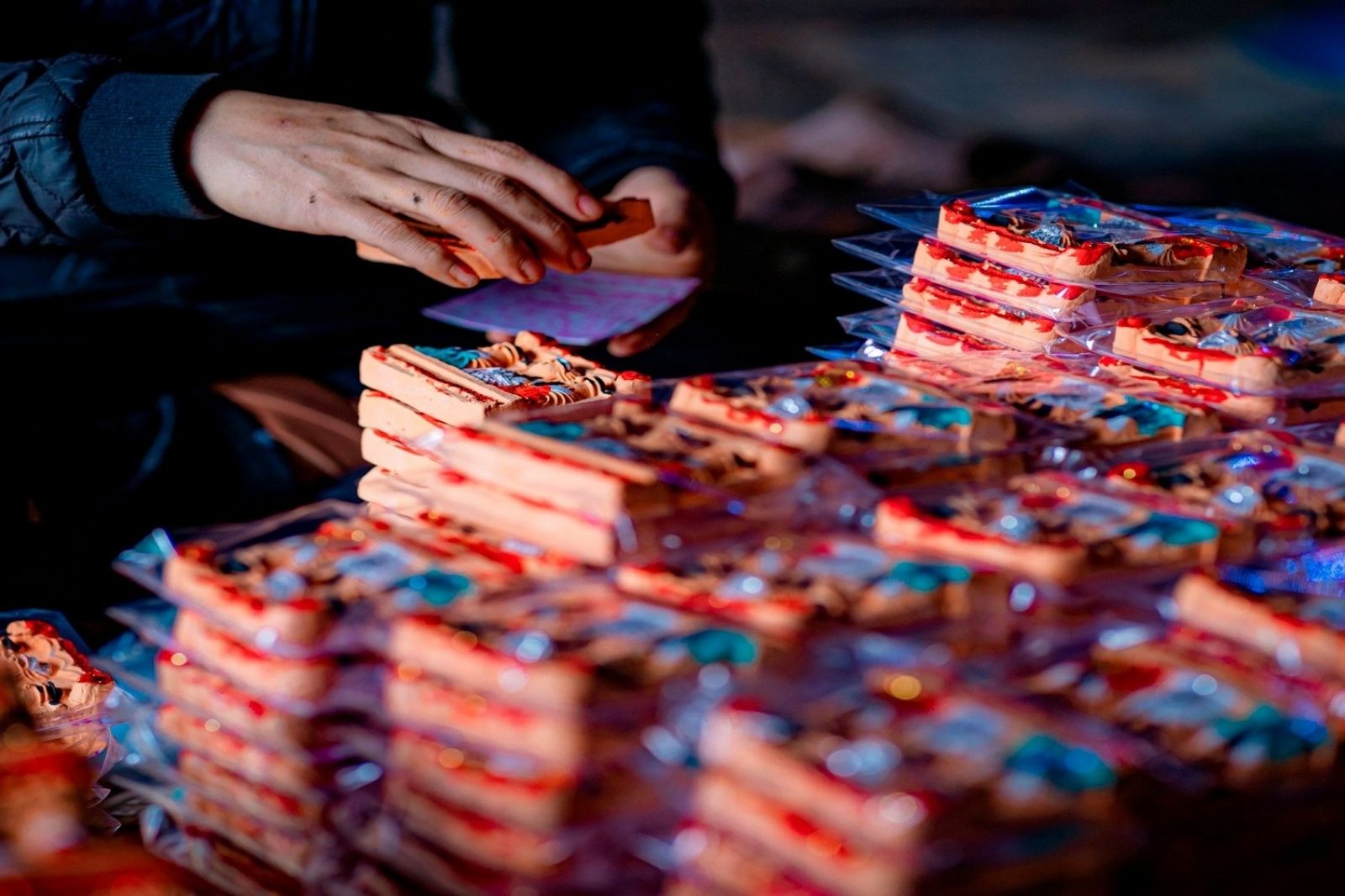
However, for the craftsmen who remain, this work is not just a livelihood, but also a responsibility to preserve a cultural heritage. They still tirelessly produce tens of thousands of statues every year, supplying markets both inside and outside Thua Thien Hue Province. The support of local authorities and consumers serves as encouragement for these artisans to continue preserving and promoting their traditional craft.
Dia Linh craft village is not only a birthplace of Kitchen God statues, but also an appealing destination for travelers eager to explore traditional Vietnamese culture. Visiting near Tet, tourists can witness the statue-making process firsthand, try their hand at a few steps, and feel the bustling, warm atmosphere of an authentic folk craft village. Although small, these terracotta statues encapsulate a story of passion for the trade, perseverance, and the commitment of the ancient capital's residents to preserving cultural identity.
Photo: Kitchen God statue crafting preserved despite hardship
In the tide of modern life, many traditional values risk fading away, but in Dia Linh Village, the craft of making Kitchen God statues continues to be kept alive by passionate artisans. Each terracotta statue is not merely a handcrafted product, but a culmination of love for the craft, perseverance, and responsibility to ancestral heritage.
Overcoming economic difficulties, they tirelessly preserve a beautiful folk cultural tradition, helping to make the ritual of sending the Kitchen Gods to heaven even more sacred and meaningful. Dia Linh Village is not just a place name, but a vivid testament to the spirit of preserving and promoting Vietnamese cultural identity in the heart of the ancient capital of Hue.
Follow Sovaba Travel to discover more fascinating stories about Hue, from heritage and cuisine to traditional craft villages.