Journey to the Roots: Discover Sacred Historical Red Sites in Quang Tri
Central
Quang Tri
Sovaba.travel
Updated at: 02/10/2026
1. Quang Tri - The Land of Steel in Vietnamese History
Quang Tri is located in the narrow strip of Central Vietnam, bordering Laos and the East Sea, holding a strategic position right next to the 17th Parallel – the demarcation line dividing the North and South from 1954 to 1975. This place was once a "land of fire" and "steel land" subjected to the fiercest bombardment during the resistance war against the US.
From the resistance against the French to the war against the US, Quang Tri served as the frontline of the Northern rear and the major Southern front. The legendary Truong Son Road – Ho Chi Minh Trail system ran through here, becoming the lifeblood supplying the battlefield. Major battles such as the 1972 Quang Tri Campaign with 81 days and nights defending the Ancient Citadel became an immortal symbol of the nation's resilient spirit.
Today, Quang Tri still preserves hundreds of valuable historical and cultural relics, many of which are recognized as special national monuments. A journey to the roots in this land not only allows visitors to discover heroic historical imprints but also offers an occasion to pay tribute to previous generations, educate patriotic traditions, and feel more deeply the value of peace and independence that the nation traded for with immense loss and sacrifice.
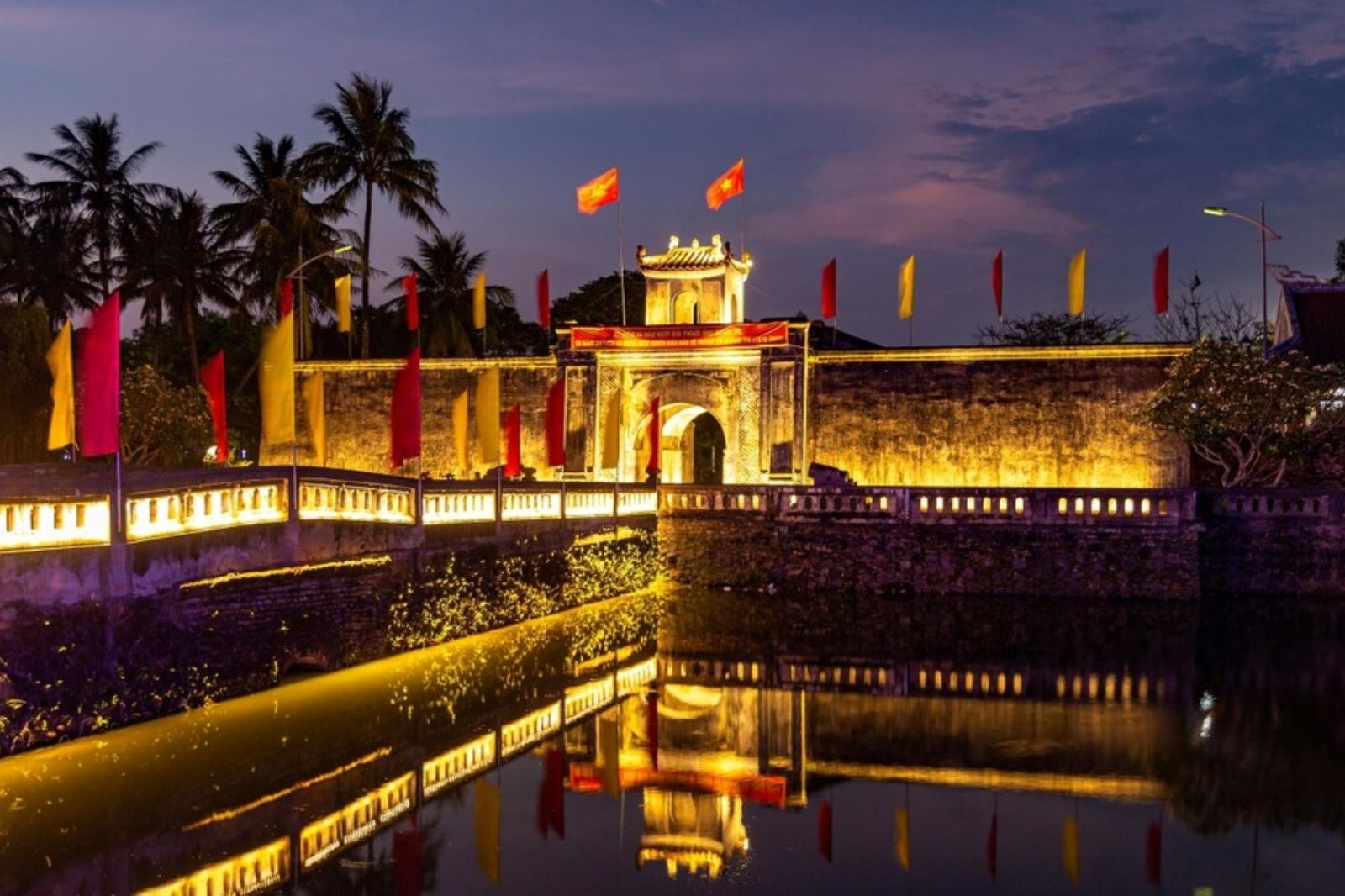
Photo: Quang Tri Ancient Citadel - a symbol of a fiery era
2. Explore prominent historic revolutionary sites in Quang Tri
A journey to Quang Tri will take you through legendary landmarks, where every brick and every blade of grass tells a tragic and heroic story of history:
Quang Tri Ancient Citadel
Quang Tri Ancient Citadel was the site of the most fierce 81 days and nights in Vietnamese war history in 1972. Every square meter of land here endured thousands of tons of bombs and shells, turning it into a terrifying "meat grinder." However, the resilience and bravery of our soldiers and people held every inch of land, transforming this place into an immortal monument of revolutionary heroism.
When arriving at the Ancient Citadel, you will feel a solemn and moving atmosphere. Take time to visit the museum, listen to stories about the battle, and offer incense to commemorate those who fell.
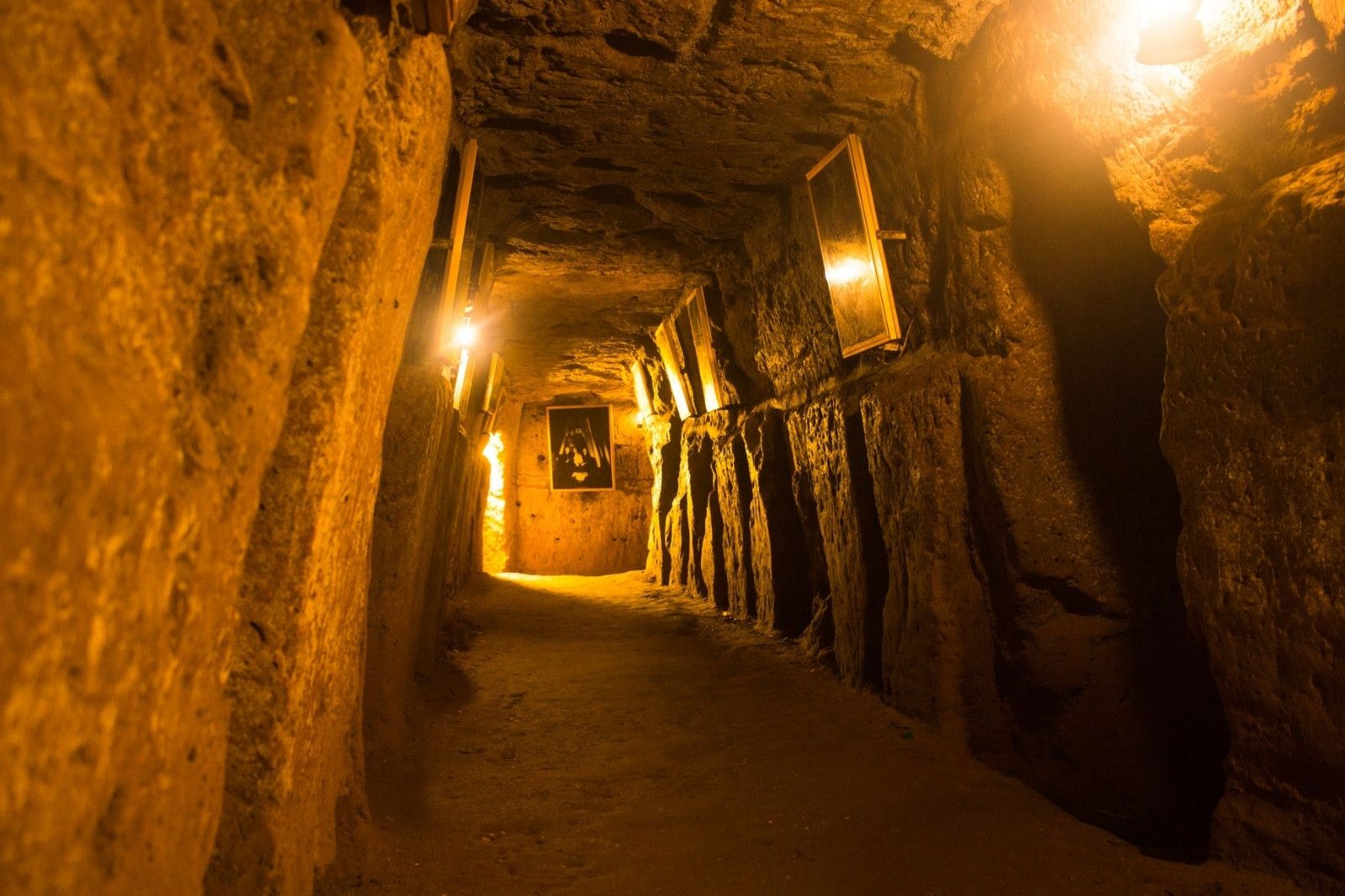
Vinh Moc Tunnels
Deep underground, the Vinh Moc Tunnels are a majestic subterranean system dug by the soldiers and villagers of Vinh Moc to serve combat and daily life throughout the anti-American resistance war. With a large scale and a complex multi-layered, multi-branched structure, the tunnel system was not only a safe shelter but also functioned as a hospital, maternity ward, school, and even a movie theater.
Photo: Vinh Moc Tunnels - Vitality from underground
The tunnel system of Vinh Moc is divided into three main levels, all interconnected via a 768m long main axis. The total length of this entire "tunnel village" reaches up to 1,060.25m (excluding alcoves, living rooms...); the tunnel height ranges from 1.7 to 1.8m, featuring 13 entrance/exit gates (6 leading to the hill and 7 opening to the sea).
Experiencing the space of Vinh Moc Tunnels will help you clearly imagine the arduous yet optimistic life of the people during the war, serving as proof of the creativity and fierce vitality of the Vietnamese people.
Truong Son Cemetery
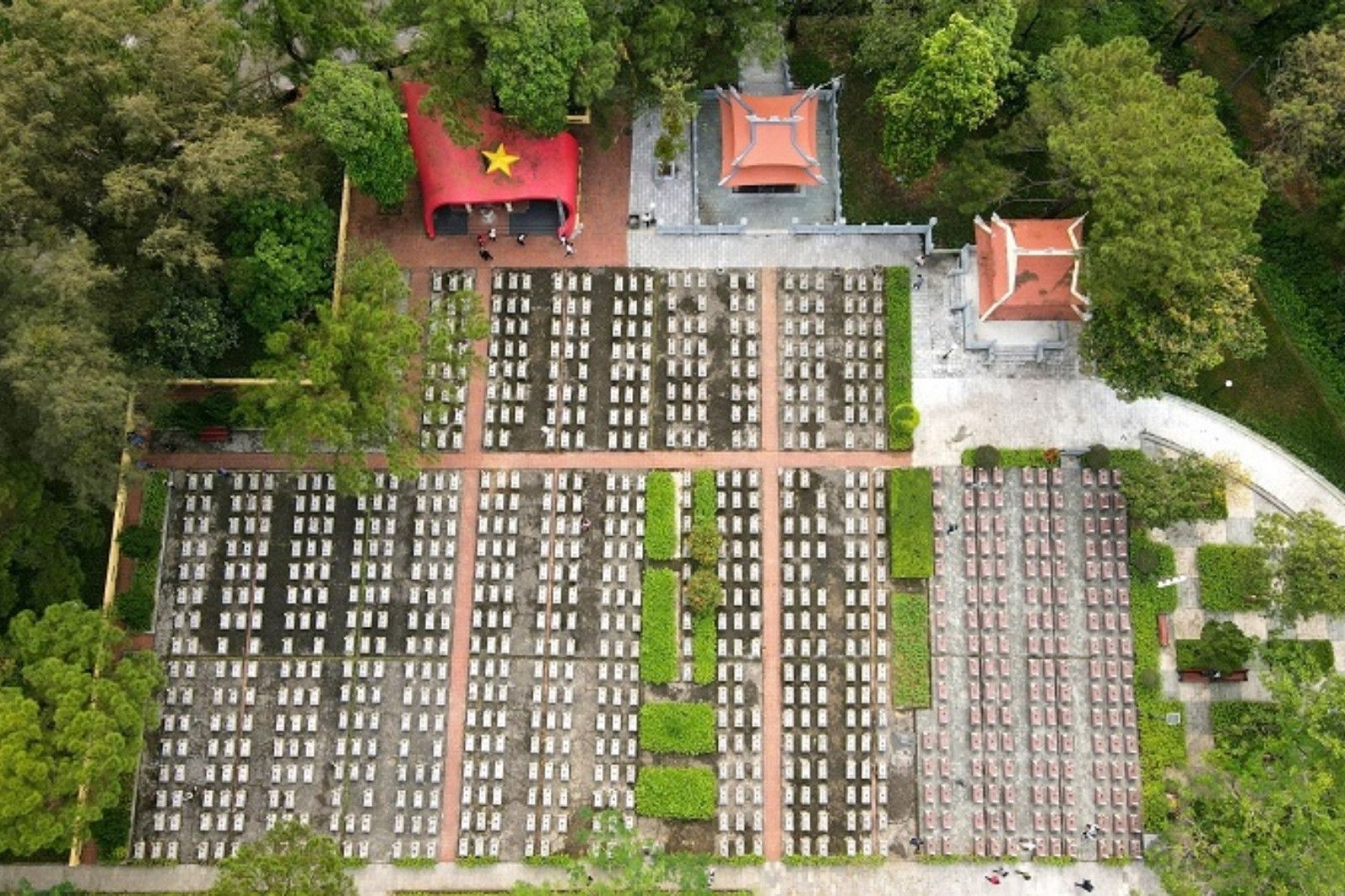
Truong Son National Martyrs' Cemetery is the final resting place of over 10,000 heroic martyrs who heroically sacrificed their lives on the Truong Son Road – Ho Chi Minh Trail during the anti-American resistance war. This is the largest national martyrs' cemetery in Vietnam, holding special significance in honoring and commemorating the nation's outstanding children.
Every year, millions of visitors, veterans, and martyrs' families come here to offer incense, commemorate, and express deep gratitude to those who gave their lives for the country's independence and freedom. Beyond being an iconic red address, Truong Son National Martyrs' Cemetery is a sacred stopover on the journey to the roots, reminding today's generations of the value of peace and the noble sacrifice of their ancestors.
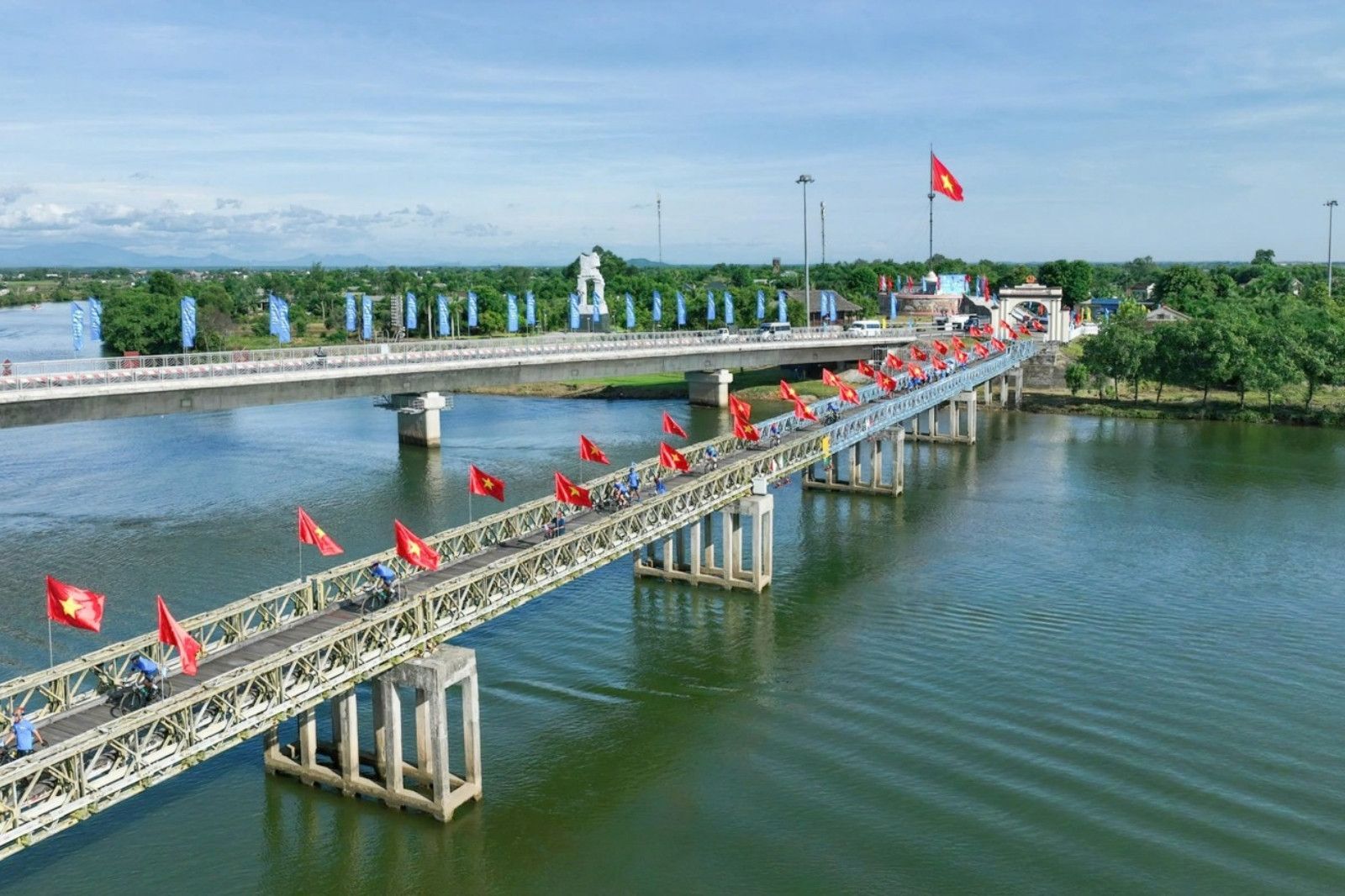
Hien Luong Bridge - Ben Hai River
Hien Luong Bridge spans the Ben Hai River – the historical river chosen as the boundary dividing North and South Vietnam for 20 years (1954-1975). Together with the 17th Parallel, it became a symbol of painful division and the nation's fervent desire for national reunification.
Photo: Symbol of painful division and the desire for national reunification
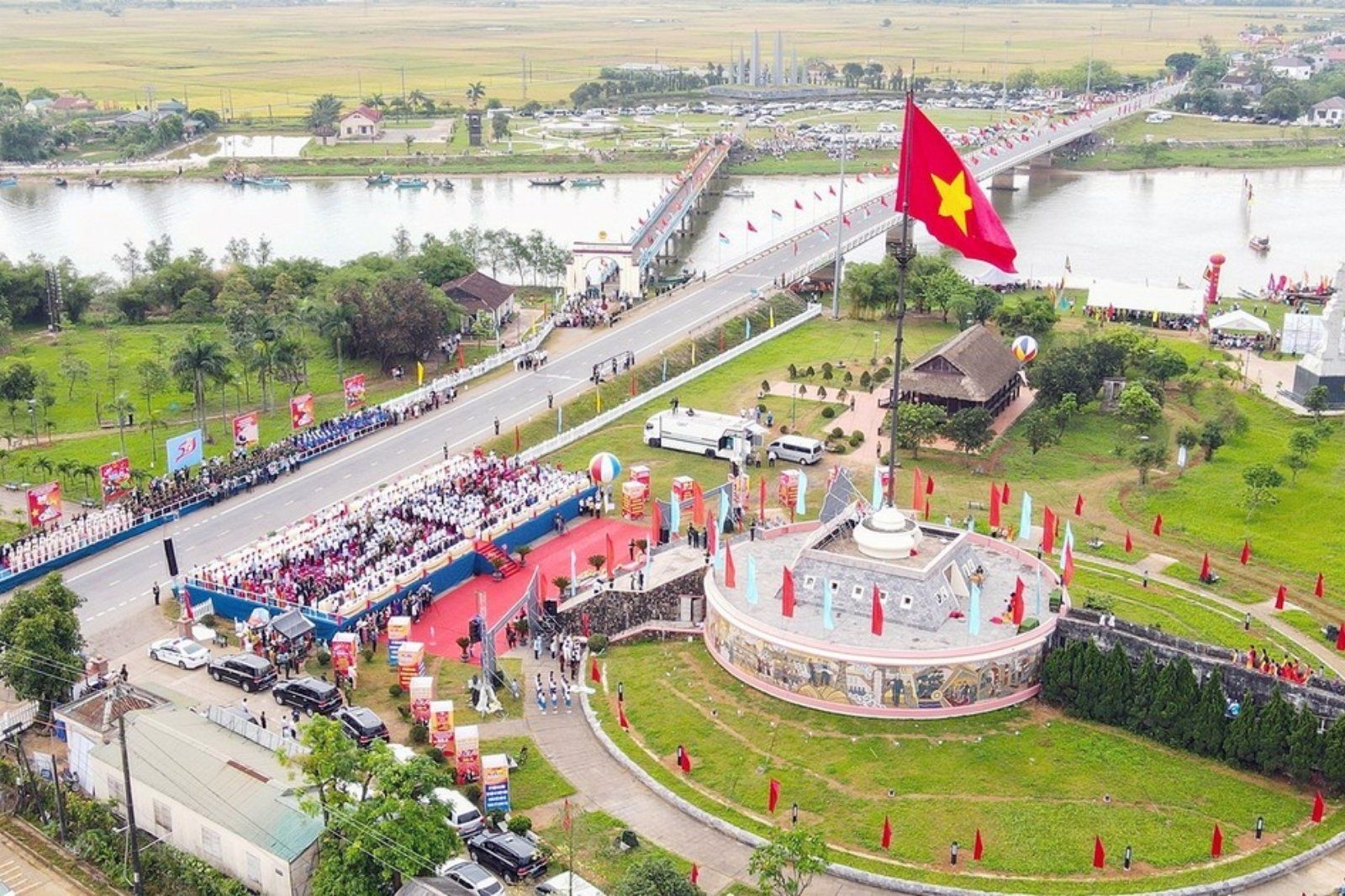
Here, you can visit historical relics such as the Hien Luong Flagpole and the exhibition house displaying artifacts and photos recreating the life and struggle of the military and people on both sides of the Ben Hai River, helping you better understand a turbulent historical era.
Other notable destinations: Khe Sanh Combat Base (a fierce battlefield), Highway 9 National Martyrs' Cemetery, heroic Con Co Island, Lao Bao Prison... Each site carries its own historic mark.
With its strategic location and profound symbolic meaning, this relic site is not only a place for tourists to commemorate a heroic and tragic past, but also a vivid testament to the Vietnamese people's longing for peace and independence. Every artifact and story told here contributes to fostering patriotism and the awareness of preserving precious historical values for future generations.
3. Suggested itinerary and travel tips for a journey to the roots
To have a meaningful "journey to the roots" in Quang Tri, you can refer to the following itinerary and travel tips:
Suggested Itinerary (2 Days 1 Night):
Day 1: Arrive in Quang Tri, check into your hotel. In the morning, visit Quang Tri Ancient Citadel and offer incense. In the afternoon, travel to Truong Son Cemetery to pay respects and commemorate the heroic martyrs. Enjoy local cuisine in the evening.
Day 2: In the morning, head to Hien Luong Bridge - Ben Hai River - 17th Parallel and visit the Both Banks of Hien Luong - Ben Hai Relic Site. In the afternoon, explore Vinh Moc Tunnels. Afterwards, transfer to the airport or train station for your return trip.
Photo: Journeying back into history with historical relics in Quang Tri
Preparing for the Trip:
Attire: Dress respectfully and modestly when visiting spiritual sites such as cemeteries and shrines. Additionally, prioritize comfortable clothes that are easy to move in as you will be walking quite a bit.
Personal Items: Bring sunscreen, a hat, sunglasses, personal medication, and sufficient drinking water.
Information: If time permits, read about the history of the places you plan to visit in advance to gain a broader and deeper perspective.
Notes for Visitors:
Maintain order and general cleanliness at all relic sites.
Respect historical monuments, cemeteries, and sacred spaces.
Consider gathering information from tour guides or official documents at the relic sites for the most accurate and comprehensive context.
You can reach Quang Tri by sleeper bus, train, or airplane (flying into Dong Hoi, Hue, or Da Nang airports, then traveling by car). In Quang Tri, you can rent a motorbike, private car, or hire a tour vehicle with a guide if traveling in a group.
4. The significance of a journey to the roots in Quang Tri
A trip to Quang Tri is not just a journey to explore historical landmarks, but it also brings profound values:
Education on Tradition and Patriotism: Helps the younger generation better understand the sacrifices and hardships of ancestors to secure today's peace and independence, thereby nurturing national pride and a sense of preserving historical values.
Paying Tribute to Heroic Martyrs: Expresses the moral principle of "drinking water, remembering the source", commemorating and honoring those who fell for the Homeland. This is also an opportunity to spread messages of peace and gratitude.
Exploring Quang Tri Culture and People: Beside historical relics, you can discover local daily life, unique regional cuisine, and experience the simplicity, genuineness, and hospitality of the locals.
Photo: Truong Son National Martyrs' Cemetery in Quang Tri
The journey to the roots through historical red addresses in Quang Tri is more than just a sightseeing tour; it is a profound spiritual and educational experience. Every step on this heroic land serves as a living history lesson, reminding us of the values of peace, independence, and freedom.
Plan your own "journey to the roots" to Quang Tri to feel, honor, and cultivate a deeper love for the country. Quang Tri will forever remain an iconic red site, an unforgettable destination on the journey back to the nation's roots.