Kim Long Wine Crafting - Hai Lang: The Culinary Essence of a Traditional Craft Village
Central
Quang Tri
Sovaba.travel
Updated at: 24/09/2026
1. An Overview of Kim Long Wine and Its Traditional Craft Village
Kim Long Wine is the result of a subtle combination of natural ingredients and the skillful hands of craft village artisans. Featuring a subtle aroma, smooth taste, and a sweet aftertaste, this wine is completely different from industrial products. It carries the essence of nature, human warmth, and a history spanning hundreds of years.
Kim Long Village, located along the peaceful Thach Han River, has long been known as the cradle of traditional winemaking. Winemaking here is not merely a livelihood, but has become an indispensable part of cultural life, making an important contribution to local economic development. Every drop of Kim Long wine contains a story of diligence, perseverance, and love for the craft of the local people.
2. History and Development of Kim Long Wine-Making
Located in Hai Que commune, Hai Lang district, Quang Tri, Kim Long village boasts a history spanning up to 600 years. Notably, it is also the cradle of the renowned traditional winemaking craft, with a heritage of over 200 years. Kim Long wine is not only famous among folk traditions but also left a deep mark through feudal dynasties, the French colonial period, and continues to thrive today.
The reputation of Kim Long wine was established early on. In Dai Nam Nhat Thong Chi - a famous geographical work compiled under King Tu Duc, volume eight, under "Local Products", there was a dignified comment: "Kim Long wine in Hai Lang, Quang Tri is the finest of all". This is clear evidence of the legendary status of this special wine.
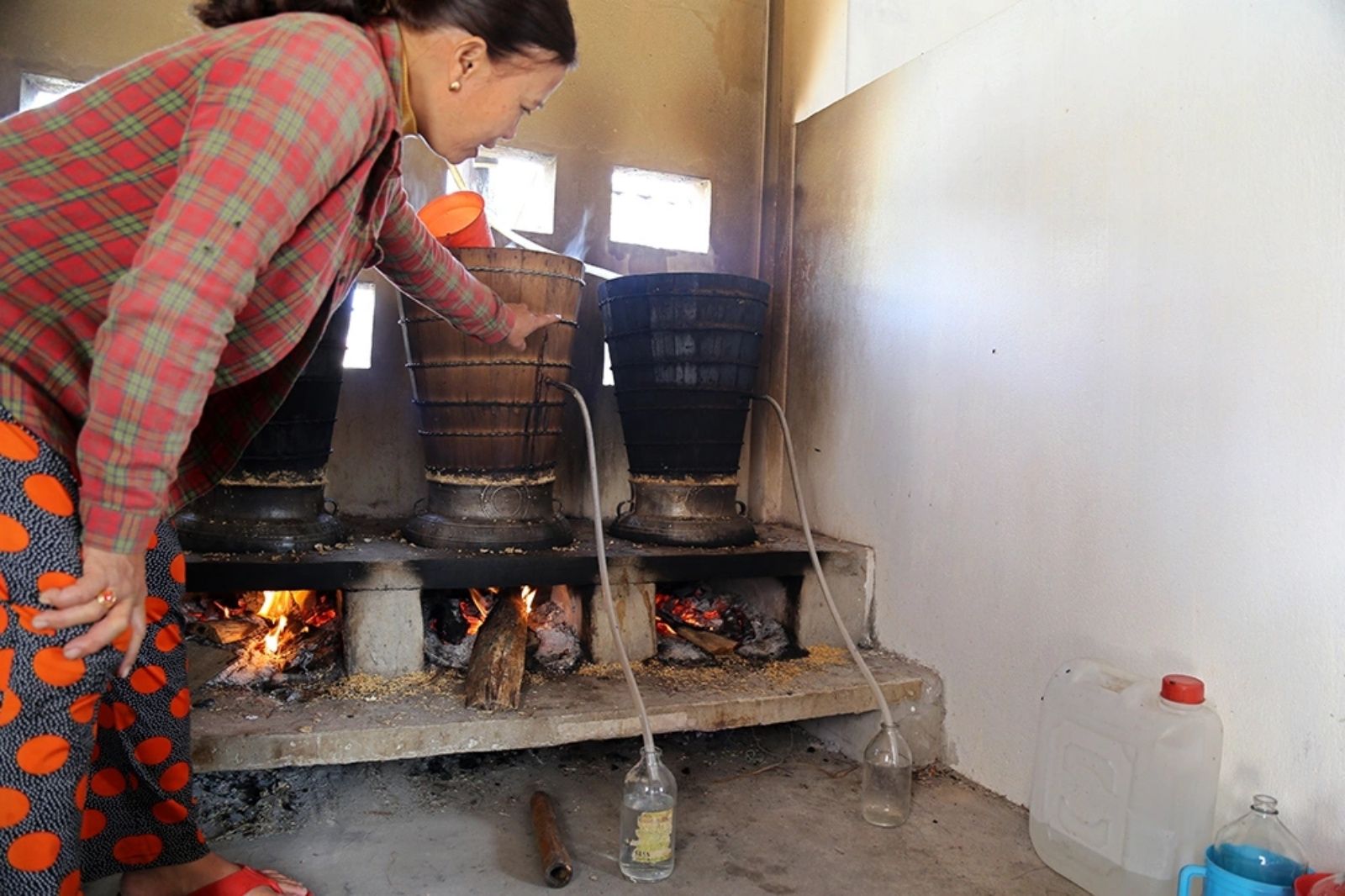
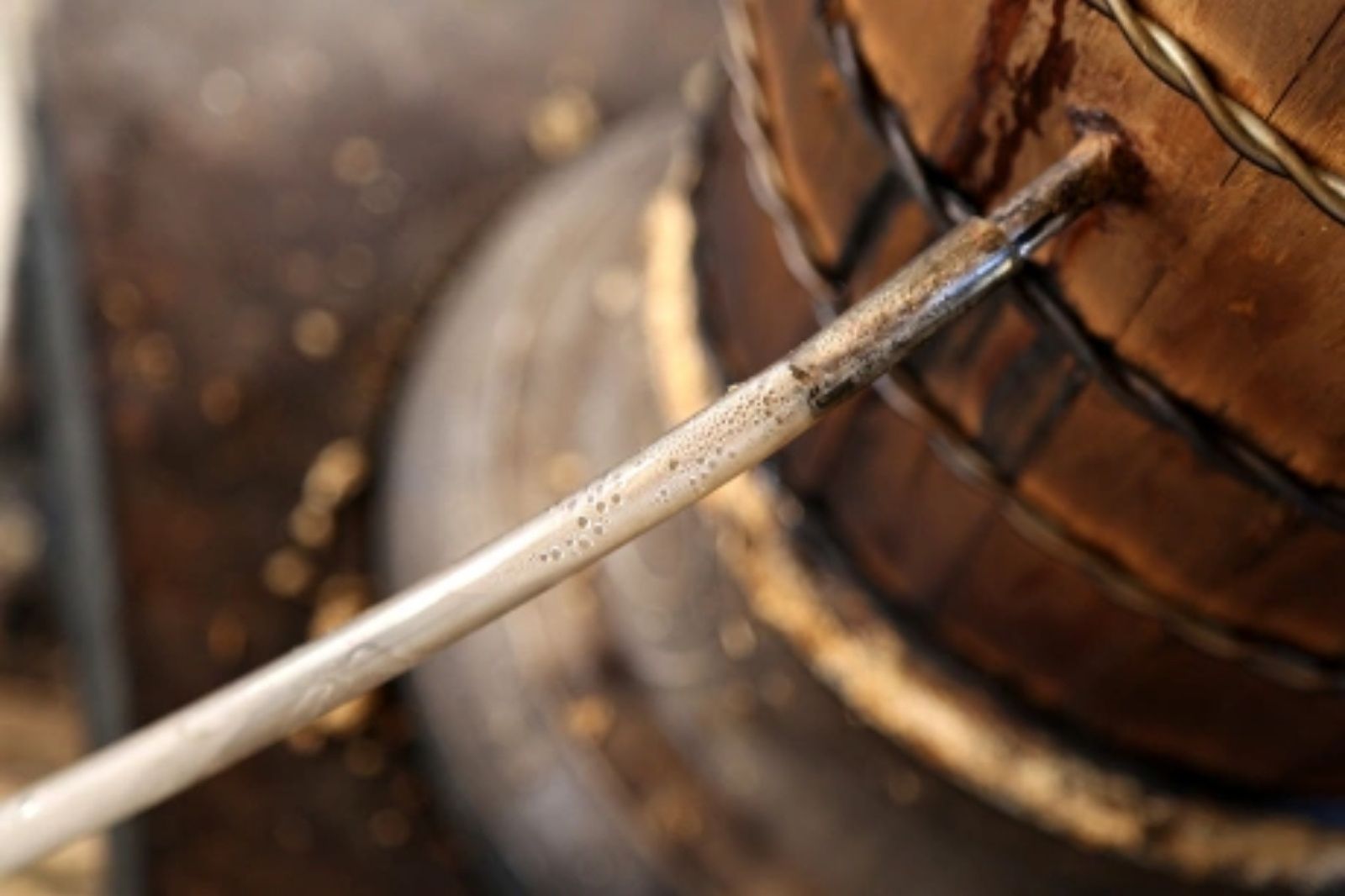
Photo: Kim Long - The 200-year-old village distilling wine in copper pots
During the French colonial era, after conducting surveys of many winemaking villages across Central Vietnam, the French recognized the superiority of Kim Long wine. They decided to select this land, took over the distilleries, and established the Xika wine company. Kim Long wine was produced, bottled, soaked in cold water tanks, and then transported by boat via the Vinh Dinh River to Hue. From there, the wine was loaded onto large ships for export to France and distributed worldwide. Notably, the French once attempted to bring this technique back to their homeland for production but failed, demonstrating the unique nature and secret methods of Kim Long wine.
Inheriting its glorious historical reputation, today the people of Kim Long persistently preserve and promote traditional winemaking methods. The winemaking process is extremely elaborate: after 5 days and 5 nights of continuous fermentation, 3 kg of rice yields only one liter of finished wine. This meticulousness and craftsmanship are the key factors creating the sublime flavor and superior quality of Kim Long wine.
3. The Secrets Behind the Distinctive Flavor of Kim Long Wine
What creates the distinction and prestige of Kim Long Wine is the secret family recipe guarded through generations, alongside meticulous attention to every stage:
Ingredients for Winemaking:
Rice: Kim Long wine is mainly made from red rice and herbal rice varieties. The rice here is cultivated in a soil condition with clear water and white sand, giving it characteristics distinct from many other regions. Even if special rice varieties from other places are brought to be brewed, they cannot reach the true standard of pure Kim Long wine. The rice is carefully selected to ensure plump grains, free from pests, bringing a natural sweetness and signature aroma to the wine.
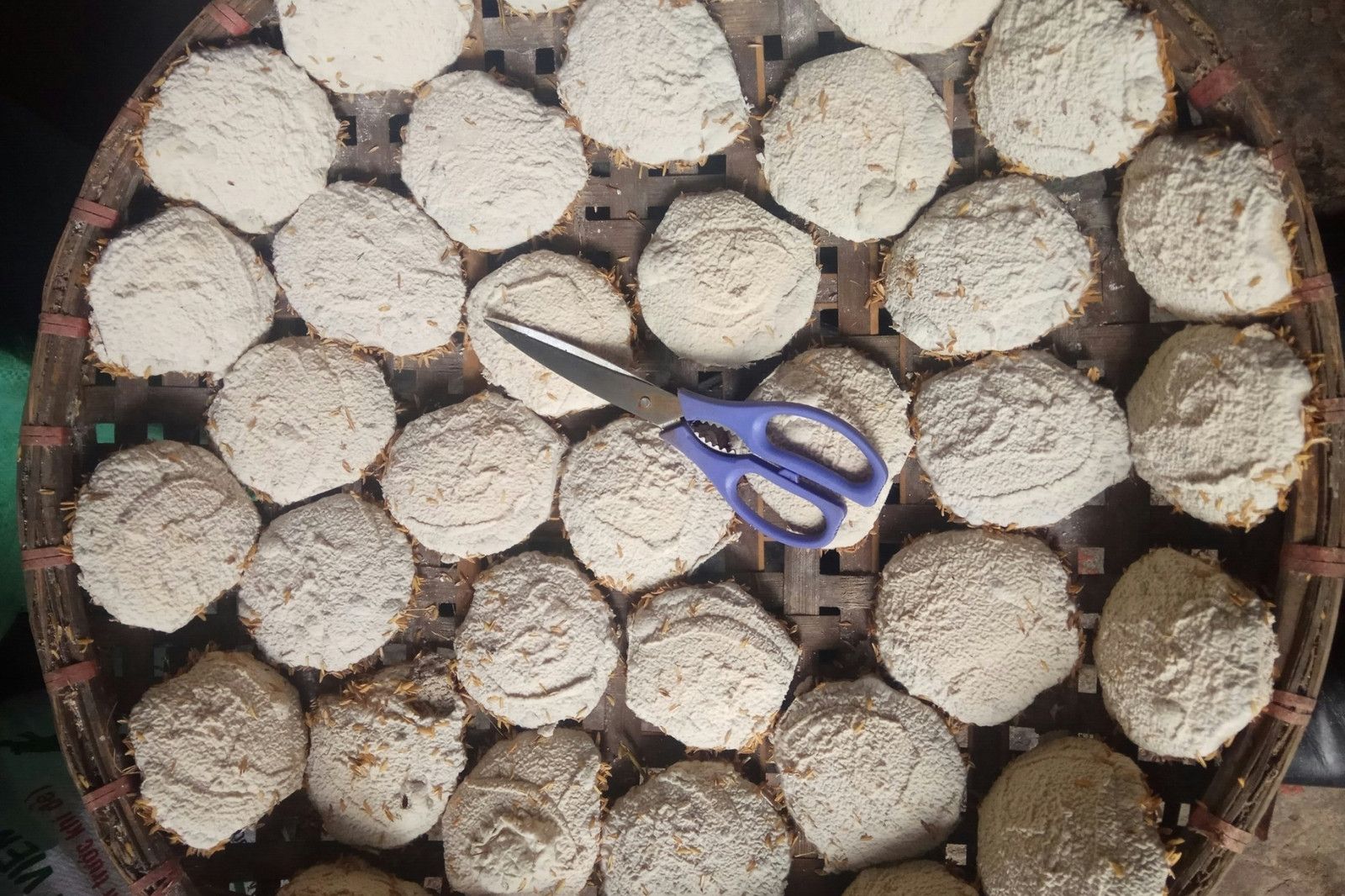
Yeast: This is the soul of Kim Long Wine. The yeast starter is made entirely from traditional herbal remedies and secret forest leaves, carefully selected according to each family's unique recipe. The yeast-making process requires patience and experience to create the right yeast, helping the wine ferment evenly, taste delicious, and avoid harshness.
Water source: The water used to brew the wine must be crystal-clear well water, drawn from a special underground aquifer in Kim Long village. This water source is believed to have ideal purity and mineral content, contributing to the smooth and delicate flavor of the wine.
Photo: Traditional wine yeast balls
Traditional Winemaking Process:
Preparation and cooking rice: Rice is soaked, washed thoroughly, and cooked into steamed rice. The rice must be cooked just right, neither too mushy nor too dry, and then allowed to cool down.
Mixing and fermenting yeast: The cooled rice is spread evenly, then the yeast is finely crushed and sprinkled uniformly over it. This mixture is fermented in large earthenware jars for about 3 days and 3 nights (may be longer depending on weather conditions). The fermentation process requires strict temperature and humidity control to maximize yeast activity, converting starch into sugar and alcohol.
Aging underground: After the yeast has matured, some families perform an underground aging process for a specific period. This helps stabilize the wine, reduce harsh alcohol vapors, and make it smoother and richer in flavor.
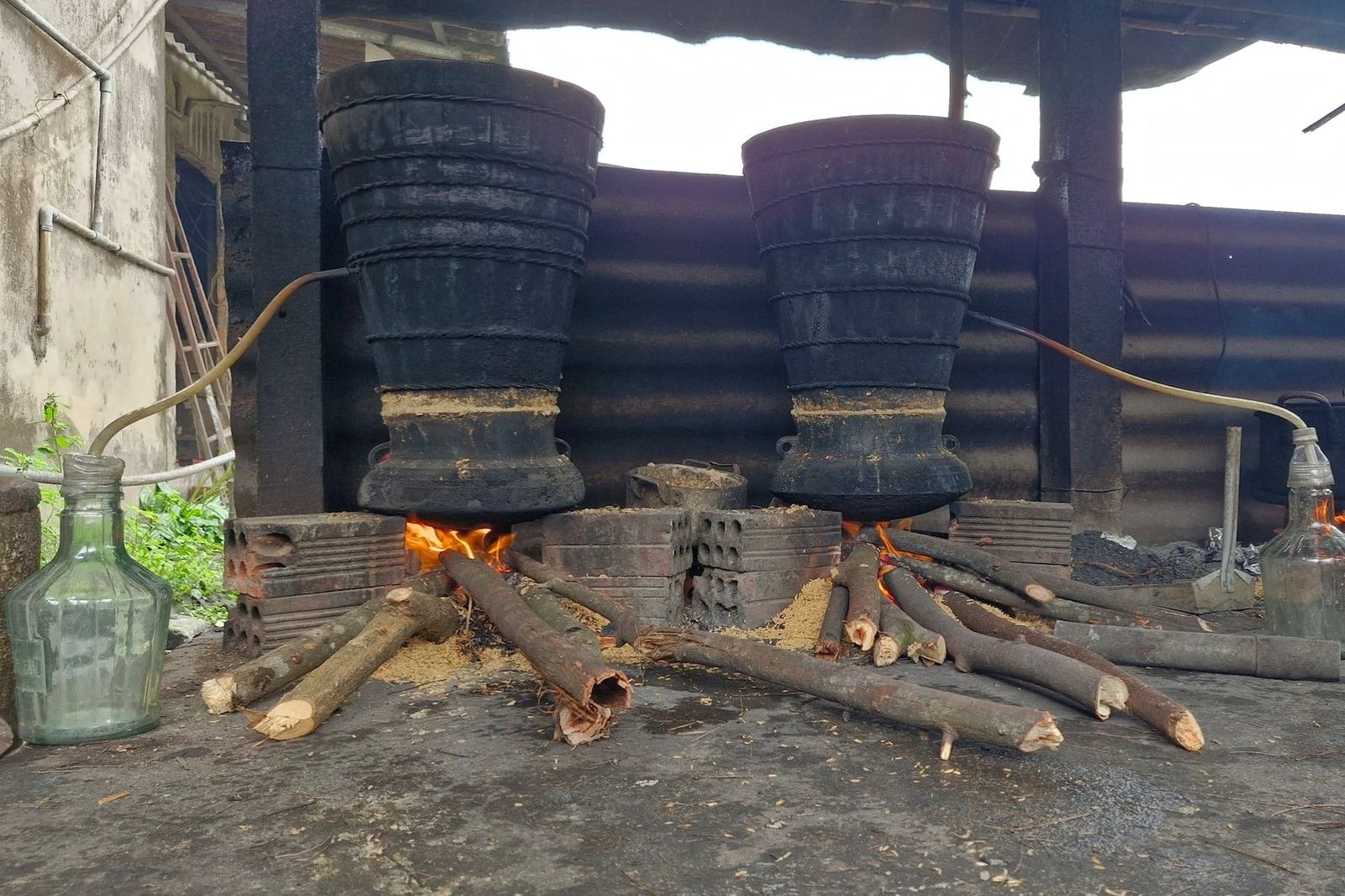
Distillation: This is the most crucial step, requiring the artisan's expertise. The wine is distilled using traditional copper pots with the "top-water" method. The distillation process takes place slowly with steady heat to collect the clearest, purest drops of wine. The distilled wine is separated into head, heart, and tail runs, with the heart run being the finest part.
Filtering and final aging: After distillation, the wine is filtered multiple times to remove impurities and ensure clarity. Afterwards, it is aged in ceramic jars or glass containers for a certain period to mature naturally, reaching peak flavor before reaching consumers.
Photo: Traditional winemaking process
It is the elaborate care in every step, combined with ancestral leaf yeast secrets and a unique water source, that creates the distinctive and unmatched taste of Kim Long Wine: smooth, delicate, headache-free, and with a sweet aftertaste.
4. The Value and Significance of Kim Long Wine
Kim Long Wine is not only an economic product but also carries deep cultural and social values:
Economic value: Winemaking is the main source of income for hundreds of households in Kim Long village, contributing to job creation and improving the living standards of local residents. It also boosts craft village tourism, attracting visitors to learn and experience.
Socio-cultural value: Kim Long Wine is a source of pride for the people of Hai Lang and proof of the diligence and skill of Vietnamese people. The wine is closely associated with festivals, weddings, longevity celebrations, and traditional Lunar New Year holidays, becoming an essential drink at family and friend gatherings. It is also a meaningful gift expressing hospitality and the unique culture of Quang Tri.
Development orientation and craft preservation: Local authorities and Kim Long residents are striving to preserve and promote this traditional craft. Craft training classes for younger generations, the application of modern science and technology (such as wine filtration machines) to improve quality and food safety, and brand promotion activities are being intensified to bring Kim Long Wine further, turning it into a national specialty.
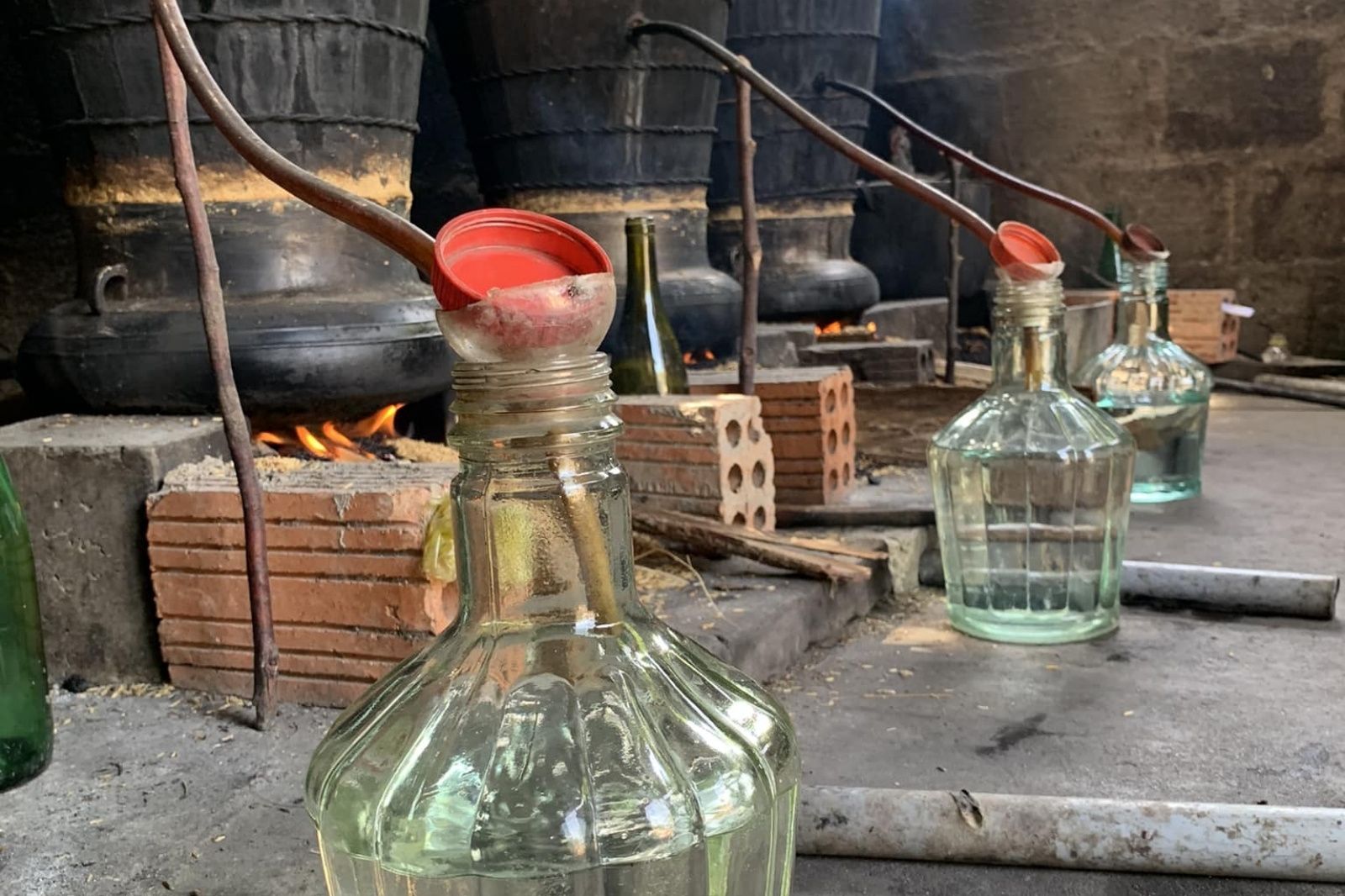
Photo: Essence in every drop of wine
Kim Long Wine is not just an economic product, but also a part of the soul of Quang Tri, where cultural values and efforts to preserve traditional crafts are prioritized, striving toward making Kim Long Wine a true national specialty.
5. Enjoying and Purchasing Kim Long Wine
To fully appreciate the flavor of Kim Long Wine, you should:
Enjoy it properly: Kim Long Wine is usually enjoyed at room temperature or slightly chilled. When drinking, sip slowly to feel its full smoothness and sweet aftertaste. Kim Long Wine pairs wonderfully with rustic dishes and Quang Tri specialties such as rice rolls with pork offal, offal porridge, or traditional pub fare.
Where to buy Kim Long Wine? You can purchase authentic Kim Long Wine directly at production facilities in Kim Long village, Hai Lang district. In addition, the wine is available at local specialty shops in Quang Tri and some major supermarkets. To ensure high quality, you should choose reputable, licensed establishments with clear labeling.
We hope these suggestions on how to enjoy and where to buy Kim Long Wine will make it easier for you to find and experience this specialty. Wishing you memorable moments with the warm flavor of Kim Long Wine!
Photo: Delicious flavor of Kim Long wine through an elaborate brewing process
Kim Long Wine is not only a unique product but also a precious cultural heritage of Kim Long village, Hai Lang. It represents the perseverance, craftsmanship, and love of local people for their traditional craft. Preserving and promoting the value of Kim Long Wine is not only the responsibility of the people of Kim Long but also of society as a whole, ensuring this culinary essence is passed down forever and shines on the map of Vietnamese specialties.