King Thieu Tri Tomb Hue: Unique Architecture & History of the Poet King

Central

Thua Thien Hue

Sovaba.travel

Updated at: 24/09/2026

1. Emperor Thieu Tri: The Emperor of Poetry and Simplicity

King Thieu Tri ascended the throne in 1841 and reigned for nearly 7 years, passing away at the age of 41. He was posthumously given the temple name Hien To and the posthumous title Emperor Thieu Thien Chuong. During his lifetime, the king did not think of building a tomb for himself, partly because he did not want to burden his people and partly due to his short reign. Before passing away, he instructed his successor son (King Tu Duc) that the construction of the tomb should be carried out economically, simply, and free from extravagance and wastefulness.

Obeying his father, King Tu Duc ordered court officials to search for a suitable location and eventually chose a piece of land at the foot of a low mountain in Cu Chanh village, about 8 km from the Imperial City. This mountain was named Thuan Dao Mountain, and the tomb built here was named Xuong Lang.
2. History and the Rapid Construction Process

After King Thieu Tri passed away in November 1847, his body lay in state at Long An Palace in Bao Dinh Palace for 8 months. The construction of the tomb proceeded extremely rapidly. In less than 10 months, the main structures were completed.

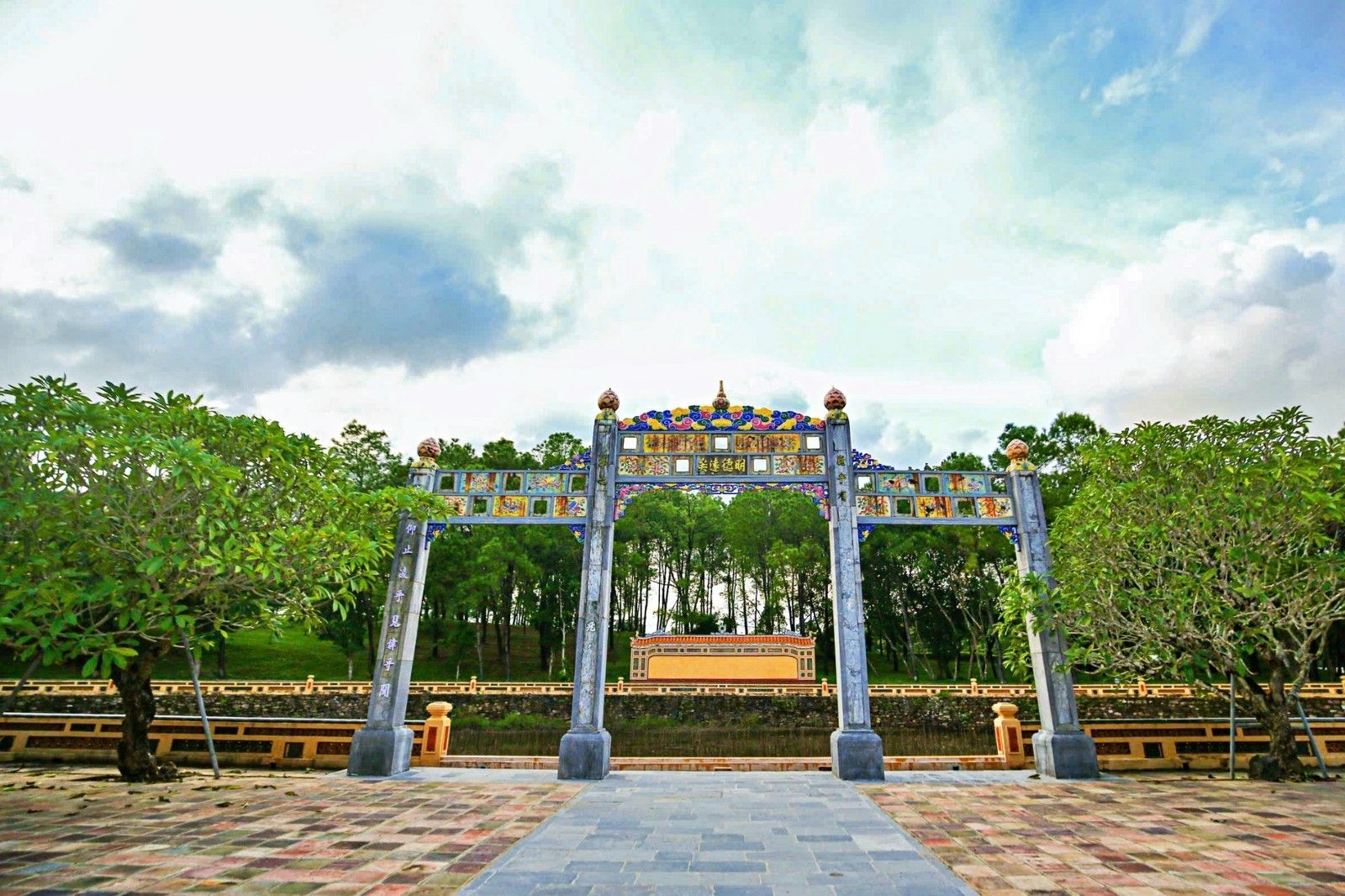
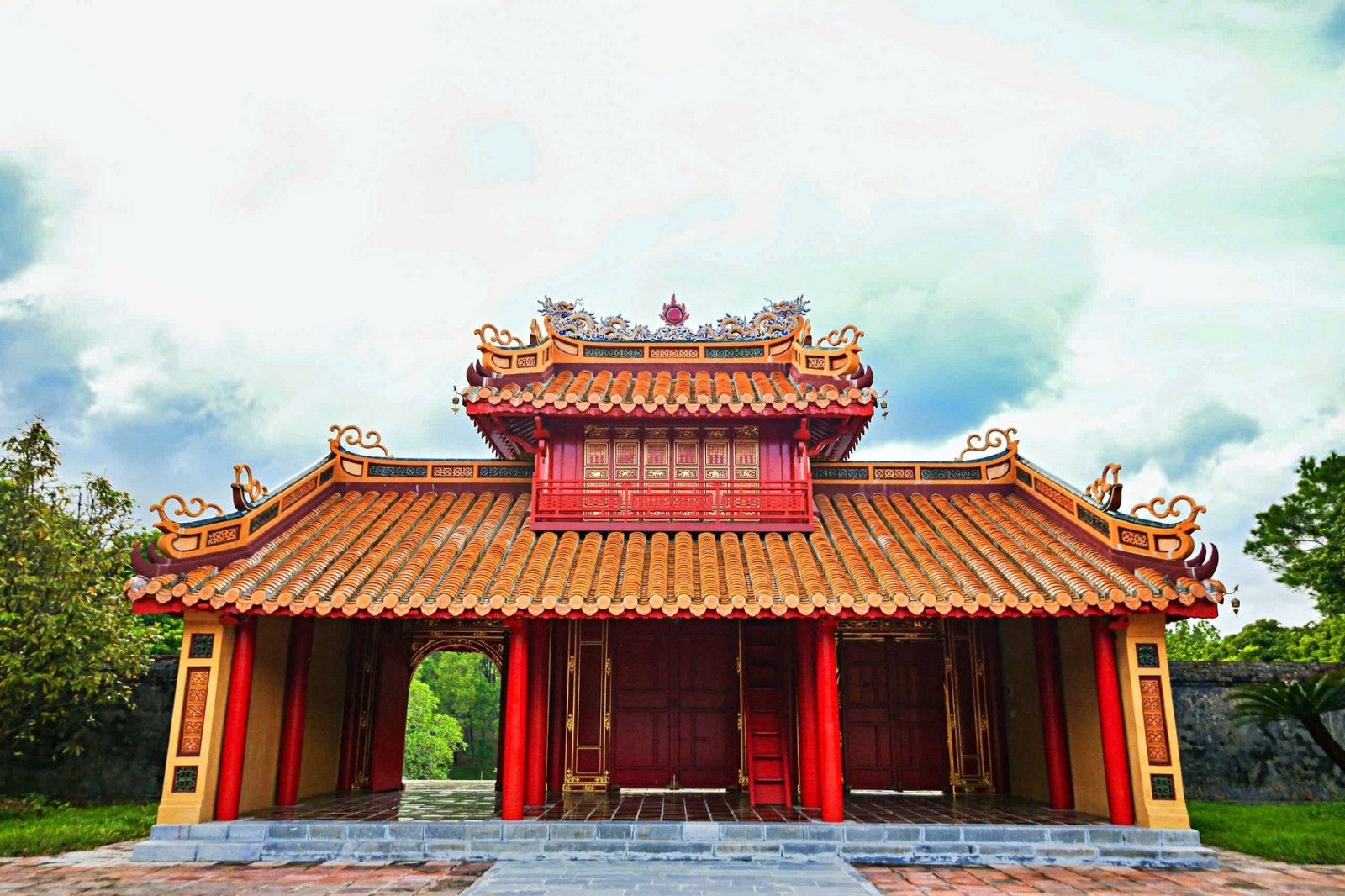
Gate of King Thieu Tri Tomb
Photo: Gate of King Thieu Tri Tomb

Specifically, construction of the tomb began in February 1848, and by June of the same year, King Thieu Tri's remains were interred. As for the stele “Xuong Lang Thanh Duc Than Cong” personally written by King Tu Duc, it was not erected in the Stele Pavilion (Bi Dinh) until November 1848. This incredible speed demonstrated King Tu Duc's filial piety and respect for his father's final wishes.

3. Unique and Distinctive Architecture

Thieu Tri Tomb possesses a graceful, gentle beauty, quite different from the majestic grandeur of Gia Long Tomb or the ancient, solemn elegance of Minh Mang Tomb. The most distinctive feature of the tomb is the combination and refined selection of elements from the tombs of the two preceding kings.

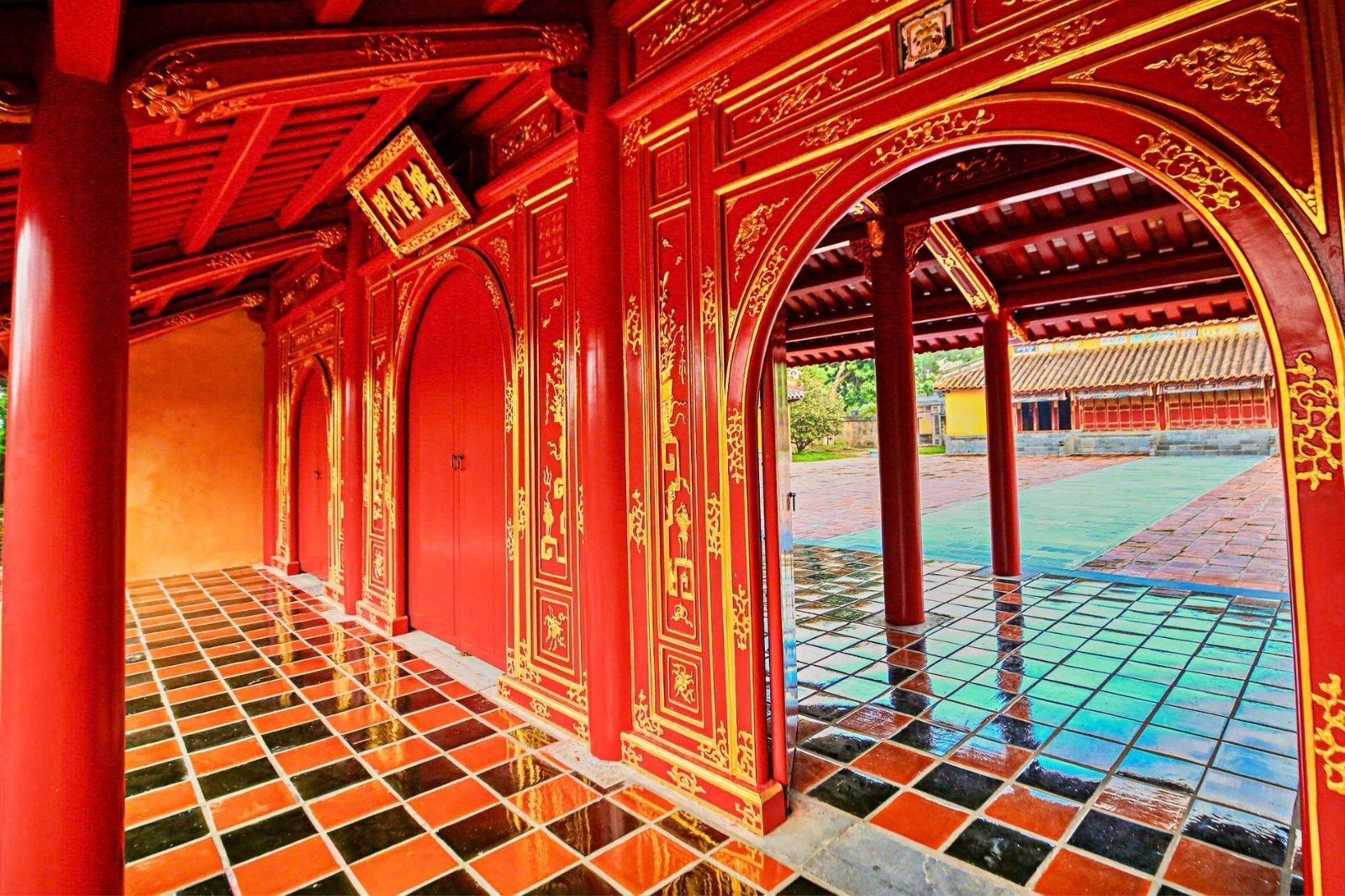
Unique and distinct architecture of the royal tomb
Photo: Unique and distinct architecture of the royal tomb

The unique beauty of Xuong Lang:

  • Unique tomb orientation: This is the only tomb among the Nguyen Dynasty royal tombs that faces Northwest, a rare direction in the palace and tomb architecture of that era.
  • No enclosing wall (La Thanh): Instead of solid brick perimeter walls, Thieu Tri Tomb uses surrounding lush green rice fields and fruit orchards as a natural enclosing wall, creating a close and peaceful atmosphere.
  • Feng Shui position: The tomb was designed according to the principle of "leaning against mountains, facing water" with Thuan Dao Mountain as the backing hill (hau cham), the imposing Cham Mountain as the screen (tien an), and the poetic Perfume River as the foreground water element (minh duong). Notably, the "Left Green Dragon" (Ta thanh long) is Vong Canh Hill, while the "Right White Tiger" (Huu bach ho) is Ngoc Tran Mountain on the opposite riverbank.
  • Division into two distinct areas: The entire complex is divided into two main areas: the tomb (burial area) and the temple area (place of worship), situated parallel and separate. The temple area was built about 100 meters away from Duc Hinh Pavilion, differing from the general layout of other royal tombs.

The aforementioned architectural characteristics created a Xuong Lang completely distinct from other tombs. Thieu Tri Tomb is not only a combination of the best elements of Gia Long and Minh Mang Tombs, but also reflects a fresh aesthetic philosophy that prioritizes gracefulness and harmony with nature over majestic splendor. This very aspect has turned the tomb into one of the most unique and refined architectural heritage sites of the Nguyen Dynasty.

4. Prominent Architectural Structures

Created based on the simple wishes of the poet king, Thieu Tri Tomb is a unique architectural complex, harmoniously blending the solemnity of a royal tomb with the natural, open beauty of the countryside. The most defining feature of Xuong Lang lies in its division into two distinct areas: the tomb area and the temple area, each carrying its own beauty and significance.

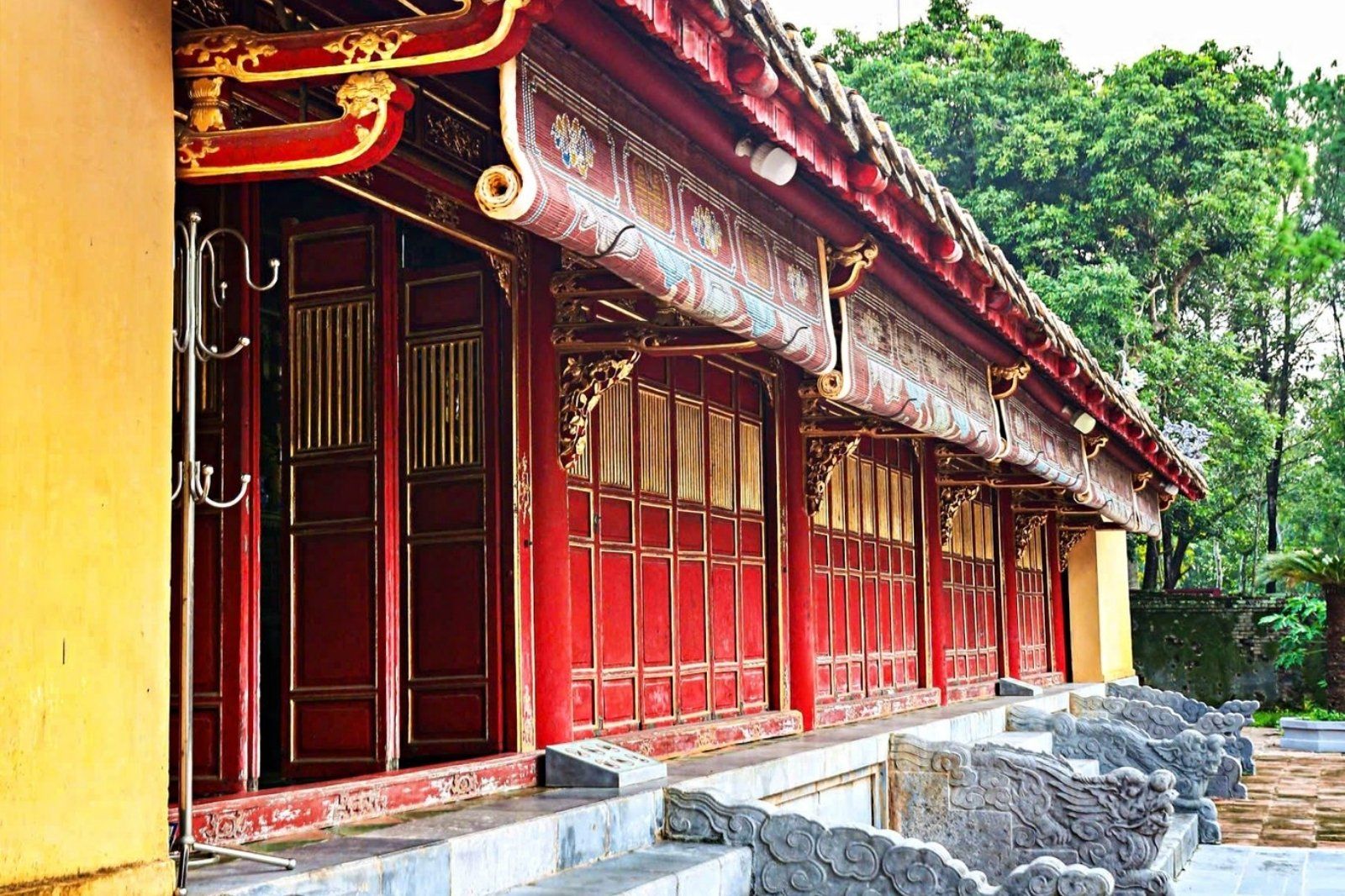
Architectural lines and patterns exquisitely carved
Photo: Architectural lines and patterns exquisitely carved

Tomb Area

Located on the right side of the complex, this area leads to the King's tomb.

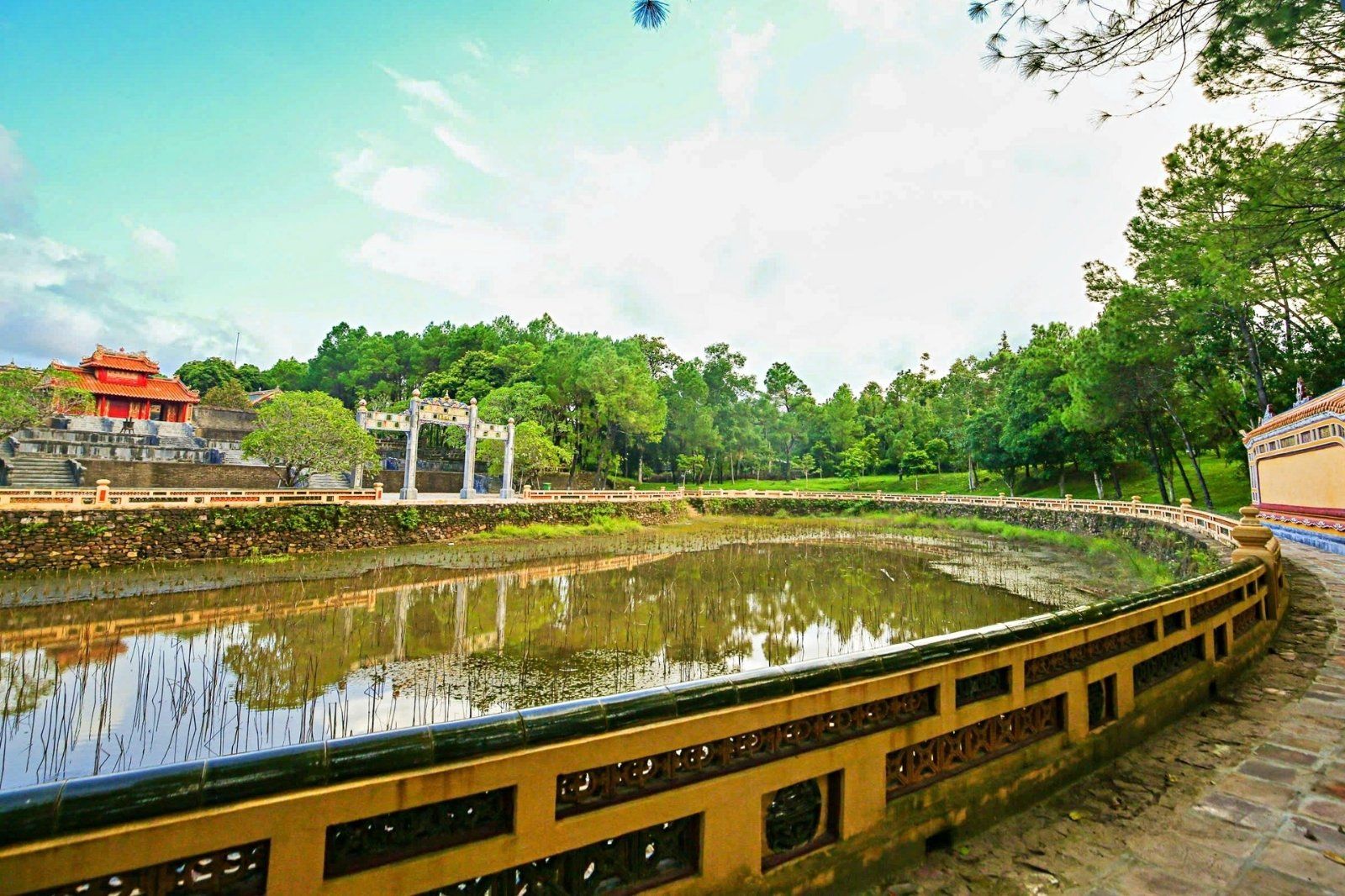
  • Nhuan Trach Lake and Ngung Thuy Lake: These two lakes are connected, forming a winding watercourse that conveys poetic and charming beauty.
  • Bai Dinh Courtyard (Honor Courtyard): A spacious courtyard flanked by two rows of stone statues of civil and military mandarins, elephants, and horses, strongly reflecting early 19th-century sculptural art.
  • Bi Dinh (Stele Pavilion) and Duc Hinh Pavilion: The square Bi Dinh pavilion houses the "Xuong Lang Thanh Duc Than Cong" stele. Behind it is Duc Hinh Pavilion, a structure reminiscent of Minh Lau Pavilion at Minh Mang Tomb.

Temple Area

Located about 100 meters to the left of the tomb area, this is the worship area for the King and Queen.

  • Bieu Duc Palace: This is the central structure housing the ancestral tablets of King Thieu Tri and Queen Tu Du. Inside the main hall, there are over 450 carved panels featuring poems of high literary and educational value.
  • Nghi Mon and Hong Trach Mon Gates: The entrances to the temple area are crafted from marble and elaborately decorated.

Thus, the tomb area and the temple area of Thieu Tri Tomb are not merely architectural structures, but a clear expression of the personality and wishes of the poem-loving king, a man who sought peace amidst pure nature after departing to eternity. This unique layout created a distinct Xuong Lang—both solemn and intimate—remaining an outstanding architectural heritage of the Nguyen Dynasty.

The tranquility of nature and architectural art
Photo: The tranquility of nature and architectural art

5. Cultural and Historical Value

Thieu Tri Tomb is not only a unique architectural work, but also clearly reflects the personality of this poet king: a man who lived simply and close to nature. The burial sites of his mother, wives, princes, and princesses are gathered near the main tomb, creating a warm family reunion even in eternity.

With its graceful beauty, harmonious architecture, and meaningful historical background, Thieu Tri Tomb is always an unmissable destination for those who wish to explore the ancient and solemn beauty of Hue.

Visitor Information:

  • Ticket price: 50,000 VND/adult (free for children).
  • Opening hours: 7:00 - 17:00 daily.
  • Address: Cu Chanh Village, Thuy Bang Commune, Huong Thuy District, about 8 km from Hue city center.
Outer grounds of King Thieu Tri Tomb
Photo: Outer grounds of King Thieu Tri Tomb

Thieu Tri Tomb is not only the resting place of a king, but also an exquisite piece of architectural art, conveying the philosophy of life and final wishes of a man who loved simplicity and nature. Its graceful, harmonious beauty, together with the unique layout of the structures, creates a distinct Xuong Lang—both solemn and peaceful—forever remaining an outstanding architectural heritage of the Nguyen Dynasty, quietly telling the story of a poet king in the heart of the solemn ancient capital.

Follow Sovaba Travel to explore more fascinating stories about an ancient and poetic Hue, from heritage and cuisine to traditional craft villages.

Loading......

Featured destinations