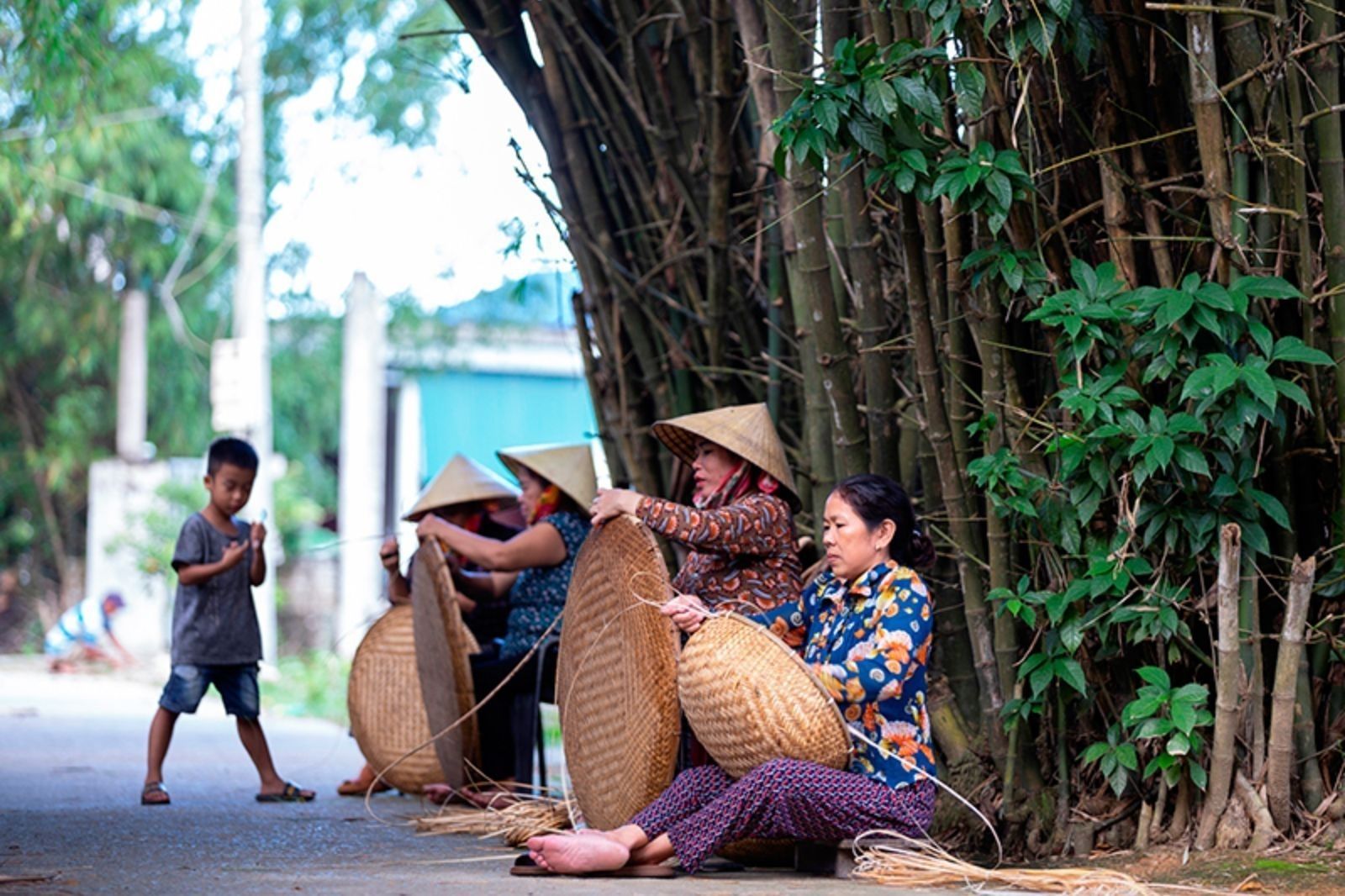
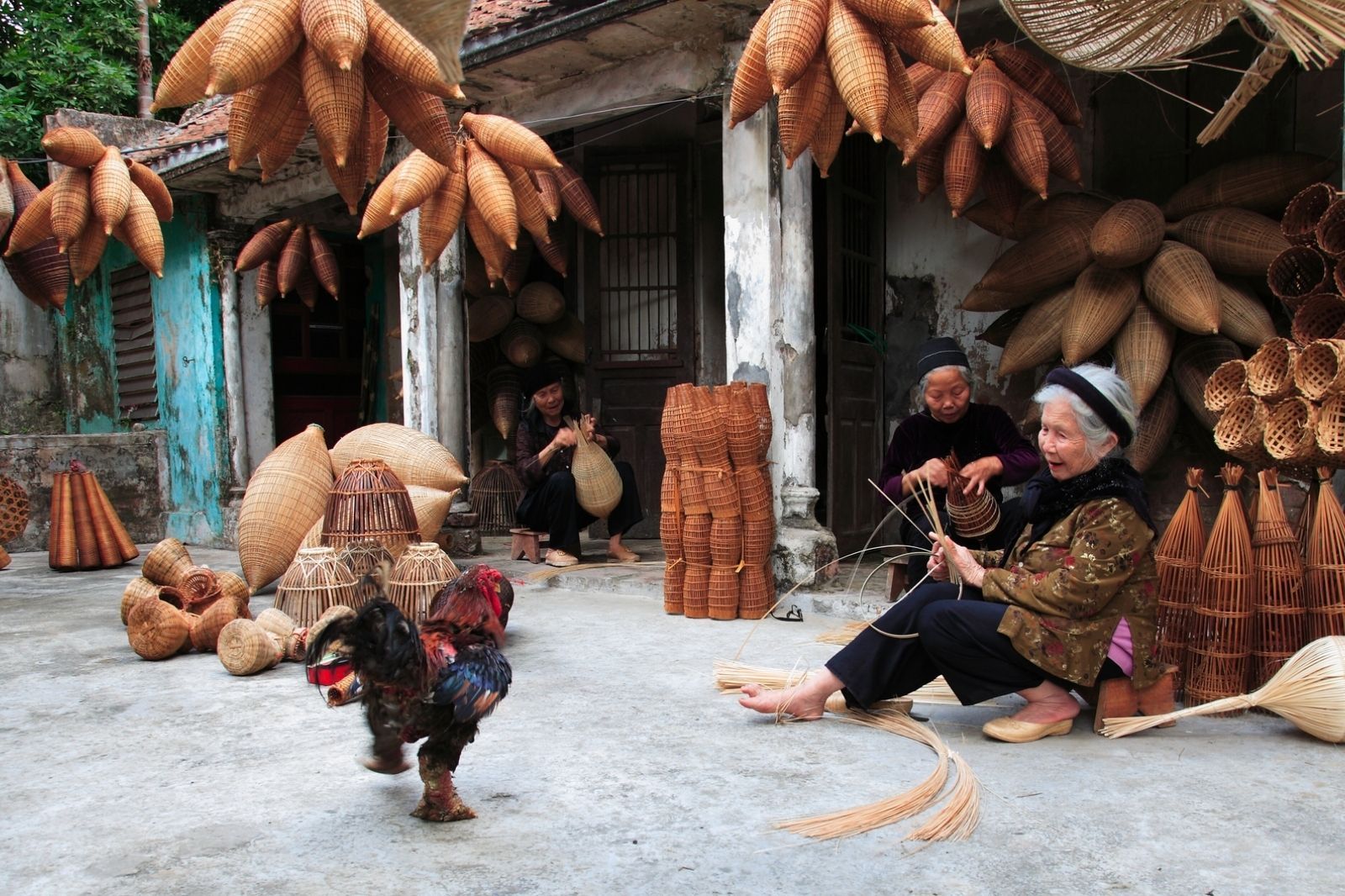
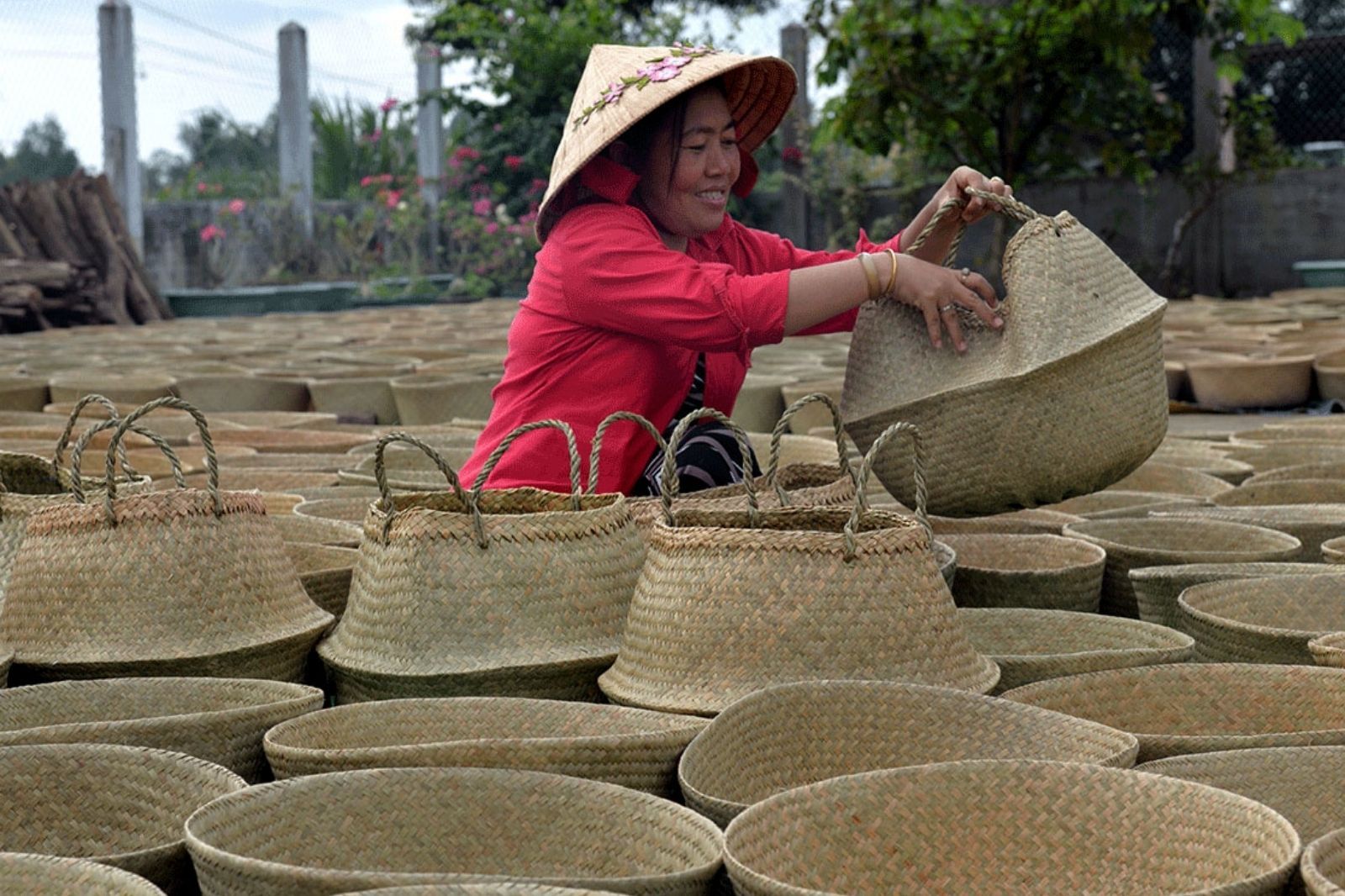
Located in the north of Gio Linh District, Quang Tri Province, Lan Dinh Village is about 2 km from the district center. The village is surrounded by lands full of potential: bounded by Gia Mon Village to the north, Gio Linh Town to the south, Tan Lich (Gio Binh Commune) to the west, and the gentle Canh Hom River to the east. With its characteristic hilly terrain and natural conditions favorable for the growth of bamboo and reed, this place has long become the cradle of a famous manual weaving craft in the region.
Lan Dinh is one of the villages with a long history of formation in Quang Tri. According to historical documents, the village was established around the early 15th century during the wave of southward migration to expand territory by the Vietnamese under the Dai Viet feudal period. In the work O Chau Can Luc by Duong Van An (1555), the village was recorded under the name Huong Da. Through various historical periods, the village name also changed, from Huong Dinh under the Nguyen Lords to Lan Dinh from the reign of King Khai Dinh, which has been preserved to this day.
The first inhabitants of the village mainly came from Thanh Hoa, Nghe An, and Ha Tinh provinces, bringing with them a tradition of industrious labor and a spirit of community cohesion. Major clans such as Tran, Nguyen Van, and Nguyen Dinh contributed to building and developing this land across generations. The person credited with founding the village is reverently worshipped by posterity as Lord Thi Anh Ba Ton Than, originally from Thanh Hoa.
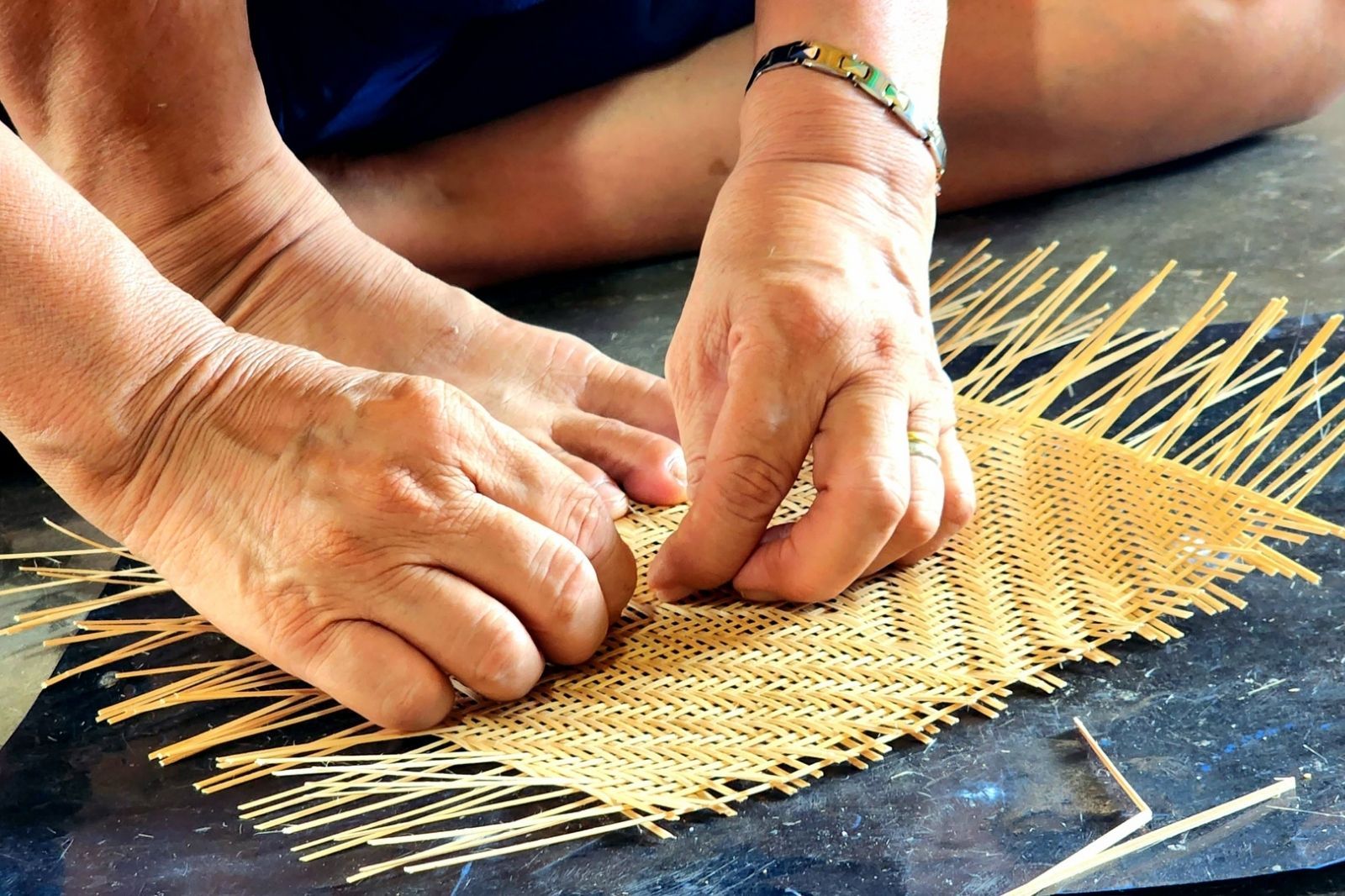
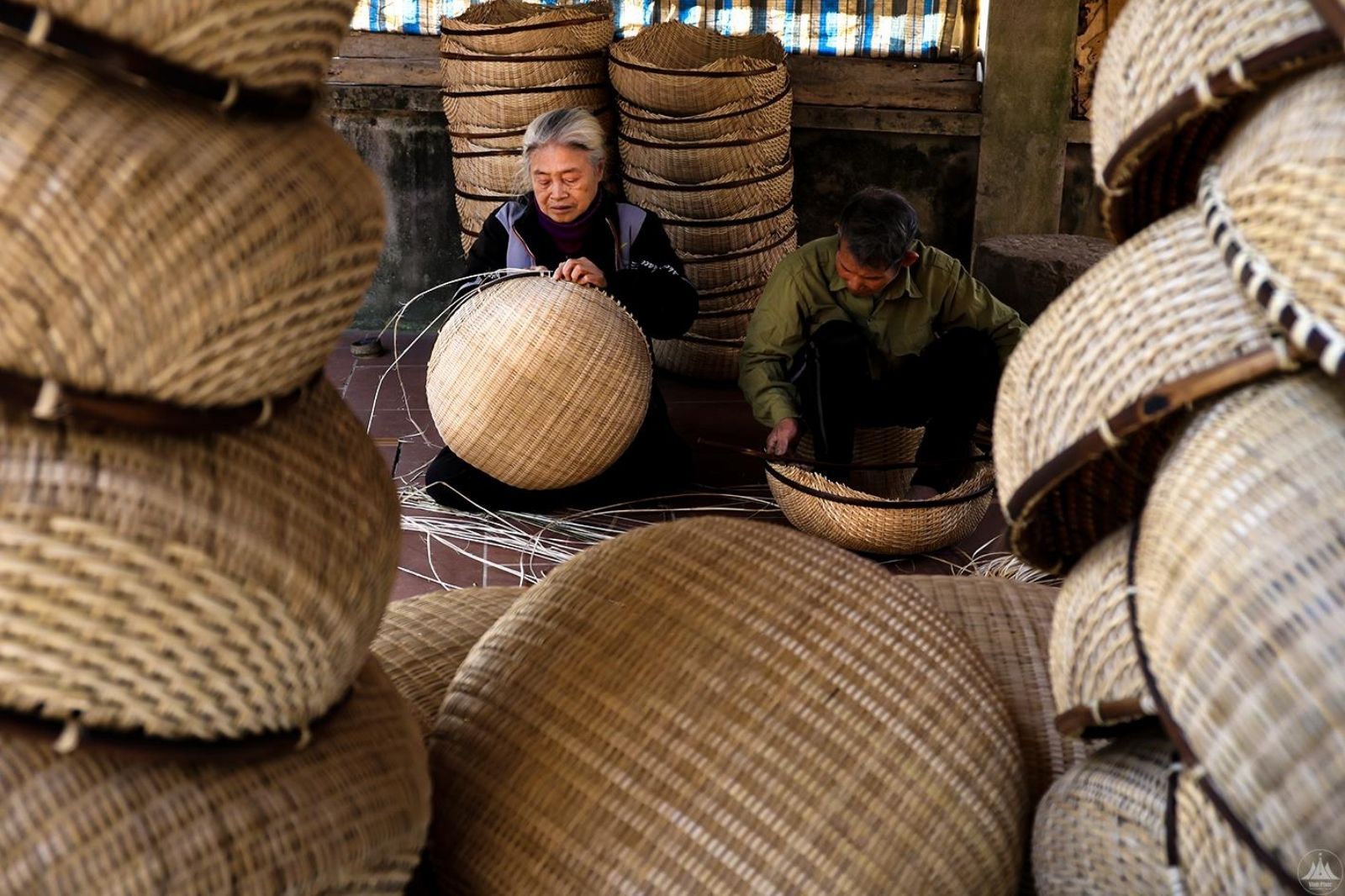
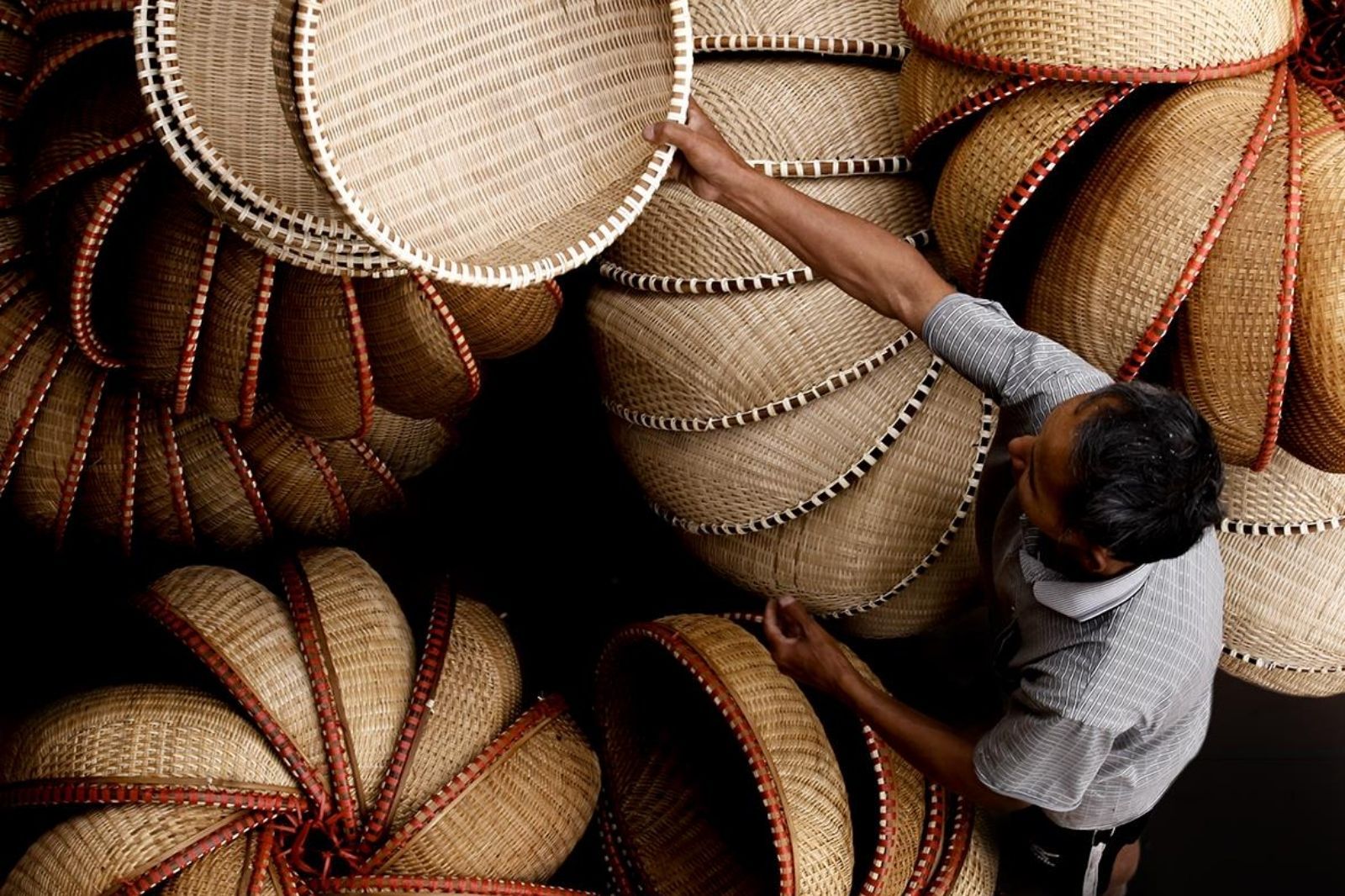
Through hundreds of years of formation and development, the people of Lan Dinh still maintain a lifestyle closely tied to agriculture. In addition to growing rice and cash crops, weaving from bamboo and reed appeared early as a supplementary trade to help improve living conditions. Over time, from everyday items, the weaving craft increasingly affirmed its important role in the local economy, becoming the main source of income for many families. Far more than just a handicraft, Lan Dinh weaving is a cultural heritage passed down through generations, reflecting the skillfulness, creativity, and enduring vitality of the local people.