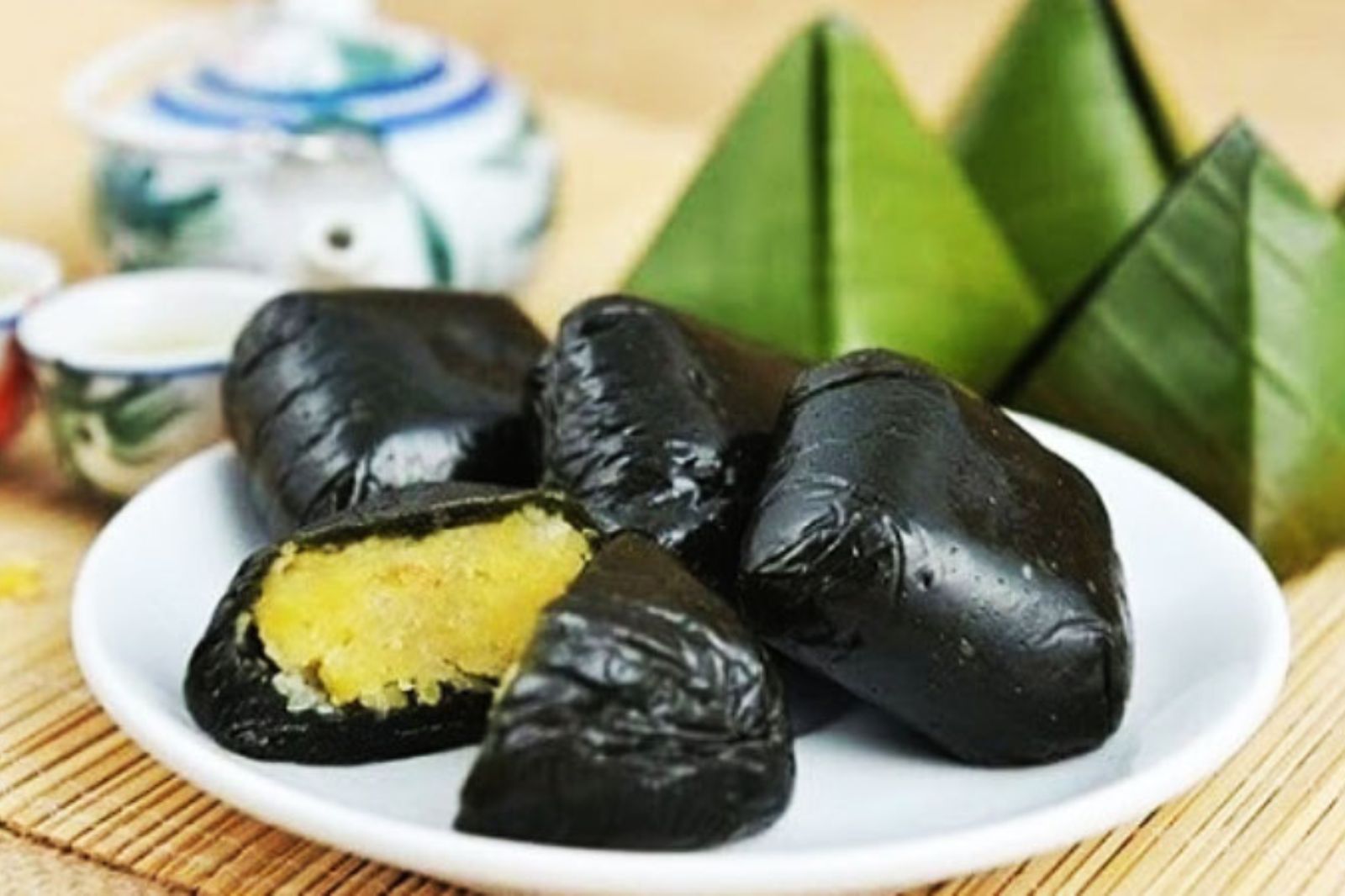
Le Thuy banh gai is not intricate, yet it carries the rustic soul of the countryside. The crust is made from glutinous rice flour mixed with ramie leaves, glossy black, chewy, and fragrant. The filling is a harmonious blend of nutty mung beans, mildly sweet sugarcane sugar, rich shredded coconut, and undeniably a few delicate drops of banana oil, like a subtle touch that brings out the taste of home. Holding the cake in hand, peeling back each layer of banana leaf, a gentle aroma diffuses, as if taking us back to summer afternoons sitting on the porch, listening to grandmother tell old tales. Banh gai is not just to be eaten, but to be remembered, loved, and cherished for its simple yet profound essence.
Le Thuy Banh Gai: A Touch of Rural Affection in Every Fold of Leaf
Central
Quang Binh
Sovaba.travel
Updated at: 24/09/20261. Le Thuy Banh Gai - A Taste of Home
2. The flavor crafted by the hands behind Le Thuy Banh Gai
Unrushed and unhurried, the people of Le Thuy make banh gai with hands that have endured many seasons of sun and rain. Ramie leaves, which have a slightly astringent taste and rough stems, are usually gathered from surrounding hillsides or grown right in back gardens. The leaves are thoroughly washed, boiled, and drained before being pounded in a mortar. Instead of using grinders, the bakers pound them by hand with steady, patient rhythm until the leaf paste becomes smooth and cool between fingertips before it is considered ready.
The glutinous rice used for the cake is a sticky, fragrant variety, soaked in water for several hours to soften before being finely ground. Each batch of flour is carefully sifted, rhythmically, much like how people of old filtered goodness to send into gifts of the countryside. The filling is a blend of mashed mung beans, fragrant shredded coconut, sugar, a hint of cinnamon, and a subtle whisper of vanilla—a sensory symphony that only those who have tasted it can truly understand its lingering sweet aftertaste.
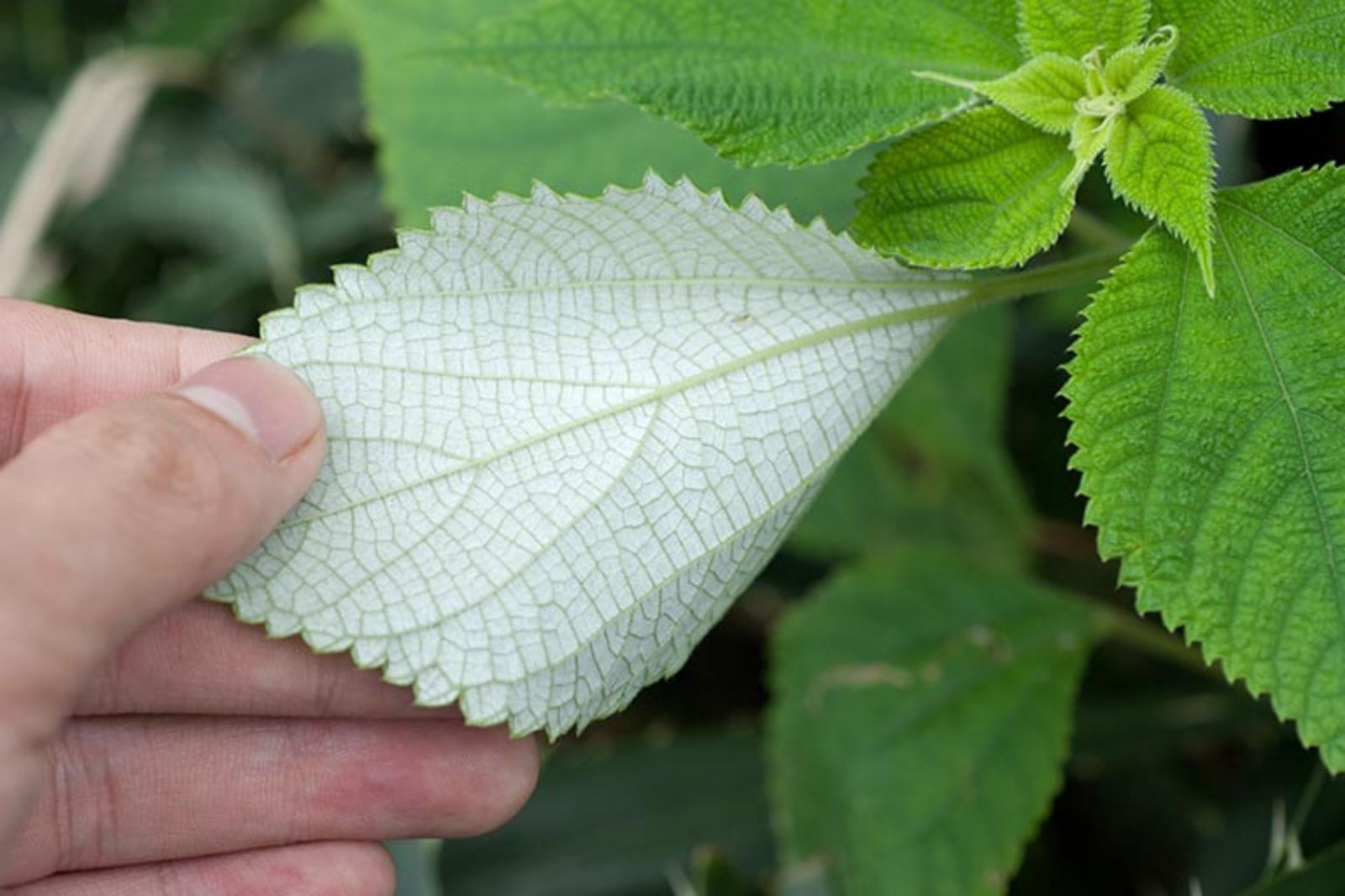
The cakes are wrapped in fresh banana leaves, then steamed in large pots, keeping an eye on the fire by intuition: fewer cakes mean a quicker cook, more cakes take longer; high heat shortens the time, while low heat simmers slowly like a lullaby. When the cakes cool, the crust turns a glossy black, pliable and clinging tightly to the vibrant yellow filling inside. Taking a bite brings back the countryside air, filled with the sound of noon winds over the fields, gentle ripples on the Kien Giang River, and the clear laughter of barefoot children from days gone by.
3. What makes Le Thuy Banh Gai unique
Banh gai is present in many Vietnamese rural areas, but Le Thuy banh gai carries a very unique charm, an understated elegance like no other. It is neither overly sweet nor excessively rich, but just balanced enough to make anyone who tastes it remember it forever. The subtle aroma of finely pounded ramie leaves, the glossy black hue of the chewy crust, accented with fragrant roasted sesame seeds—all create a rustic yet refined appearance. Yet perhaps the most special element lies in the hands of the mothers and sisters of Le Thuy, who infuse soul into each cake as if sending along all their love for the countryside and a lifetime of simplicity.
Le Thuy banh gai is often seen on important occasions: ancestor worship platters, Tet holidays, or as gifts sent to far-off places. Each cake is like a quiet whisper from home: “Wherever you go, please do not forget the sweet taste of home.”
4. A thread of memories for those far from home
For Le Thuy natives living far from home, banh gai is not just a dish, but a piece of memory, a string binding their hearts tightly to the motherland. Simply peeling back the layer of banana leaf, letting the gentle aroma of ramie leaves rise, is enough to pause time—to see oneself returning to the village road shaded by bamboo, hearing mother's voice echoing from the porch, and recalling the bustling rural markets in the early morning breeze.
Some say that Le Thuy banh gai must be enjoyed with a sip of green tea to be truly complete. The subtle bitterness of the tea blends with the sweet, rich flavor of the cake, much like life itself: there is bitterness, there is sweetness, but in the end, what remains is a deep, loving flavor.
5. How to enjoy Le Thuy Banh Gai?
If you have the chance to set foot in Quang Binh, do not forget to visit the region of Le Thuy, where banh gai is wrapped with affection and memories. Simply taking a stroll through country markets in Tan Ninh or Phu Ninh communes, or stopping by roadside stalls, you can easily find this rustic delicacy. The price of each cake is only a few thousand VND, but the value hidden behind it is a slice of culture—something that cannot be measured by money.
For those far away, Le Thuy banh gai can still reach you through e-commerce platforms or as home gifts sent by relatives. However, it is most delicious when the banana leaf is still fresh, retaining its aroma, the filling holds its full warmth, and the story behind the cake lingers in the telling. Le Thuy banh gai is not just a dish, but a call from home, a distillation of memories, and a symbol of the warm hospitality of the Quang Binh people.
Let Sovaba Travel unveil the secrets of Quang Binh's cuisine, where every dish is not merely a flavor, but a story steeped in the soul of the countryside. Follow us so you won't miss the unique lingering tastes and the pathways leading to the heart of this simple yet profound culinary tradition.
Loading......