Learn to Make Com Lam and Drink Ruou Can with Ethnic Locals

Central

Quang Tri

Sovaba.travel

Updated at: 24/09/2026

1. Introduction to bamboo-tube rice and traditional tube wine in local ethnic culture

The Central Highlands is not only famous for its endless coffee hills or echoing gong sounds, but also captures the hearts of visitors with its unique cultural values, expressed through traditional cuisine and drinks.
Essence of ethnic culinary culture
Photo: Essence of ethnic culinary culture

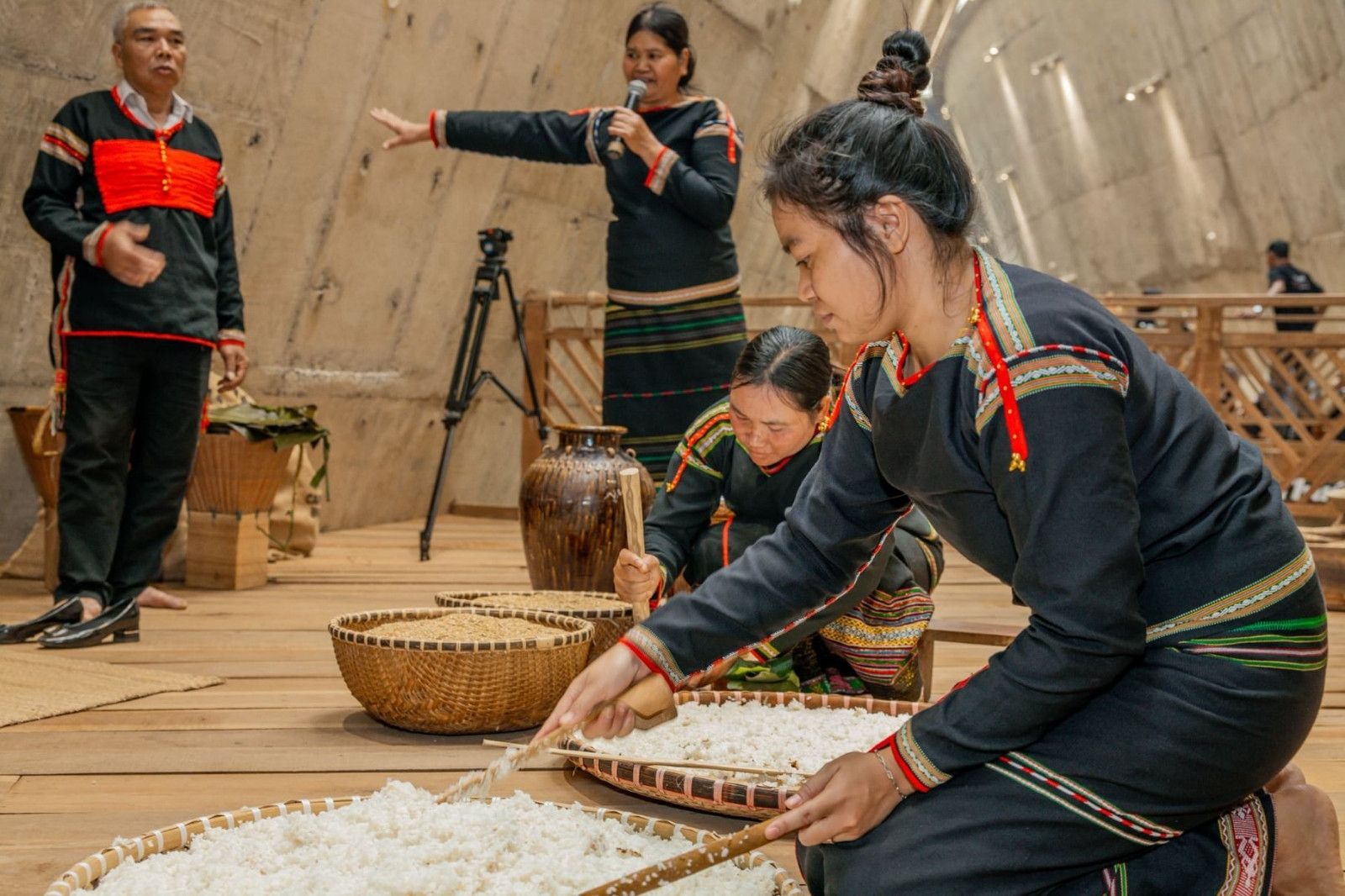
Com Lam (bamboo-cooked rice), a dish representing the harmony between humans and nature, is proof of the ingenuity and delicacy of local people. Fragrant highland sticky rice cooked inside fresh bamboo tubes absorbs the subtle aroma of young bamboo and the sweet taste of stream water, creating a simple yet appealing dish. Com lam is closely linked to slash-and-burn farming life and long forest trips, becoming an indispensable dish in family meals and festive occasions.

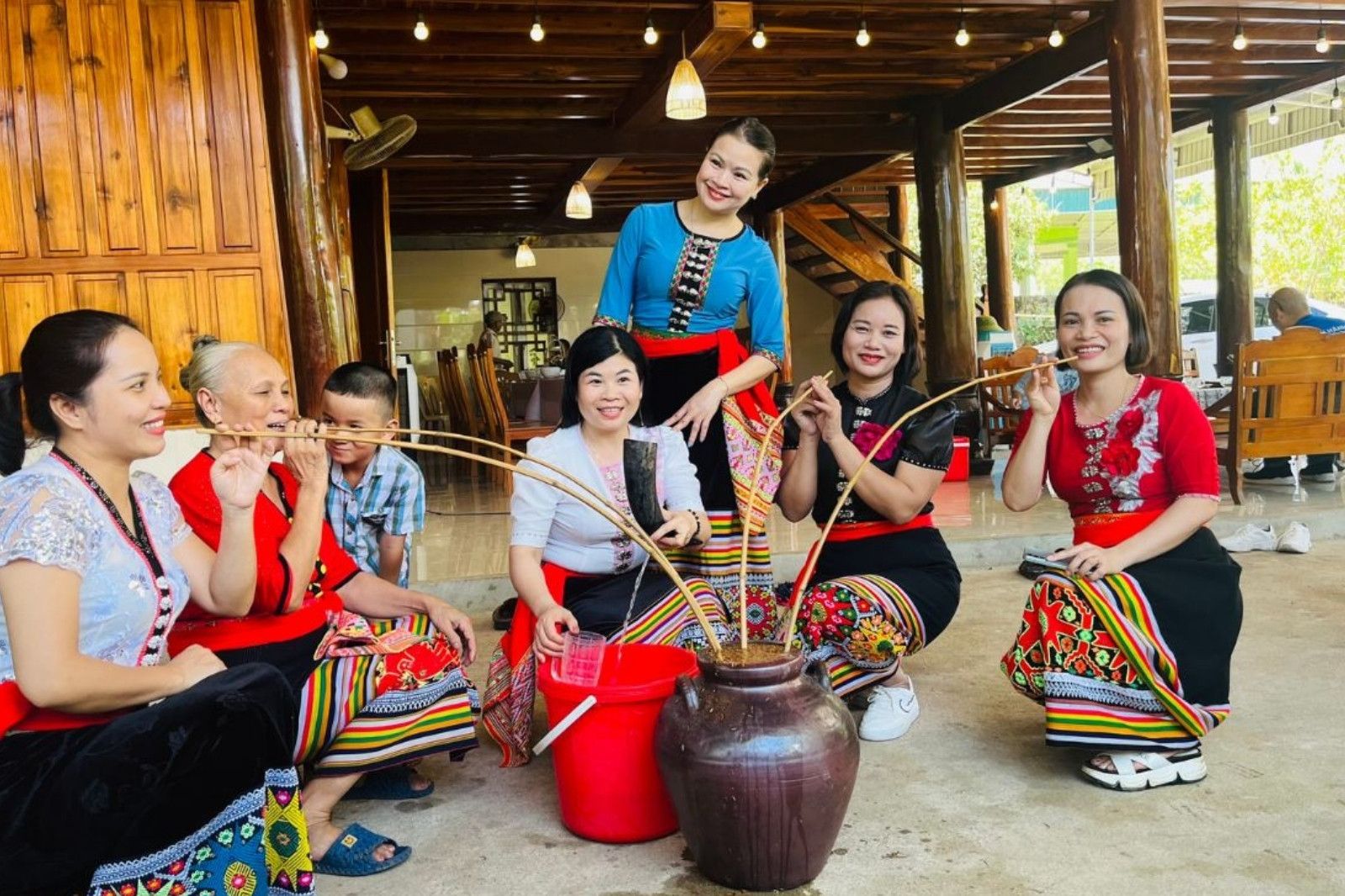
Along with com lam is Ruou Can (pipe wine), a deeply communal drink that symbolizes unity and togetherness. Fermented from wild leaf yeast combined with grains like glutinous rice, cassava, and corn, ruou can possesses a distinctive, rich flavor. Drinking ruou can is not merely enjoying a beverage; it is participating in a cultural ritual, gathering around the wine jar to share stories and aspirations, creating a warm and heartwarming atmosphere.
2. Preparing for the 'Learning to make bamboo-tube rice and drink traditional tube wine' experience

The best time to explore the Central Highlands and join outdoor activities is during the dry season, from April to October. At this time, the weather is dry and sunny, which is very favorable for traveling and participating in outdoor experiences. You can also look up the schedules of local festivals such as the Gong Festival, the New Rice Celebration... for a chance to immerse yourself in the vibrant atmosphere and gain a deeper understanding of local culture.

Ideal locations for this experience are usually traditional villages such as Don Village (Buon Don), Ako Dhong Village (Ako Thon) in Dak Lak, or villages in Kon Tum and Gia Lai. Many eco-tourism areas also organize these cultural experience programs. You should contact and book in advance with local travel companies or directly with the community cultural center in the village. Before going, ask clearly about costs, program details, and special requirements (if any) for the best preparation.

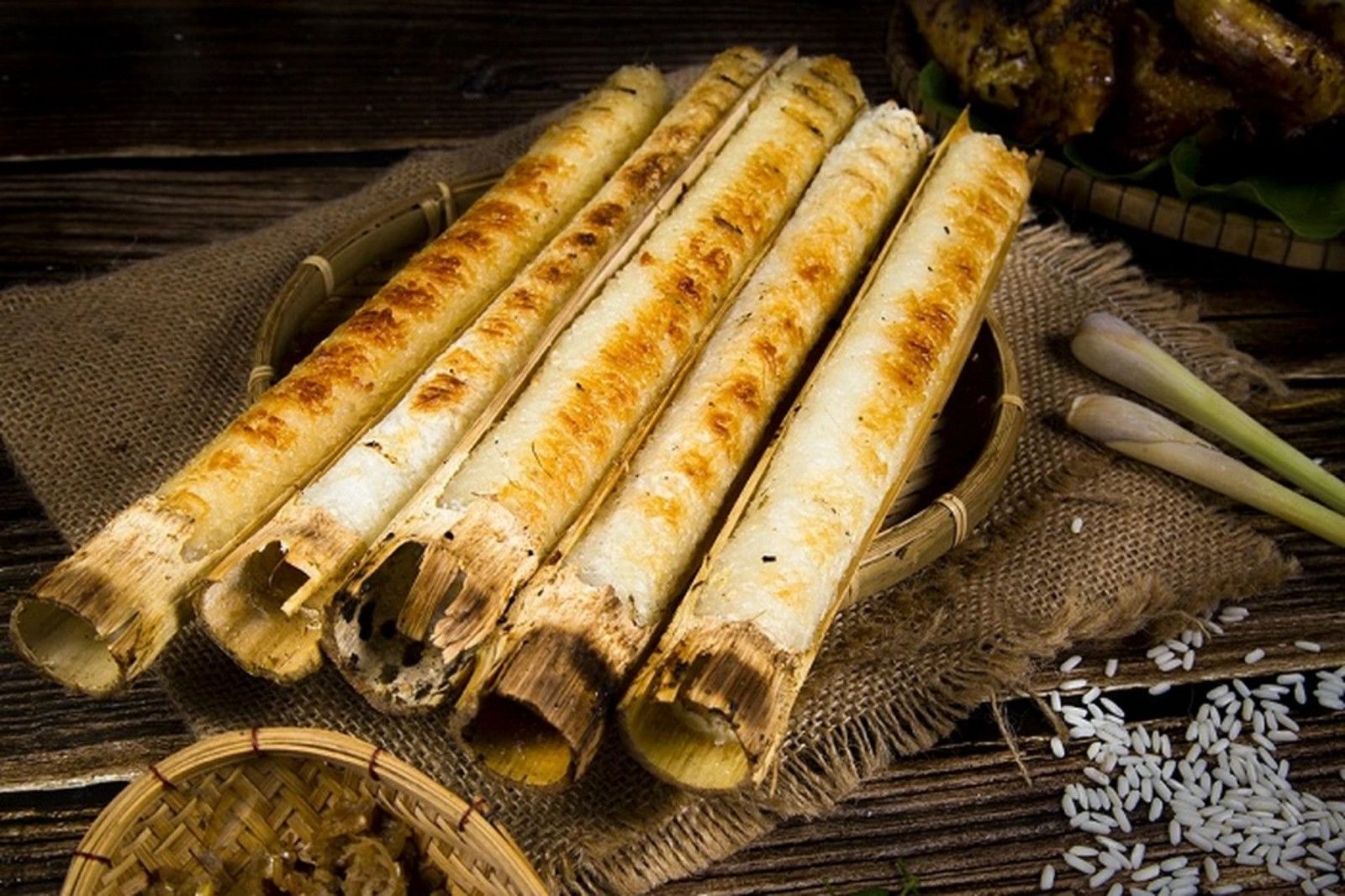
Delicious, rustic bamboo-cooked rice tubes
Photo: Delicious, rustic bamboo-cooked rice tubes

Regarding clothing and personal items, prioritize comfortable, easy-to-move clothes suitable for the weather. Do not forget to bring a hat, sunscreen, and insect repellent, especially if you plan to participate in outdoor activities. A camera or a phone with good photography capabilities will help you capture memorable moments during this trip.

3. Details of the cultural experience activities

The cultural experience in the Central Highlands is divided into two main parts: hands-on learning to make com lam (bamboo-cooked rice) and participating in the ruou can drinking ritual, each bringing unique values and impressions.

Learning to make com lam: The culinary art of bamboo

Making com lam yourself is not just a cooking activity but also a process of discovering the skill and sophistication of the ethnic villagers.

Required ingredients:

  • Highland glutinous/regular rice: Rice grown on hillside farms, having a characteristic stickiness and aroma.
  • Fresh bamboo tubes: Select young, green bamboo tubes with suitable segments so the rice cooks evenly and absorbs the bamboo aroma.
  • Banana leaves or Phrynium leaves (la dong): Used to plug the ends of the bamboo tubes, holding steam and flavor inside.
  • Fresh stream water: The natural water source contributes to the distinctive taste of com lam.
  • Salt or coconut milk: Some regions may add a pinch of salt to enrich the flavor or coconut milk to enhance richness.
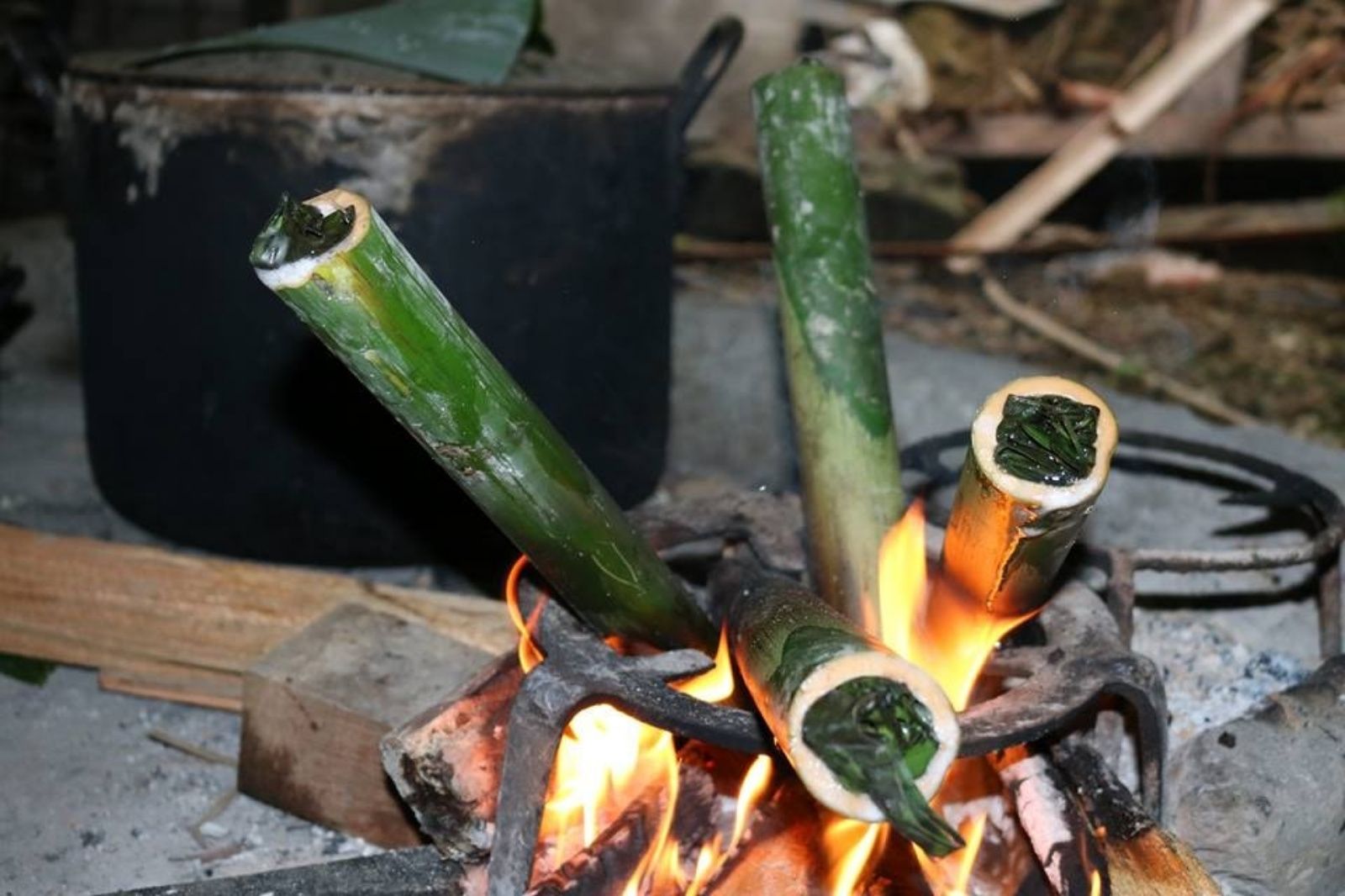
Bamboo-cooked rice tubes on the fire
Photo: Bamboo-cooked rice tubes on the fire

Detailed steps:

  • Selecting and preparing bamboo tubes: You will be guided on choosing young bamboo segments with a suitable diameter. The bamboo tubes are sawed into sections of about 25–30 cm, washed clean inside, and optionally lined with a thin layer of young banana or dong leaves so the rice doesn't stick to the bamboo inner wall.
  • Washing and soaking rice: The highland rice is washed thoroughly until the water runs clear, then soaked in water for about 1–2 hours so the grains expand evenly, making the rice stickier when cooked.
  • Filling bamboo tubes with rice: Hold the bamboo tube vertically and carefully pour the soaked rice in until about 2/3 full. Then, add stream water near the top, leaving a small gap for the rice to expand. Plug the opening tightly with banana or dong leaves.
  • Grilling com lam over glowing embers: This is the most crucial step. The rice-filled bamboo tubes are placed over glowing coals or grilled directly over a wood fire. You need to rotate the bamboo tubes continuously for even heat distribution, helping the rice cook into a golden, sticky texture without burning. Grilling time ranges from 45 minutes to 1 hour, depending on the bamboo size and fire intensity.
  • Checking and enjoying: When the outer bamboo skin turns dark and releases a characteristic aroma, the rice is ready. To eat, simply peel back the burnt outer bamboo layer with a knife to reveal hot, fragrant cylindrical rolls of sticky rice. Com lam is typically served with sesame salt, grilled chicken, grilled pork, or grilled stream fish – mountain delicacies that enhance the rustic flavor of the dish.

Drinking Ruou Can with local ethnic people: Community connection around the wine jar

Participating in the ruou can drinking ritual is the fastest way to immerse yourself in the community atmosphere and better understand the unity spirit of the Central Highlands people.

Learning about the fermentation process of Ruou Can

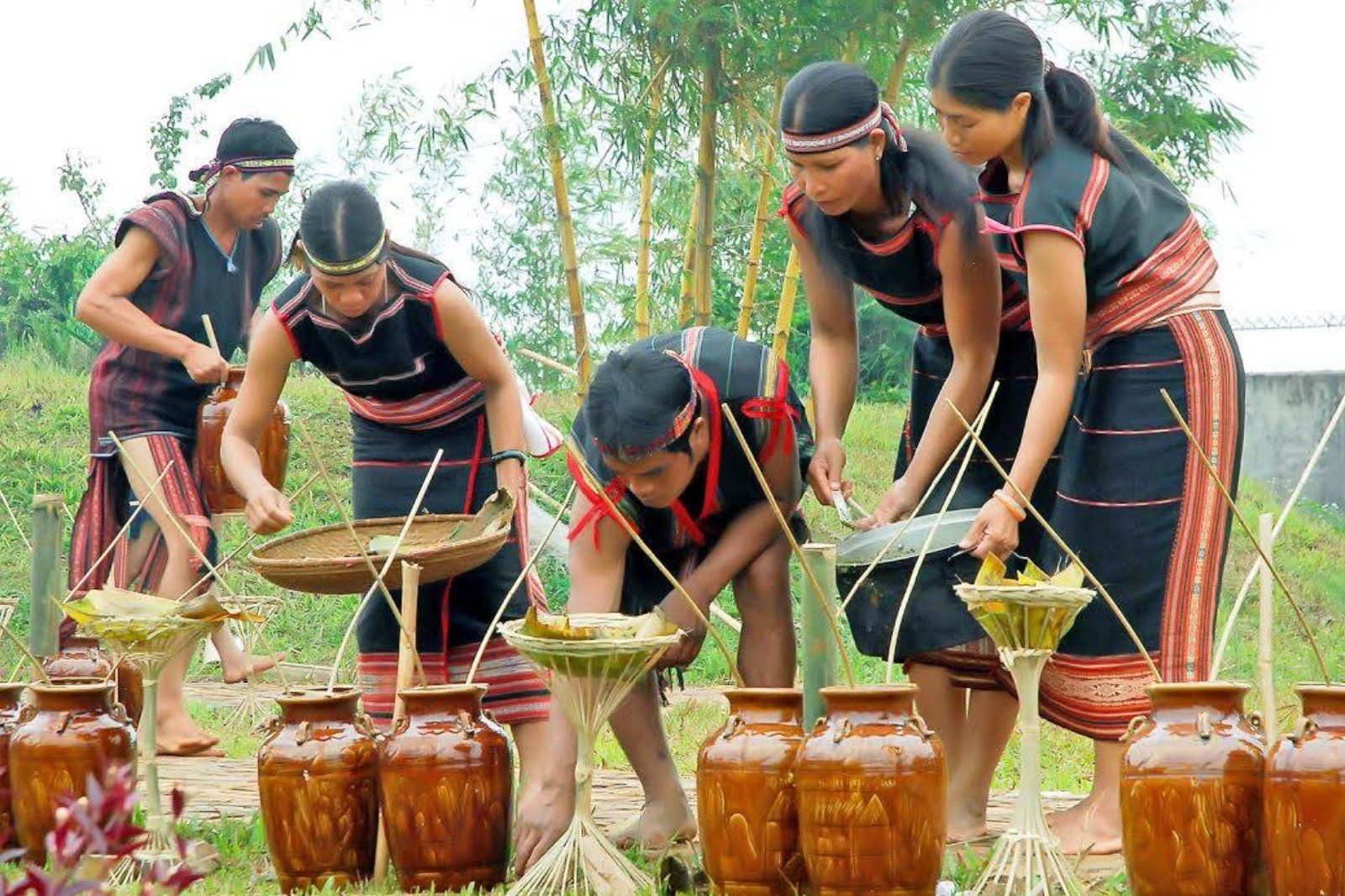
  • Ingredients: Ruou can is brewed from grains like glutinous rice, cassava, corn... but the most important element creating its distinct flavor is wild leaf yeast. The yeast is made from various wild leaves and tree barks, with each ethnic group having its own secret recipe.
  • Fermentation process: Ingredients are cooked, mixed with leaf yeast, and aged in large ceramic jars for a certain period (usually several weeks to months), depending on the type of wine and weather. This aging process creates the characteristic rich, slightly sour, and mildly sweet flavor of ruou can.
Learning to drink Can wine with local ethnic people
Photo: Learning to drink Can wine with local ethnic people

Participating in the Ruou Can drinking ritual

  • Communal significance: Ruou can is not just a drink but a symbol of unity and bonding. It often appears in major festivals and important rituals such as the New Rice Festival, the Water Wharf Worship Ceremony, or intimate community gatherings. Drinking ruou can is a way for everyone to share joy, sadness, and hopes together.
  • How to drink ruou can and basic etiquette: You will be guided on how to sit around the wine jar, each person with a bamboo reed straw. When drinking, the straw is inserted deep into the jar, and you sip gently to savor the flavor. Unwritten rules to keep in mind when drinking ruou can include:

    - Do not touch the wine or the wine jar with your hands while drinking.

    - Only sip using your assigned reed straw.

    - When inviting others to drink, the host usually starts and invites guests in order of seniority and status.

    - Respect and listen to the stories and songs shared by the local ethnic host while drinking.

  • Cultural exchange and feelings: This is a wonderful opportunity to talk directly with local residents and listen to them share stories about their lives, customs, traditions, and culture. You can join traditional performance activities such as xoang dancing, bamboo pole dancing, and immerse yourself in the mountain-echoing gong sounds, creating unforgettable memories.

From hand-roasting each fragrant bamboo-cooked rice tube to gathering around the wine jar listening to stories and gong rhythms, you will not only savor mountain flavors but also deeply feel the warmth, hospitality, and unique cultural identity of the Central Highlands ethnic people. This is truly a journey of connection, where you can touch the heart of the majestic forest land and bring back invaluable memories.

4. Notes and tips when participating in the activity

For a smooth and meaningful experience, keep in mind these important notes:

  • Always maintain a respectful and polite attitude toward local residents and culture. Ask for permission before taking photos or videos of locals or sacred objects. This demonstrates respect and helps foster goodwill with the community. At the same time, abide by the rules and customs of the villages you visit.
  • Regarding health and safety, prepare good physical condition, especially if walking activities are involved. When drinking ruou can, drink in moderation to ensure health and alertness. If you have any health concerns, inform your guide immediately for timely assistance.
  • Join hands to protect the environment. Strictly refrain from littering, maintain general hygiene, and do not damage trees or the natural landscape. Your small actions contribute to preserving the pristine beauty of the Central Highlands.
  • If you wish to buy souvenirs, consider local handicrafts and intricately woven brocades. This not only gives you a meaningful keepsake but also supports the local economy. Be sure to ask about product origins and prices to make the best choice.

These small yet essential tips will help ensure you not only have a complete trip but also leave behind positive impressions as a responsible traveler, contributing to preserving and honoring the unique cultural values of the Central Highlands.

Experiencing unique culinary culture of ethnic highlanders
Photo: Experiencing unique culinary culture of ethnic highlanders

The journey of exploring Central Highlands culture, from meticulously hand-grilling fragrant bamboo-cooked rice tubes to the moments of gathering around the wine jar while listening to stories and gong rhythms, is more than just a simple trip. It is a multi-sensory experience where you not only savor mountain flavors but also deeply feel the warmth, hospitality, and unique cultural identity of the locals. Every grain of rice, every drop of wine, and every smile carries a story and a piece of the soul of this land.

Loading......

Featured destinations