The Rhythm of Life on the Nhat Le River – The Peaceful Beauty of Quang Binh

Central

Quang Binh

Sovaba.travel

Updated at: 24/09/2026

1. Introduction to the Nhat Le River

The Nhat Le River originates from U Bo and Co Roi mountains in the majestic Truong Son range, flowing through two main branches: the Long Dai River (Quang Ninh district) and the Kien Giang River (Le Thuy district), merging at Trung Quan before emptying into the East Sea at Nhat Le estuary. With a length of about 85 km, the river not only provides water for daily life and production but also carries magnificent beauty just as its name suggests. In Sino-Vietnamese characters, 'Nhat' means day and 'Le' means repetition or beauty, evoking the image of a river shimmering under the sunlight, radiant and charming every single day.
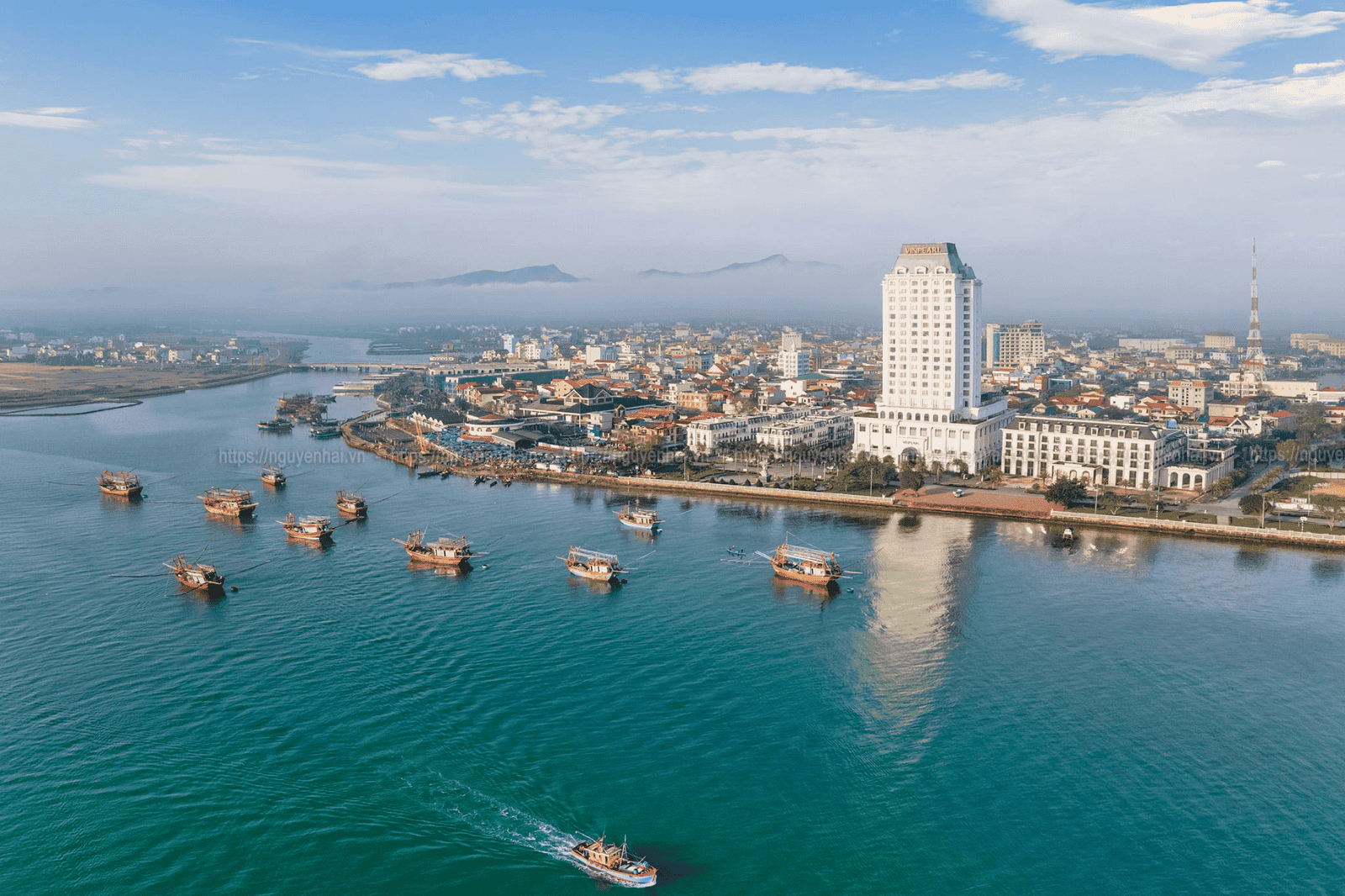
Nhat Le River is about 85 km long
Photo: Nhat Le River is about 85 km long

According to legend, the name Nhat Le is tied to an emotional story about Princess Huyen Tran, a daughter of Dai Viet who sacrificed her personal happiness to marry into Champa, bringing back the two provinces of O and Ly for the country. Her quiet tears shed beside the river moved the locals to name it 'Nhat Le' - the river of daily falling tears. Beyond being a historical symbol, the Nhat Le River also witnessed heroic feats during the resistance against the US, notably with the image of Mother Suot - a heroic mother rowing a boat across the river amid a hail of bombs and bullets.
2. The simple pace of life by the river

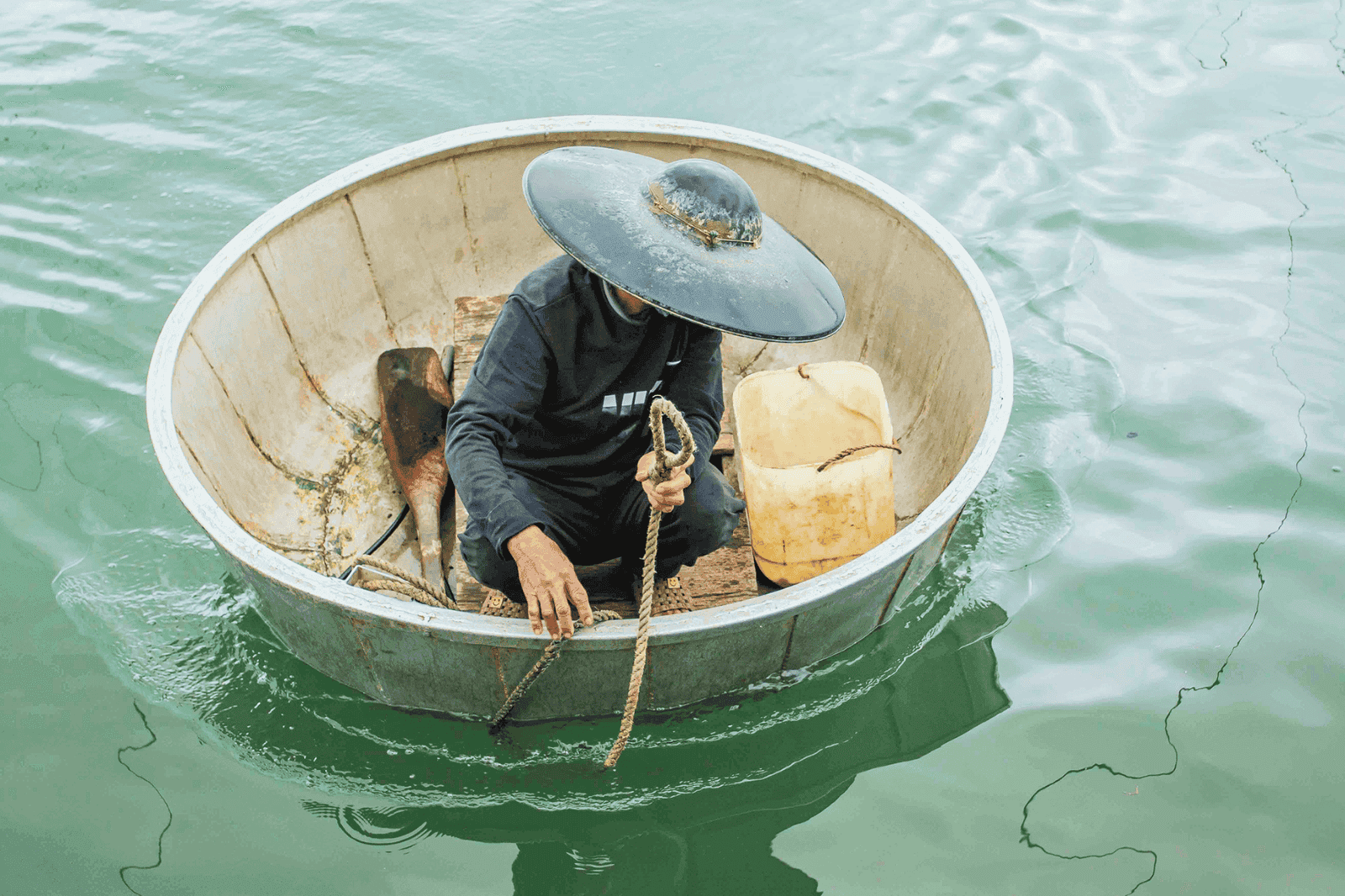
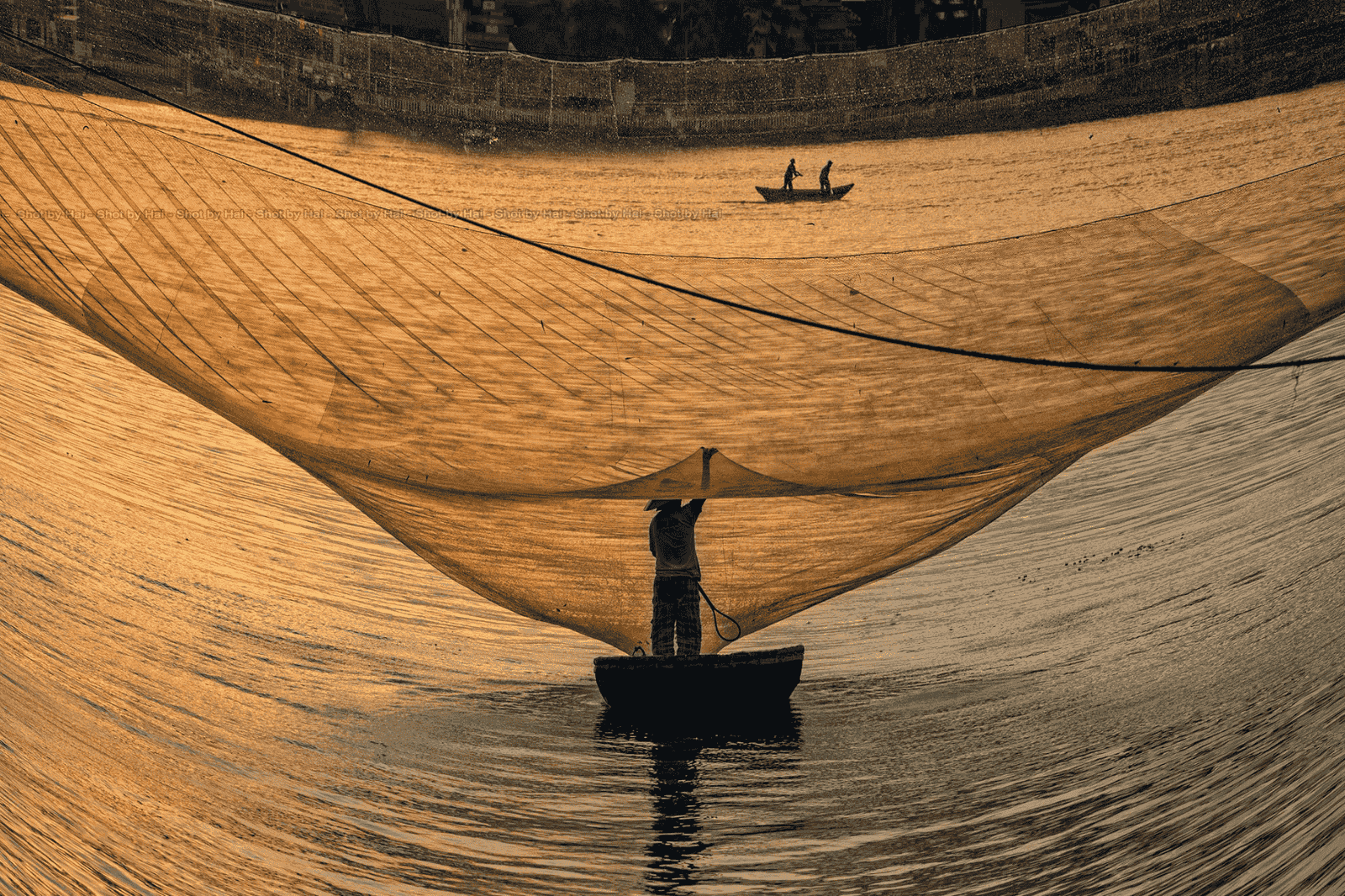
Along the Nhat Le River, the rhythm of life in Central Vietnam reveals itself as rustic and intimate through the passing boats, casting nets, and the daily activities of the riverside residents. Particularly in the Bao Ninh fishing village and the communities lining the banks, traditional practices-such as net fishing, line fishing, setting traps, and diving for oysters on the riverbed—remain integral to the lives of many families. Each day on the river begins at the crack of dawn; small boats depart one by one, nets are hauled in after a trip out, and the sound of boat engines echoes through the morning air. As evening falls, the riverbank returns to its inherent tranquility: locals chat on their porches, children play, and boats lie quietly at anchor, swaying with the current.

Beyond its role in livelihoods, the Nhat Le River plays a vital part in the daily lives and productive activities of the people living downstream. Amidst ongoing urbanization and the construction of bridges connecting the two banks, life along the river retains its simple, unhurried pace and distinct Central Vietnamese character.

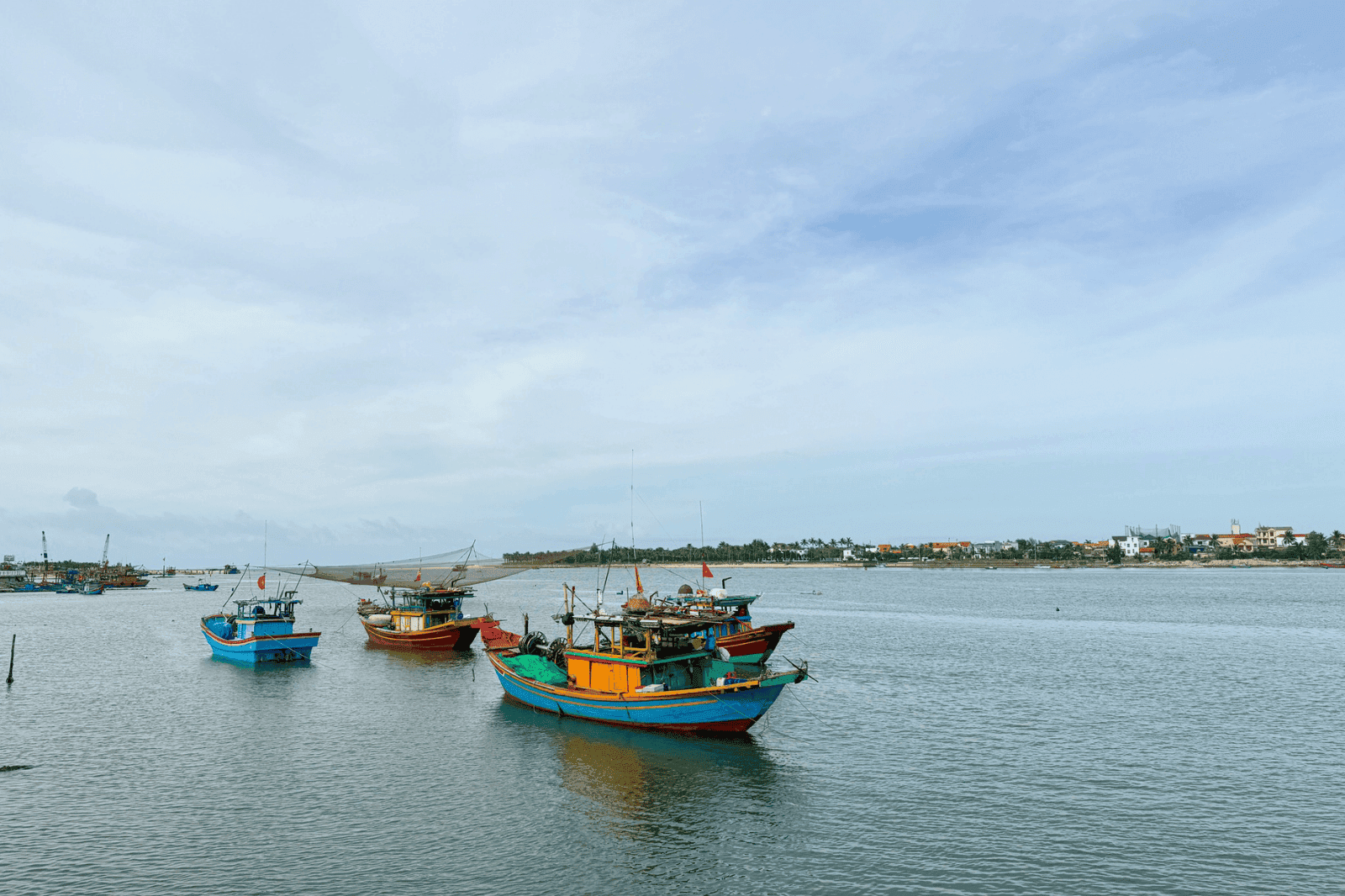
Fishing boats on the banks of Nhat Le River

Photo: Fishing boats on the banks of Nhat Le River 

3. When is the Nhat Le River at its most beautiful?

The Nhat Le River is beautiful year-round, yet it takes on a unique character with each season-ranging from vibrant and crystal-clear to serene and tranquil.

  • Dry season (March–August): The weather is generally favorable, with many days of beautiful sunshine-perfect for sightseeing, photography, boat trips, and exploring the nearby Nhat Le Beach. It is also an ideal time to witness the sunrise and sunset over the river.

  • Winter–Spring (December–February): The air turns crisp and the light softens, lending the Nhat Le River a quiet, peaceful atmosphere. This is a great time for those who appreciate gentle scenery and wish to enjoy the riverside lifestyle.

If you are looking for the best time to admire the Nhat Le River, aim for the early morning or late afternoon. As the first rays of dawn appear or the afternoon light fades, the water shimmers, and the riverside landscape takes on a distinctive beauty. Sunrises are particularly stunning on clear, cloudless mornings, while sunset-when the light shifts to warm hues-offer a perfect setting for photography and riverside relaxation.

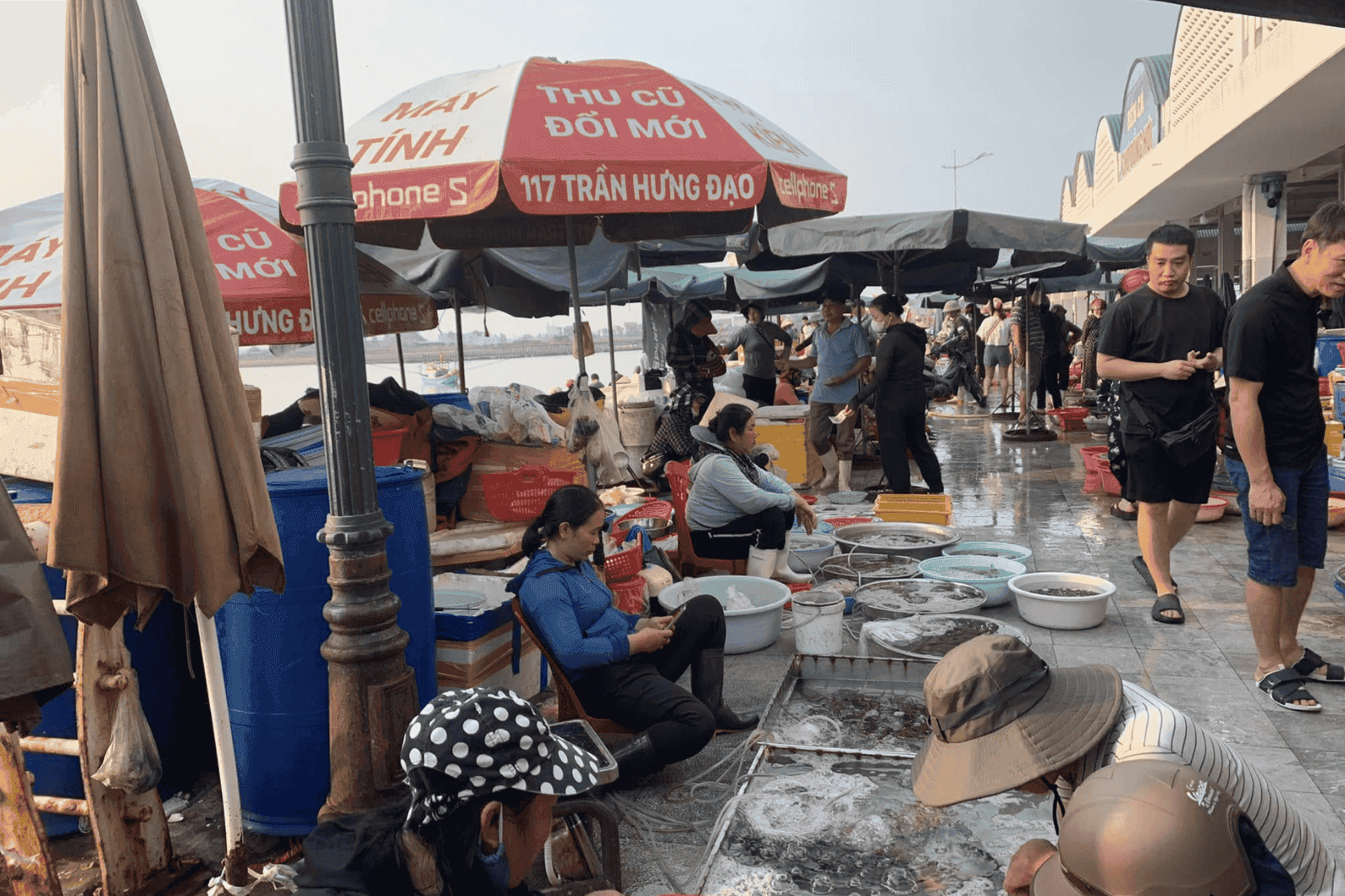
Dong Hoi Seafood Market

Photo: Dong Hoi Seafood Market 

4. Experience views of the Nhat Le River while traveling in Quang Binh.

When visiting Quang Binh, alongside exploring Phong Nha – Ke Bang National Park, travelers can also take time to discover the Nhat Le River-a key feature defining the landscape and local life of Dong Hoi City.

  • River sightseeing by boat: A boat trip along the Nhat Le River offers a unique perspective of the city, showcasing everything from the bridges spanning the water to the daily activities of locals along the banks.

  • Riverside strolls: Streets such as Nguyen Du and Quach Xuan Ky, as well as the riverside areas, are ideal spots for walking, cycling, and sightseeing. Mornings and late afternoons usually offer the most pleasant weather.

  • Combine with a visit to Nhat Le Beach: From the river estuary, visitors can easily combine their trip with a visit to Nhat Le Beach to enjoy the seaside atmosphere before continuing to explore the riverside scenery.

  • Visit the Mother Suot Monument: This landmark is deeply connected to the history of Quang Binh and the Nhat Le River, offering visitors insight into a memorable chapter of the region's past.

  • Savor local seafood: Dishes featuring fish, shrimp, oysters, and other local seafood are a must-try when exploring Dong Hoi. Visitors can head to local markets and eateries to experience these distinctive flavors.

Feeling the beauty of local people along Nhat Le River

Photo: Feeling the beauty of local people along Nhat Le River 

5. Ideal spots to view the Nhat Le River

The Nhat Le River is not only beautiful from afar but also offers various vantage points, ranging from bridges in the city center to riverside fishing villages. Each stop provides a unique perspective on the scenery and the rhythm of life in Dong Hoi.

  • Nhat Le Bridge 1 and Nhat Le Bridge 2: These are convenient spots for panoramic views of the river. From the bridges, visitors can gaze toward the river mouth or upstream; the views are particularly stunning at sunrise, sunset, and in the evening when the city lights come on.

  • Nhat Le Beach and the river mouth area: This is where the Nhat Le River meets the sea, creating an open, airy space featuring sandy shores and passing boats. It is an ideal location to enjoy views of both the river and the sea while breathing in the fresh air.

  • Mother Suot Monument and the riverside area: This area is steeped in the historical significance of Quang Binh. Standing by the Nhat Le River, visitors can admire the scenery while learning about the local history and people.

  • Bao Ninh fishing village and riverside roads: For a taste of everyday life along the Nhat Le River, Bao Ninh is well worth a visit. Anchored boats, fishermen returning from their catch, and scenes of riverside activity create a rustic, intimate charm.

  • Riverside parks and walkways: These are perfect spots for strolling, cycling, or simply sitting and watching the water flow. In the early morning or late afternoon, the riverside atmosphere becomes airy and pleasant—ideal for capturing photographs of the city landscape.

Where the daily life of local people takes place

Photo: Where the daily life of local people takes place 

Nhat Le River is not merely a destination, but a place where nature and humans harmonize, bridging modern life with intact traditional values. Standing on Nhat Le Bridge looking downstream, you will see a vibrant picture: on one side is the bustling city, while on the other side are hard-working fishermen preparing for their night voyage. All blend into an emotional space where every moment becomes sacred and memorable. And as you leave, don't be surprised if your heart remains forever attached to a river filled with the gentle smiles of Quang Binh locals and the brilliant sunset softly bathing memories in purple hues.

Loading......

Featured destinations