Military Zone 5 Museum Da Nang – A Journey Back to Heroic History

Central

Da Nang

Sovaba.travel

Updated at: 24/09/2026

1. Overview of the Military Zone 5 Museum in Da Nang

Military Zone 5 Museum Da Nang (full name: Ho Chi Minh Museum – Military Zone 5 Branch and Military Zone 5 Museum) is the largest military museum in the coastal city. Located at No. 3 Duy Tan Street, Hoa Thuan Dong Ward, Hai Chau District, Da Nang, the museum is only about 2 km from Da Nang International Airport and near Tran Thi Ly Bridge, making it extremely convenient to reach.

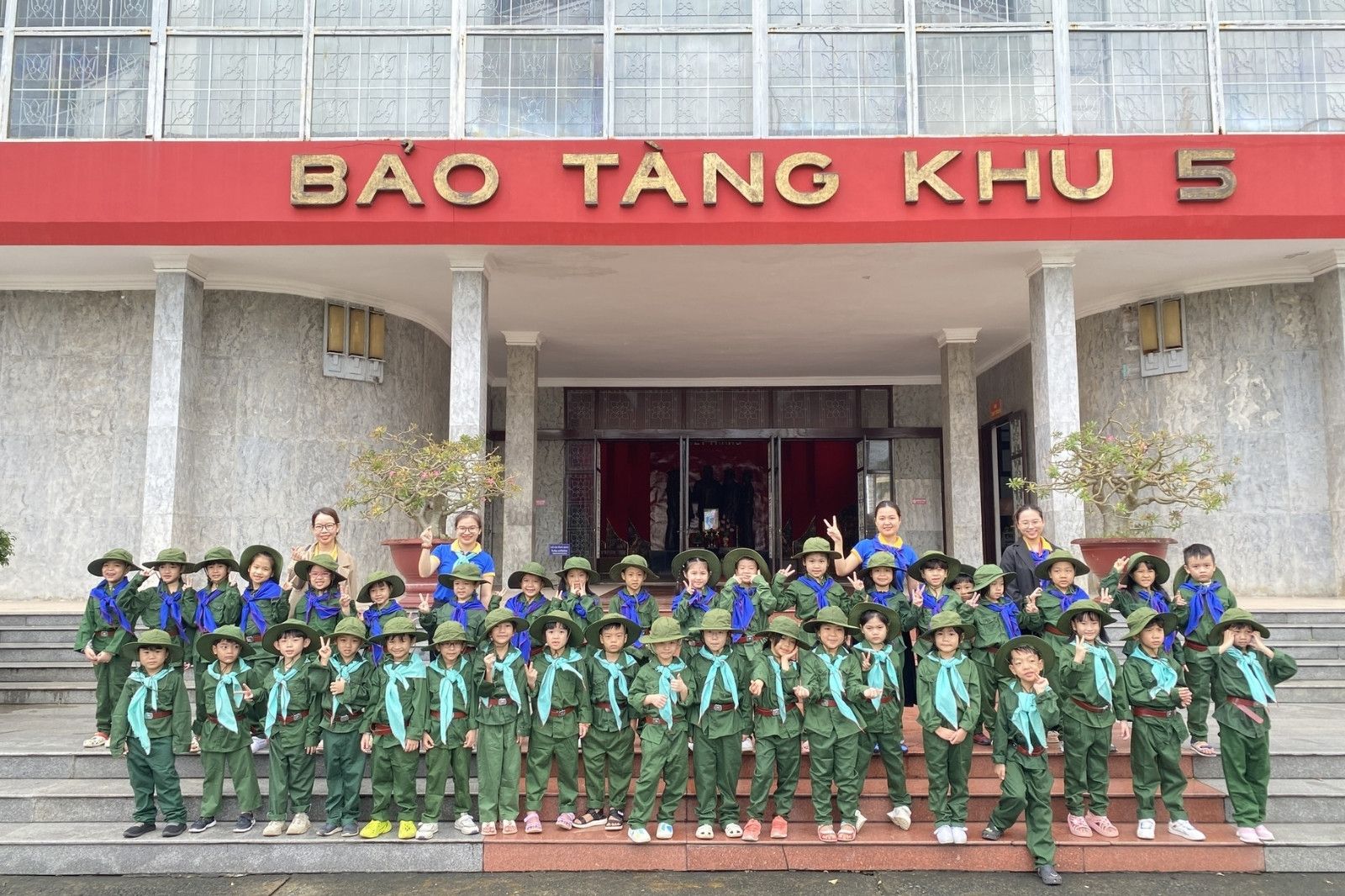
The museum displays thousands of artifacts, documents, and photographs detailing the formation, combat, and growth of the Military Zone 5 armed forces during the resistance wars against the French, the Americans, protecting sea and island sovereignty (Paracel and Spratly Islands), along with the spirit of “military and people as one”. This is not only a place to preserve history but also a “red address” for patriotic education, especially for pupils, students, and the younger generation. Every year, the museum welcomes nearly 150,000 visitors, over 50% of whom are pupils and students.

  • Opening hours: Usually open from Tuesday to Sunday.
    • Morning: 7:30 - 10:30
    • Afternoon: 13:30 - 16:30
  • Entrance fee:
    • Vietnamese visitors: Free.
    • International visitors: Around 20,000 VND/person 
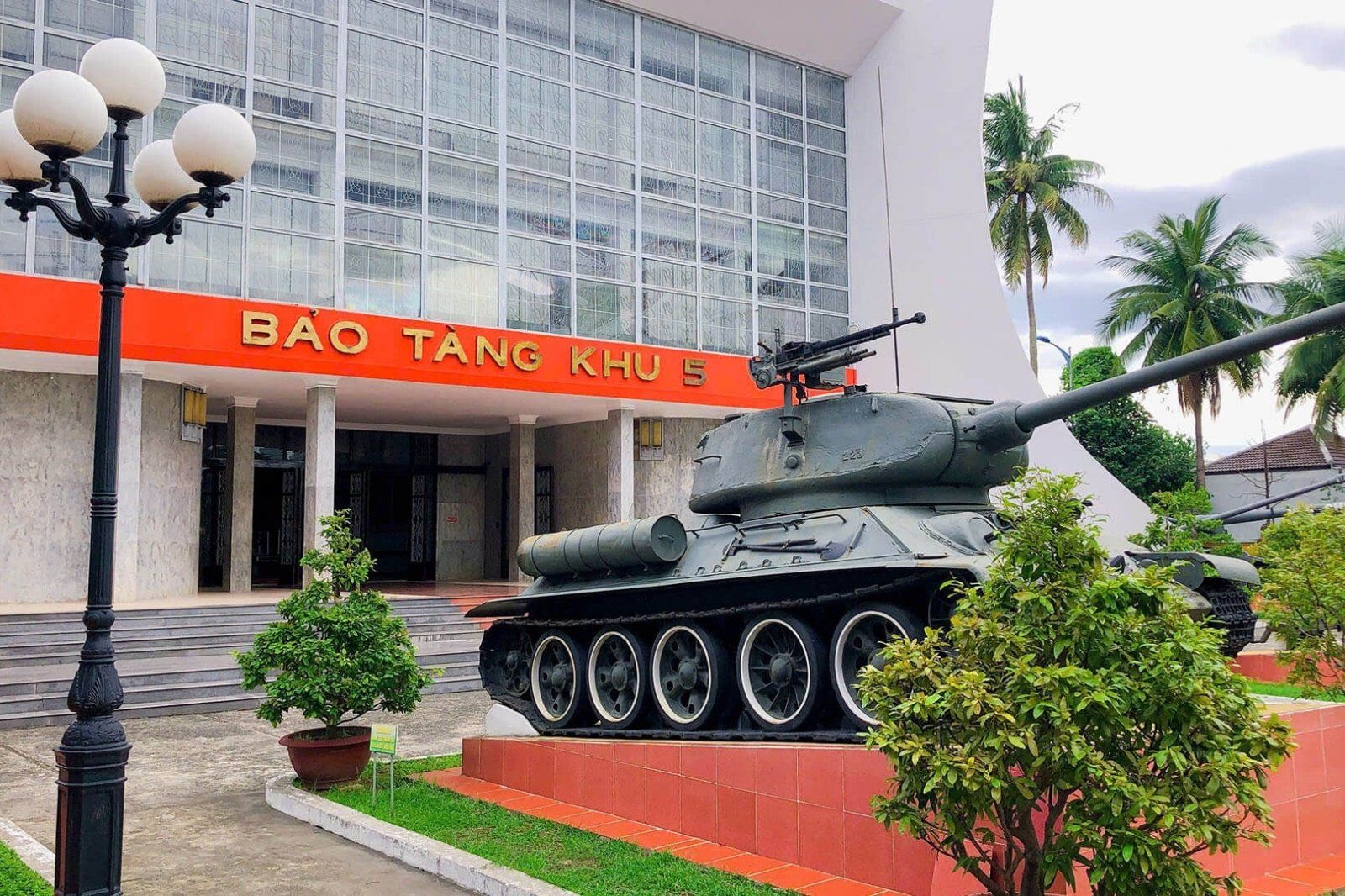
The museum is located in the center of Da Nang city
Photo: The museum is located in the center of Da Nang city

2. History of the Military Zone 5 Museum in Da Nang

Military Zone 5 Museum Da Nang was established out of the earnest desire of the people and the Military Zone 5 armed forces to honor President Ho Chi Minh and preserve revolutionary history.

  • 1976: Construction began according to the aspirations of the compatriots and soldiers of Military Zone 5.
  • May 19, 1977: The museum officially opened (originally as a branch of Ho Chi Minh Museum).
  • 1982: The Military Zone 5 exhibition section was inaugurated and put into use.
  • 1995: Classified as a Second-Class National Museum – a testament to its historical value and scale.

Over more than 45 years of development, the museum has continuously collected and added new artifacts (hundreds of resistance relics every year). Today, it fully recreates the 70-year journey of construction and combat of Military Zone 5, from the early days of resistance to today's task of defending the Fatherland.

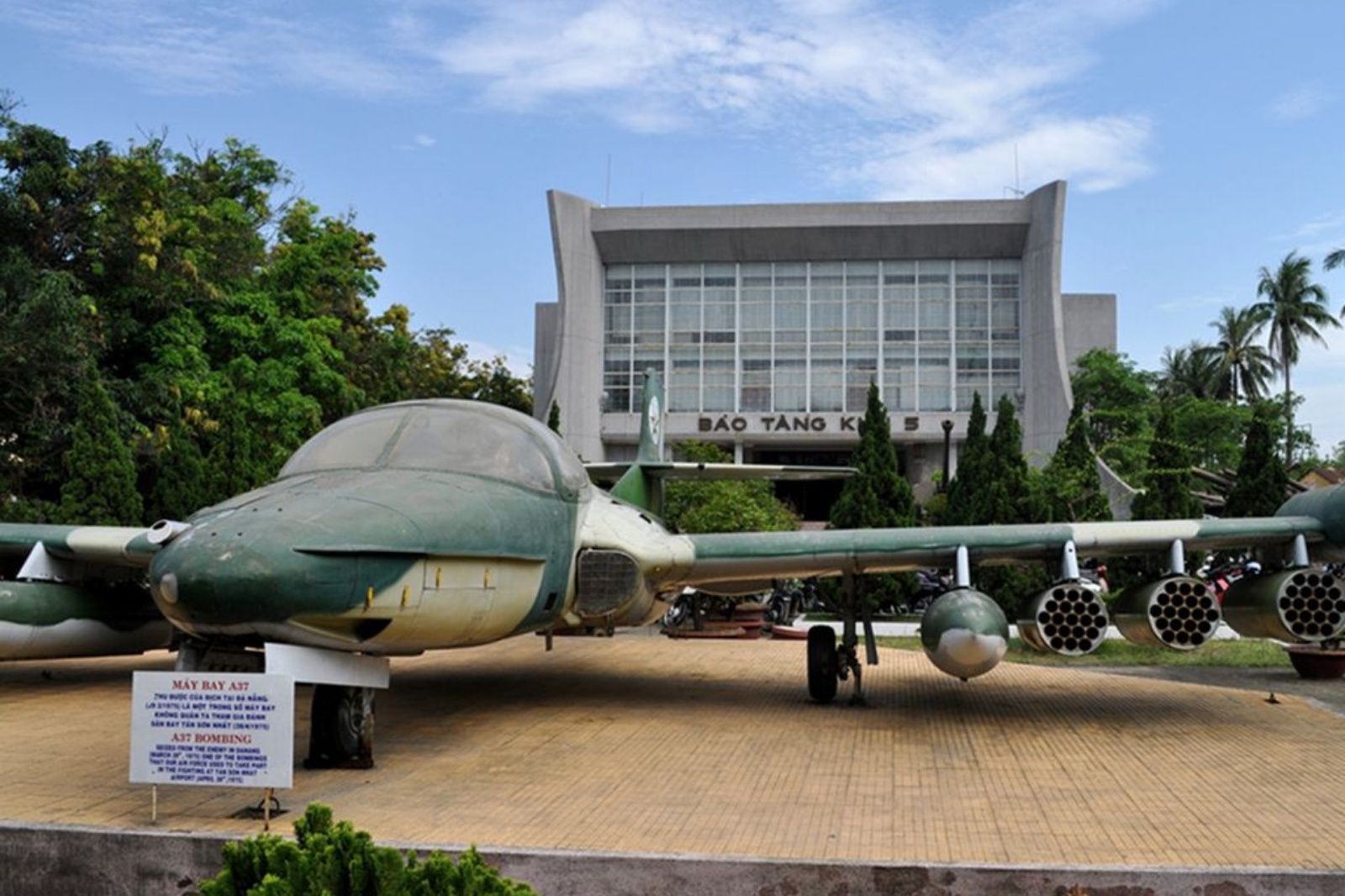
Many historical relics are displayed outdoors
Photo: Many historical relics are displayed outdoors

3. Outstanding exhibition areas at the Military Zone 5 Museum

Military Zone 5 Museum is scientifically planned with two main exhibition areas, offering a comprehensive look at the history and development process of the Military Zone 5 armed forces. Each area possesses its own highlights, helping visitors easily access and deeply understand historical periods.

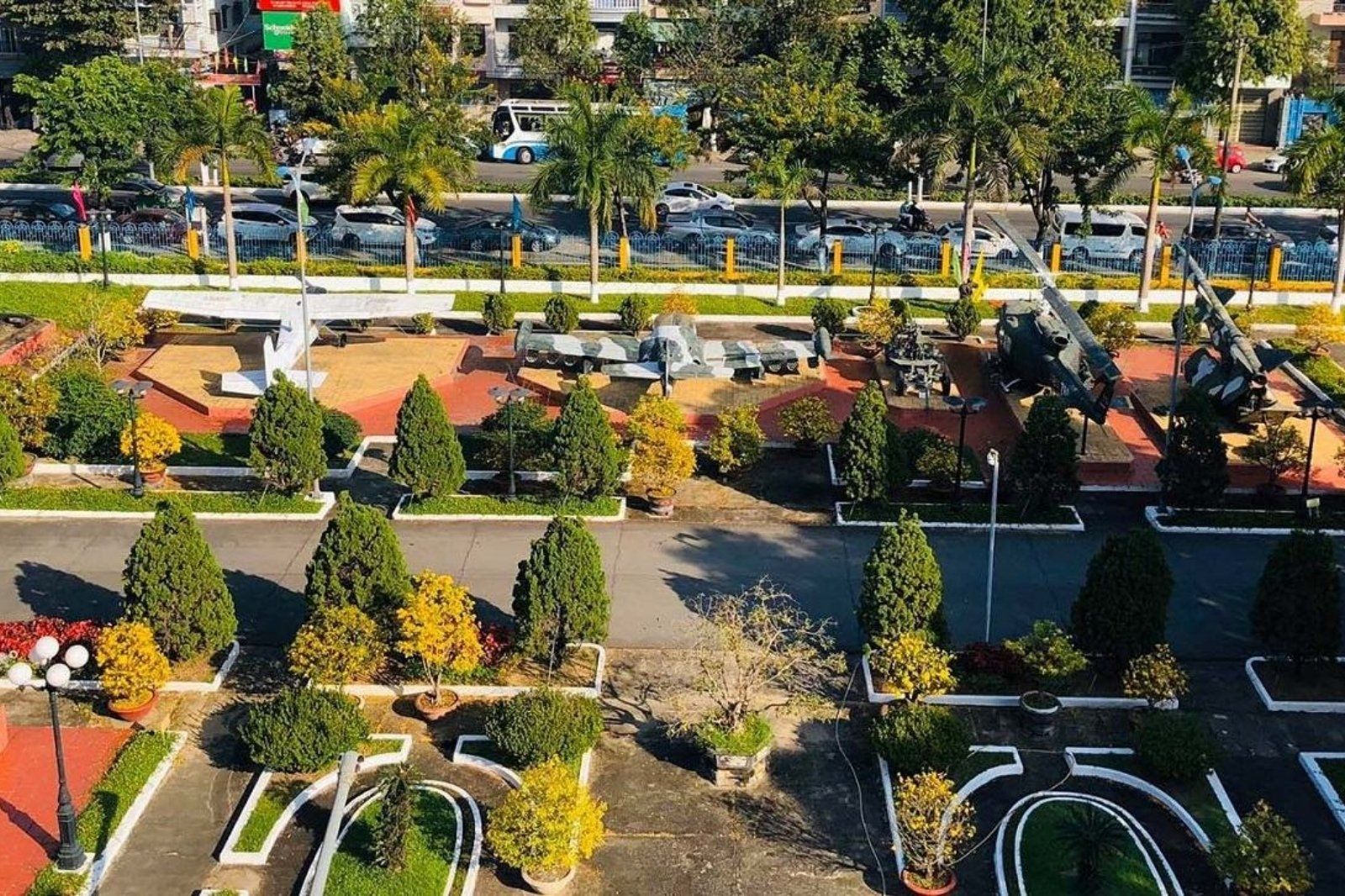
  • Outdoor exhibition area (over 5,000 m²): Displays real heavy weapons: aircraft, tanks, armored vehicles, and artillery ranging from 75mm to 175mm – including both Vietnamese weapons and war trophies captured from the French and US armies. This is the most impressive “check-in” area, helping you visualize the scale of war and military power during the resistance period.
  • Indoor exhibition area (3,000 m², divided into 12 rooms): Displays thousands of rare photographs, documents, and relics about the birth and growth of the Military Zone 5 armed forces. The rooms are designed chronologically, vividly recreating historical stages.

In addition, do not miss the Uncle Ho's Stilt House and Fish Pond Area – a 1:1 scale replica of the original in Hanoi, where visitors can deeply feel Uncle Ho's sentiment toward Military Zone 5.

A visit by students at the Military Zone 5 Museum
Photo: A visit by students at the Military Zone 5 Museum

Not only a place to preserve history, Military Zone 5 Museum also possesses thousands of precious artifacts, genuinely reflecting the fighting spirit and sacrifices of the soldiers and people of the Central – Central Highlands region across periods. Below are prominent collections that visitors should not miss:

  • Artifacts of the Ba To Guerrilla Unit: Recreating the formation period of the precursor armed forces of Military Zone 5, holding special historical value.
  • Stor Village (Xi To) artifacts: Associated with the resistance led by Dinh Nup, demonstrating the resilient fighting spirit of ethnic minority groups.
  • “American-Killing Belt” complex: A testament to the strategy and coordinated strength of the military and people of Zone 5 in the anti-American war.
  • Documents on the Central Highlands Victory and the Hue – Da Nang Front: Including important images and artifacts, recreating decisive historical turning points.
  • Collection of press and homemade weapons: Highlighting the Trung Trung Bo Newspaper, handmade weapons, and seals of the former Saigon government.
  • Wartime personal relics: Handwritten letters from martyrs, battlefield diaries, and relics of heroes who sacrificed their lives in Laos and Cambodia – carrying deep emotional and humanistic value.
  • Photographs and documents about Ho Chi Minh: Expressing Uncle Ho's profound affection for the Military Zone 5 armed forces.

The artifacts at the museum are not merely exhibits, but vivid proof of the heroic spirit, creativity, and unyielding will of the Vietnamese nation throughout historical eras.

The museum's outer grounds
Photo: The museum's outer grounds

5. Tips for visiting the Military Zone 5 Museum in Da Nang

To make your visit to the Military Zone 5 Museum more complete and meaningful, visitors should prepare with some useful tips below. These notes will help you optimize your time, experience, and gain a deeper understanding of the destination's historical value.

  • Ideal time: You should visit in the morning (7:30 AM – 10:00 AM) or afternoon (2:00 PM – 4:00 PM) to avoid the heat and enjoy a comfortable environment.
  • Duration of visit: Spend about 2–3 hours to fully explore both indoor and outdoor exhibition areas.
  • Transportation: You can choose a taxi, Grab, motorbike, or bus. From Da Nang International Airport, travel time is only about 5–10 minutes.
  • Visiting guidelines: Dress politely, maintain quietness, and do not touch artifacts. You should bring drinking water and hats as the outdoor area is spacious.
  • Useful tips: You can combine your visit with the Museum of Da Nang or the Museum of Cham Sculpture on the same day. If traveling in a student group, contact in advance to request tour guide support.
  • Beautiful photo spot suggestions: The outdoor exhibition area featuring tanks and aircraft; Uncle Ho's Stilt House area; and the panoramic angle from the main gate are impressive photo spots.
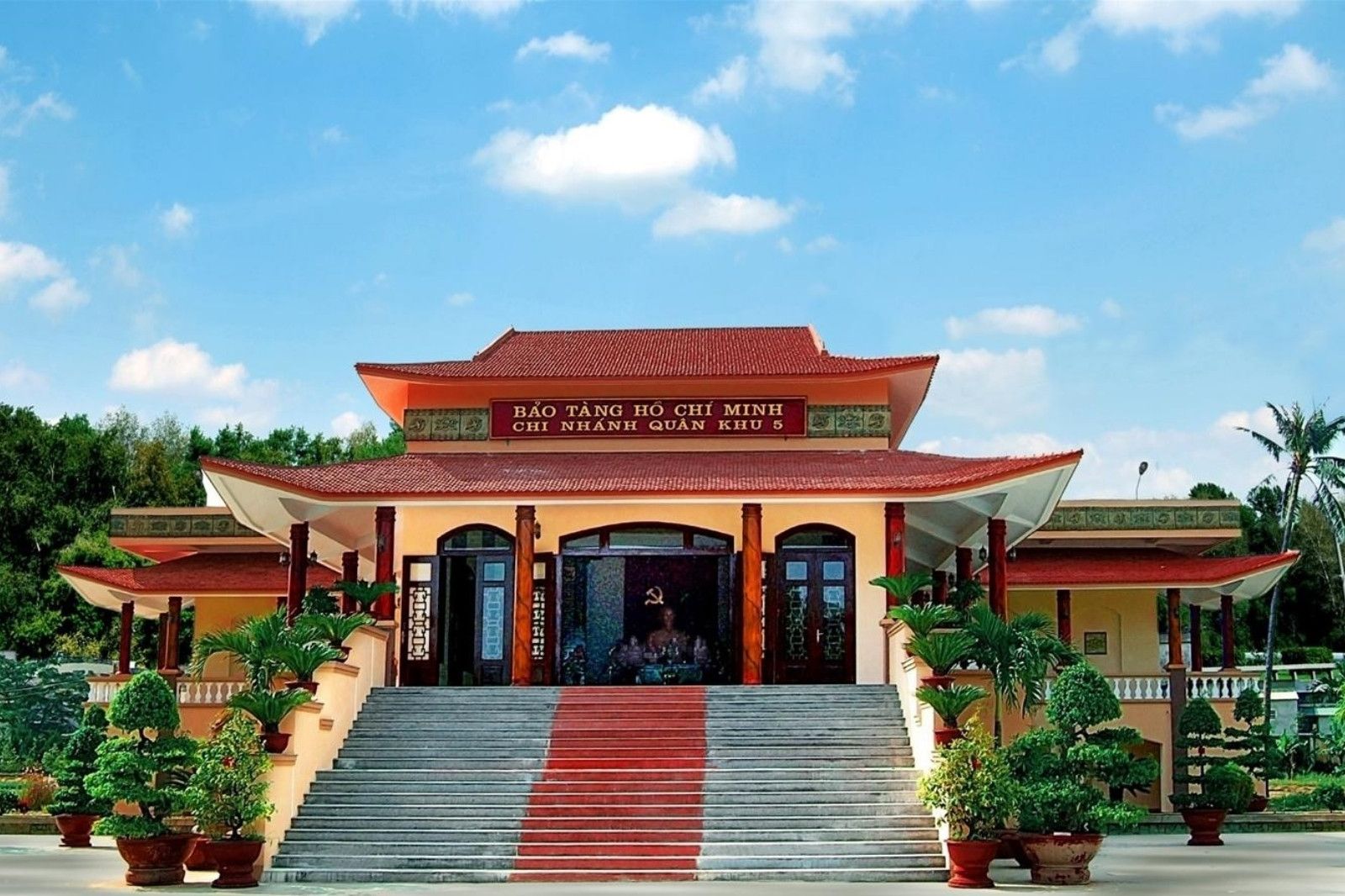
Ho Chi Minh Museum – Military Zone 5 Branch
Photo: Ho Chi Minh Museum – Military Zone 5 Branch

Military Zone 5 Museum is truly a chronicle through artifacts, helping visitors clearly feel the unyielding spirit of the soldiers and people of Central Vietnam. Visiting this meaningful site will enrich any Da Nang tour. To make your journey of exploring this liveable city even more complete and meaningful, let Sovaba Travel accompany you in designing a perfect itinerary combining profound historical destinations and modern travel experiences.

Loading......

Featured destinations