Few people know that before becoming a famous wood carving craft village, My Xuyen was once one of the most bustling earthenware production centers in Central Vietnam from around the 16th to the 18th century. Archaeological excavations have revealed ancient pottery kilns and numerous earthenware products, from lime pots, cooking pots, and basins to vases and jars, bearing strong marks of cultural intersection.
It was a combination of traditional ceramic techniques brought by migrant craftsmen from the North and characteristic decorative features of the Sa Huynh culture. These products not only served domestic needs but were also found at major trading ports like Thanh Ha and Hoi An, even reaching as far as Japan, witnessing a brilliant era of My Xuyen pottery.
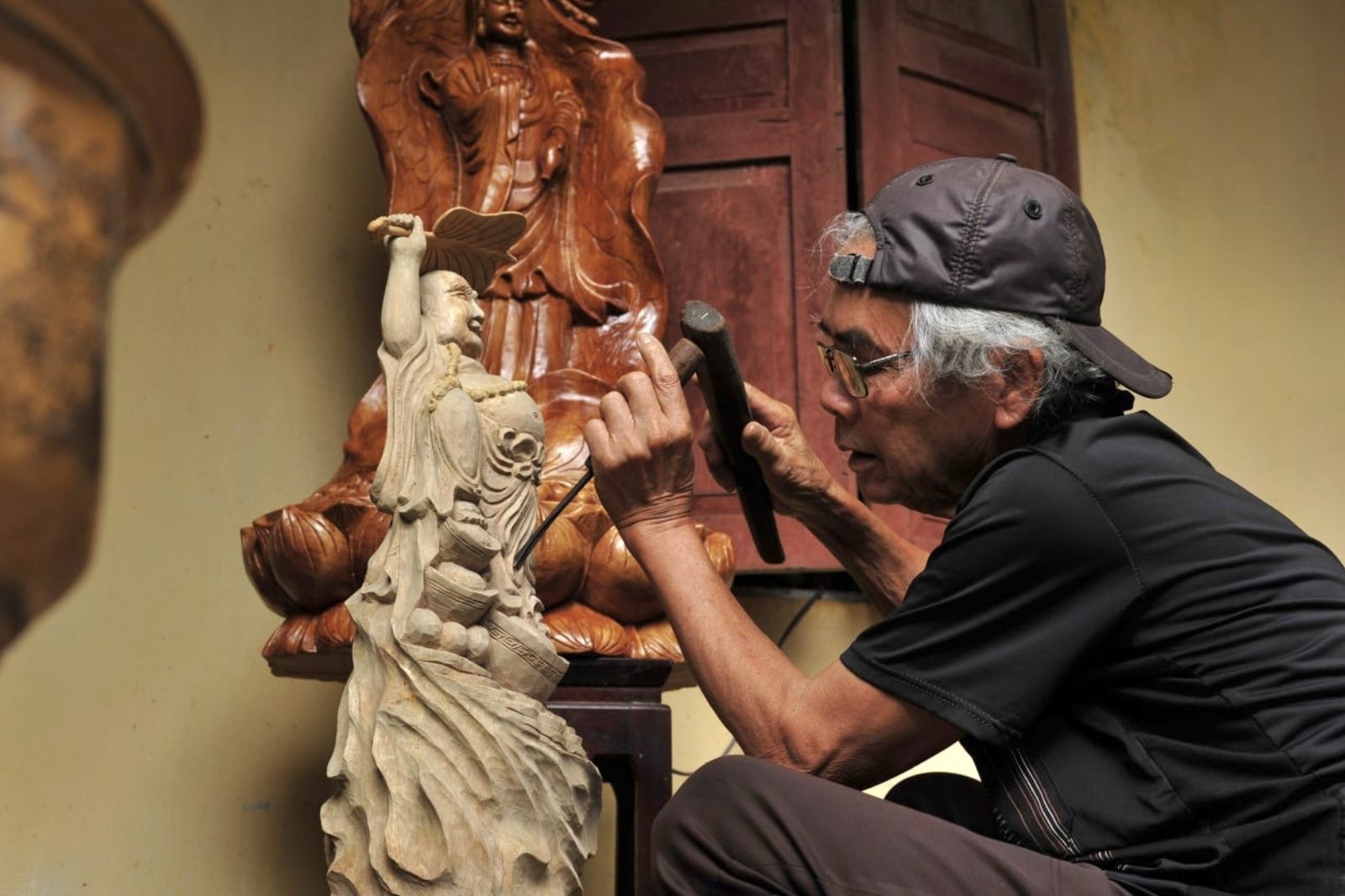
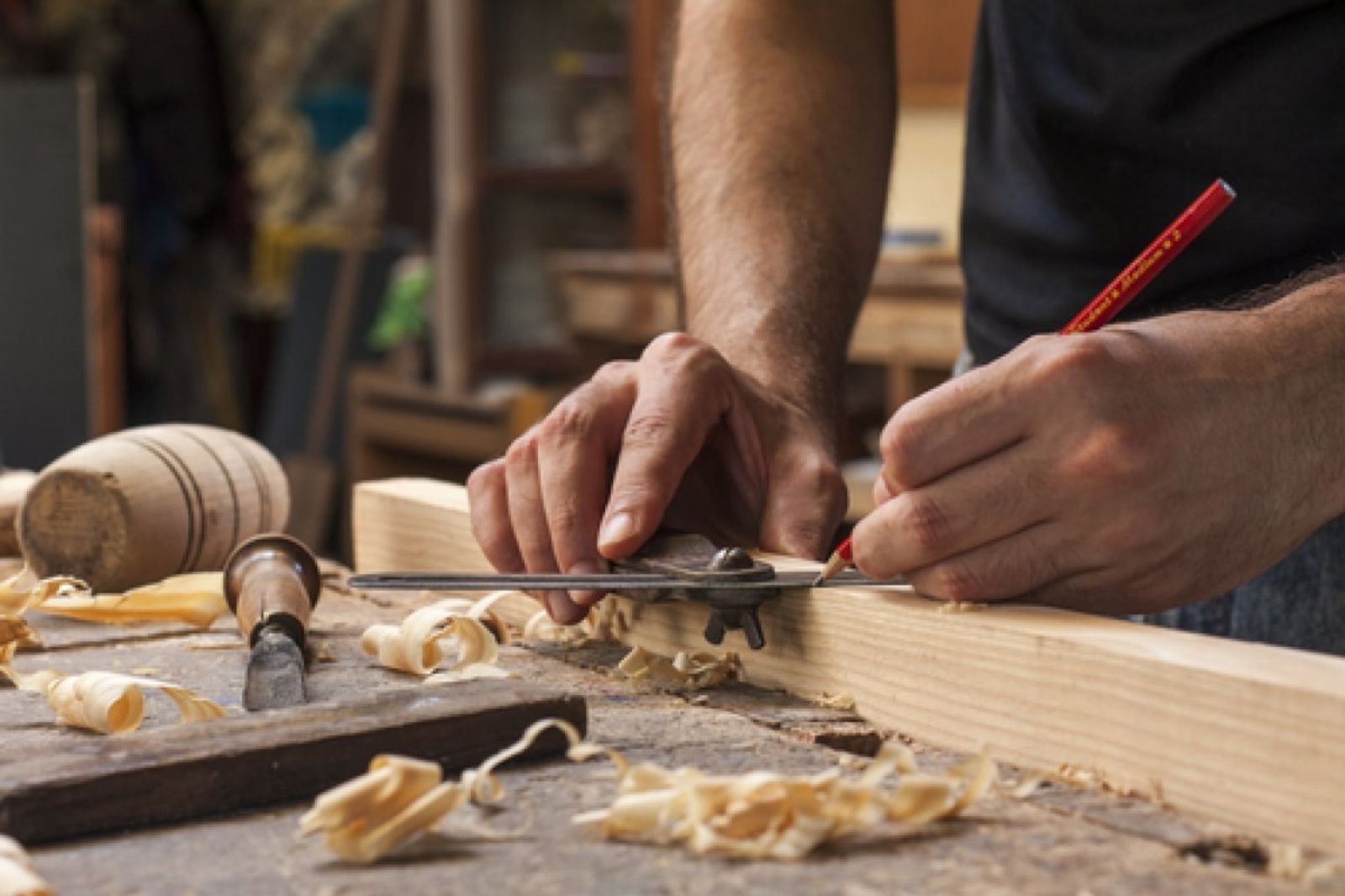
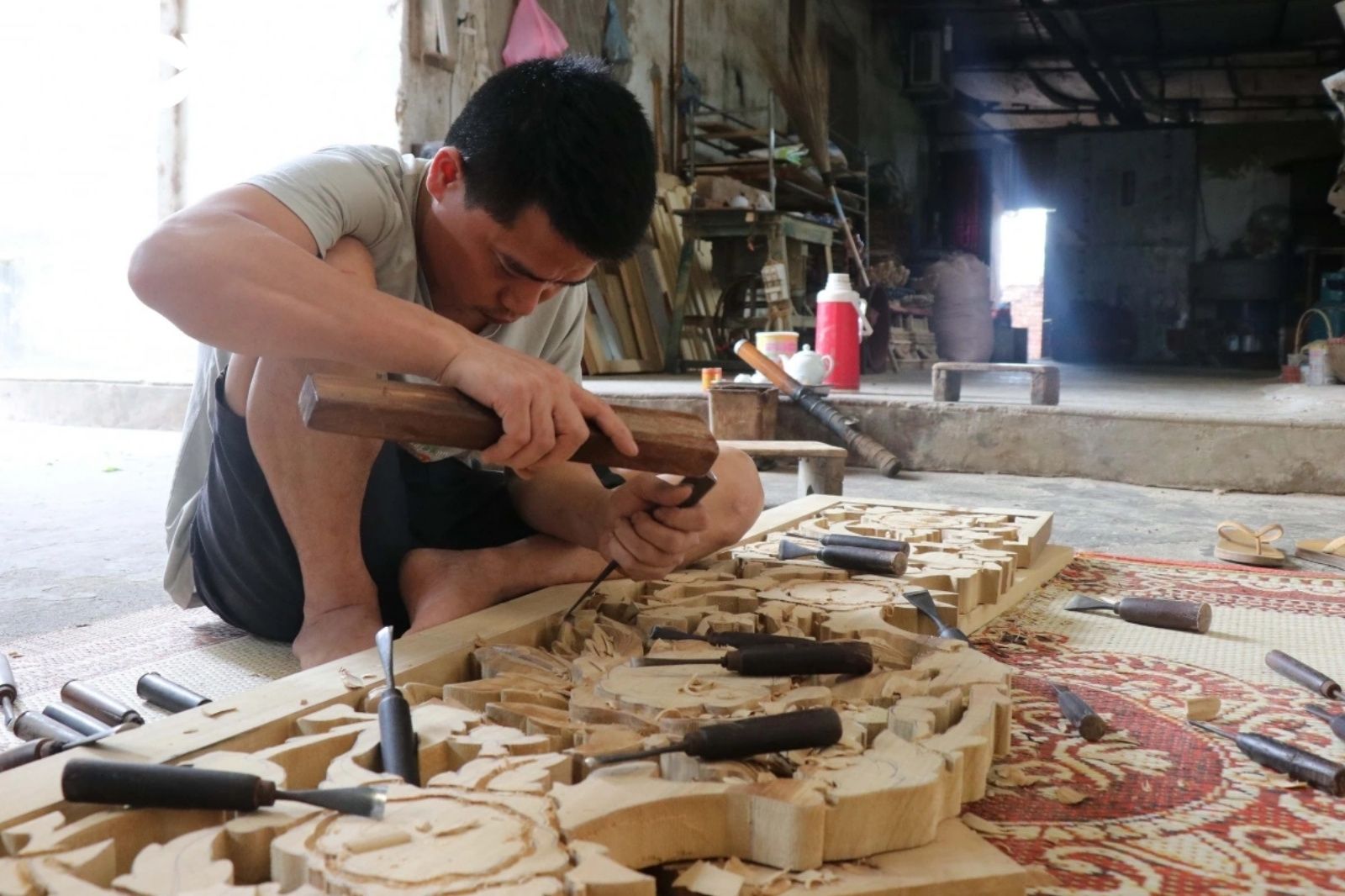
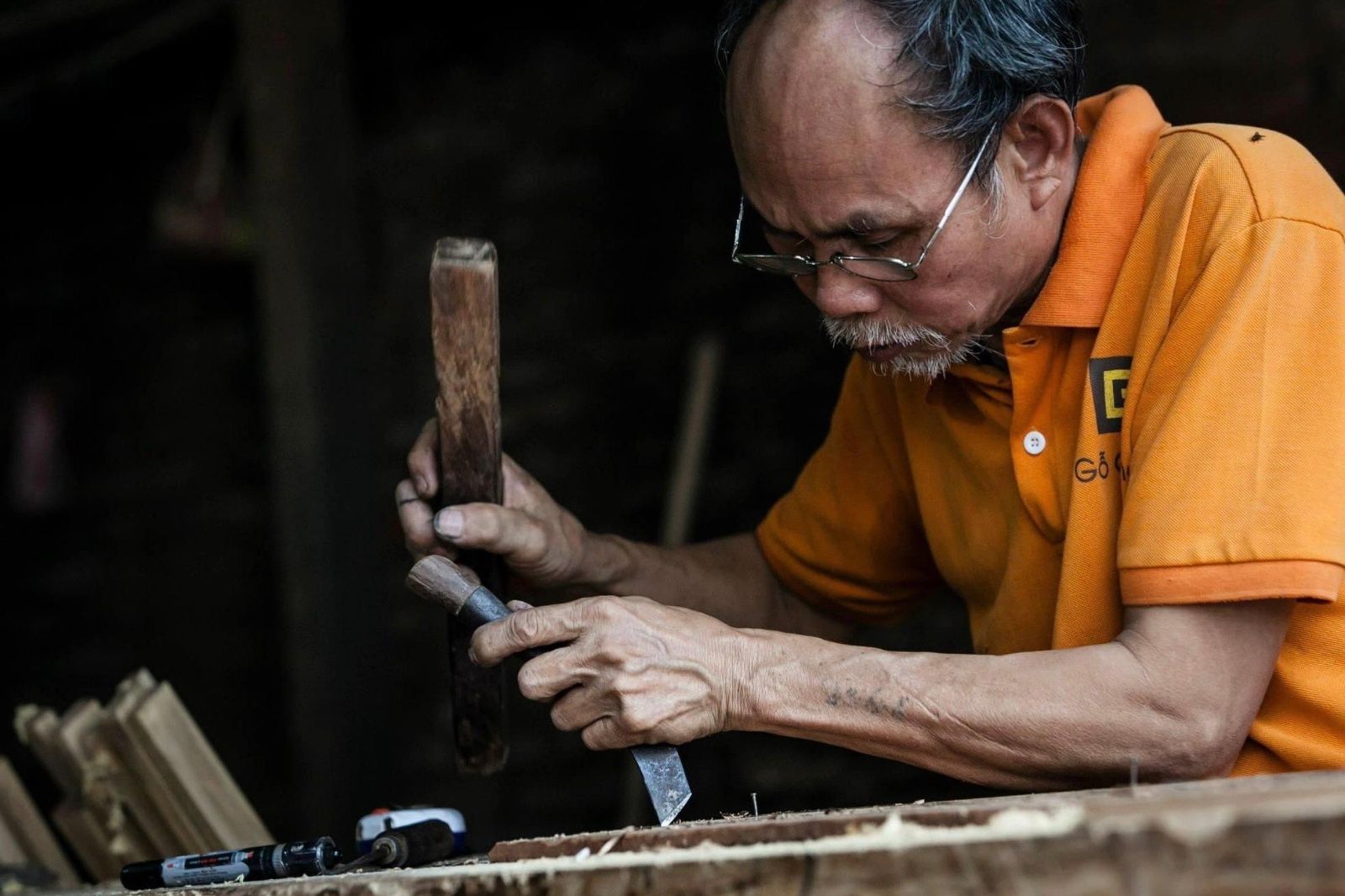
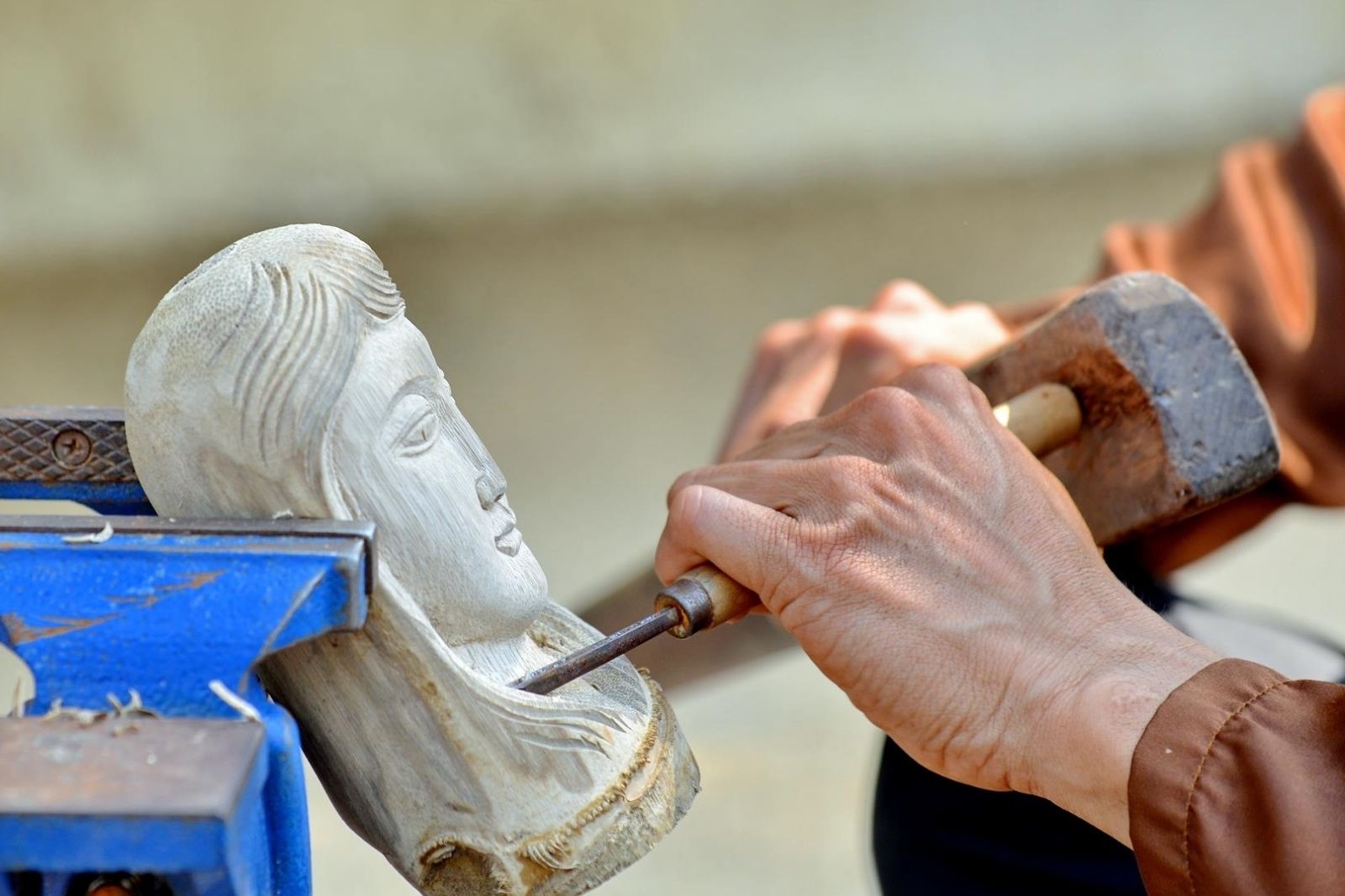
As times changed and the pottery craft gradually faded, carpentry and wood carving took over, writing a new chapter for My Xuyen village. History records that during the reign of King Gia Long, many woodcarving artisans summoned from the North to build the Hue Citadel stopped here and passed down their essence to the locals. The craftsmen of My Xuyen skillfully absorbed the elaborate carving techniques of the royal court along with the essence of folk art, creating a unique style found nowhere else.