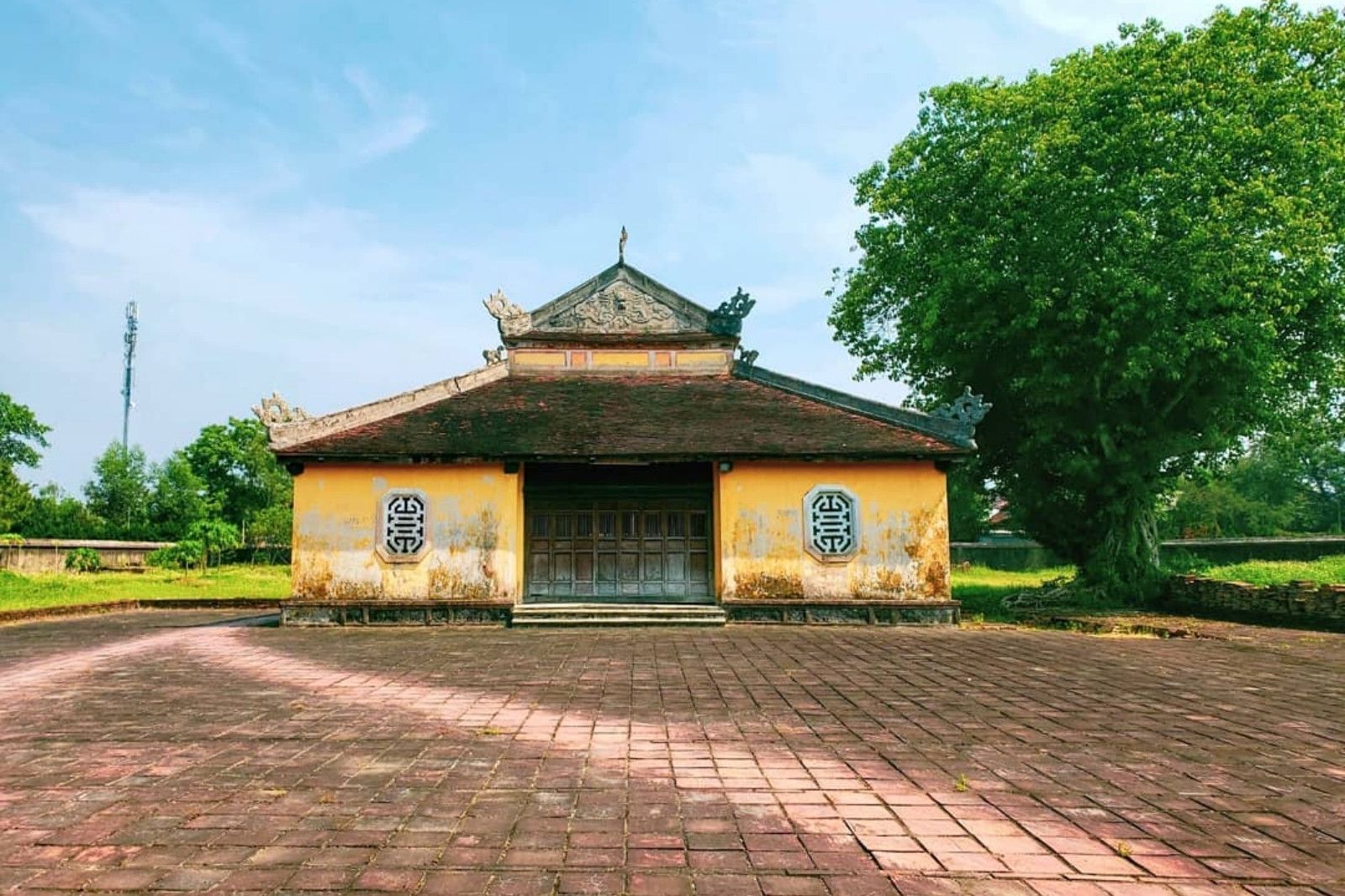
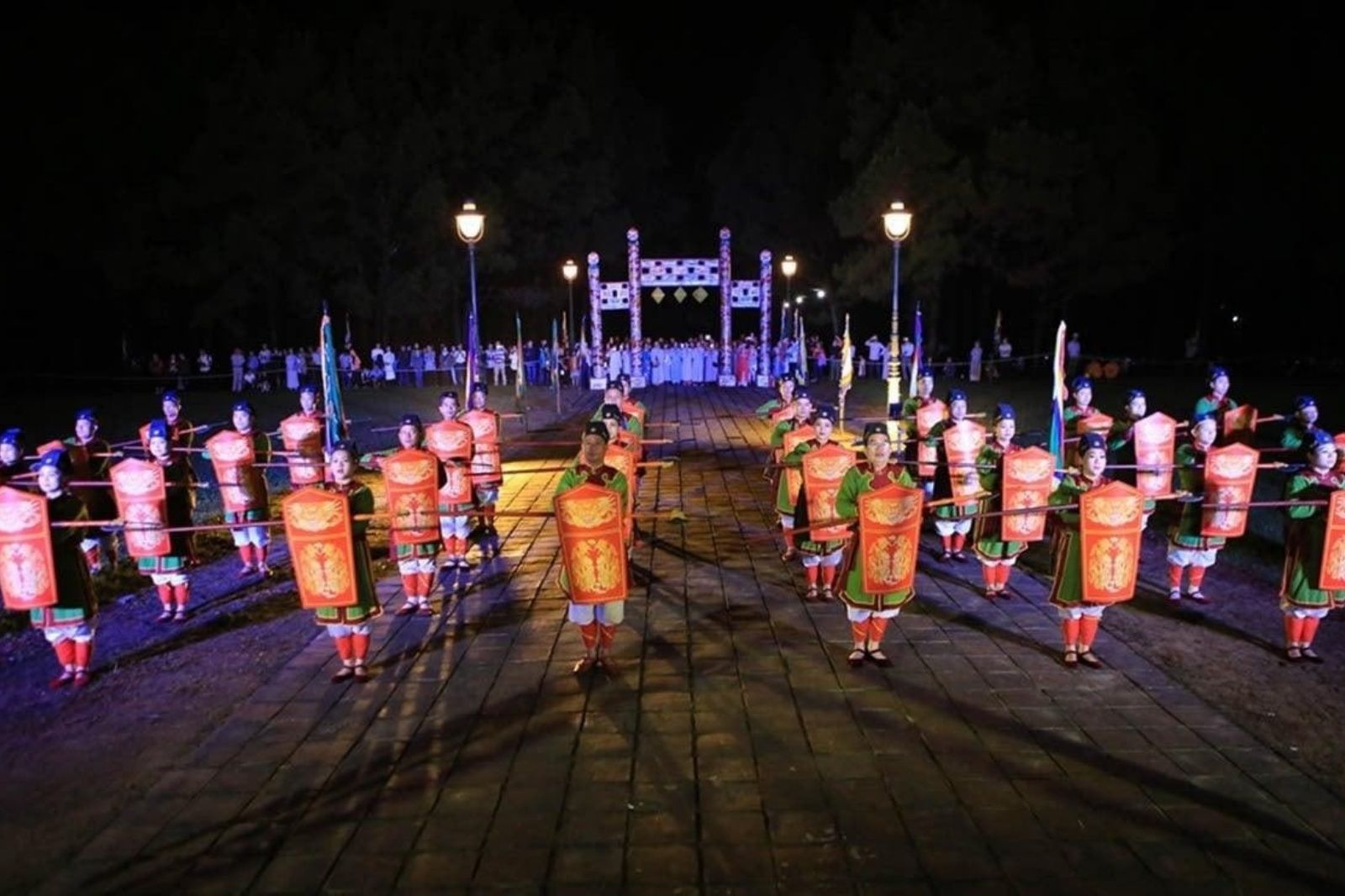
Nam Giao Altar construction began in 1806 and was completed in 1807 under the reign of King Gia Long. The Giao sacrifice (worshiping Heaven and Earth) was the most important ceremony of the feudal regime, as according to Confucian beliefs, the king was the "Son of Heaven", ruling the people according to Heaven's mandate. Therefore, the Giao offering was not only a spiritual ritual but also a political act to consolidate the authority and position of the monarch.
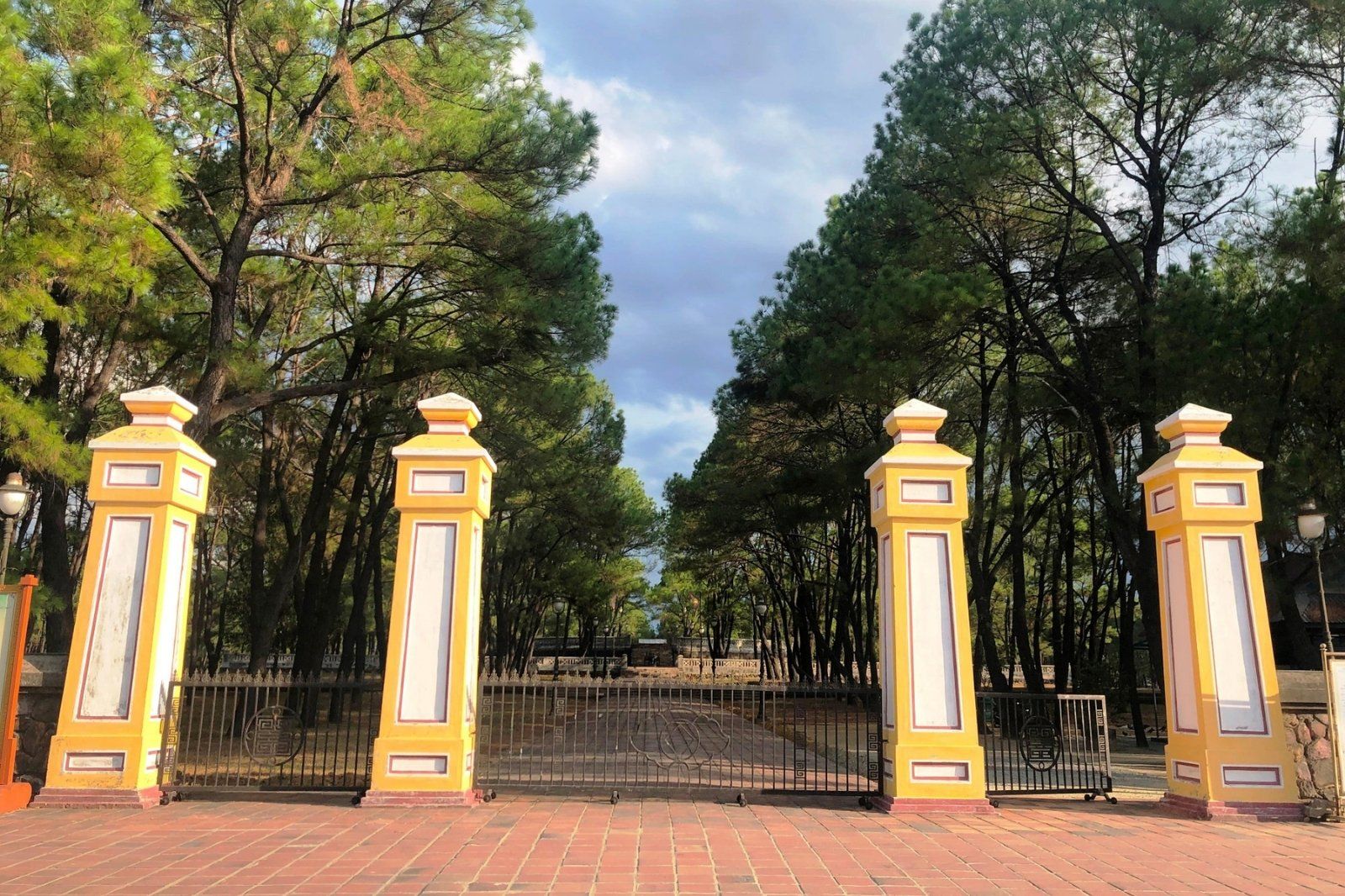
From 1807 to 1885, the Giao offering ceremony was held regularly once a year in spring. Later, starting in 1891, the ritual was changed to once every three years. The last Nguyen Dynasty ceremony at this site took place in 1945.
After the fall of the Nguyen Dynasty, Nam Giao Altar gradually fell into ruin and was severely damaged during two wars. In 1977, a martyrs' memorial was erected right on the base of the Circular Mound (Vien Dan), causing public outrage. It was not until 1992 that this memorial was relocated and the restoration and recovery of Nam Giao Altar began. In 1993, Nam Giao Altar was recognized by UNESCO as a World Cultural Heritage site, a crucial milestone helping preserve and restore the monument.