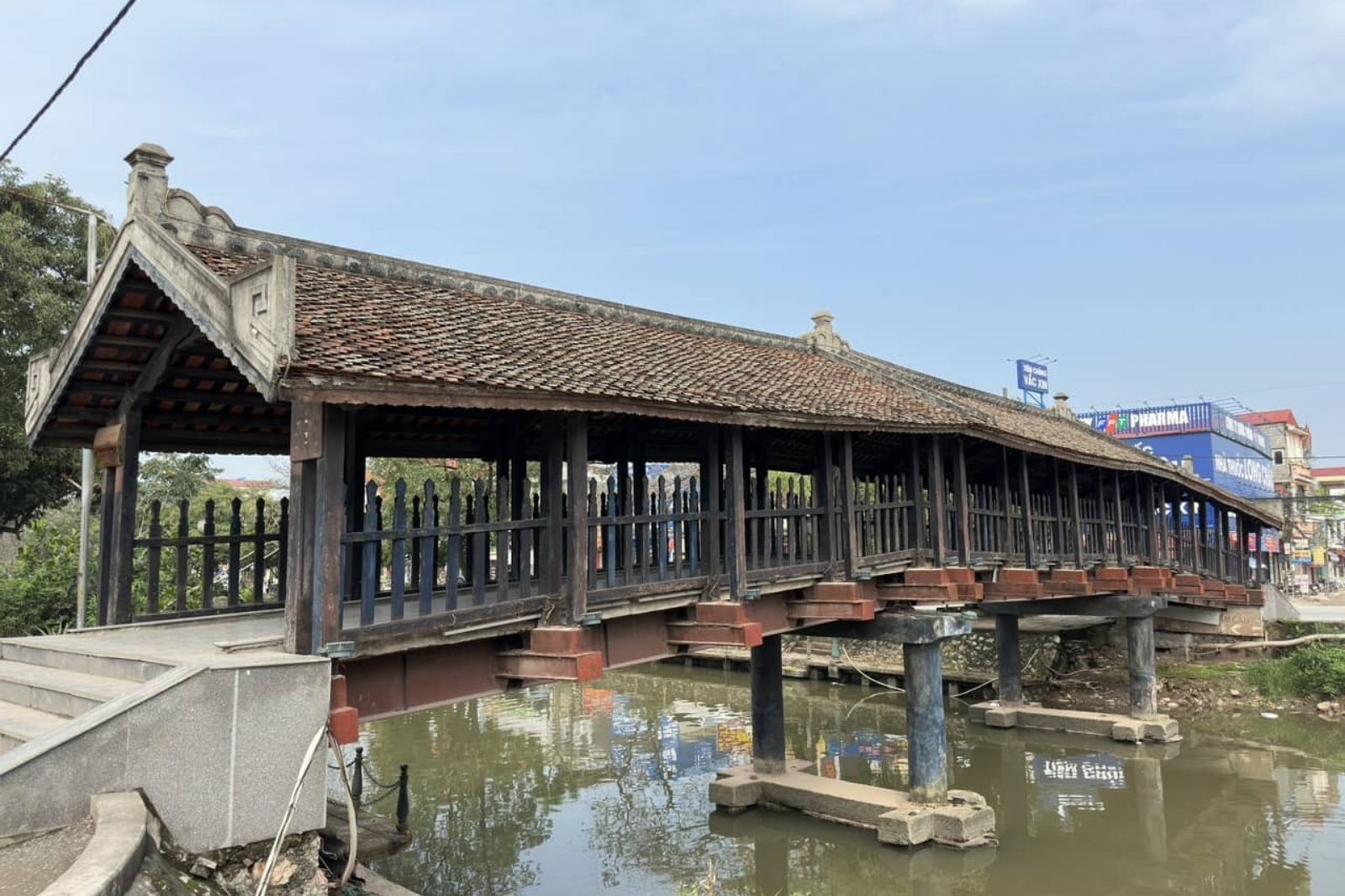
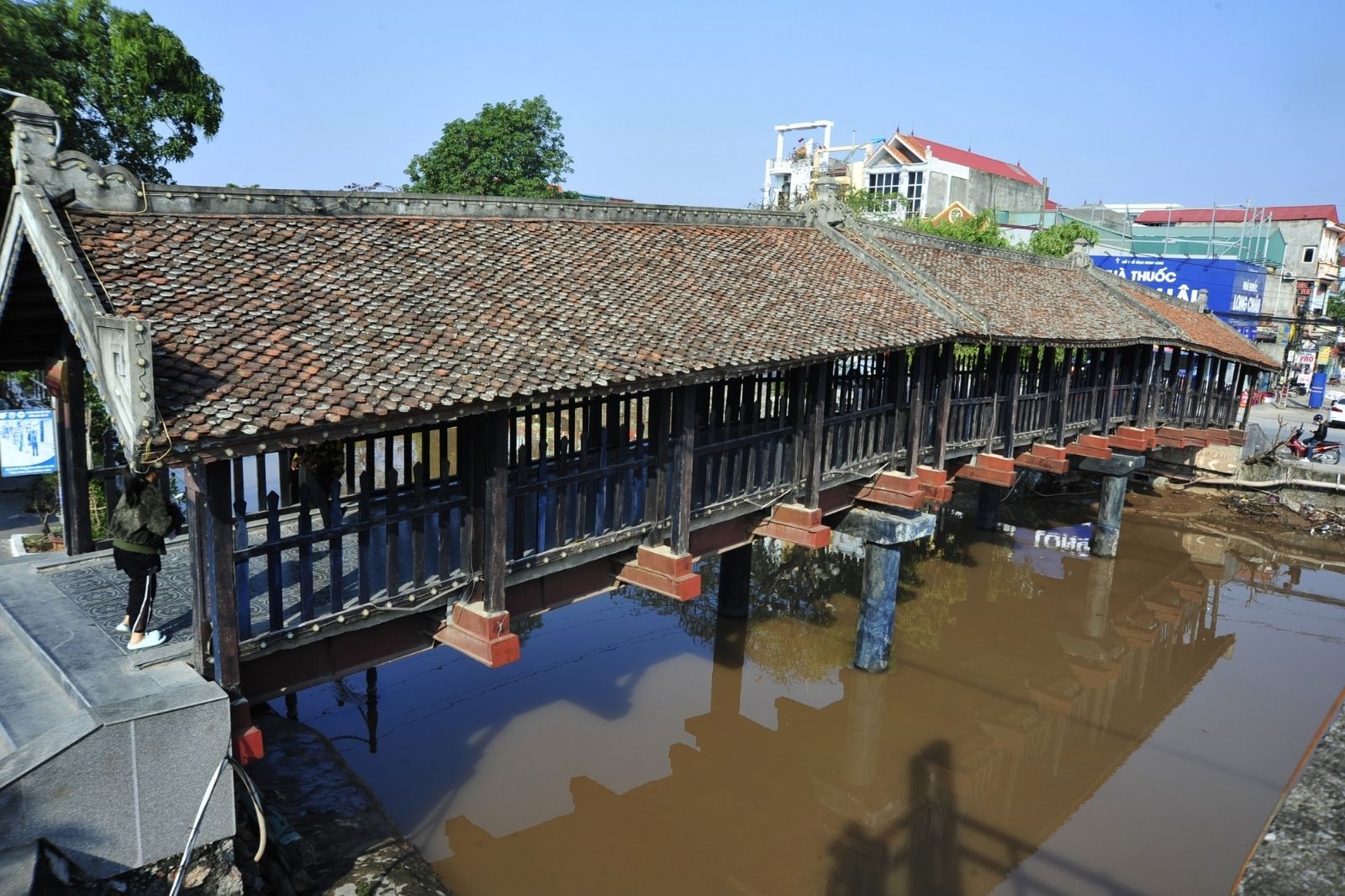
Phat Diem Tile-roofed Bridge was built in 1902 in Phat Diem town, Kim Son district, Ninh Binh province, during the period when the country was under French colonial rule. This structure is part of the famous Catholic architectural complex initiated and developed by Peter Tran Luc (commonly known as Father Sau) starting in the late 19th century. Spanning the An River, the bridge served to connect residential areas with religious activity zones while providing convenient passage for parishioners traveling to Phat Diem Stone Cathedral.
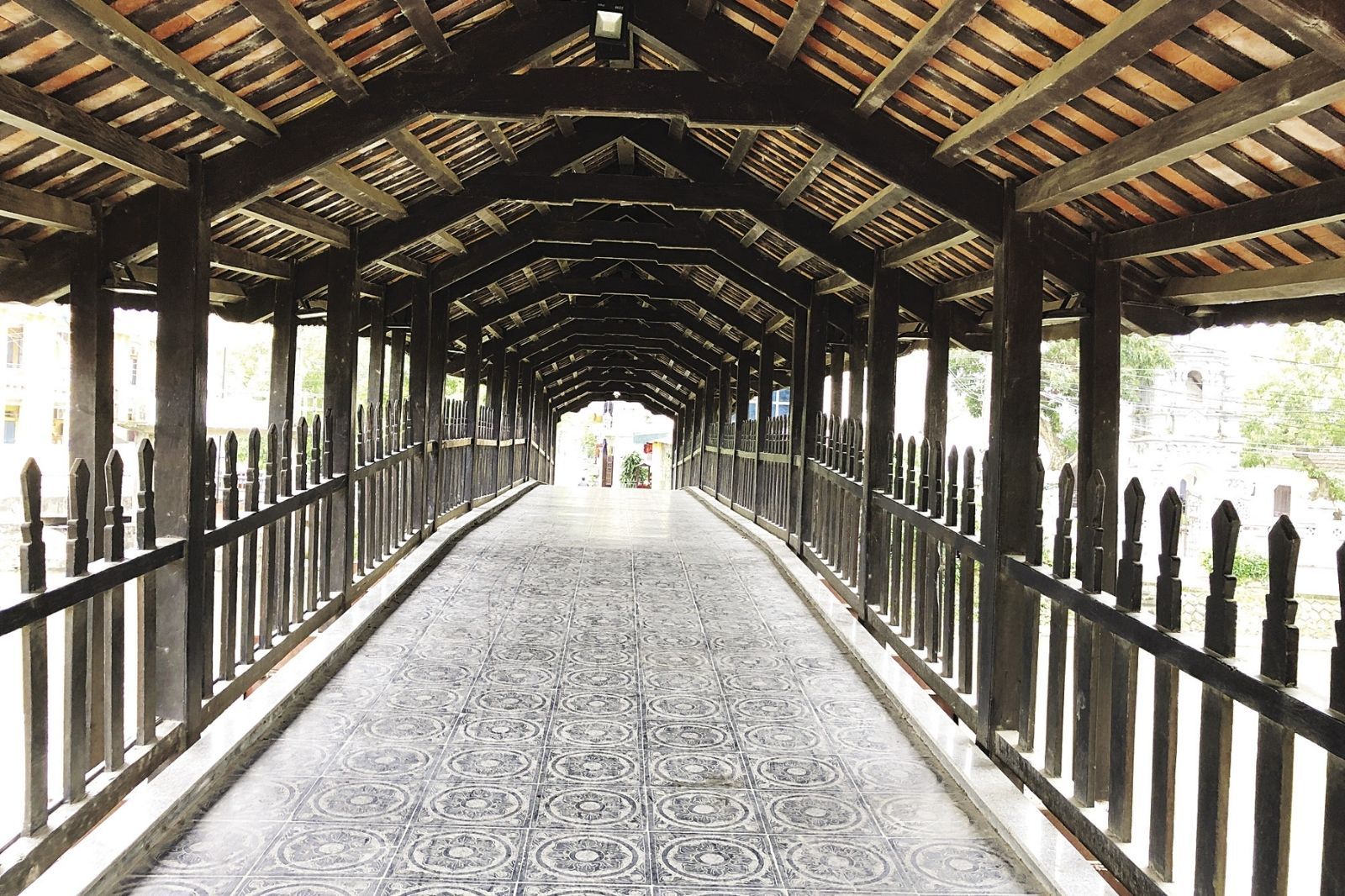
According to historical records, the bridge was constructed after the completion of the cathedral complex (between 1875 – 1899) to supplement the area's transportation and infrastructure system. Having survived for over a century, Phat Diem Tile-roofed Bridge has witnessed many important historical periods of the locality and remains preserved almost entirely intact. In 1994, the bridge was recognized and preserved as part of the cultural heritage of Ninh Binh province. Beyond its transportation and architectural values, the bridge demonstrates the ingenuity of traditional construction techniques of local craftspeople while reflecting the fusion between Catholic culture and traditional Vietnamese architecture.