Quang Binh Local Culture and Customs

Central

Quang Binh

Sovaba.travel

Updated at: 24/09/2026

1. Cultural roots of the Quang Binh people

Quang Binh is a land that carries the imprint of many historical eras. In ancient times, it was part of the Champa kingdom with venerable towers and temples, before merging into the flow of Dai Viet with peaceful wet-rice farming villages. The majestic Truong Son range is also home to the Bru-Van Kieu and Chut ethnic minorities, leaving unique cultural hallmarks amidst the mountains and forests. This cultural convergence has crafted a Quang Binh that is both strong and profound.

The local people live amidst harsh natural conditions—dry, scorching Lao winds, burning white sands, and a sea that alternates between peaceful and fierce. Yet they do not complain; instead, they patiently sow seeds, pull fishing nets, and sing folk songs to chase away fatigue. Their genuine hospitality leaves an unforgettable impression on anyone who visits. Stopping by a local porch, you will be offered a cup of green tea and invited to listen to stories of life and people, as if you were a long-lost family member returning home. Quang Binh's culture is just like that—unpretentious, yet deeply embedded in every folk song, traditional meal, and heartfelt handshake. 
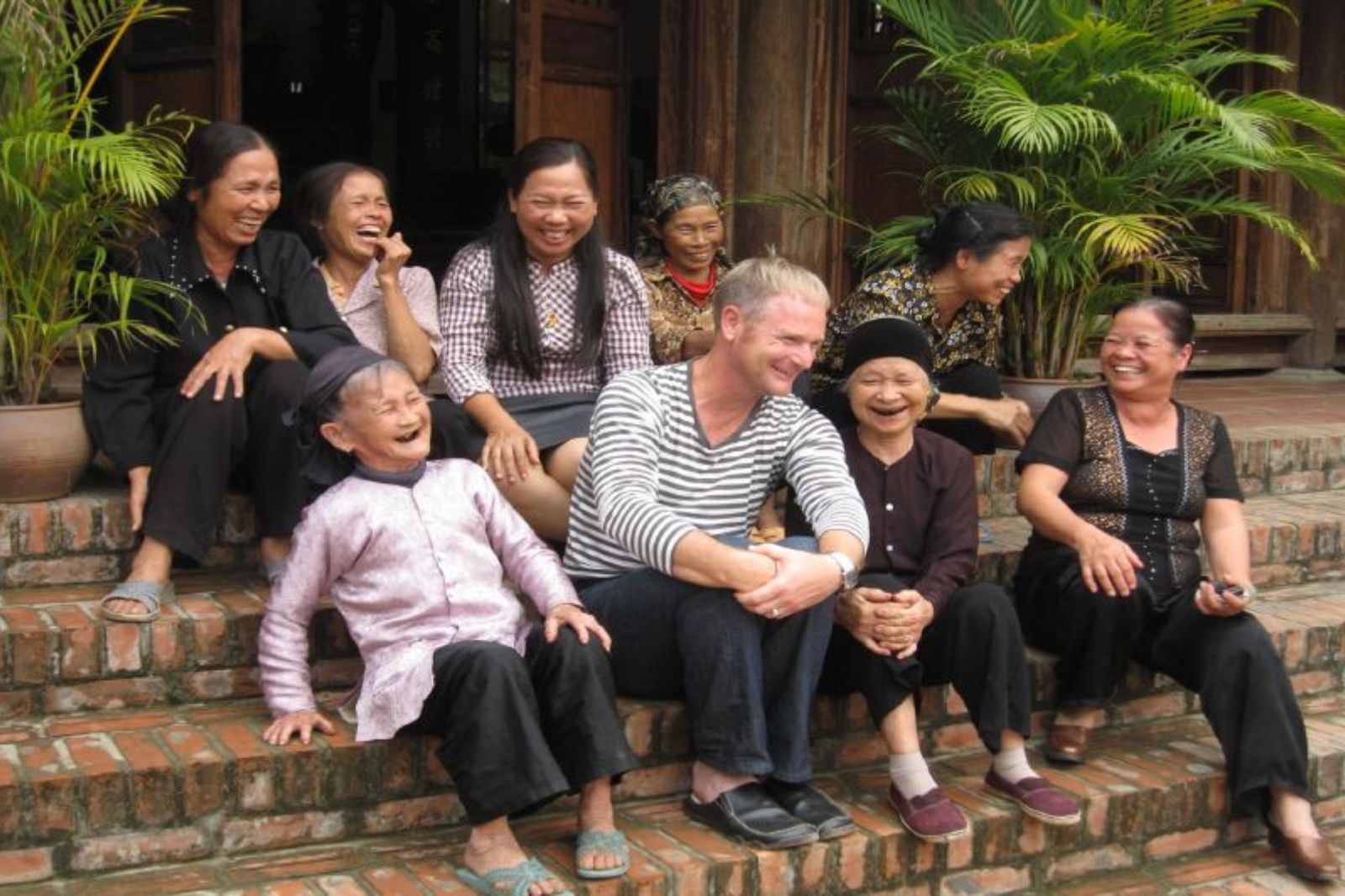
Quang Binh people are friendly and hospitable
Photo: Quang Binh people are friendly and hospitable

2. Customs tied to the breath of daily life

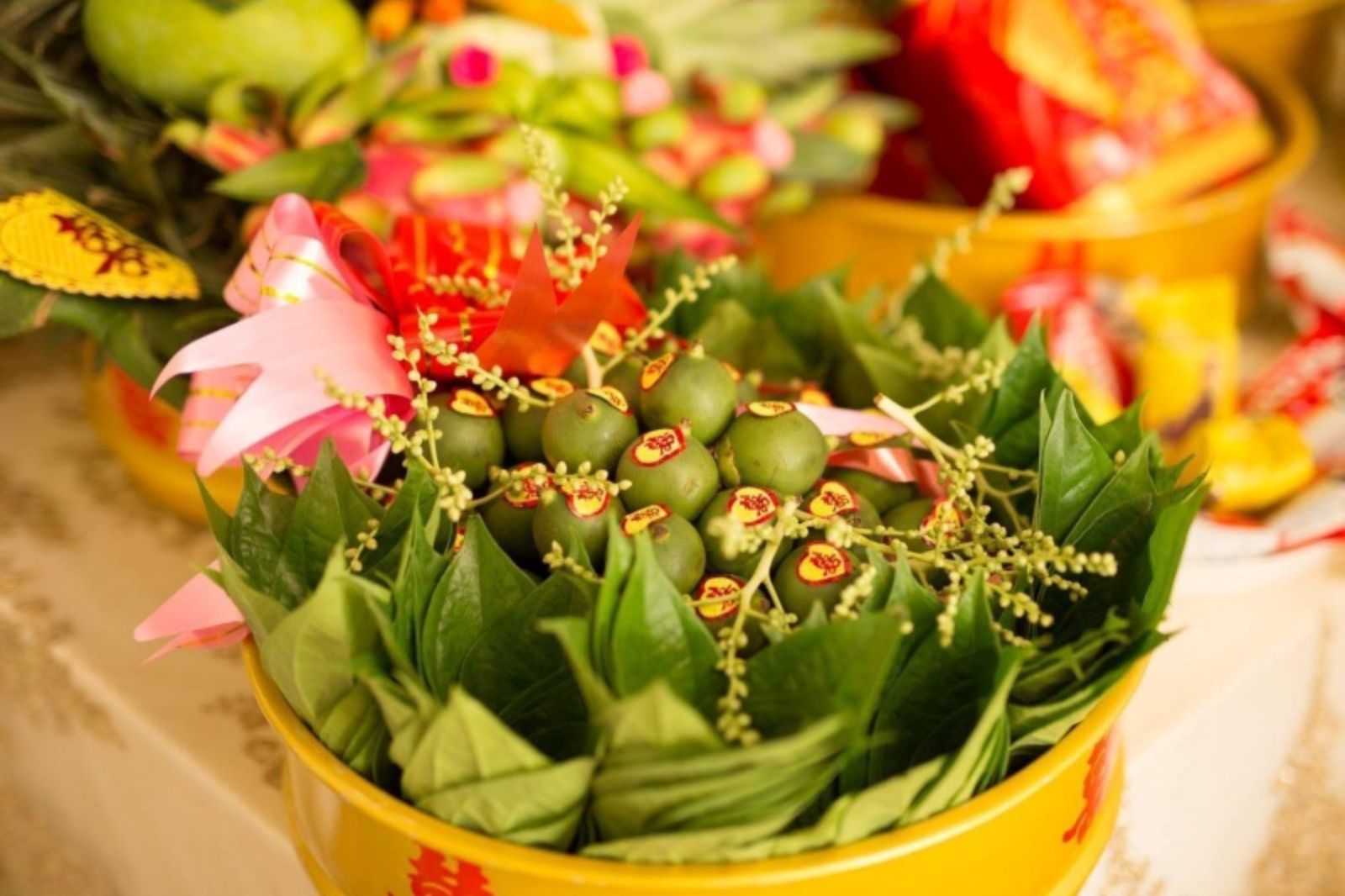
Quang Binh's customs are vivid strokes in the tapestry of daily life. Weddings here are not overly lavish, yet they are meticulously detailed. The groom's family brings betel leaves, areca nuts, tea, and wine to the bride's family, where parents sit together to advise the young couple on marital virtues. The phoenix-wing shaped betel bite is not merely an offering, but a lifelong promise of commitment. After the wedding, the bride follows her husband, yet her heart remains deeply devoted to her parents—a sentiment quintessential to Central Vietnam.

Betel and areca nuts featured in wedding offerings
Photo: Betel and areca nuts featured in wedding offerings

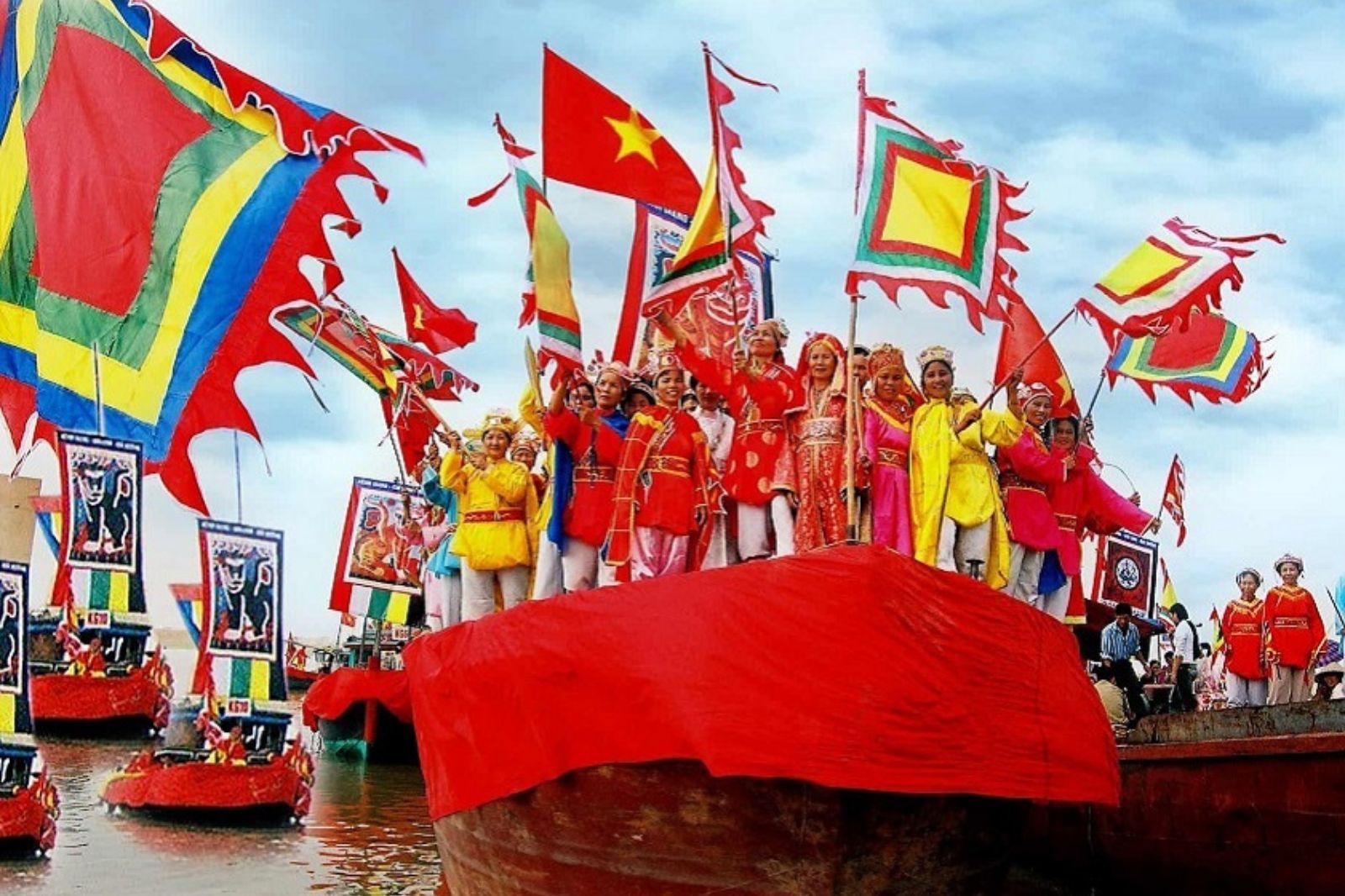
Festivals in Quang Binh are also deeply spiritual. Ho Khoan folk singing or ritual chants of fishermen echo along the riverbanks, serving both as prayers for favorable weather and as tributes to ancestors. The Whale Worship Festival (Cau Ngu) is even more vibrant, featuring dragon boats, ceremonial banners, and offerings dedicated to the Sea God. During Lunar New Year (Tet), locals wrap Banh Chung (square sticky rice cakes), cook bamboo shoot soup, and gather around the hearth to share old stories of ancestors and nature, acting as a bridge connecting generations.

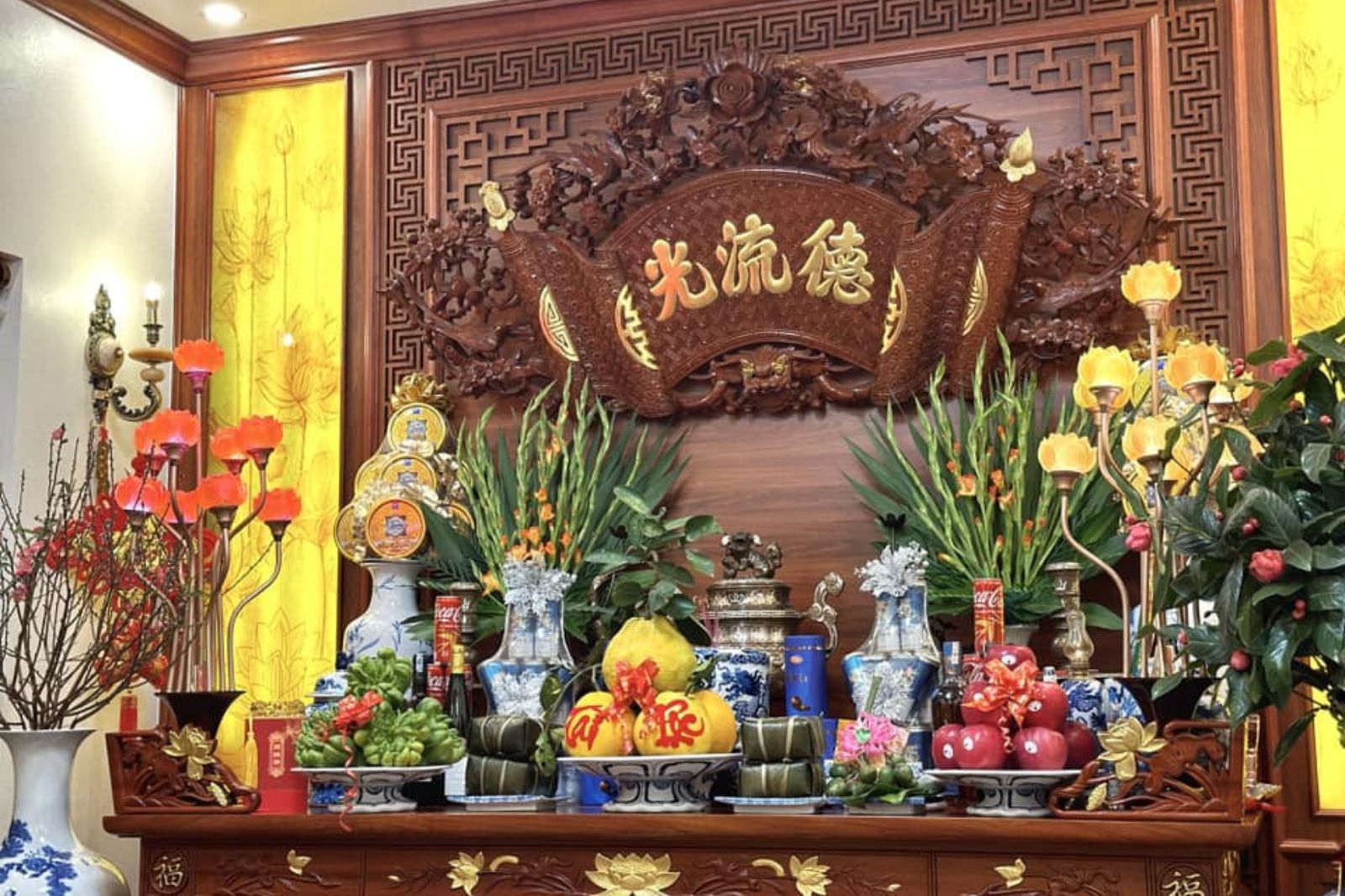
Ancestor worship is an indispensable spiritual practice. The family altar is always kept spotlessly clean with incense burned regularly, expressing gratitude and praying for peace. Such customs are not merely rituals, but the very rhythm of life—a way for Quang Binh people to honor their roots.

3. Taboos - Invisible boundaries

People in Quang Binh are warm-hearted, yet very strict regarding local taboos. Inside a house, never sit with your back turned to the altar, as it is a sacred space where ancestors reside. At night, calling out the names of the deceased is avoided, out of fear that their spirits might be disturbed and unable to rest. Small details like not tapping chopsticks against bowls during meals or avoiding laying chopsticks across the bowl's rim are also observed, as locals believe this prevents inviting spirits into the house.

The altar is a sacred place in the house
Photo: The altar is a sacred place in the house 

In the community, certain taboos are closely tied to nature. Cutting down ancient banyan trees near village communal houses is forbidden, as these trees are believed to be dwelling places of deities. When setting sail, fishermen avoid unlucky words like "sink" or "capsize", believing that the sea has ears and might become enraged. These taboos are not mere superstition, but a profound reverence for nature—a way for locals to maintain balance between humanity and creation. Understanding and respecting these invisible boundaries will help you connect more deeply with the people of Quang Binh.

4. Dialect - The soul of the land

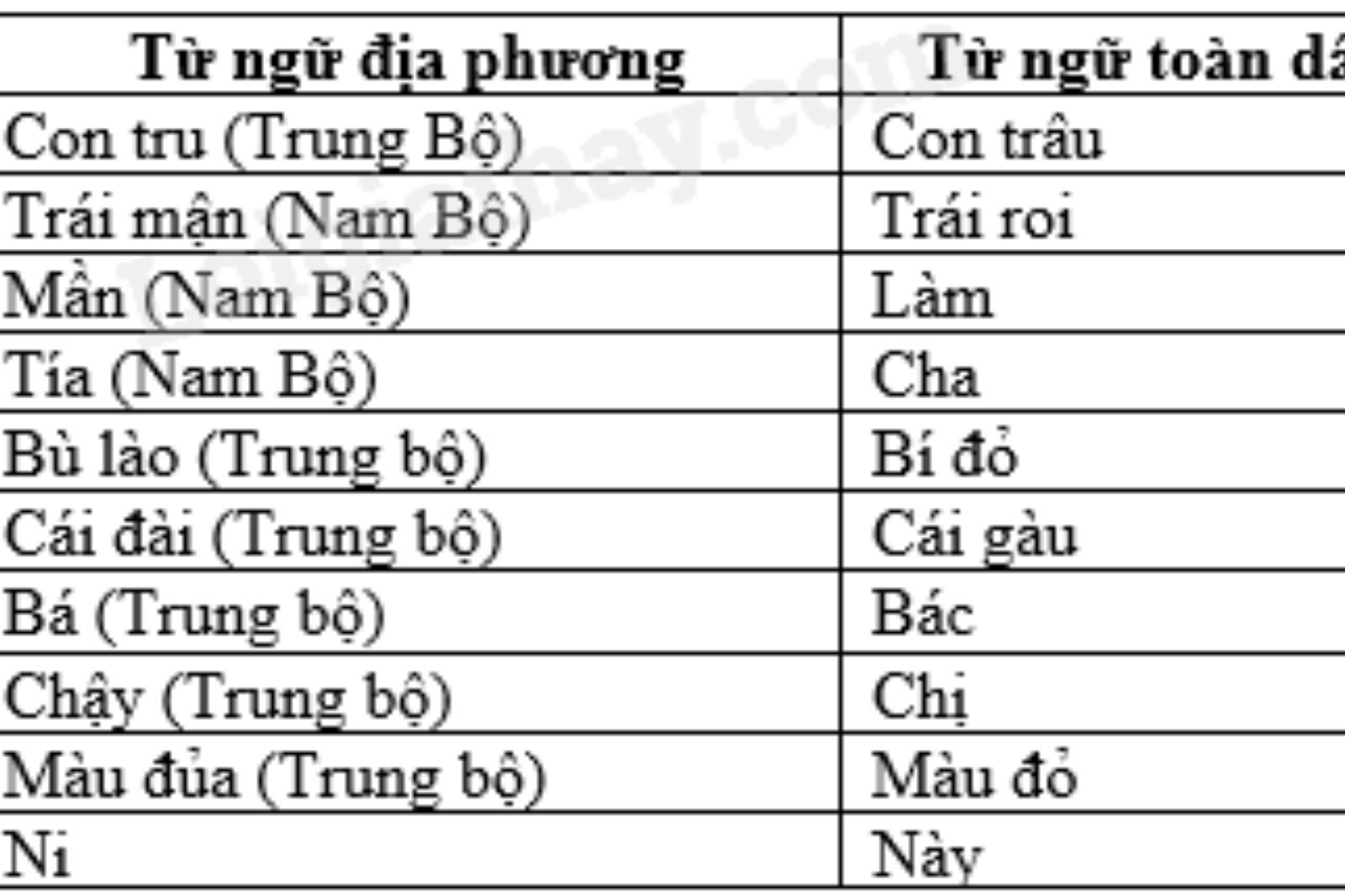
Listening to Quang Binh locals speak, you can feel the very soul of this land. The local dialect is deep, heavy yet warm, echoing like waves crashing onto sandy shores. They use "chi" for "what", "no" for "no/not", and "rang" for "how/why"—simple, rustic words rich in imagery. A friendly question like "Mi lam chi rua?" (What are you doing?) is not just a polite inquiry, but carries genuine, down-to-earth care and curiosity.

Local words can sometimes be hard to understand but leave a unique impression on visitors
Photo: Local words can sometimes be hard to understand but leave a unique impression on visitors

The voice of Quang Binh is also found in mothers' lullabies on quiet porches, and in Ho Khoan chants along the Nhat Le River: "Ho oi, deep river flowing gently, boats drifting slowly, carrying longing hearts..." These melodies are more than just language; they are how locals share their innermost emotions and stay connected across generations. If you take the time to learn a few local words and try saying "Rang rua?" (How so?) to the locals, you will surely be met with a warm nod and a gentle smile. Language, after all, is the key that unlocks the hearts of Quang Binh people.

5. Ethnic communities - Embellishing Quang Binh's culture

Amidst the vast Truong Son mountains, the Bru-Van Kieu and Chut ethnic minorities live quietly with their distinct customs. Their stilt houses are constructed from bamboo with palm leaf roofs, featuring a central hearth glowing throughout the night. They weave textiles, hunt, and worship gods of the forest and water—deities who protect their villages through endless farming seasons. Their lives are so deeply intertwined with nature that every ancient tree and flowing stream carries a legendary tale.

Their rituals are equally poetic. The bamboo dance (Mua Sap) during festivals symbolizes unity, while the sound of the Khen reed flute serves as an invocation calling ancestors to witness. Lullabies sung by Bru-Van Kieu mothers do not merely soothe infants to sleep, but recount ancient days when the wilderness encompassed their entire world. To integrate with them, sit sincerely by their fire, listen to their stories, and avoid trespassing on sacred spaces such as altars or forbidden forests. Respecting their differences allows you to touch a beautiful, hidden corner of Quang Binh's culture.

Faith in guardian deities protecting harvests among coastal fishermen
Photo: Faith in guardian deities protecting harvests among coastal fishermen 

Quang Binh's culture is a harmonious intersection between humanity and nature, past and present. From simple wedding traditions and sacred taboos to rustic dialects and the deep-rooted lifestyle of local ethnic groups, everything shapes a Quang Binh that is both welcoming and mysterious. To truly immerse yourself here, tread with humility, feel with your heart, and consciously preserve these beautiful values.

Quang Binh is not just a destination, but a journey of understanding. Come, listen to folk songs on the river, smell the kitchen smoke rising from ethnic villages, and let yourself blend into this land during your journey of exploration. 

Loading......

Featured destinations