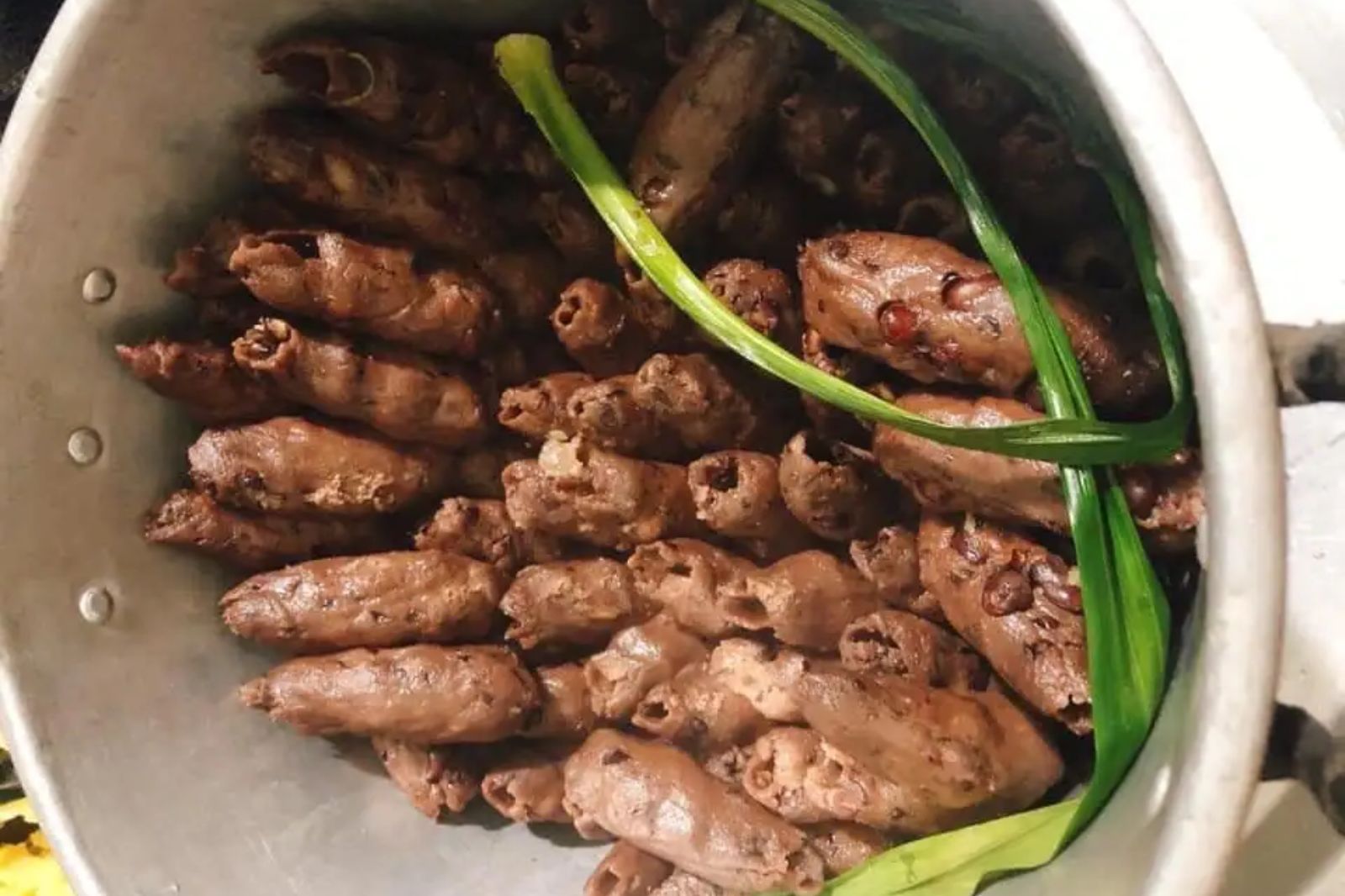
Quang Tri Tu Huyt Cake Specialty: A Unique Specialty with the Flavor of Home

Central

Quang Tri

Sovaba.travel

Updated at: 24/09/2026

1. What is bånh tu huýt?

Tu huýt cake is one of the rustic countryside gifts associated with the childhood of many generations of Quang Tri people. Made from sweet potato flour and cassava flour—familiar ingredients of the sunny and windy Central region—this simple cake not only offers a rustic flavor but also contains stories of a hard yet affection-filled era. What intrigues many people is the cake's unique name. The cake is shaped into long, flat tubes with a small hole in the middle. When the cake is freshly steamed and still hot, children often put it to their mouths to blow through the hole to cool it down before eating. The sound produced sounds like a playful whistle sound "tu huýt, tu huýt", from which this endearing name was born and handed down to this day.

Behind that small cake is a story of hard work and creativity of the people of Quang Tri. During years of hardship when rice grains were scarce, sweet potatoes and cassava became vital food sources for many families. From those simple ingredients, grandmothers and mothers skillfully crafted fragrant, nutty cakes that satisfied hunger while bringing joy to children during difficult days. Today, even though life has changed, tu huýt cake still lives on in the memories of many and has become a beautiful feature of Quang Tri's culinary culture. The cake is preserved and passed down through generations, especially popular in Cam Lo, Gio Linh, and Vinh Linh districts. Far beyond a rustic snack, tu huýt cake is a symbol of love for the homeland, hard work, and the resilient spirit that defines the unique identity of the land of Quang Tri.
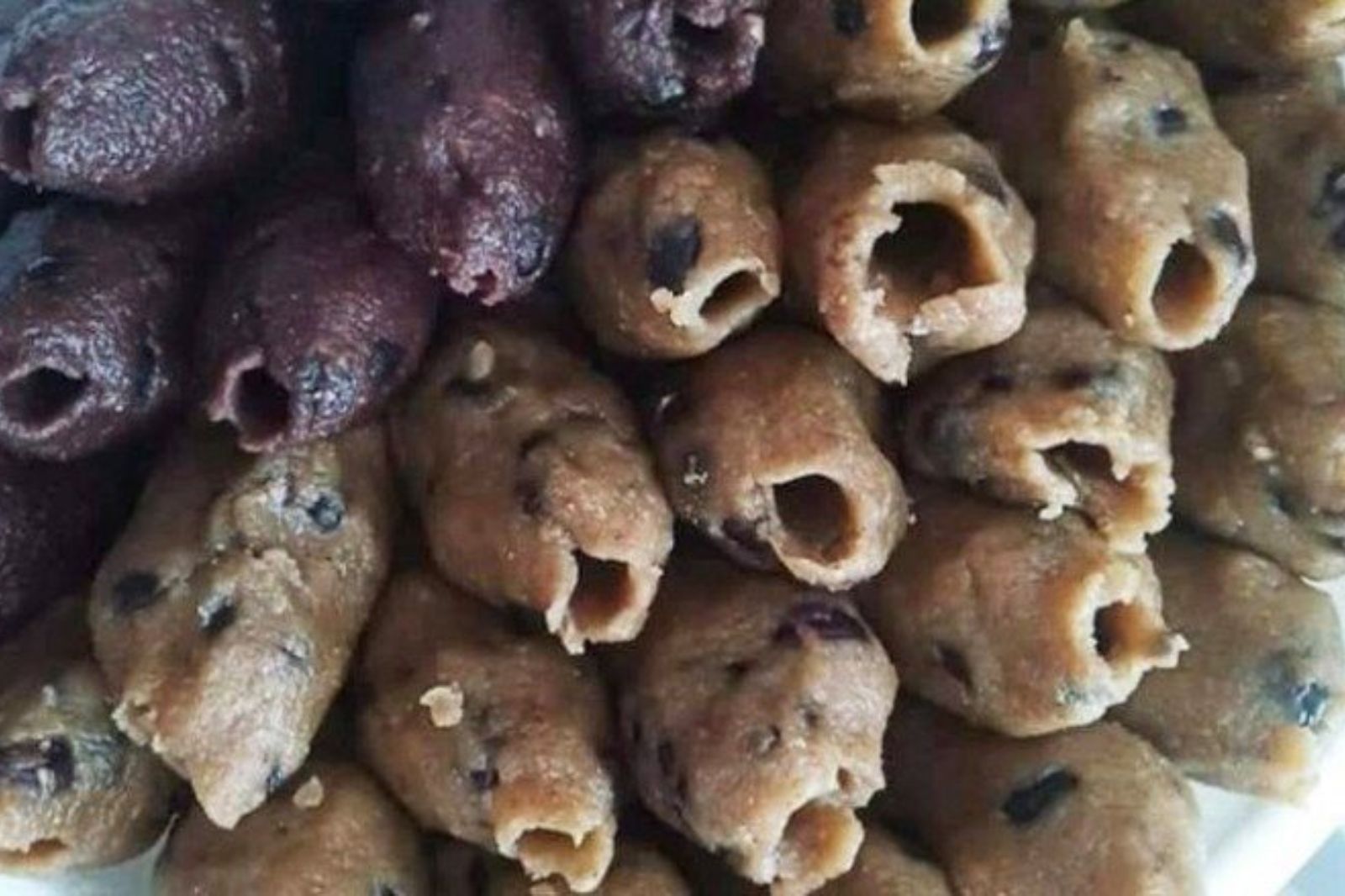
Món ăn gắn bó từ thời nghèo khó

Photo: A dish cherished since times of hardship 

2. Simple ingredients used to make the cakes

The appeal of tu huýt cake does not come from fancy ingredients, but from the very rustic and familiar local produce of sunny and windy Quang Tri. Each component contributes to creating a simple yet unforgettable flavor.

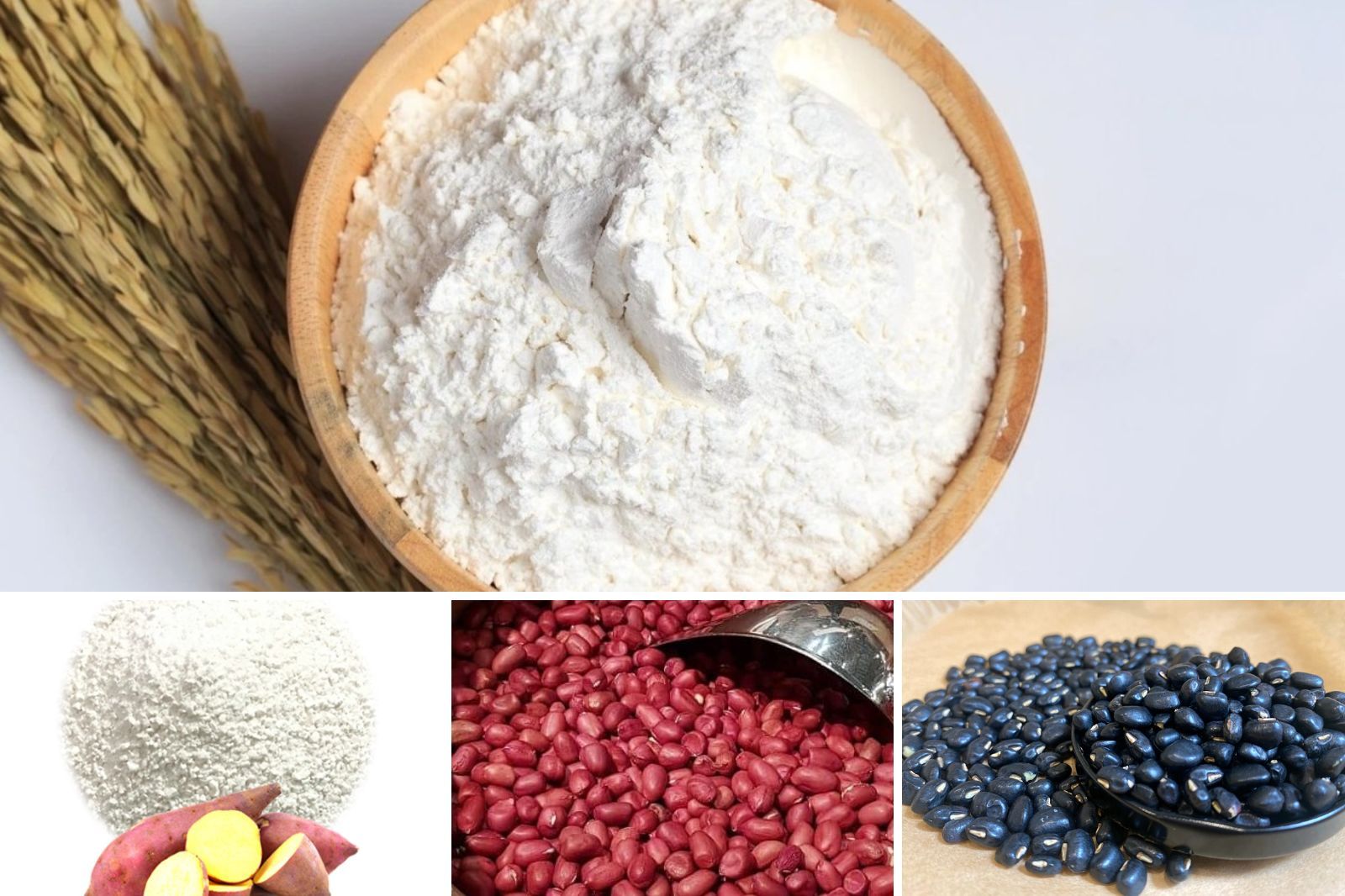
  • Sweet potato flour and cassava flour: These are the two main ingredients. Sweet potato brings a naturally sweet fragrance, while cassava flour creates a signature chewy texture. Locals usually choose good, unblemished sweet potatoes and cassavas, slice them thin, dry them in the sun (called dried sweet potatoes), and then grind them into fine flour. Mixing these two flours yields the best cake.

  • Cane sugar: Provides a mild, gentle sweetness that isn't overly sugary.

  • Secondary fillings: Boiled black beans, red beans, or peanuts mixed into the dough to add richness and appeal.

  • Pandan leaves (optional): Adds a subtle, delicate aroma.

All of these are simple, easy-to-find ingredients closely tied to the daily lives of local people. This very simplicity creates the signature character of tu huýt cake, while reflecting the industriousness, thriftiness, and ingenuity of Quang Tri people across generations.

3. How to make bånh tu huýt

To make delicious Quang Tri tu huýt cakes, the main ingredients are flour made from sweet potato and cassava—two familiar root vegetables in this region. The combination of the two flours creates a characteristic chewiness and nutty sweetness. Below is a basic ingredient list for about 20-30 cakes:

  • Sweet potato flour: 200g (delivers natural sweetness and aroma).
  • Cassava flour: 200g (provides soft and chewy texture).
  • Cane sugar: 100g (can be adjusted according to desired sweetness).
  • Water: About 200ml (or black bean cooking liquid to enhance flavor).
  • Optional add-ins: Black beans, red beans, or roasted peanuts (about 50g, pre-cooked) for extra texture and taste.

Note: To get quality flour, you should choose fresh roots free from pests, slice them thin, sun-dry them, and grind them finely. If buying pre-made flour, select from reputable sources to ensure hygiene and authentic flavor.

Bánh được làm từ những nguyên liệu giản đơn
Photo: The cake is made from simple ingredients 

4. Where to buy bånh tu huýt in Quang Tri

Tourists can easily purchase tu huýt cake at Dong Ha Market, Vinh Linh Market, or rural villages in Gio Linh and Cam Lo, where traditional cake-making is still preserved. In addition, many Quang Tri specialty stores and online sales channels also provide the product for distant customers.

Reference price: around 20,000 – 30,000 VND per dozen. Some establishments also sell packaged or frozen cakes, convenient for buying as gifts to take home.

If you have the chance to visit Quang Tri, try visiting artisanal cake-making households to taste the original flavor and discover the cultural beauty associated with this rustic cake.

5. Bånh tu huýt in the memories of Quang Tri locals

Tu huýt cake is not just a dish, but also a story about difficult days full of love, about a mother's hard-working hands kneading dough by the stove, and about children's laughter echoing when blowing "tu huýt" through the hole in the cake. Each cake is a piece of memory, a thread connecting children far from home to the sunny and windy land of Quang Tri.

Hidden within tu huýt cake is the image of resilience, just like the people of Quang Tri overcoming numerous hardships to preserve their identity. The small hole in the middle of the cake serves as a reminder that even when life is tough, with just a gentle breath, we can still create joyful, optimistic melodies. Quang Tri tu huýt cake must be eaten hot to be truly enjoyed! When taken out of the steamer, the cake emits a fragrant aroma of sweet potato and cassava, soft, chewy, and mildly sweet. The traditional way to eat it is to hold the cake, blow hard through the center hole to cool it, creating a fun "tu huýt" sound, as if playing with childhood memories. You can eat it plain, dip it in sweet and sour fish sauce, shrimp paste, or even sprinkle extra sugar for a richer sweet flavor.

Bánh khi chín sẽ có màu nâu đậm
Photo: When cooked, the cake will have a dark brown color 

If you have the opportunity to travel to Quang Tri, you can look for tu huýt cake at local markets such as Dong Ha Market, Vinh Linh Market, or rural villages in Gio Linh – where this cake is still handmade. Prices range from about 20,000 to 30,000 VND per dozen, depending on the size. If you want a deeper understanding of the culinary culture and authentic local experiences of Quang Tri, don't forget to visit sovaba.travel. Here, you will find practical travel tips, suggested itineraries, and secrets to exploring the locality more fully. See you on your next journeys!

Loading......

Featured destinations