1. Why safety is a "vital" factor when visiting war relics?
Putting safety first when visiting war relics is not coincidental, but stems directly from the unique nature of these historical sites:
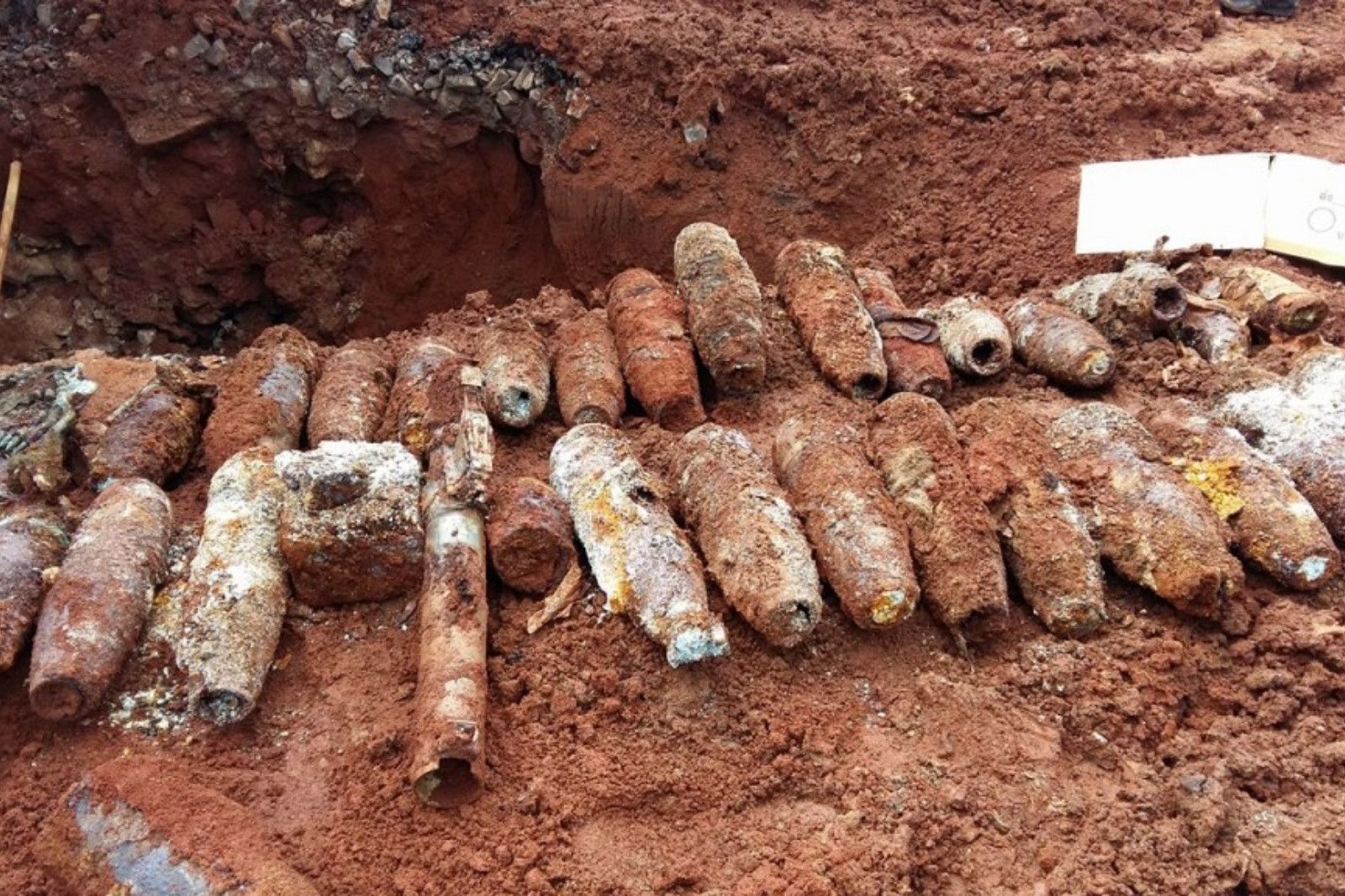
Photo: Many unexploded explosive materials remaining after the war can pose a danger to visitors
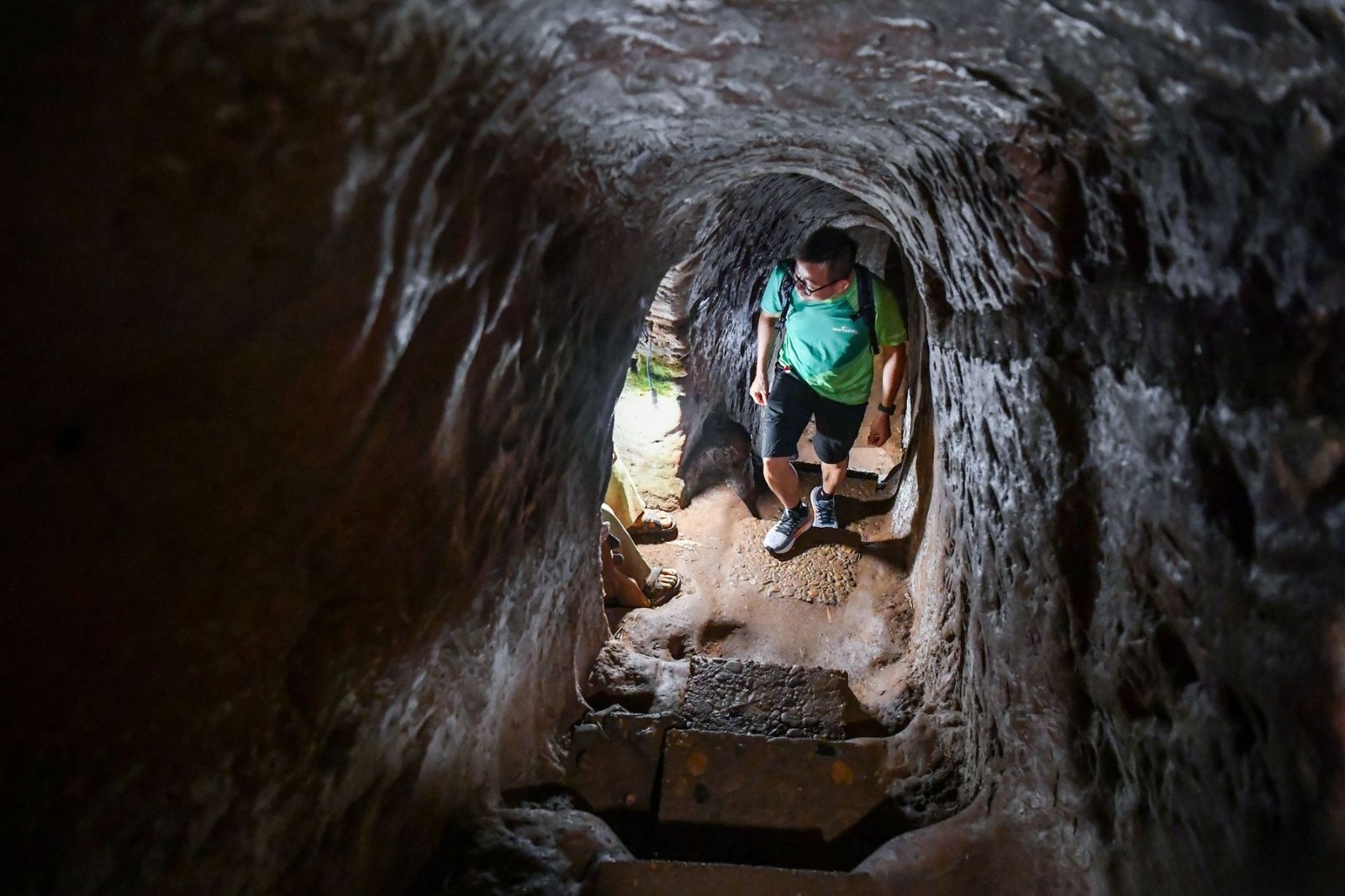
Complex terrain and environment: Many relics are areas that endured fierce bombing and shelling, leaving behind rough terrain, craters, or intricate tunnel systems. You may encounter slippery trails, steep slopes, or ruined fortification areas. In particular, inside tunnels or caves, the environment is often dimly lit and damp, making visibility and movement difficult. Some confined, narrow areas even pose risks of oxygen deficiency or toxic gas accumulation due to long periods without ventilation.
Risks from war remnants: This is the greatest hazard. Even though clearing efforts have been made, many site areas may still contain leftover explosive remnants such as unexploded bombs, landmines, or ammunition hidden underground or in crevices. Accidental contact can lead to catastrophic consequences. Additionally, sharp metal fragments, rusty barbed wire, or crumbling stone debris can also cause serious injuries if you are not careful.
Human factors: Sometimes, a lack of awareness or complacency among visitors is the cause of risks. Failing to understand regulations, arbitrarily exploring off-limits areas, or simply lacking focus while moving around can put you in dangerous situations.
A trip to war relics offers invaluable history lessons, but it also requires visitors to exercise caution. Always adhere to safety rules and instructions from the management board to ensure a fully rewarding and safe experience.
2. Safety tips for visiting war relics
To make your trip not only insightful but also genuinely safe while avoiding potential risks, equipping yourself with knowledge and thorough preparation is essential. Let’s explore essential safety tips for a journey exploring war relics that is both emotionally rich and secure.
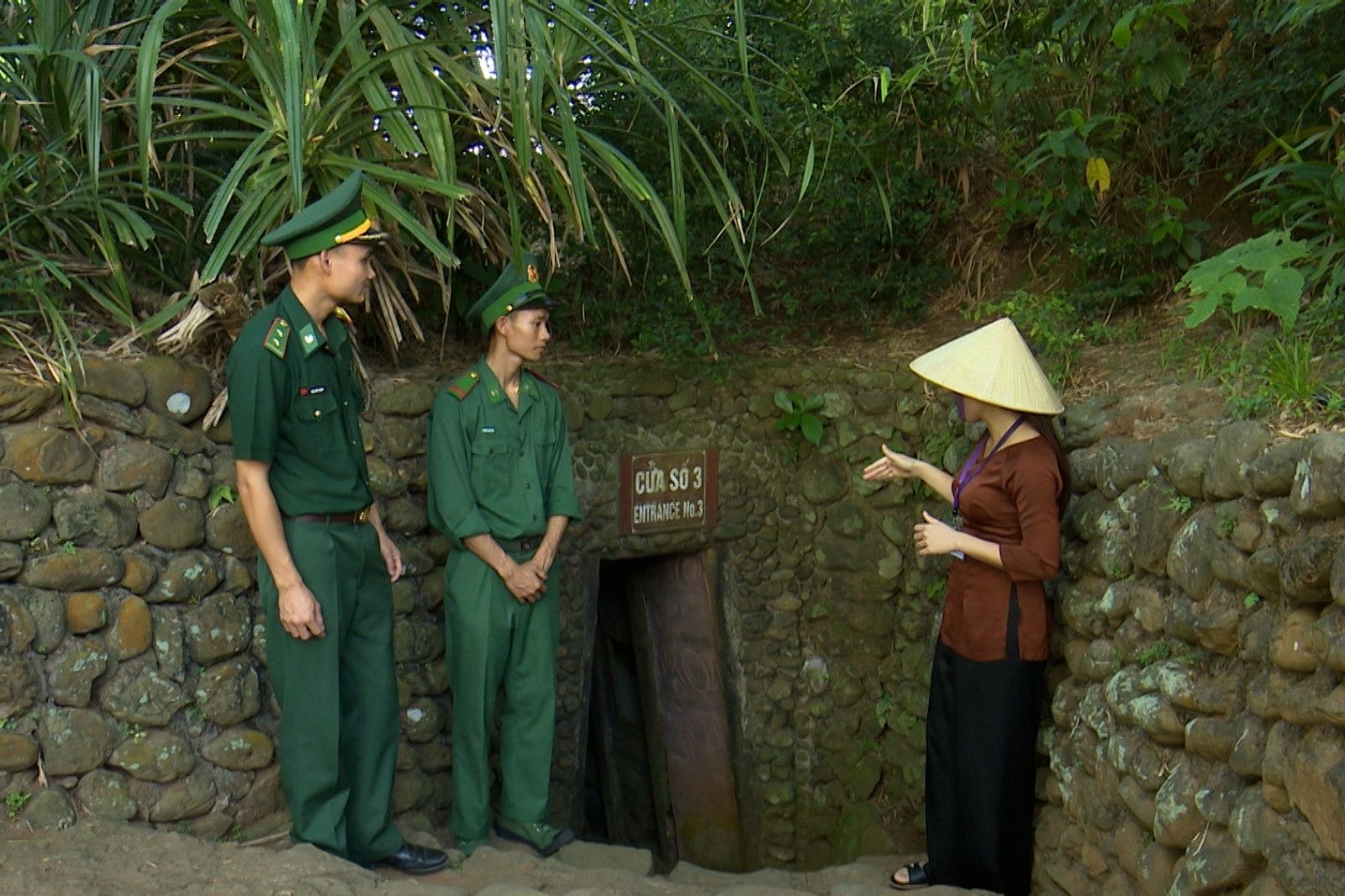
Photo: Visitors must always adhere to safety principles when touring
Gather Necessary Information and Prepare Thoroughly
A safe trip starts with careful preparation. Never underestimate the importance of this step.
Thoroughly research your destination:
Learn about the history and characteristics: Before departing, spend time researching the relic. Understand its layout (are there complex tunnel systems?), key areas, and especially any warned potential hazard points.
Check safety advisories from management: Most historical sites have management boards with specific safety recommendations and regulations, including restricted or off-limits areas. Look up this information on official websites, reputable travel forums, or contact them directly.
Check weather forecasts: Monitor the weather forecast for your visiting day. This helps you plan accordingly, especially if rain (causing slippery paths) or intense heat is expected.
Assess your personal health:
Evaluate your physical fitness: Visiting relics may demand more physical stamina than expected, especially when walking long distances, climbing, or crawling through narrow tunnels. This is crucial for people with cardiovascular issues, blood pressure conditions, respiratory problems, or claustrophobia. Consult a doctor if necessary.
Bring essential medications: Ensure you have an ample supply of personal prescription medicine if undergoing treatment. Additionally, pack common over-the-counter medications such as allergy relief and insect repellent.
Equip appropriate gear and attire:
Clothing: Wear comfortable, breathable, long-sleeved clothing made of durable fabric. Modest attire not only protects your skin from insects and scratches but also demonstrates respect for historical sites. Prefer neutral colors and avoid overly bright outfits.
Footwear: This is a crucial factor. Choose sneakers or hiking shoes with good traction and anti-slip soles. Strictly avoid high heels or flip-flops as they easily cause slips and falls on rugged terrain.
Personal items: Bring a hat, sunglasses, and sunscreen for sun protection. Insect repellent spray is indispensable in heavily forested or vegetated sites. Don't forget enough drinking water to prevent dehydration and wet wipes for personal hygiene.
Supportive equipment:
Flashlight: Essential when entering dark areas such as bunkers and tunnels or during late afternoon visits.
Power bank: Keep your phone charged at all times to ensure communication when needed.
Small first-aid kit: Prepare basic bandages, antiseptic solution, and pain relievers to handle minor injuries.
Travel in groups or with a guide: If possible, join organized tours or travel with a group of friends. Avoid going alone, especially in remote or complex areas where exits are hard to find.
Strictly Comply with Regulations During Your Visit
Once at the site, all your actions should adhere to the principles of civility and safety to protect yourself and respect the historical space.
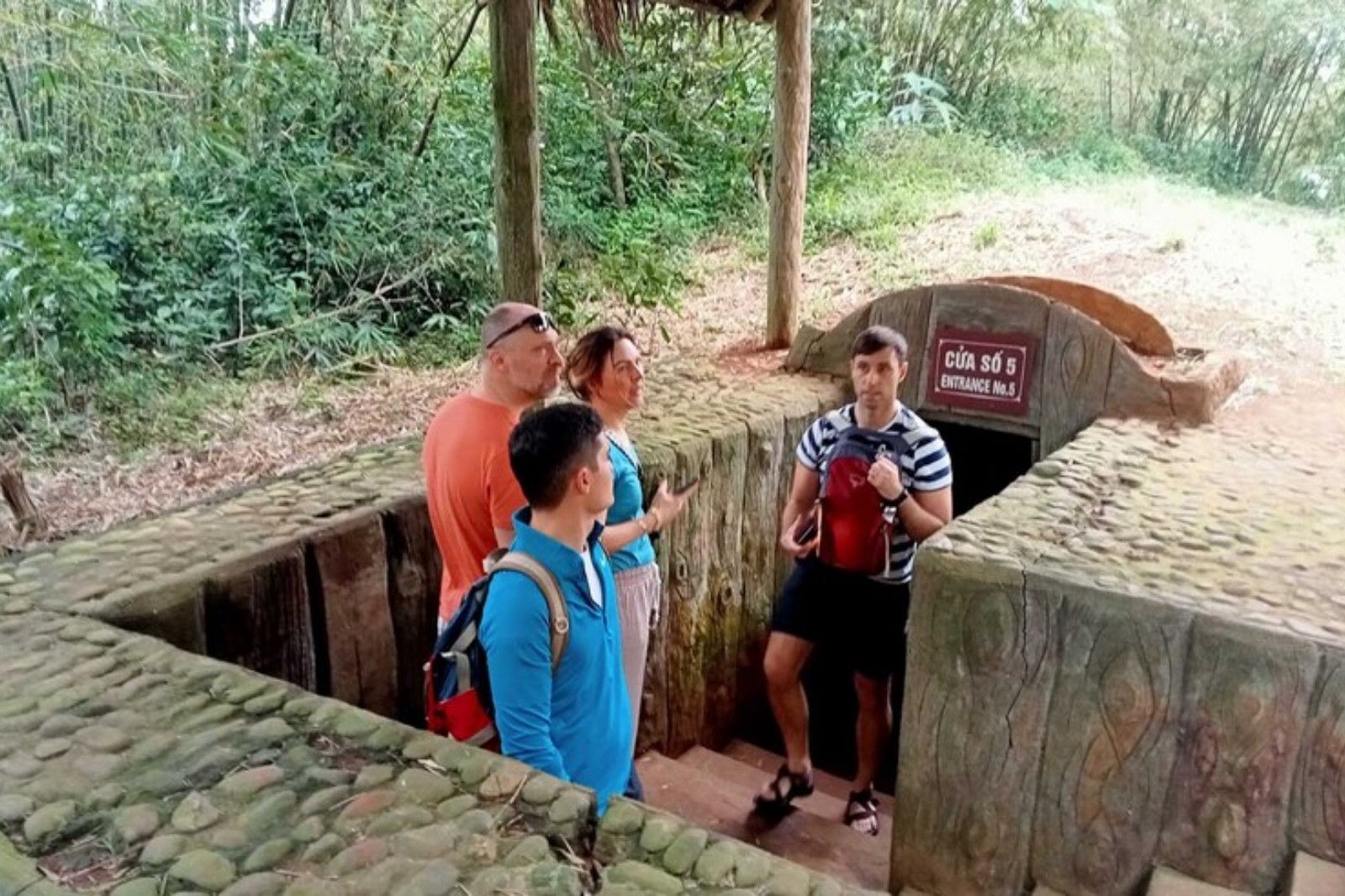
Photo: Listen to the tour guide for a safe visit
Always follow instructions and warning signs:
Listen to your guide: They possess deep knowledge of the terrain, history, and potential risks. Their advice is invaluable.
Obey signs and rules: "No Entry", "Danger", "Authorized Personnel Only", "Minefield Clearing Area" – these signs are critical warnings for your safety.
Do not stray from the designated path: Even if off-path areas seem safe, you cannot know what hazards lie hidden underground.
Exercise utmost caution when moving:
Watch your step: Especially on rough, steep, wet, slippery, or dark paths. Avoid using your phone while walking.
Maintain a safe distance: Stay a safe distance from those ahead of you, and avoid pushing or shoving, particularly in narrow passages or crowded spots.
Minimize touching walls and tunnel ceilings: They may be damp, dirty, or harbor insects and mold that cause allergic reactions.
Never touch unfamiliar objects:
The "3 NOs" rule:Do not touch, do not move, do not bring back any strange objects you see, especially metal objects, old weapons, or unusually shaped items. They could be unexploded ordnance, which is extremely dangerous.
Report immediately to guides or management: If you spot an object suspected to be explosives, ammunition, or any other hazard, keep a safe distance and report it immediately to staff.
Maintain public order and cleanliness:
Avoid loud noises: Maintain a respectful and solemn attitude towards sacred historical grounds.
Do not litter: Help preserve the environment and scenic integrity of the sites.
Limit eating and drinking inside exhibition areas and tunnels: Avoid soiling the area or disturbing others' experiences.
Special attention for children and seniors:
Always have adults closely accompany and supervise children to ensure they do not wander off or touch dangerous objects.
Explain simple safety rules to children so they understand self-protection.
For seniors, prioritize safer, less strenuous routes and provide support during movement.
Handling Emergency Situations
Despite thorough preparation, unforeseen situations can sometimes arise. Knowing how to handle them helps minimize risks.
Photo: Travel in groups to avoid getting lost
In case of getting lost or separated from your group:
Stay calm: Avoid panicking and wandering around aimlessly.
Look for signs or landmarks: Or easily recognizable spots (such as information desks, entrances/exits) to locate yourself.
Contact your guide or companions: By phone if cellular signal is available.
Seek help from site staff or other tour groups. Don't hesitate to ask for directions.
If you discover explosive materials or immediate danger:
Shout a loud warning: Alert people around you to keep a distance.
Quickly move away from the danger zone: But do not panic or rush blindly. Move carefully to prevent further accidents.
Immediately report to guides/management/nearest authorities: Provide specific details about the location and description of the object observed.
Do not attempt to handle or move the object yourself under any circumstances.
Basic first aid:
Minor cuts and scratches: Apply antiseptic solution from your first-aid kit, then bandage the wound.
Bee stings and insect bites: Clean the bite area, apply insect bite relief or anti-itch cream. If severe allergic symptoms occur (swelling, difficulty breathing), call emergency services immediately.
Dizziness or shortness of breath: Quickly find a cool, well-ventilated spot to rest and inform companions for timely medical assistance.
Photo: Be extra careful when moving through narrow areas
As historical reflections settle, you will realize that a safe trip is not only personal self-protection, but also the most practical way to show respect for the past and those who have fallen. By preparing wisely and behaving civilly, we contribute to preserving the sacred beauty of relics while turning every visit into a memorable experience deeply etched in our minds.
Let every footstep exploring war relics be not only a journey back into history, but also a reminder of the value of peace and prudence. Whether planning an independent trip or choosing a reputable travel operator, such as joining a Quang Tri tour with Sovaba Travel, prioritizing safety always serves as the guiding principle for a truly meaningful and complete experience.