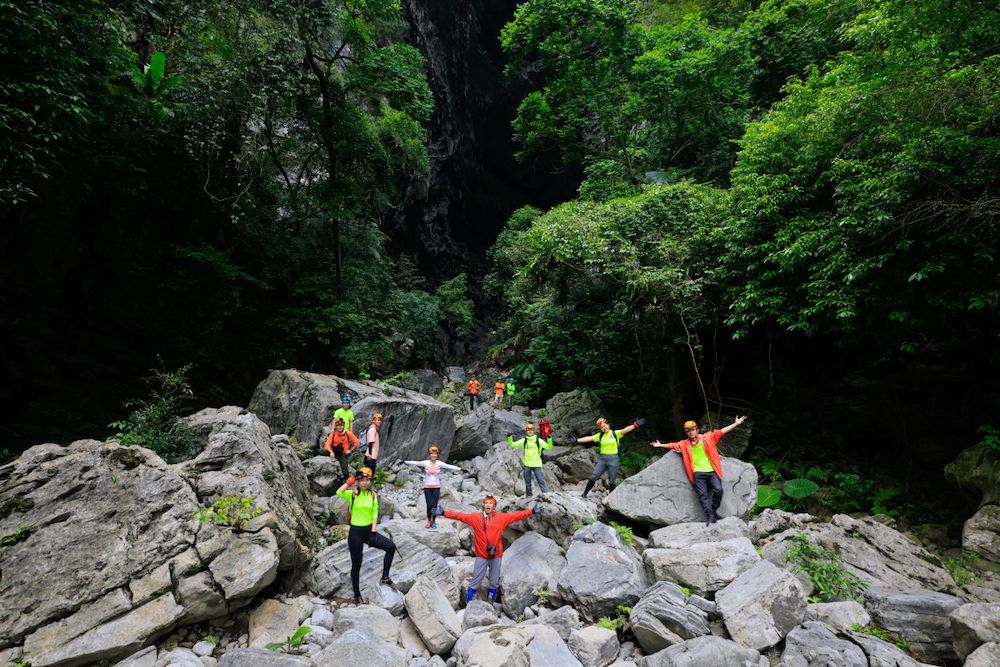
Trekking tourism is an adventurous activity, and organizing a trekking trip on your own can lead to certain dangers if you lack experience and knowledge. Here are a few common risks when organizing a self-guided trekking tour.
Injuries and accidents
On rough terrain, especially when traversing mountains and hills, the risk of injuries and accidents is very high. Broken bones, stumbles, and slips are common risks.
Bad weather
Unstable weather can pose dangers such as reducing visibility and creating risks for trekkers.
Gastrointestinal disorders
The risk of digestive disorders occurs when drinking unclean water and eating spoiled food, leading to intestinal problems such as diarrhea, enteritis, or more serious conditions.
Dangers from wildlife
In some areas, you may face dangers from wild animals such as tigers, bears, venomous snakes, etc. If trekkers lack the knowledge to handle these situations, it can easily pose severe dangers to themselves and their companions.
Getting lost
Trekking in remote and rugged areas can lead to getting lost, especially without navigation experience. Getting lost without coping skills or adequate food supplies is an extremely dangerous factor.
Lack of equipment and gear
Lacking essential trekking equipment such as hiking boots, water bottles, maps, waterproof jackets, etc., increases the risk of facing troubles and obstacles on the journey.
Terrain hazards
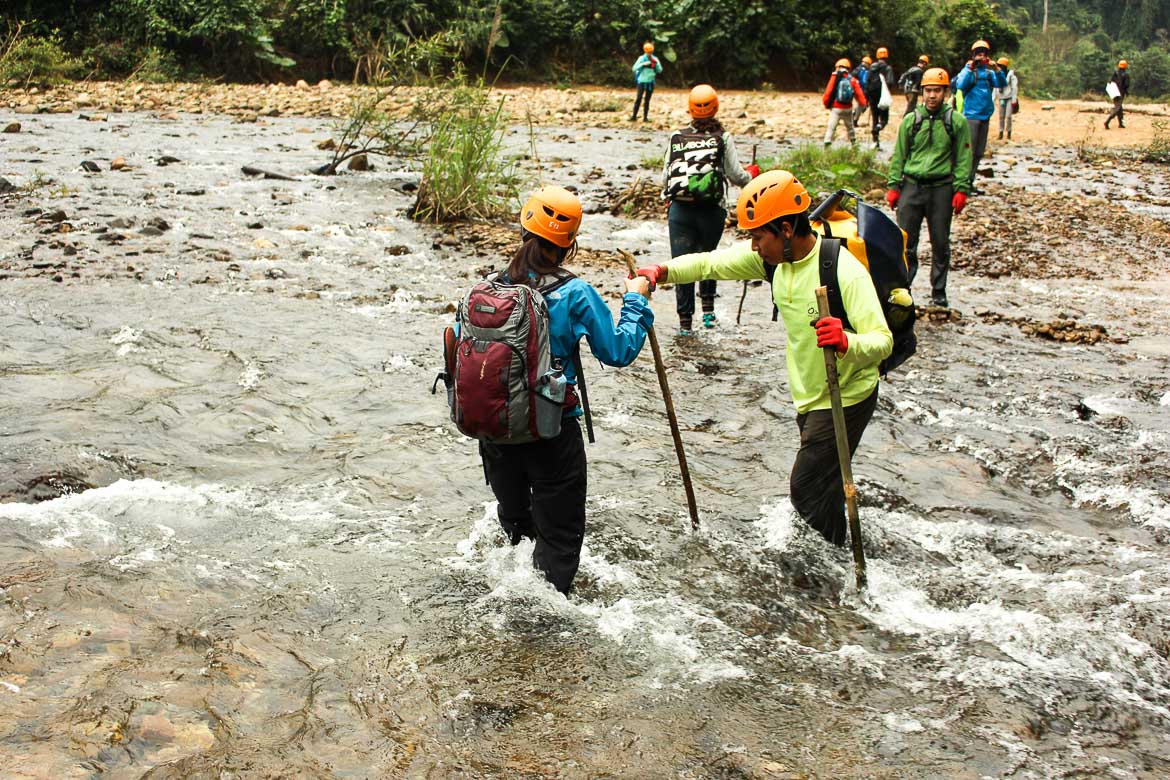
Traversing rugged terrain such as cliffs, caves, and deep basins can be dangerous without proper skills. Not having a guide to assist with technical maneuvers also creates significant risks.
Extreme climate
In places with extreme climates like high mountains or dense forests, travelers face endurance challenges when their bodies cannot adapt to the new environment.