Stomach Ache and Indigestion When Traveling: Culinary "Saviors"

Central

Quang Binh

Sovaba.travel

Updated at: 24/09/2026

1. Common symptoms of stomach pain and indigestion while traveling

When your digestive system "protests" during a trip, you may experience one or more uncomfortable symptoms. 

  • Stomach ache: This is the most common symptom, which can manifest in various forms such as a dull ache, sharp cramping pains, or a feeling of tightness and discomfort in the upper or lower abdomen.
  • Bloating and abdominal distension: A feeling of a swollen, uncomfortable belly due to gas accumulation in the digestive tract. You may feel your stomach is tight and want to burp or pass gas.
  • Heartburn, acid reflux: A burning sensation in the chest area, sometimes accompanied by a sour or bitter taste in the mouth caused by stomach acid flowing back up into the esophagus.
  • Nausea, vomiting: Stomach discomfort that can lead to vomiting food or gastric juice. Vomiting may help relieve discomfort but can also cause dehydration.
  • Diarrhea: Passing loose, watery stools multiple times a day, often accompanied by an urgent feeling to defecate and stomach cramps. Prolonged diarrhea can lead to fluid and electrolyte loss.
  • Dehydration: Occurs when the body loses more fluids than it takes in, usually due to vomiting or diarrhea. Signs include thirst, dry mouth, dizziness, fatigue, and dark-colored urine.
  • Fatigue, weakness: The body feels sluggish and low on energy due to abnormal digestive system function, possibly compounded by dehydration or temporary nutritional deficiencies.

These symptoms can appear individually or in combination, depending on the underlying cause of the digestive issue. Recognizing the symptoms clearly will help you take timely measures and choose appropriate foods to quickly feel better during your trip. 
 

2. Top "rescue" foods for stomach pain and indigestion

When an uncomfortable belly interrupts your exploration, turn to the following light, easily digestible foods to soothe your "rebellious" digestive system. 

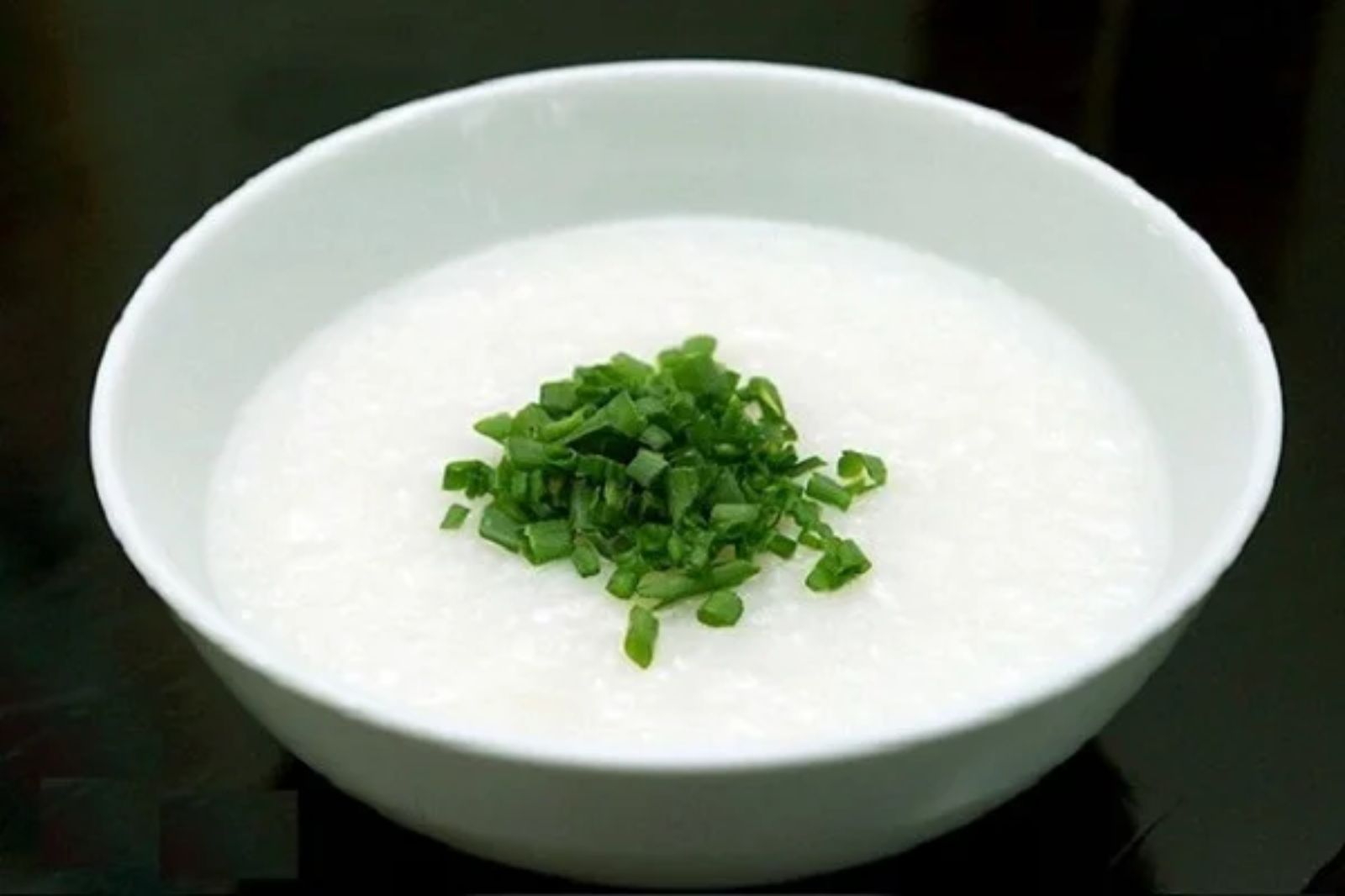
Plain rice porridge: This is always the gentlest and safest "remedy" for any digestive issue. Dilute, warm rice porridge is very easy to digest, preventing your stomach from overworking. You can easily find plain porridge at most casual eateries or request it at restaurants. Adding a pinch of salt or finely chopped green onions will make it easier to swallow.

Plain rice porridge is a safe and easily digestible dish for you
Photo: Plain rice porridge is a safe and easily digestible dish for you 

Clear soups (vegetable soup, chicken soup): Clear, well-simmered soups provide easily absorbed hydration and nutrients. For vegetable soup, choose soft vegetables like carrots, pumpkin, and potatoes cooked thoroughly and possibly mashed. As for chicken soup, its warm broth has a soothing effect, while shredded chicken provides gentle protein. It is recommended to remove chicken skin to reduce fat content.

Plain white rice: Once your digestion has stabilized slightly, soft-cooked white rice is a safe option to supply energy. Eat moderate portions and chew thoroughly. Avoid fried rice or greasy rice dishes.

Ripe bananas: This is a natural "lifesaver" when suffering from diarrhea. Ripe bananas contain potassium to help replenish lost electrolytes, as well as pectin fiber to help firm up stool. They are very easy to buy at local markets or fruit stalls.

Fresh coconut water: A great beverage to naturally rehydrate and restore electrolytes when experiencing diarrhea or vomiting. Easily found at roadside drink stalls or tourist areas.

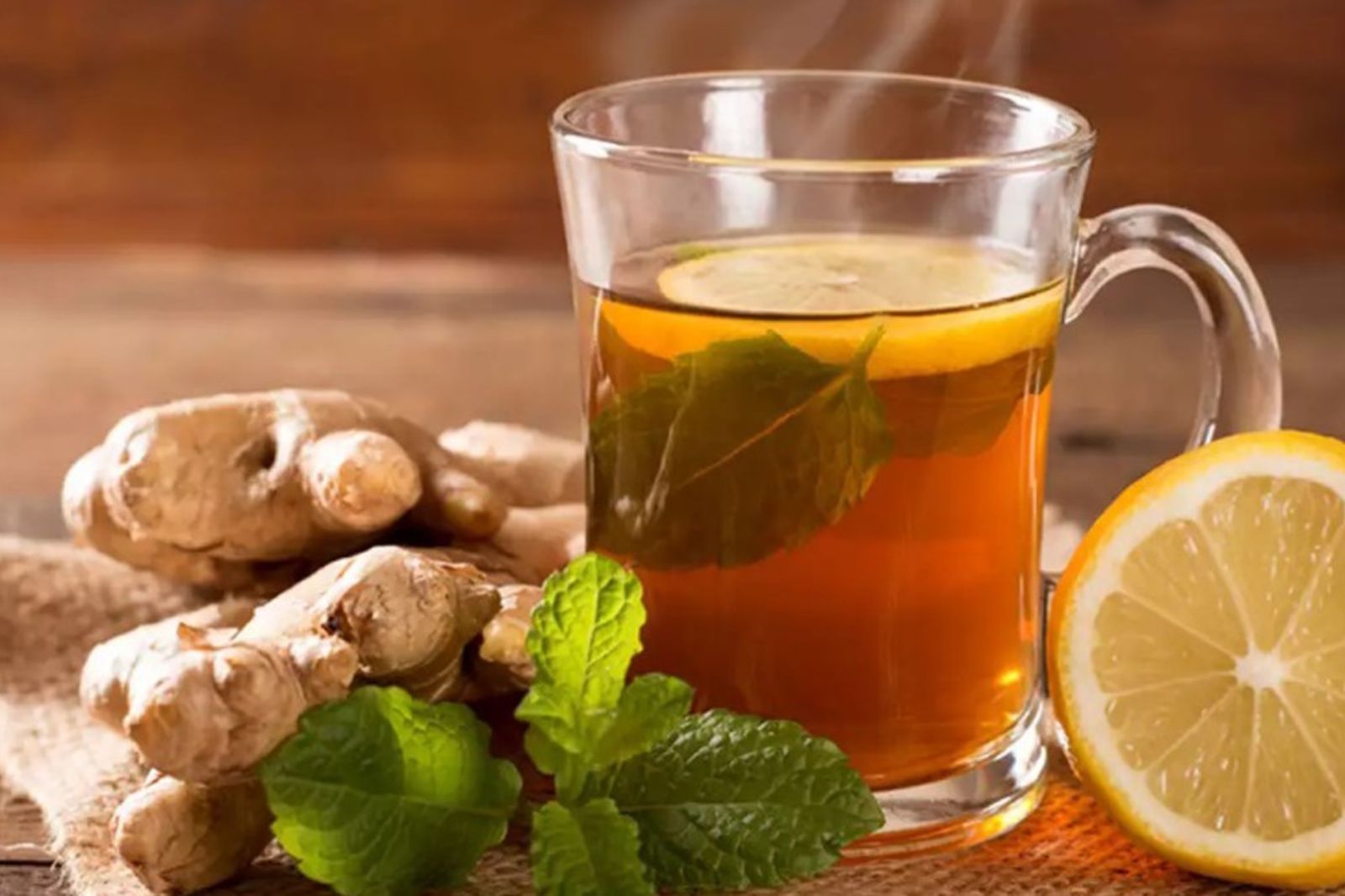
Warm ginger tea: Ginger helps soothe the stomach, reducing nausea and bloating. You can easily brew a cup of warm ginger tea from fresh ginger bought locally or pre-packaged ginger tea bags.


Warm ginger tea will be a “lifesaver” for your protesting stomach
Photo: Warm ginger tea will be a “lifesaver” for your protesting stomach 

Oral Rehydration Solution (Oresol): This is an effective solution to replace water and essential minerals lost due to diarrhea or vomiting. You can purchase Oresol at any pharmacy in Quang Binh. Make sure to mix it strictly according to the package instructions.

Filtered water: Drinking enough clean water in small sips is extremely important to prevent dehydration and help your digestive system function better. Avoid drinking too fast or too much at once, as it may further upset your stomach.

When your stomach feels unwell, prioritize mild, easy-to-digest foods and beverages, and stay away from foods that can cause irritation. Listen to your body and choose whatever makes you feel most comfortable to recover quickly and continue enjoying your trip. 

3. Foods to absolutely avoid when experiencing stomach pain and indigestion

When your digestive system is "unstable" during a trip, avoiding certain types of food is essential to keep the condition from worsening and to help you recover quickly. 

  • Deep-fried, greasy foods: Dishes like savory pancakes, fried spring rolls, fried chicken... contain high amounts of hard-to-digest fat, making your stomach work harder and potentially causing bloating and discomfort.

     
  • Spicy foods: Dishes containing lots of chili, pepper, or hot spices can irritate the stomach and intestinal lining, increasing stomach ache, heartburn, and diarrhea.

     
  • Sour foods: Salads, raw salads, sour soups... have high acidity that can irritate the stomach, especially when the stomach lining is already sensitive.

     
  • Raw or undercooked seafood: Fish salads, raw oysters, sushi... pose a high risk of bacterial contamination, which can worsen stomach cramps, diarrhea, and cause food poisoning.

     
  • Sweets and sugary treats: Sugar can increase inflammation in the gut and cause osmotic diarrhea in some people.

     
  • Carbonated drinks and soft drinks: These beverages contain high levels of sugar and carbon dioxide, which can cause bloating, indigestion, and exacerbate symptoms.

     
  • Coffee and strong tea: Caffeine is a stimulant that can increase bowel motility, leading to diarrhea or worsening stomach aches.

     
  • Alcohol and other stimulants: These substances can irritate the stomach and intestinal lining, weaken the digestive system, and slow down the recovery process.

     
  • Raw vegetables and veggies high in insoluble fiber: Raw vegetables like lettuce, herbs, or vegetables with tough fibers like bamboo shoots can be difficult to digest, causing bloating and discomfort. Boiled or soft-cooked vegetables are preferred.

     
  • Highly acidic fruits: Oranges, lemons, tangerines, grapefruits... can increase stomach acid, causing heartburn and discomfort. Choose soft, low-acid fruits like ripe bananas or ripe papayas.

Strictly avoiding these foods will give your digestive system time to rest and recover, while reducing unpleasant symptoms so you can quickly regain your health and continue enjoying your journey.

Strictly avoid eating fried foods during this period
Photo: Strictly avoid eating fried foods during this period 

With these suggestions on gentle "rescue" dishes and foods to strictly avoid, you will have a solid preparation to confidently "overcome" sudden minor illnesses. Remember to listen to your body, choose safe and easily digestible foods, and do not hesitate to seek medical assistance if your condition does not improve. Wishing you healthy, fulfilling trips filled with memorable moments. 

Loading......

Featured destinations