Taboos in the Customs of Ethnic Minority Groups in Quang Binh

Central

Quang Binh

Sovaba.travel

Updated at: 02/10/2026

1. Diversity of Ethnic Minorities in Quang Binh

Quang Binh, a land in the sunlit and windy Central region, boasts not only high mountains, deep rivers, and magnificent caves, but is also home to ethnic communities with distinct customs and beliefs. The Bru-Van Kieu and Chut are two prominent ethnic groups embodying the spirit of the mountains and forests, with age-old traditions deeply tied to nature.  

The Bru-Van Kieu people, numbering over 94,598 (according to 2019 statistics), live mainly in the mountainous districts of Quang Binh, Quang Tri, and Thua Thien Hue. Meanwhile, the Chut people, with a population of only around 7,513, are concentrated mostly in Minh Hoa and Tuyen Hoa of Quang Binh, divided into smaller subgroups such as Arem, Ruc, May, Sach, and Malieng. Despite differences in lifestyle and habits, they all preserve their own customary laws, handed down from generation to generation, to respect nature, protect their community, and connect with ancestors.  
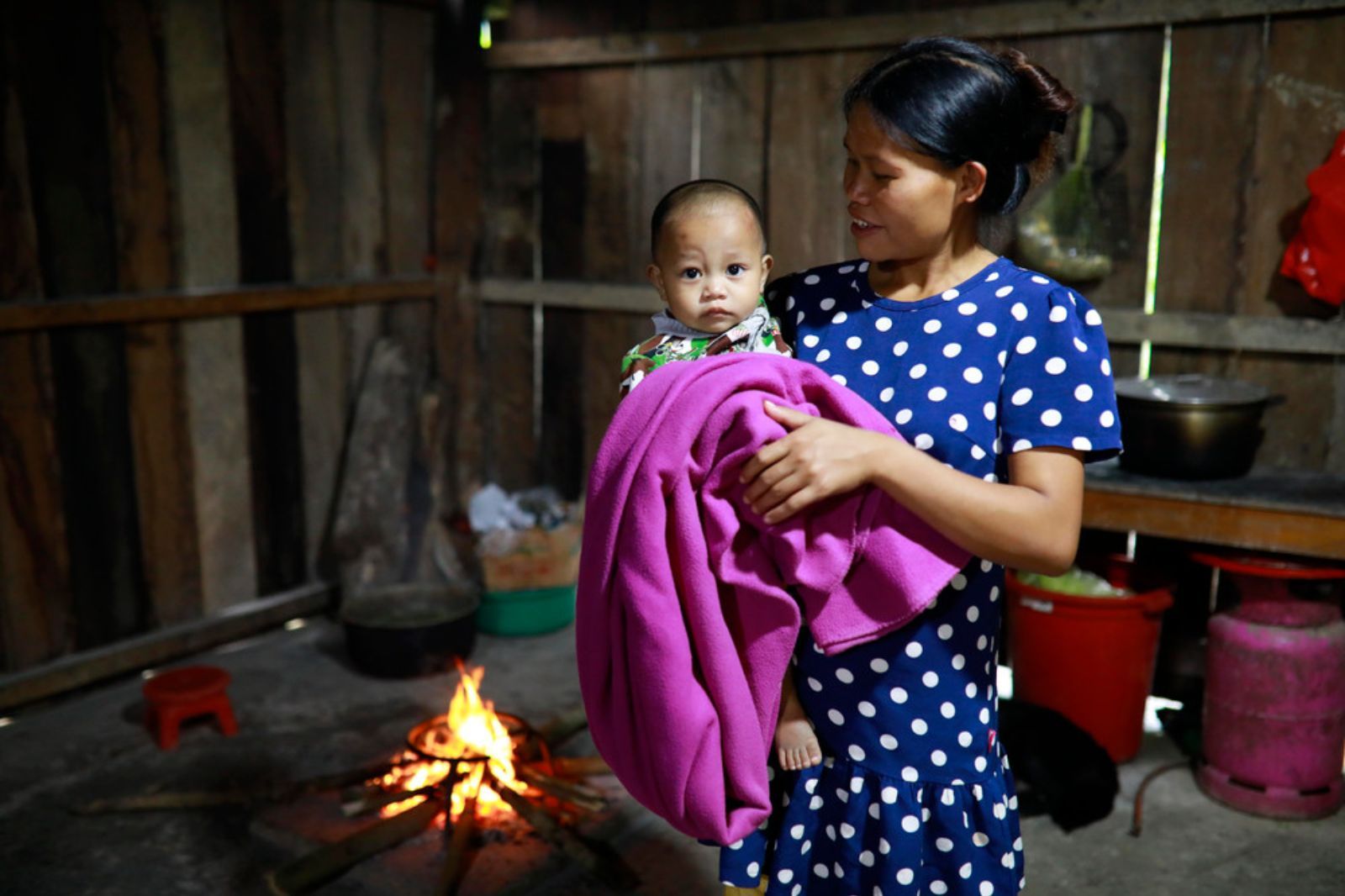
The Ruc people in Quang Binh
Photo: The Ruc people in Quang Binh

Taboos are not merely spiritual beliefs, but unwritten rules of daily life. They help people live in harmony with the green forests, the streams, and the invisible deities who they believe are always watching over and protecting them.
2. Cultural Taboos of Ethnic Minorities

The Bru-Van Kieu people have long believed that this world belongs not only to humans but also to spirits, forest ghosts, and stream ghosts—invisible yet powerful entities. Therefore, in their daily lives, they observe strict taboos to avoid offending ancestors and protective deities.  

They especially revere fire and the kitchen deity, regarding the hearth as the keeper of family warmth. On the day a bride moves to her husband's home, the groom's mother will guide her to the kitchen, carefully instructing her on domestic chores, because it is not just a place for cooking, but also where the family's peace and warmth are preserved. The new bride must follow the rule: she is only allowed to move between the kitchen and the couple's bedroom, strictly forbidden from stepping into the living room, which is reserved for guests.  

The Van Kieu people also abstain from mentioning the names of the deceased. Once a person passes away and is brought to the ghost forest, they consider all ties to the deceased severed. Mentioning their name, touching their belongings, or doing anything related is considered bad luck.  

The Chut people, especially the Ma Lieng, also have their own taboos. Whistling inside the house when guests are present is strictly forbidden. According to village elder Cao Dung, this action summons ghosts and shows disrespect to the "house spirits". Additionally, the Chut people are terrified of thunder and lightning, believing it to be the anger of deities signaling ill omens.  

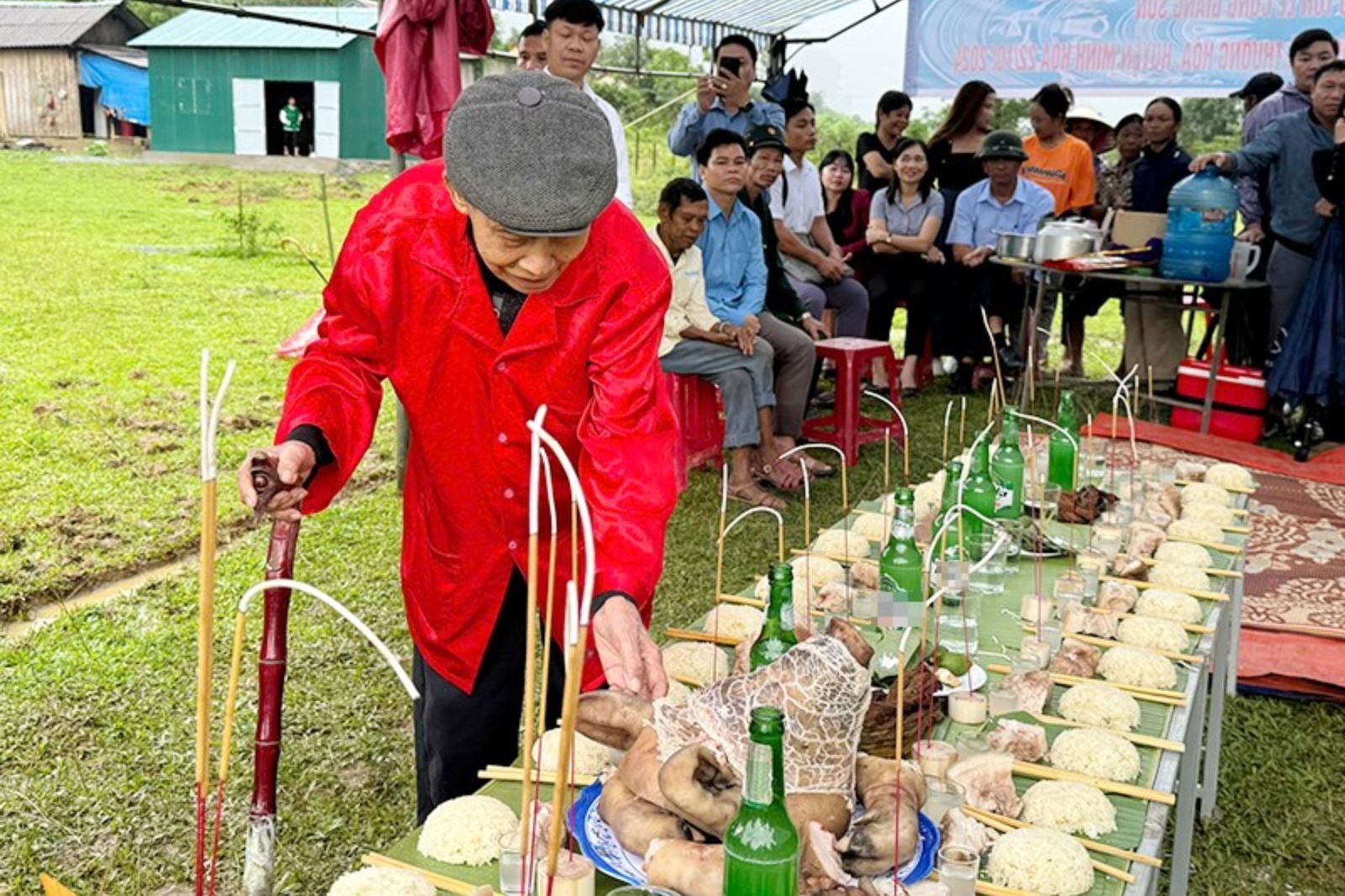
A ritual of the Chut people in Quang Binh
Photo: A ritual of the Chut people in Quang Binh

Some other important taboos: 

  • Nature: Do not enter sacred forests, hunt sacred animals, or exploit trees and water sources arbitrarily.  
  • Ancestors and spirituality: Do not touch the belongings of the deceased or mention their names for a certain period of time.  
  •  Village customs: The Chut people believe in the power of the village elder, and all rituals and harvest matters must be decided by him.  

These taboos are not merely beliefs, but a way for humans to coexist harmoniously with nature, the spiritual realm, and each other.

3. Cultural and Social Significance

Taboos are not simply social rules, but also the thread connecting humans with nature, ancestors, and the community. Each taboo carries a profound message: avoiding disturbing sacred forests is not only a spiritual belief but also helps protect the environment and preserve primeval forests, where locals believe spirits reside. Similarly, funeral rules are not merely superstitious avoidances, but express deep respect for the deceased, ensuring the living are not disturbed by the afterlife.  

The system of taboos among ethnic minority groups in Quang Binh reflects a deeply humanistic worldview, where humans respect nature, ancestors, and community harmony. These customs have been passed down from generation to generation, helping preserve a distinct cultural identity amid the changes of time.  

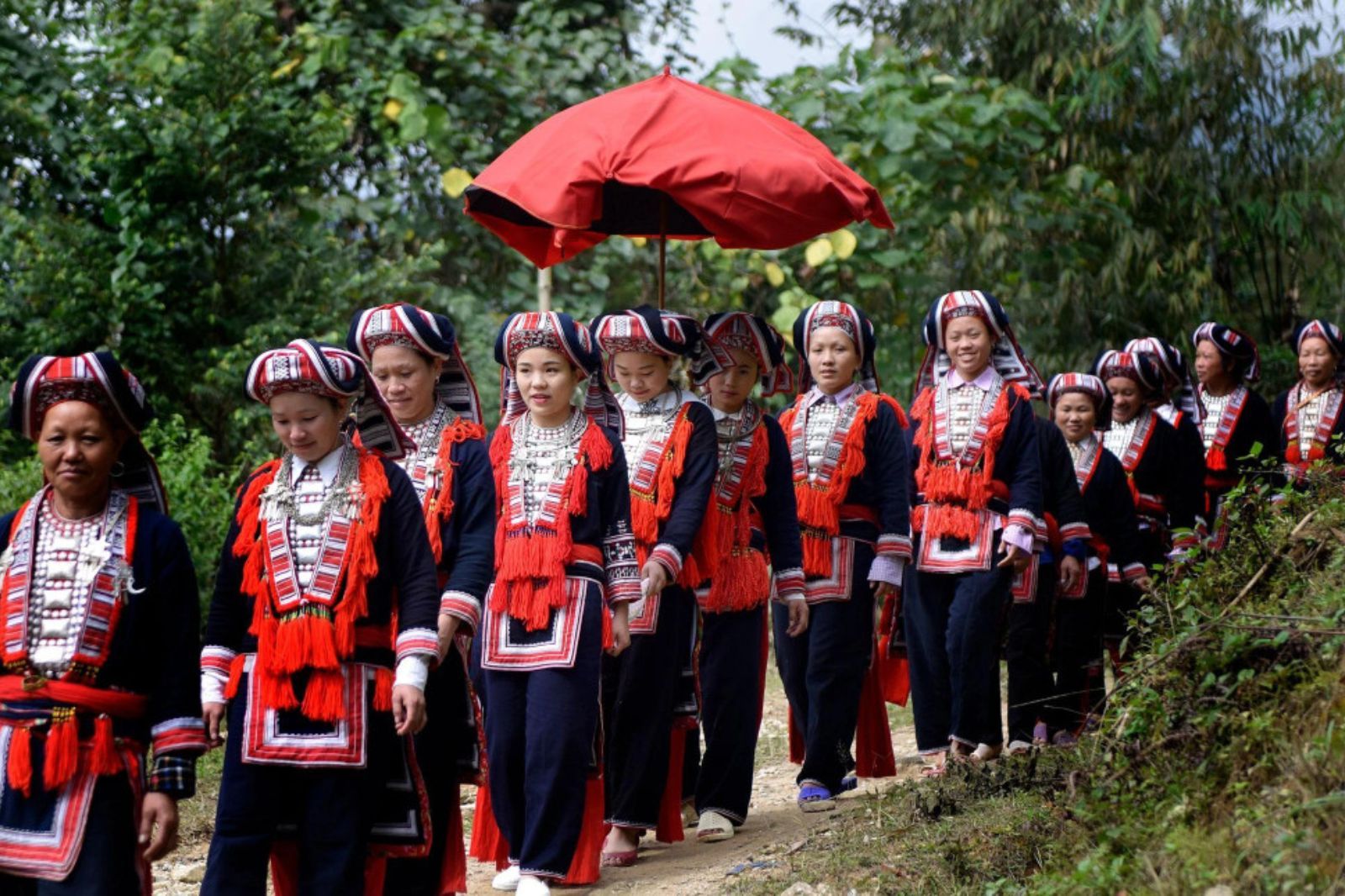
Respecting the culture of ethnic minority groups
Photo: Respecting the culture of ethnic minority groups 

To gain a deeper understanding of these beliefs, serious research by ethnologists and insights shared directly by indigenous communities are essential. And when visiting these lands, tread lightly, learn about local customs beforehand, or join Quang Binh tours to have tour guides share more detailed insights. Showing cultural respect not only helps you avoid regrettable misunderstandings, but also opens a door to experiencing the land and its people much more deeply.

Loading......

Featured destinations