Good preparation is the key to a smooth journey and saving significant energy.
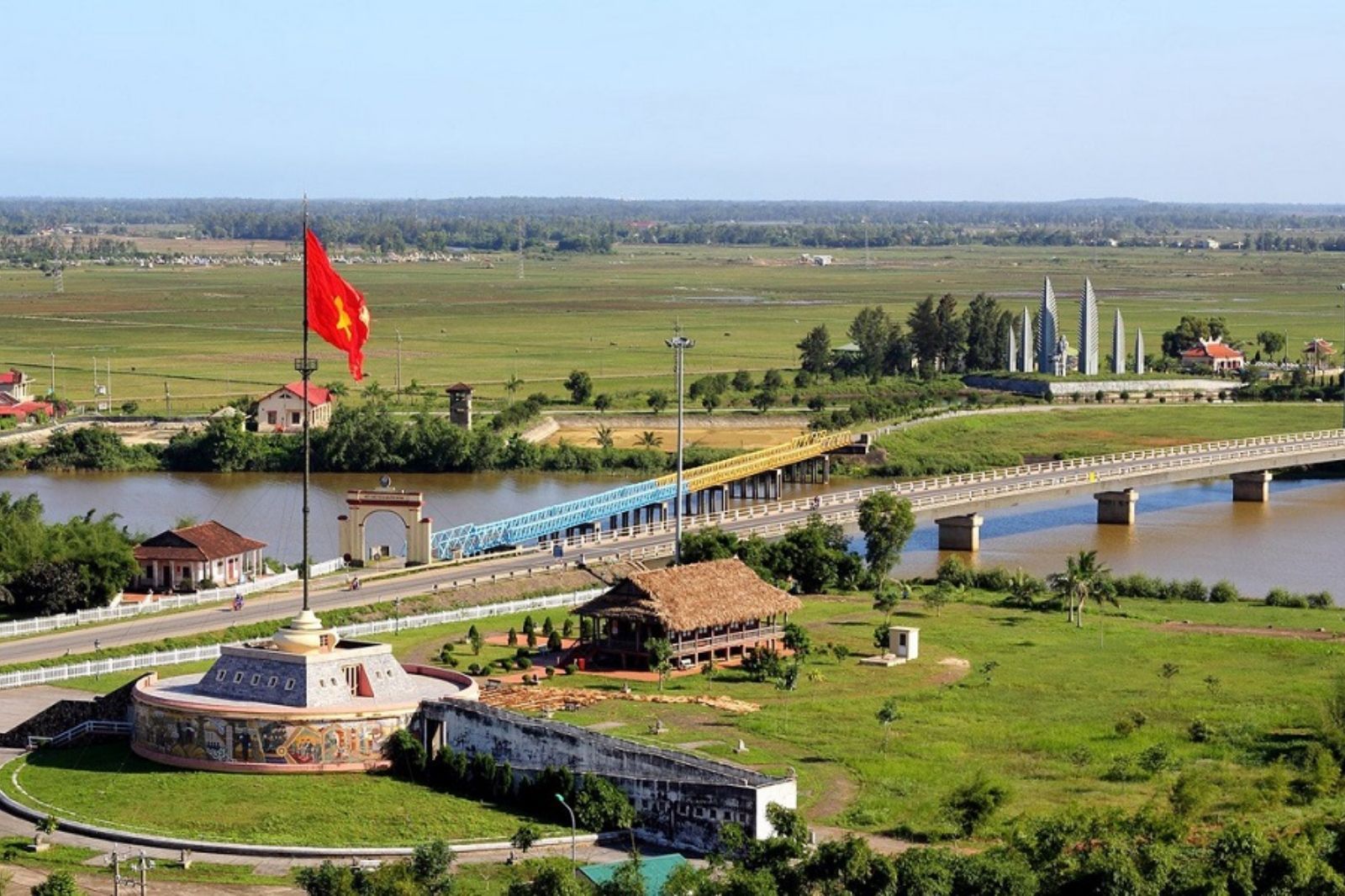
Smart route planning: This is the first and most important step.
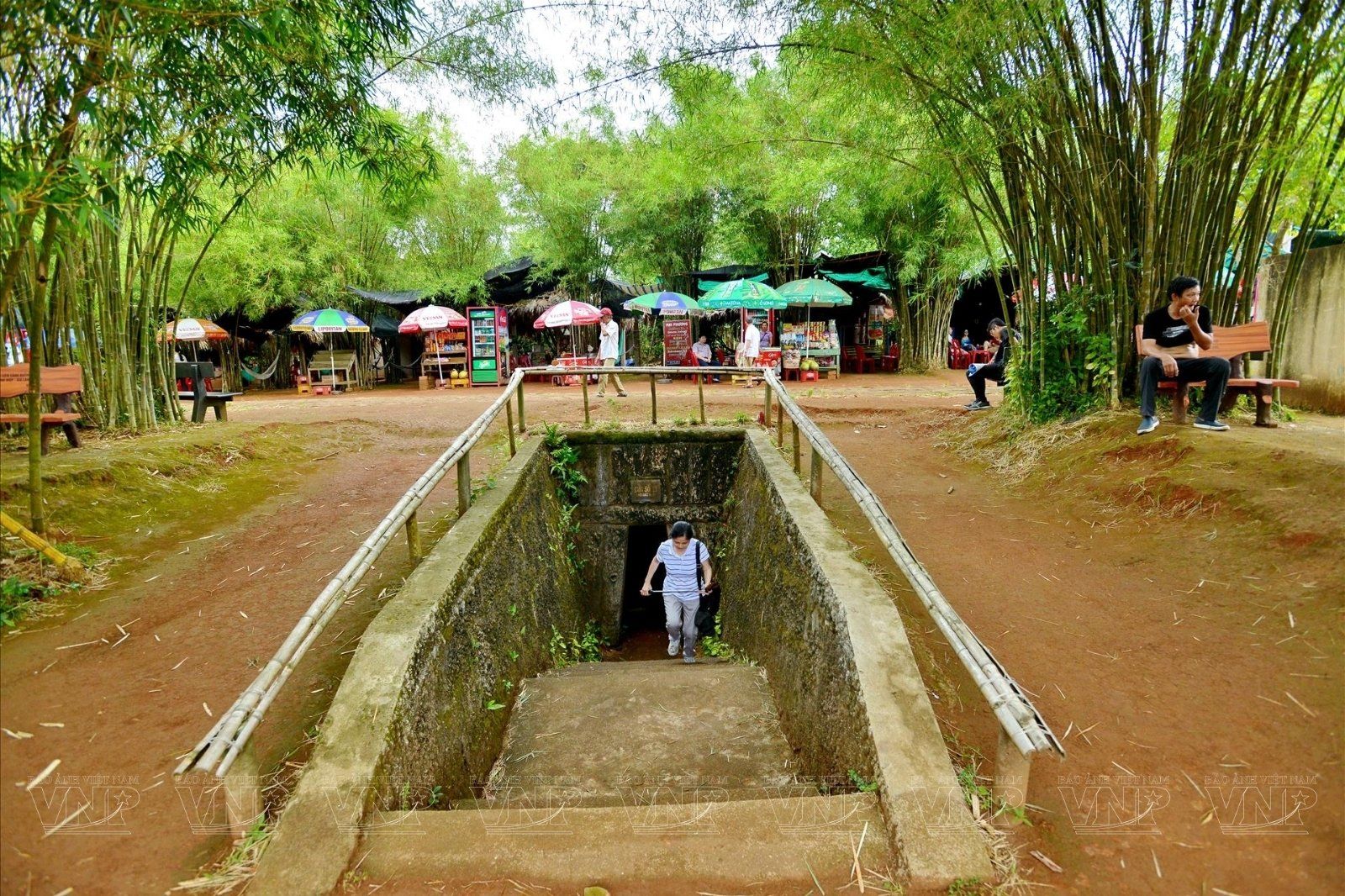
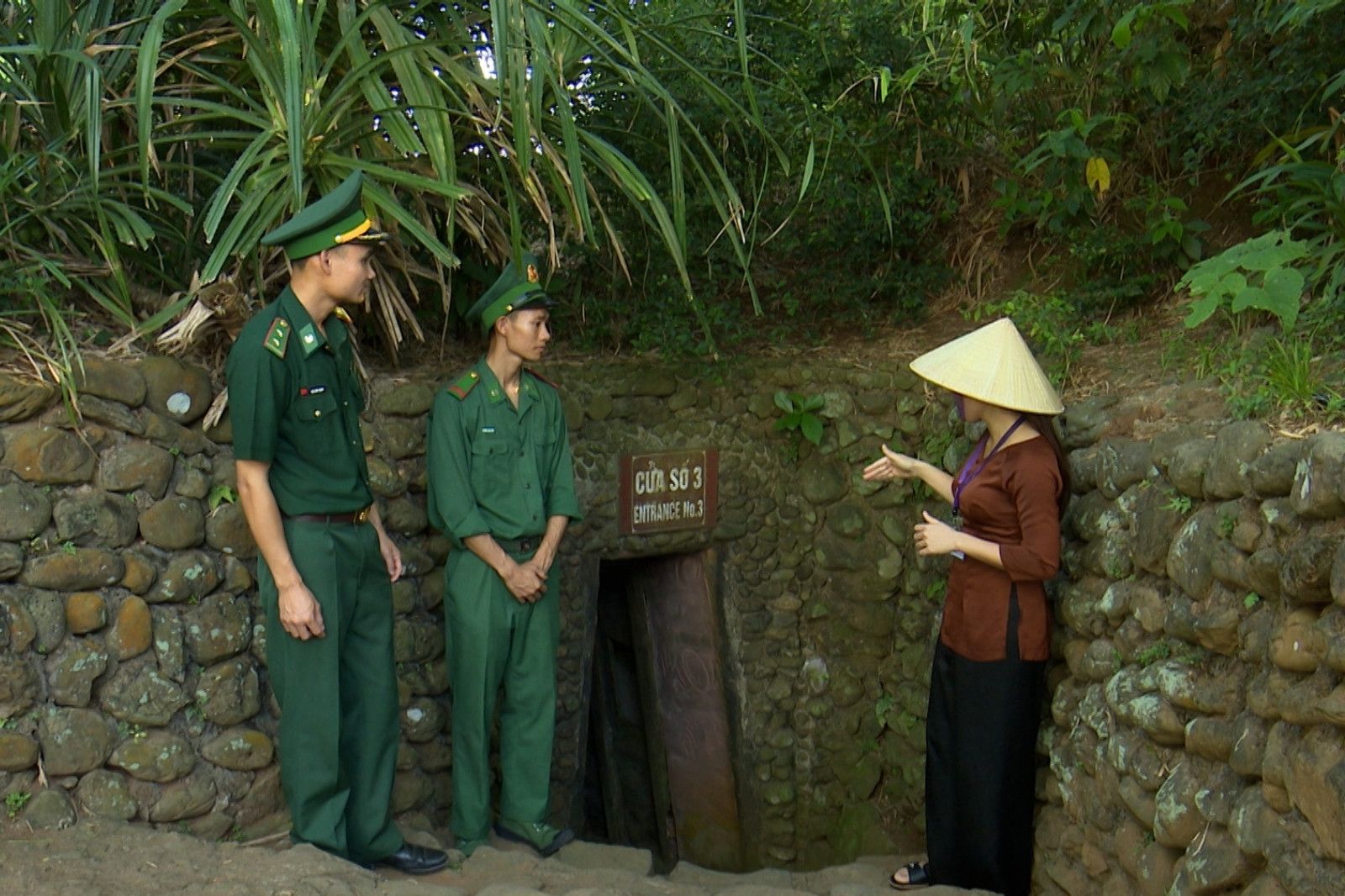
- Thoroughly research destinations: Take time to learn about the location, scale, and estimated visiting time of each site. For example, a large museum might take half a day, while a small monument only requires 1-2 hours. This helps you clearly visualize the amount of travel and time needed.
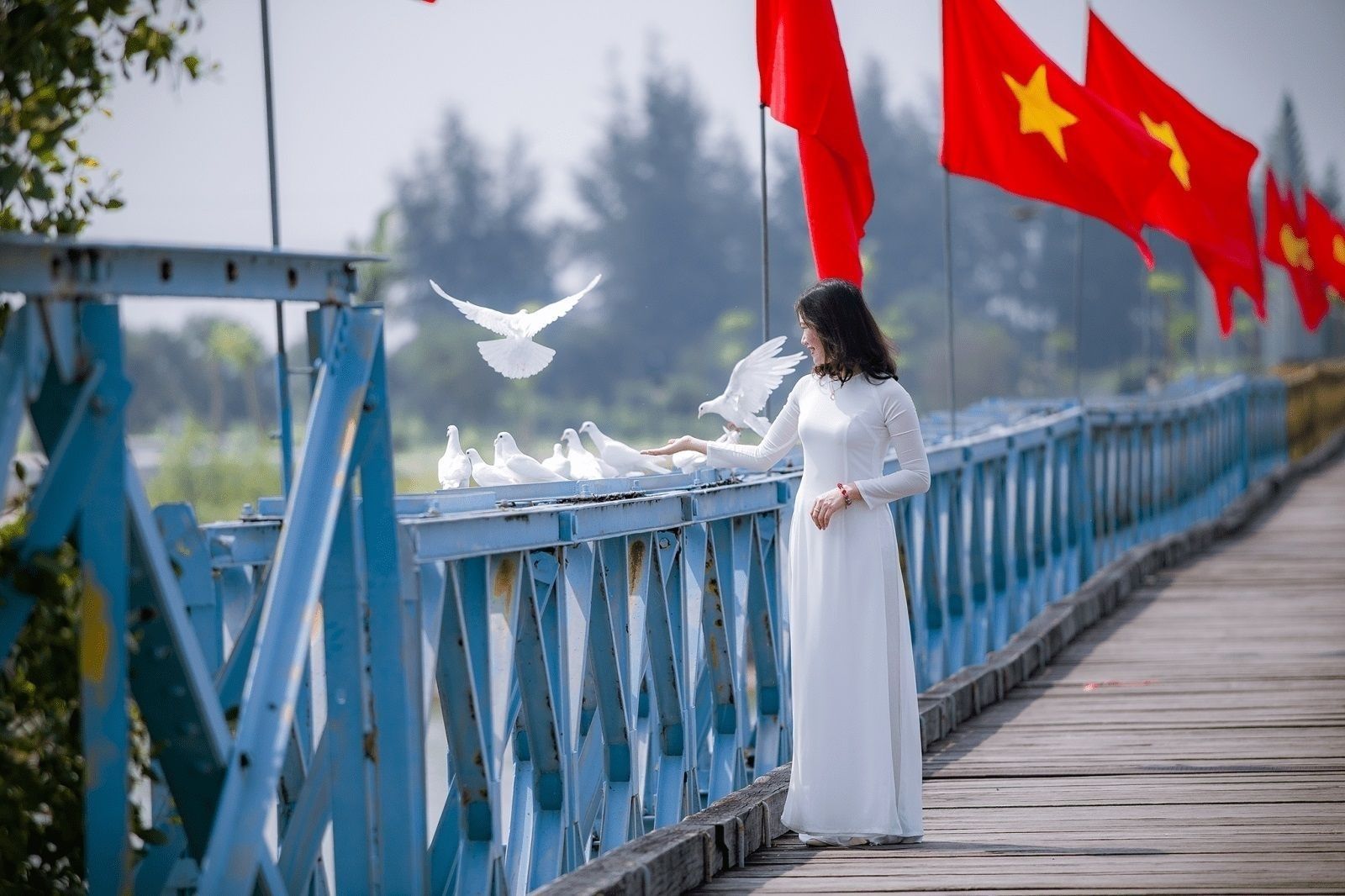
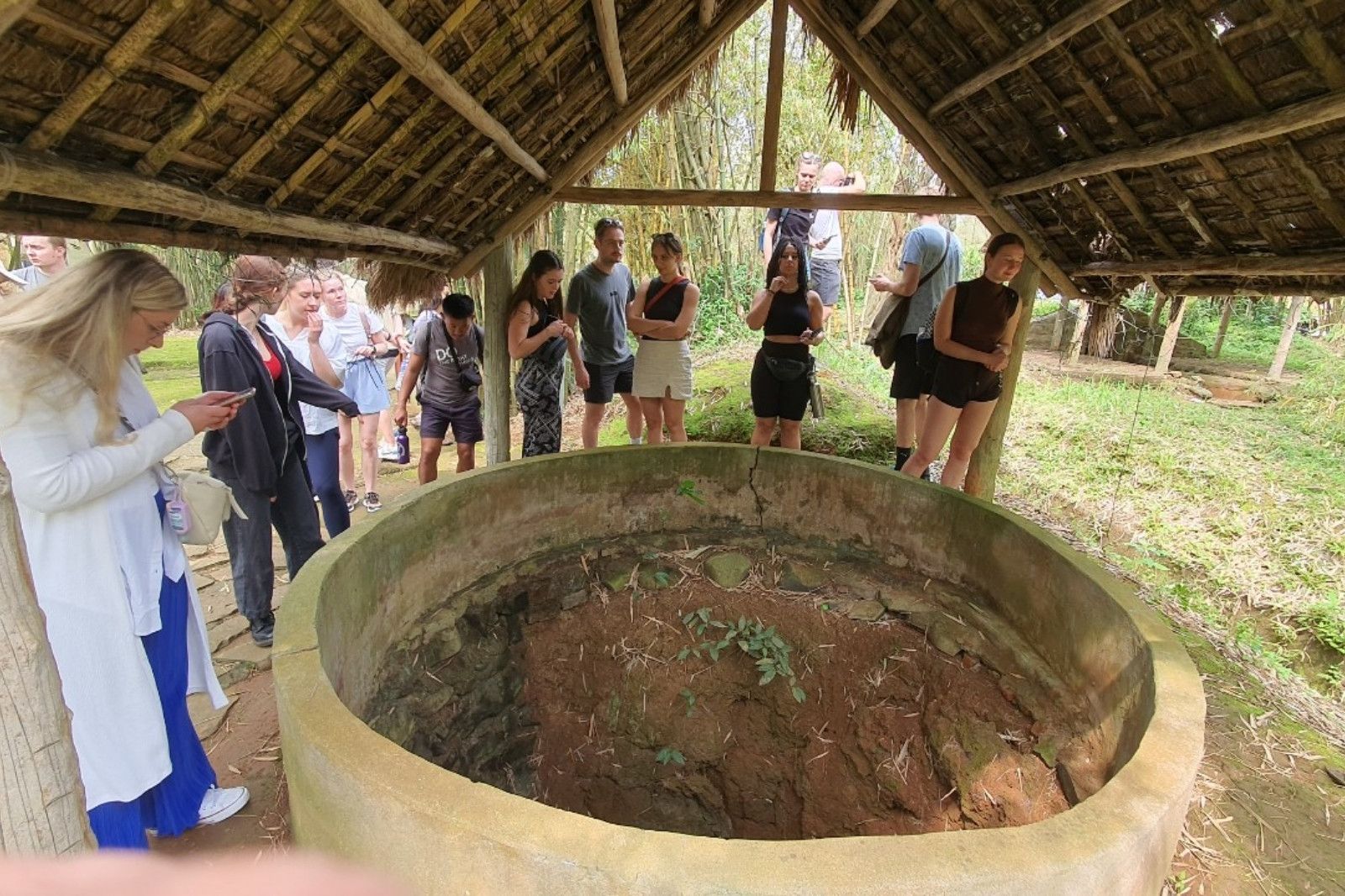
- Arrange a logical visiting order: Prioritize close-by attractions to optimize travel time. You should also alternate sites requiring a lot of walking (like an expansive historical complex) with spots where you can sit and rest (like an exhibition hall) or those with internal transportation.
- Calculate travel time between sites: Don't forget to factor in travel time between locations into your itinerary. This ensures you have enough time to rest and eat without feeling overly rushed.
Check weather forecasts: Weather is a key factor affecting your health and comfort.
- Prepare suitable clothing: If it's hot and sunny, choose breathable, sweat-wicking clothes. Conversely, if rain or cold weather is forecasted, don't forget to bring a jacket, umbrella, or raincoat.
- Bring sun/rain protection accessories: Wide-brimmed hats, sunglasses, and sunscreen are indispensable companions in harsh sunlight.
Prepare essential personal items: Light but complete luggage will help you stay proactive in any situation.
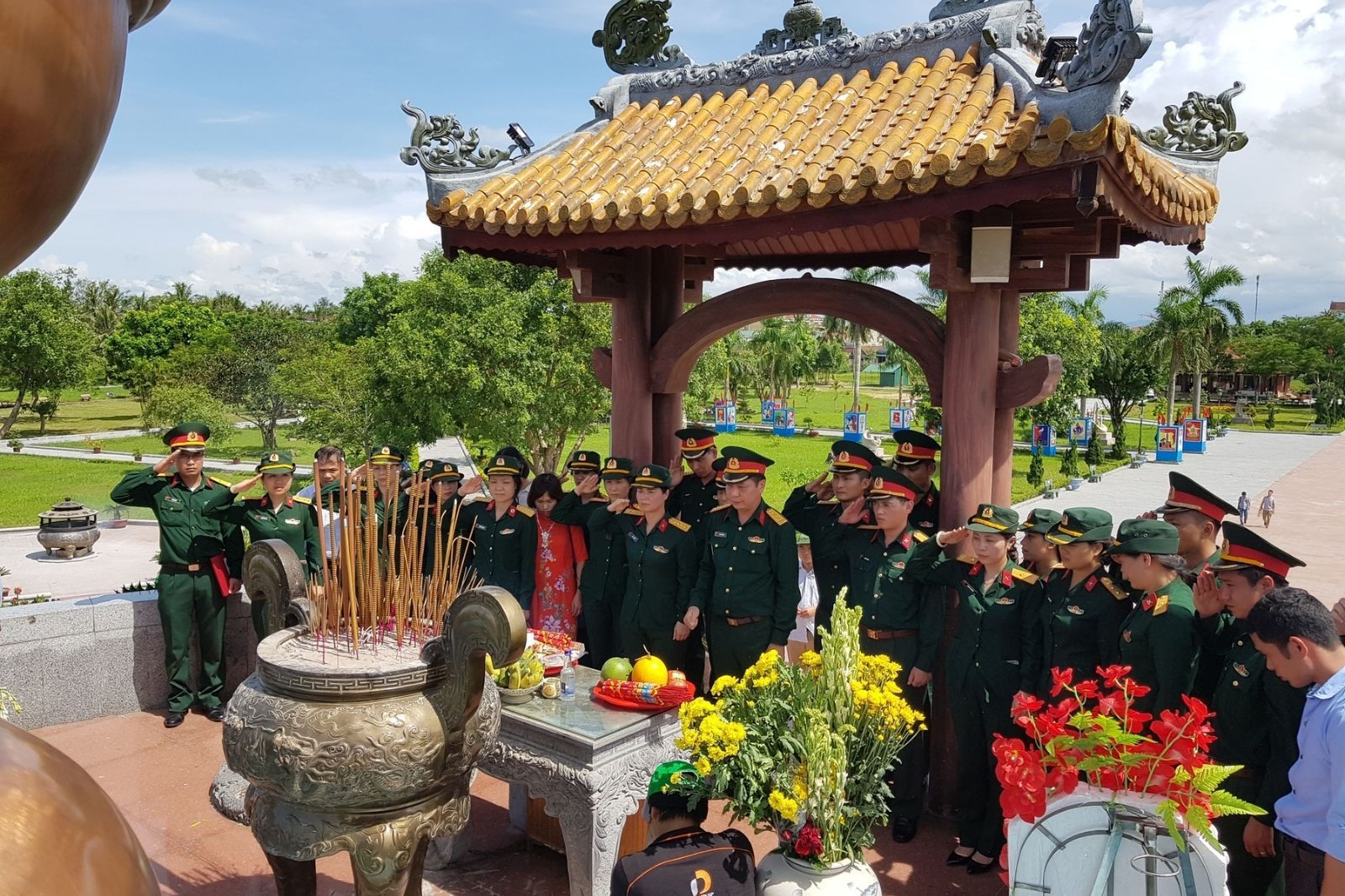
- Comfortable footwear: This is the single most important factor! Prioritize soft, well-fitting sneakers or flats that you are used to wearing. Absolutely avoid new shoes or high heels, as they can cause blisters, foot pain, and significantly reduce your mobility.
- Suitable clothing: Choose loose-fitting clothes made from cotton or athletic fabrics with good sweat absorption. Bring at least one extra set of clothes to change if needed.
- Personal medical kit: Always prepare a small pouch with essential medications (if you have underlying conditions), adhesive bandages, antiseptics, medicated oil, and muscle pain relievers. They will be very useful in minor emergencies.
- Power bank and batteries: Make sure your phone, camera, and other electronic devices are fully charged so you don't miss any moments and can stay connected when needed.
In summary, thorough preparation is the golden key to a complete and fatigue-free historical exploration trip. From smart route planning and checking the weather to packing essential personal items, every small step contributes to conserving your energy and fully enjoying the journey.