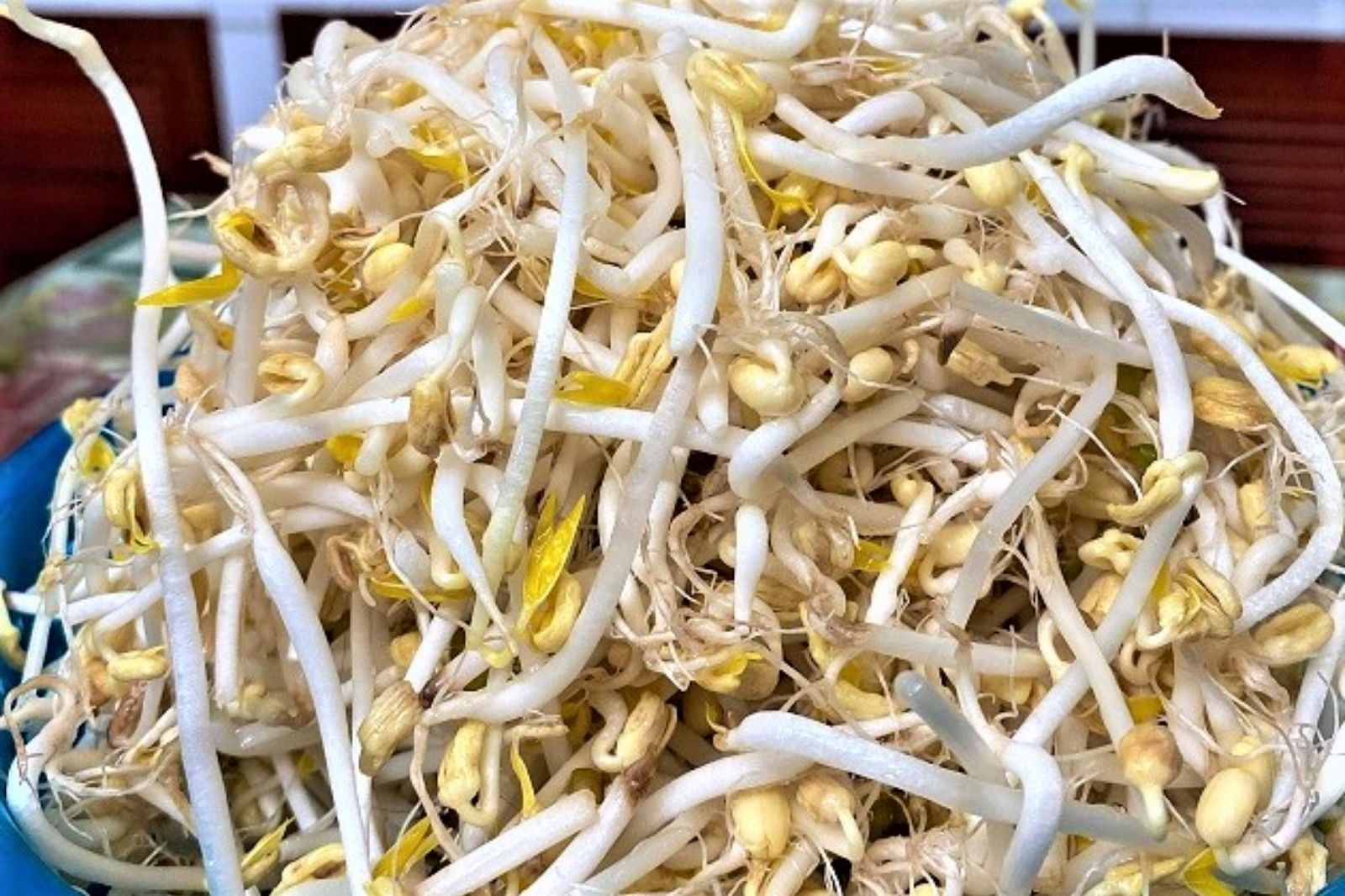
Traditional bean sprout making craft in Lam Thuy - Quang Tri

Central

Quang Tri

Sovaba.travel

Updated at: 02/10/2026

1. History of Lam Thuy bean sprout making

The bean sprout making craft in Lam Thuy originated over 200 years ago and has been preserved and passed down through generations as an important part of the cultural and culinary life of the local people. From folk experience, locals early on recognized the nutritional value of mung beans when sprouted, creating a familiar dish that often appears on holidays, death anniversaries, and weddings.

Initially, the craft was purely self-sufficient within families and the village. However, over time, bean sprout making gradually developed into a stable source of income, contributing to improving the lives of many households. In 2014, the People's Committee of Quang Tri Province officially recognized it as a traditional craft. In the same year, the Lam Thuy Bean Sprout Craft Cooperative was established with about 25 participating households, creating jobs for over 50 workers, including around 12 regular workers. This model not only links production to ensure a stable output, but also aims at safe, environmentally friendly production.

Located along the Vinh Dinh River, Lam Thuy possesses clean water from drilled wells along with favorable climatic conditions, creating an ideal foundation to maintain and develop this unique traditional craft.
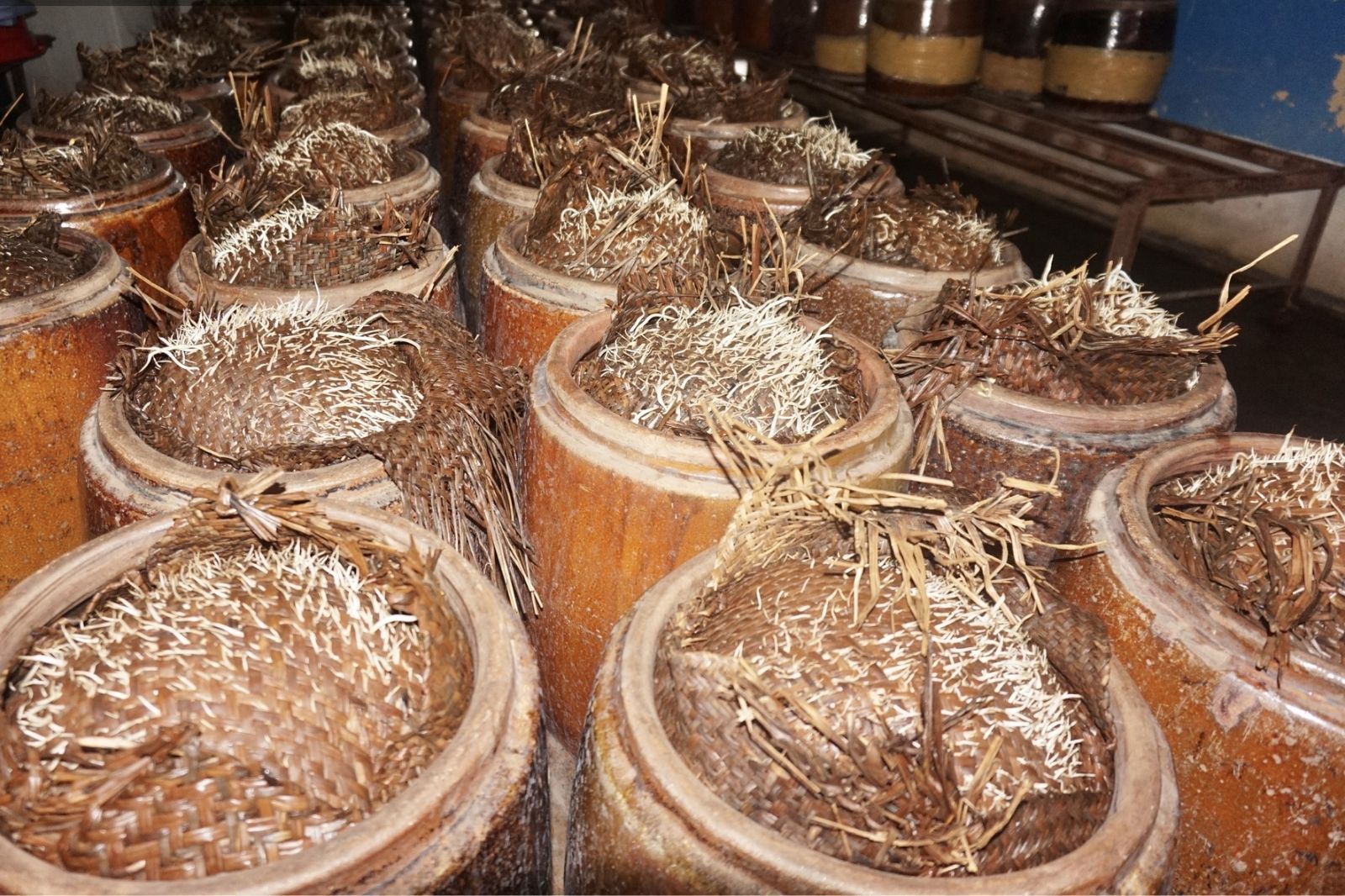
Bean sprouts being incubated in porcelain jars
Photo: Bean sprouts being incubated in porcelain jars 

2. Traditional bean sprout making process in Lam Thuy

The uniqueness of Lam Thuy bean sprouts lies in their completely manual production process, without using growth stimulants (such as 6-Benzylaminopurine often seen in some industrial models). As a result, the product always maintains its pure white color, natural crisp sweetness, and is especially safe for consumer health.

Step 1: Select high-quality mung beans

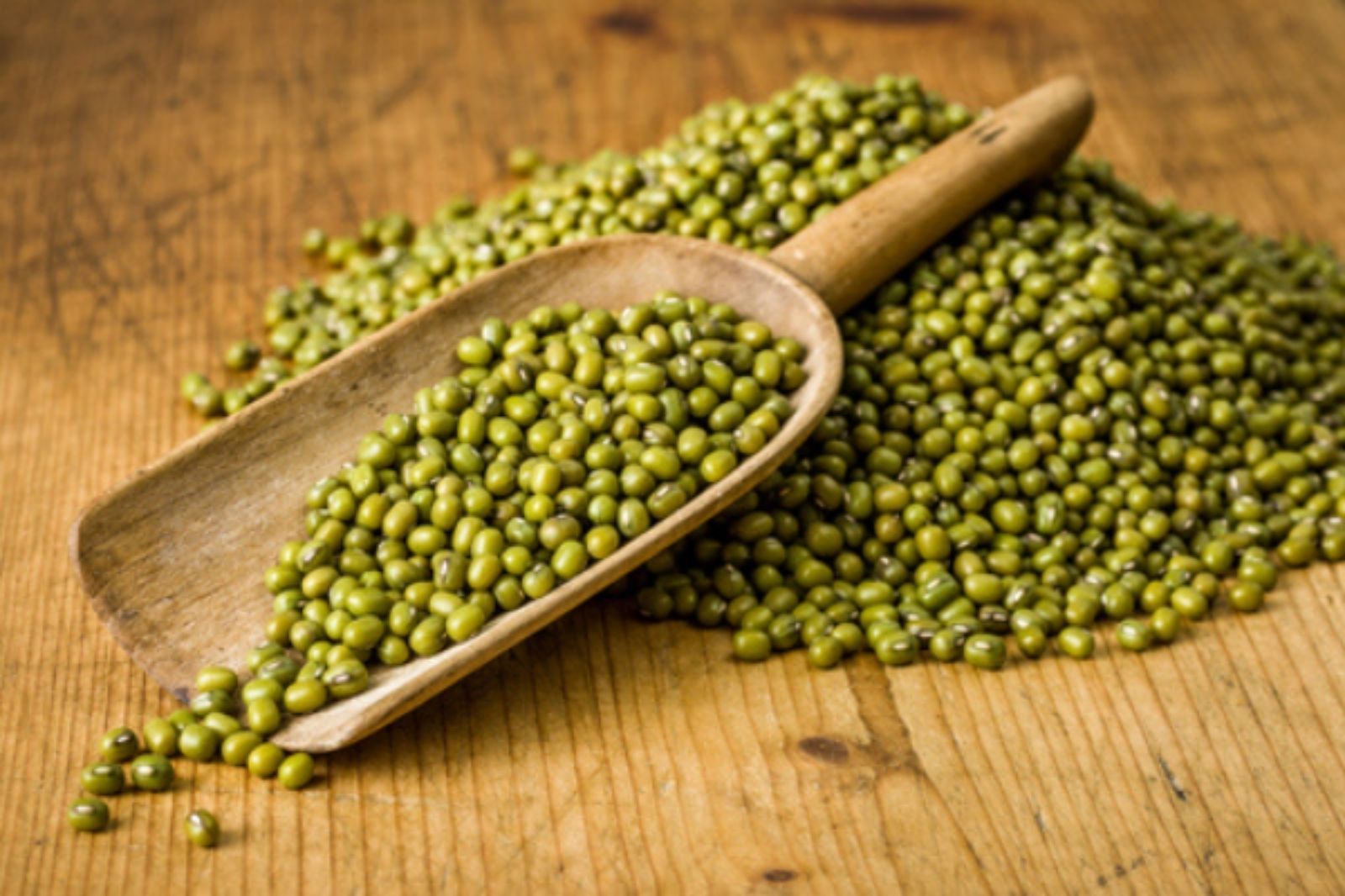
Locals prioritize selecting firm, uniform mung beans free from pests and mold. Beans are usually purchased from areas like Ba Long and Dakrong (Quang Tri), where soil conditions are suitable for aromatic and well-germinating seeds.

Step 2: Soak and incubate beans

Beans are soaked overnight in clean water so they expand evenly and begin to sprout. In the past, people used ceramic jars, combining sacks and straw to retain natural humidity and heat. Today, despite improvements using bamboo baskets or aluminum bins, the traditional incubation method with straw is still maintained to help the sprouts grow evenly and minimize black rotting.

Carefully selected mung beans
Photo: Carefully selected mung beans

Step 3: Water regularly

The sprouts are watered with clean well water twice a day, in the morning and afternoon. Gentle watering helps the seeds "breathe" properly, avoiding waterlogging. On average, after 3–4 days, the sprouts reach the standard length and quality for harvest.

Step 4: Harvest and distribute

Bean sprouts are harvested manually, washed, and packaged immediately to ensure freshness. The products are delivered to local markets such as Quang Tri and Dien Sanh, as well as restaurants inside and outside the province.

Each year, Lam Thuy craft village supplies about 100–120 tons of bean sprouts, using 15–20 tons of raw mung beans. The final product features white stems, distinct roots, natural crisp sweetness, and retains the characteristic flavor of the traditional craft village.

Bean sprouts harvested after 3-4 days
Photo: Bean sprouts harvested after 3-4 days 

3. How to enjoy and buy Lam Thuy bean sprouts

With its fresh, naturally crisp and sweet taste, Lam Thuy bean sprouts are not only a familiar ingredient in daily meals but also contribute to creating many appealing, flavorful rustic dishes. In local cuisine, Lam Thuy bean sprouts are often prepared into various delicious dishes such as refreshing bean sprout salad with shrimp and pork, flavorful garlic-stir-fried sprouts or sprouts stir-fried with chicken offal, enticing spicy and sour bean sprout hotpot, or simply eaten raw with dipping sauce thanks to the high cleanliness and safety of the traditional product.

Visitors and consumers can easily buy Lam Thuy bean sprouts at local markets in Quang Tri or contact the Lam Thuy Bean Sprout Production Cooperative directly to ensure quality supply. When choosing, priority should be given to batches of sprouts with natural white color, crisp stems, distinct roots, and a mild aroma, while avoiding unnaturally white products or those showing no signs of natural growth. By maintaining traditional production processes and consistent quality, Lam Thuy bean sprouts are increasingly trusted by consumers and have become a representative clean agricultural specialty of Quang Tri.

Today, the people of Lam Thuy still maintain the traditional way of making bean sprouts
Photo: Today, the people of Lam Thuy still maintain the traditional way of making bean sprouts 

In an era where everything is "automated," the people of Lam Thuy still hold onto the handmade way of making bean sprouts—slowly but surely. Not because they don't know what modern technology is, but because they believe: things made cleanly by hand, nurtured by well water, and served from the heart will never go out of style. Lam Thuy bean sprout making isn't heavily advertised nor prominent on tourist maps, but if you visit once, sit beside a basket of newly sprouted beans, and listen to the locals talk about their craft, you will realize: value doesn't lie in scale, but in the steadfast devotion to preserving a craft as if holding a piece of their homeland within.

Loading......

Featured destinations