Unique Tu Lan Ecosystem: Discovering the Mysterious Underground World of Quang Binh
Central
Quang Binh
Sovaba.travel
Updated at: 24/09/2026
1. Overview of the ecosystem in the Tu Lan Cave area
The Tu Lan Cave System is located in Tan Hoa Commune, Minh Hoa District, Quang Binh Province, and is considered one of the most pristine and least impacted cave areas in Vietnam. Surrounded by tropical rainforests and limestone mountains hundreds of millions of years old, Tu Lan possesses a diverse and unique ecosystem, serving as a convergence of primeval nature and magical underground rivers.
The ecosystem here is a perfect combination of topographical, climatic, and biological factors. Deep limestone caves, stalactites of diverse shapes, along with crystal-clear underground streams winding through every corner, create an isolated ecological world little affected by human presence. Thanks to a stable inside temperature ranging from 20–25 degrees Celsius, high year-round humidity, and near-total absence of light, many endemic species have evolved to adapt, forming a truly special ecosystem in the dark.
Outside the cave, a lush green flora covers the landscape with forest trees, ferns, lichens, and rare wild orchids. This forest canopy is not only a habitat for wildlife but also plays a vital role in protecting water sources, regulating climate, and preventing soil erosion.
Tu Lan Cave is not just a geological wonder but also a "home" to a unique ecosystem, holding immense potential for science and sustainable ecotourism.
2. Unique plant ecosystem in Tu Lan Cave
The plant ecosystem in the Tu Lan Cave area features unique characteristics, reflecting remarkable adaptation to the harsh living environments inside the caves and surrounding areas.
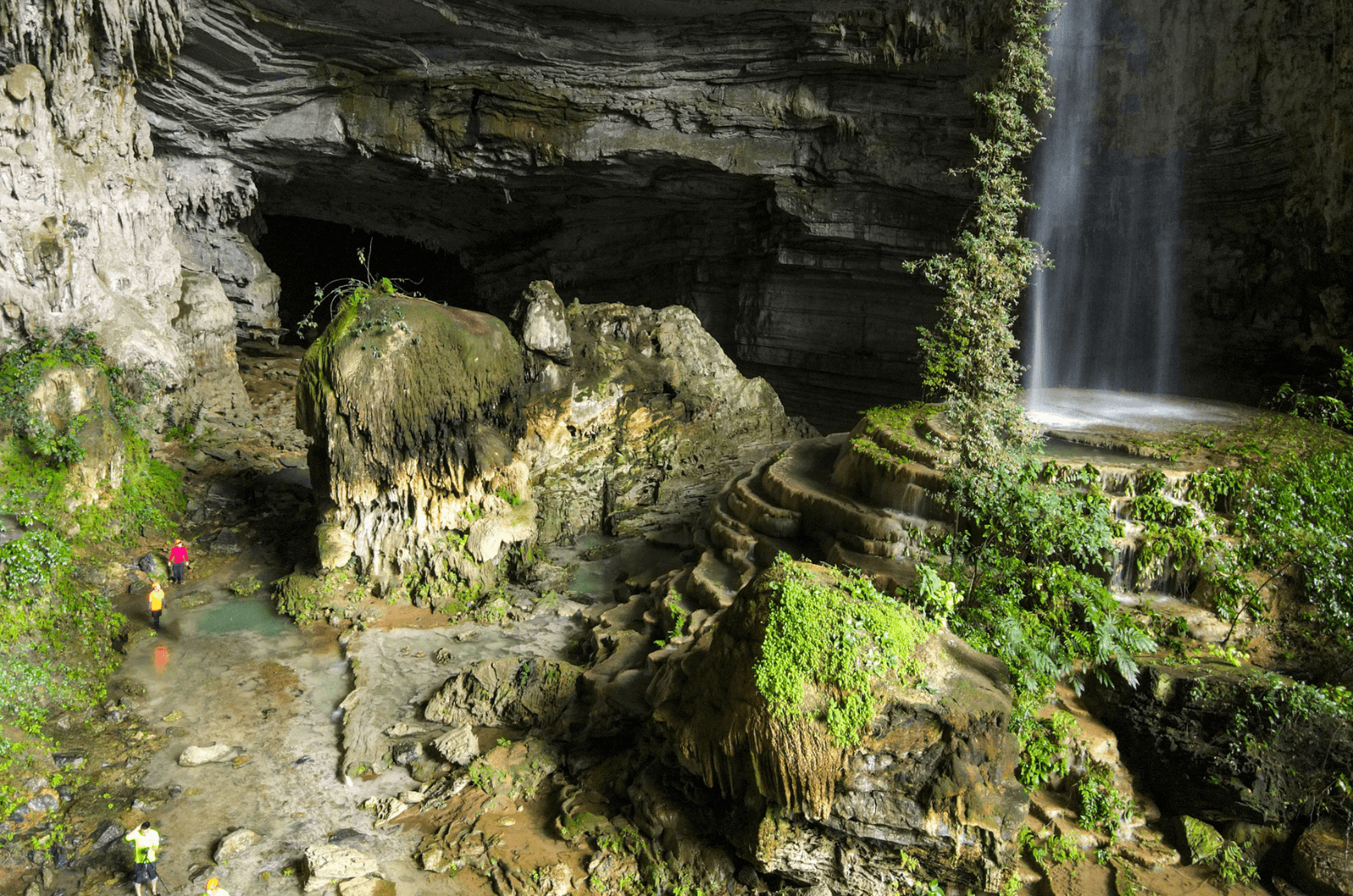
On the surface, evergreen forest vegetation covers the limestone mountain ranges, comprising tall timber trees, lianas, ancient ferns, and native broad-leaved trees. Many rare wild orchid species such as jewel orchids and lady's slipper orchids are also found in humid, shady areas along streams or on steep cliffs. The vegetation layers are diversely distributed from high canopy and mid-story levels to grass carpets and moss-lichens at ground level, creating a typical multi-layered ecosystem.
Photo: Plant ecosystem strongly adapting to harsh environments
In particular, within damp and dark caves, certain moss and lichen species have the ability to grow under low-light conditions, contributing to a distinct ecological environment inside the cave. These species not only enhance the aesthetic value of the landscape but also play an important role in the food chain and natural air filtration system.
The plant ecosystem in the Tu Lan Cave area demonstrates strong adaptation to harsh environments, with distribution concentrated in areas receiving light and moisture. Thorough research into species composition and their roles is vital to better understand the uniqueness of this ecosystem and implement effective conservation measures.
3. Unique animal ecosystem in the Tu Lan Cave area
The animal ecosystem in the Tu Lan Cave area is a world filled with wonders and uniqueness, harboring species that have undergone special evolutionary processes to adapt to harsh underground habitats. The absence of light, high humidity, limited food sources, and specialized living space have created a rich yet highly sensitive fauna population.
In the forests surrounding Tu Lan Cave, visitors may encounter animals such as long-tailed macaques, civets, squirrels, rare forest birds, and vibrant swarms of butterflies during the breeding season. In particular, during late afternoons, the sounds of frogs and insects blend together to create a vivid "symphony of nature".
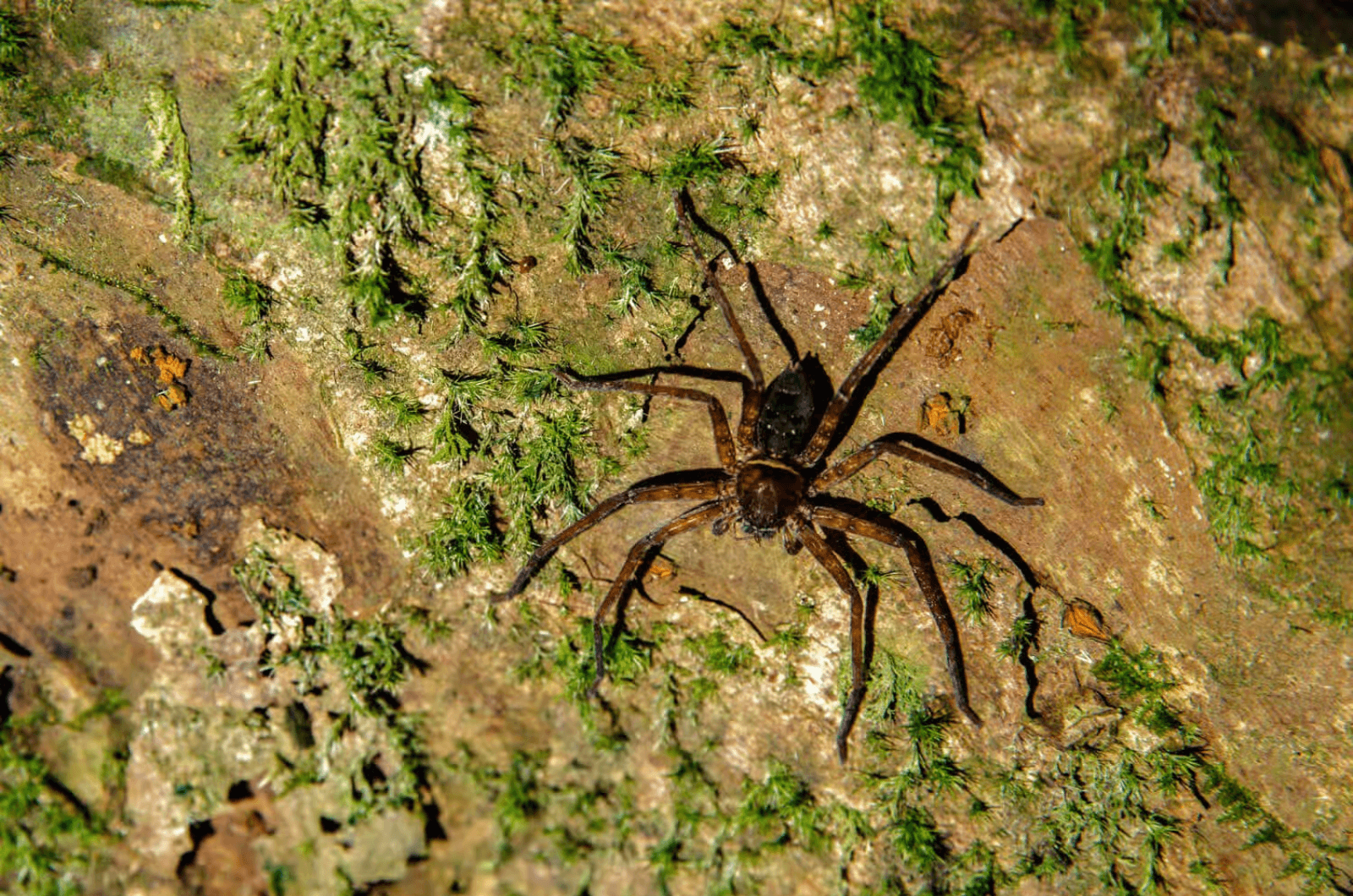
Inside the dark and damp caves, where sunlight cannot reach, lies the exclusive world of unique cave dwellers. Many species of blind fish, cave beetles, cave spiders, and bats have evolved to live in low-light environments, even losing their eyesight and developing echolocation or tactile senses for navigation. Notably, bats here play a crucial role in ecological balance and seed dispersal for the forest.
Photo: The animal ecosystem in Tu Lan is also remarkably rich
The presence of these animal species reflects the pristine and largely undisturbed condition of the Tu Lan ecosystem. However, they are also extremely sensitive to environmental changes and human intrusion; thus, strict conservation measures are required to preserve this precious biodiversity.
4. Conservation measures for the Tu Lan ecosystem
To conserve the unique ecosystem of the Tu Lan Cave area, a comprehensive system of measures needs to be implemented with close coordination among stakeholders.
Sustainable Tourism Management
Strict control of visitor numbers: Applying daily visitor quotas for each tour route to prevent overcrowding, which places pressure on the cave environment and organisms.
Strict regulations on visitor behavior
No littering, nor bringing unauthorized food and drinks into the cave.
Minimize noise to avoid disturbing animals, especially bats.
Strictly do not touch stalactites, stalagmites, and other natural structures.
Follow designated pathways, do not explore restricted areas on your own.
Do not use overly strong flashlights or shine light directly onto animals.
Community-based ecotourism development: Creating opportunities for local people to participate in tourism activities sustainably, enhancing conservation awareness through economic benefits.
Ecosystem Research and Monitoring
Conducting in-depth research
Surveys and inventories of flora and fauna species in the Tu Lan area, with special emphasis on endemic and rare species.
Research on the biology, behavior, and roles of species within the cave ecosystem.
Analysis of environmental factors (temperature, humidity, water quality, mineral composition) and their impact on the ecosystem.
Establishing a biodiversity monitoring system: Monitoring population fluctuations and species distribution over time to detect early signs of decline or threat.
Protecting Endemic and Rare Species
Developing specific conservation programs: Prioritizing the protection of endemic and highly endangered species.
Controlling threats: Preventing illegal hunting and exploitation of wild species in caves.
Habitat protection: Maintaining and restoring critical habitats for endemic species.
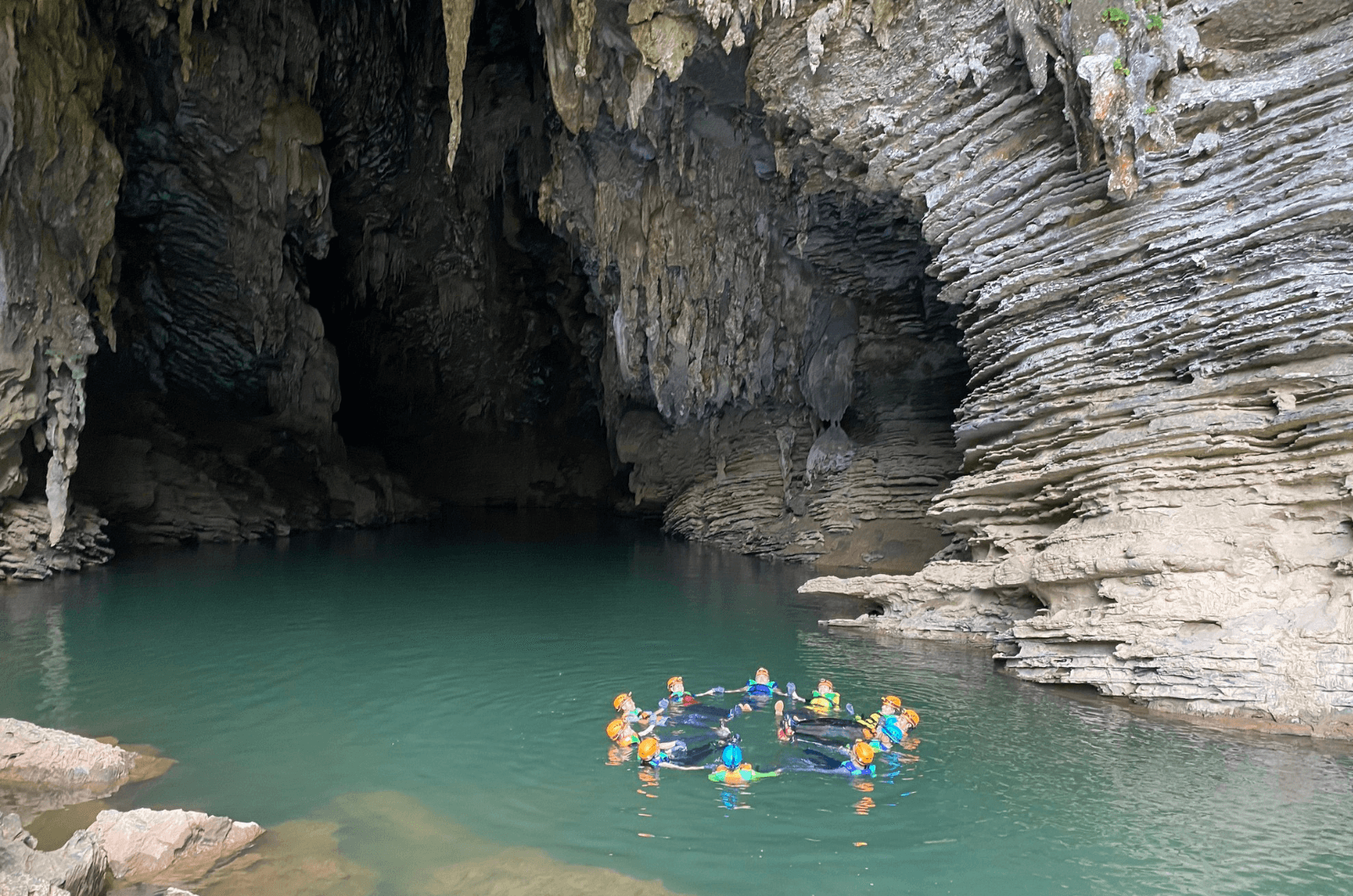
Synchronous and persistent implementation of the above measures is key to protecting the unique and precious ecosystem of Tu Lan Cave, ensuring that its natural beauty and scientific value are preserved for future generations.
Photo: Protecting this unique and precious ecosystem is also an important factor
The miraculous adaptation of flora and fauna in the harsh underground environment has created a unique ecosystem for Tu Lan. Exploring and appreciating this mysterious world not only yields invaluable scientific insights but also contributes to enriching Vietnam's biodiversity picture. However, the existence of this fragile ecosystem faces many challenges, requiring serious and persistent conservation efforts from all stakeholders.
Only through responsible tourism management, in-depth scientific research, protection of endemic species, and community involvement can we preserve this "precious gem" beneath the ground of Quang Binh for future generations. It is clear that Quang Binh always pleases travelers with majestic nature and many beautiful destinations. If you have the chance to visit, don't forget to check out Sovaba Travel's Quang Binh tours. We will take you on a discovery journey full of joy and memorable moments.