Visiting Hien Luong Forge Village in Hue: Keeping the Traditional Flame Alive for Over 500 Years

Central

Thua Thien Hue

Sovaba.travel

Updated at: 24/09/2026

1. The story of Hien Luong blacksmith village

Located along the north bank of the Bo River in Phong Hien Commune, Phong Dien District, Thua Thien Hue Province, Hien Luong Forge Village has a history dating back to the 15th century. Originally named Hoa Lang Village, it was one of the 59 ancient villages of Dan Dien District, Trieu Phong Prefecture, Thuan Hoa Realm, established in 1445 under the Le Dynasty. According to ancient documents such as O Chau Can Luc by Duong Van An, the village emerged from the need to produce labor tools and weapons, gradually becoming a renowned blacksmithing center throughout the Thuan Hoa region.

During the reign of the Nguyen Lords, Hien Luong's forging craft entered a prosperous era, supplying weapons to the royal court and making important contributions to the expansion of the nation's realm. Not only preserving the craft within the village, the blacksmiths here also carried their skills far and wide, leading to the birth of successor craft villages such as Bao Vinh forge (Hue) or Cau Vuc forge, carrying on the ancestral legacy. Experiencing over half a millennium, despite wars or fierce competition from modern machinery, Hien Luong has retained its traditional flame, becoming a precious intangible cultural heritage of Hue.
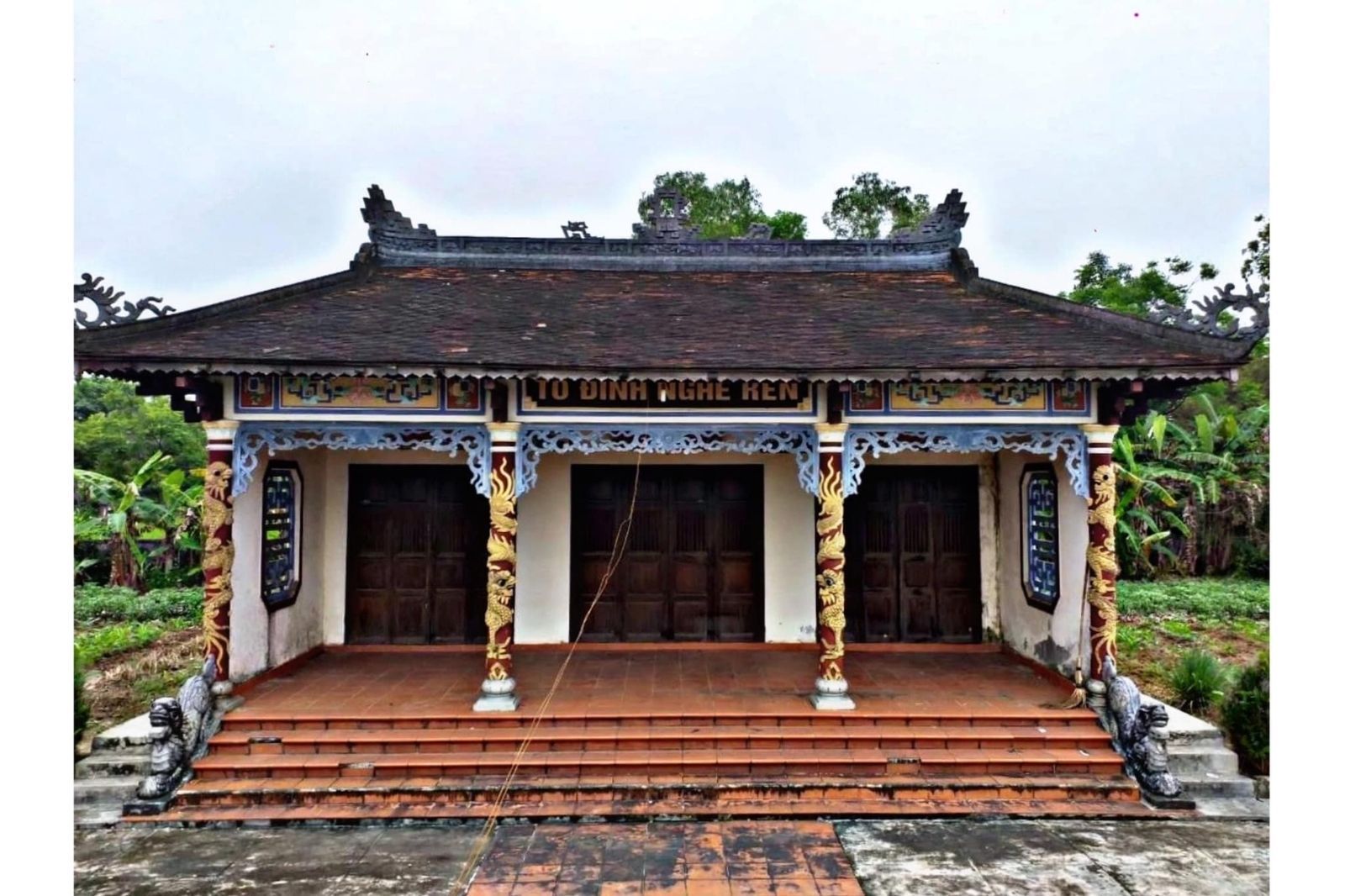
Ancestor Temple of Hien Luong Blacksmithing Craft
Photo: Ancestor Temple of Hien Luong Blacksmithing Craft

Today, although only a few dozen households remain dedicated to the forge, the sound of hammers striking iron in Hien Luong still echoes like a resilient song of labor, witnessing the vital strength of Vietnamese culture. In 2016, the village was recognized as a traditional craft village, affirming its special position in the heritage treasury of Hue.
2. Traditional blacksmithing process in Hien Luong

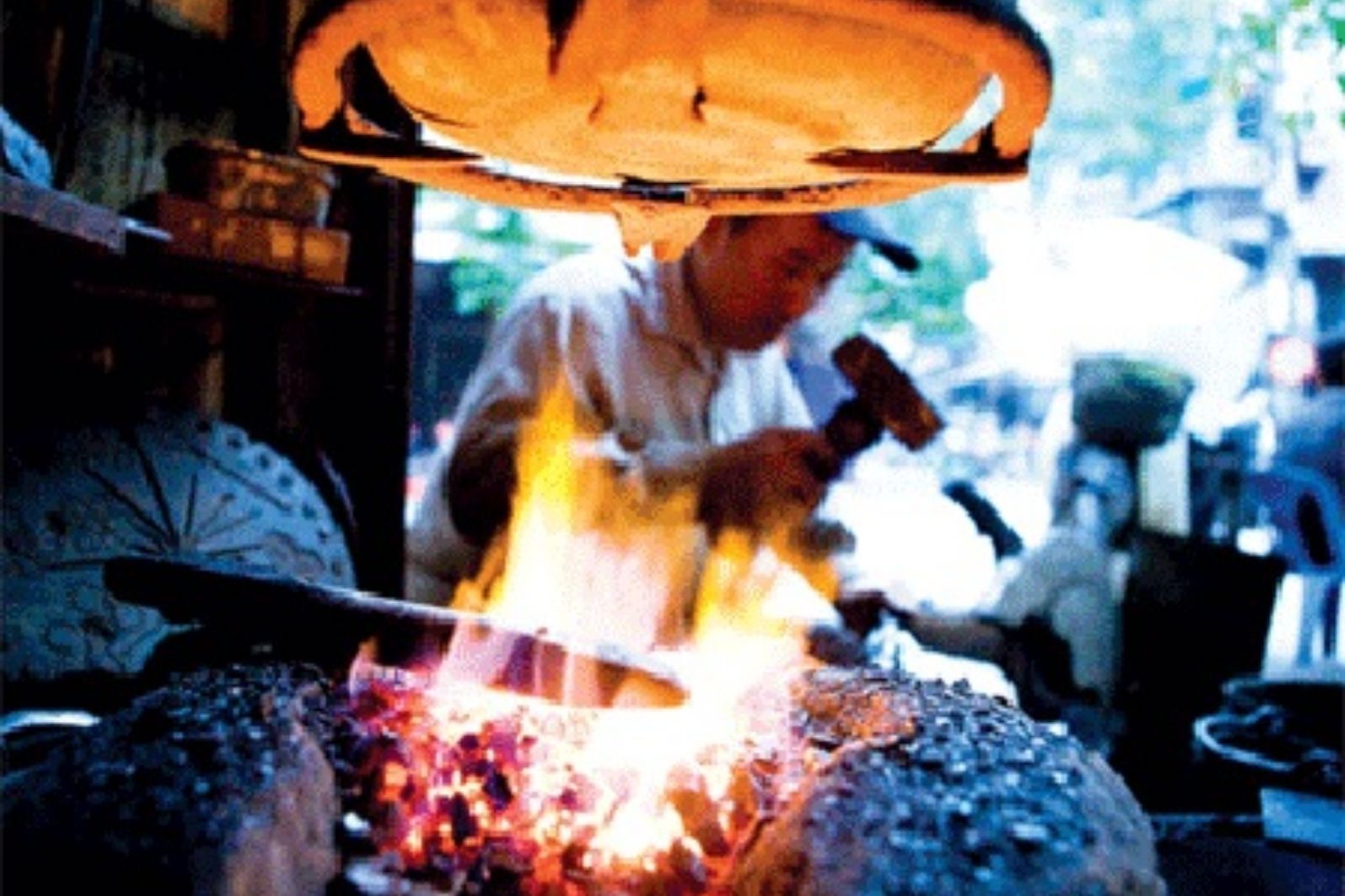
Hien Luong blacksmithing is not merely manual labor, but also an art of fire and iron, requiring patience, skill, and exquisite craftsmanship, preserved through many generations. To create a seemingly simple product like a knife or scissors, a craftsman must work diligently for 3 to 5 hours, going through many intricate stages.

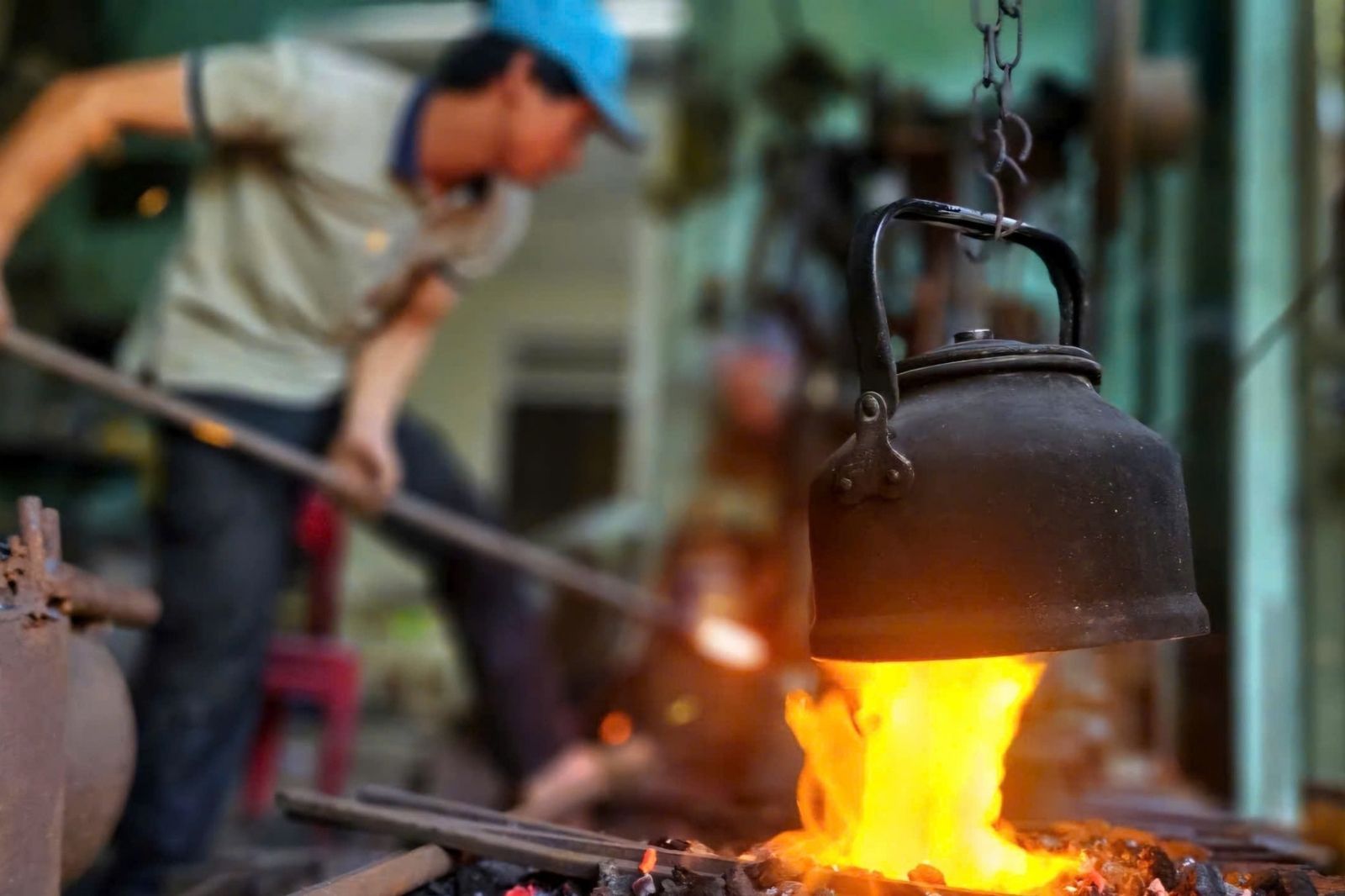
The main raw material—high-quality iron and steel—is first roughly cut into shape. Afterward, blacksmiths heat it to glowing red in a charcoal furnace at temperatures of 800–1000°C, then repeatedly strike it with a hammer to shape it and remove impurities. The loud, clanging sound of the hammer echoes, rhythmically blending with the flickering fire, creating a powerful symphony of human strength and the power of fire. Next comes the tempering stage: quenching the glowing hot metal in cold water to increase hardness, then heating and hammering again, repeating until the product reaches perfect durability and sharpness.

Hien Luong blacksmithing craft preserved and passed down through generations
Photo: Hien Luong blacksmithing craft preserved and passed down through generations 

Finishing the product involves manual stone grinding, attaching wooden or bamboo handles, and carefully inspecting every cutting edge. To become a true blacksmith, an apprentice must spend 3 to 5 years, starting simply by fanning the forge, observing, and step by step being 'initiated' under the strict guidance of a master. It is not only a process of learning a trade, but also a journey of cultivating perseverance and resilience, reflecting the Vietnamese philosophy of 'tempering': transforming raw iron into an exquisite product through fire and sweat.

Products from Hien Luong Forge Village are famous for their sharpness, durability, and practical design suitable for daily life. Main items include:

  • Knives and scissors: These are the 'specialties' of the village, featuring razor-sharp blades used for kitchen work, gardening, or harvesting pine resin. They are forged from high-grade steel, retaining sharpness for a long time and resisting rust easily.
  • Agricultural tools: Such as machetes, hoes, plowshares, and harrow blades—essential tools for Hue farmers that help increase labor productivity.
  • Household and craft tools: From fabric scissors to mechanical tools, all bear the mark of delicate craftsmanship.

Product prices range from 50,000 to 200,000 VND depending on the item, and these products are not only sold locally but also exported or supplied to other craft villages. The highlight is that every product undergoes strict inspection, ensuring superior quality compared to machine-made goods.

4. Tourist experiences when visiting Hien Luong blacksmith village

If you are looking for a cultural travel experience in Hue, Hien Luong Forge Village is an ideal destination, located about 20km north of the city center. Easy travel directions: From Hue, follow National Route 1A heading north, turn onto the provincial road along the Bo River to Phong Hien Commune. You can travel by motorbike, car, or join a local craft village tour.

Upon arrival, visit the Blacksmithing Ancestor Temple, which preserves historical relics and stories. Visitors can observe blacksmiths at work, try handling the hammer and furnace (under guidance), or purchase products as souvenirs. The ideal time to visit is early morning or late afternoon to avoid the heat, and combine it with a visit to the Bo River, enjoying local cuisine such as snakehead fish noodle soup (banh canh ca loc) or Hue sweet soup (che Hue).

Note: Please respect the blacksmiths' workspace, and wear comfortable clothing as the area can get hot. Craft village tourism not only helps you relax but also contributes to supporting the local economy and promoting heritage conservation.

Visitors can observe locals in the village to learn more about the traditional blacksmithing craft
Photo: Visitors can observe locals in the village to learn more about the traditional blacksmithing craft 

Over half a millennium has passed, and Hien Luong Forge Village continues to persistently keep the craft's fire alive, so that each hammer blow and glowing spark not only creates tools of labor, but also lights up pride in the spirit of labor and the cultural identity of Hue. Coming here, visitors can not only admire traditional forging techniques, but also listen to stories about the resilience and endurance of the people in Central Vietnam.

If you want to make your journey to discover Hue even more complete, visit Sovaba Travel to check out various Hue travel tours along with many useful travel tips. You will surely find ideal suggestions for your upcoming trip.

Loading......

Featured destinations