What do the Pa Cô people eat during Tet? Traditional dishes rich in ethnic identity

Central

Quang Tri

Sovaba.travel

Updated at: 24/09/2026

1. Bamboo-tube rice and bamboo sticky rice

When speaking of Pa Cô Tet cuisine, one cannot omit bamboo-tube rice (Đooi Yhoor). This is not just a dish, but also a symbol of prosperity, reunion, and family togetherness during the first days of the year. To make fragrant and sticky bamboo rice, the Pa Cô people usually choose upland sticky rice grown on terraced fields, with plump grains and a distinct aroma. The rice is thoroughly washed, soaked for sufficient time, and then put into fresh bamboo tubes, tightly sealed with banana or dong leaves.
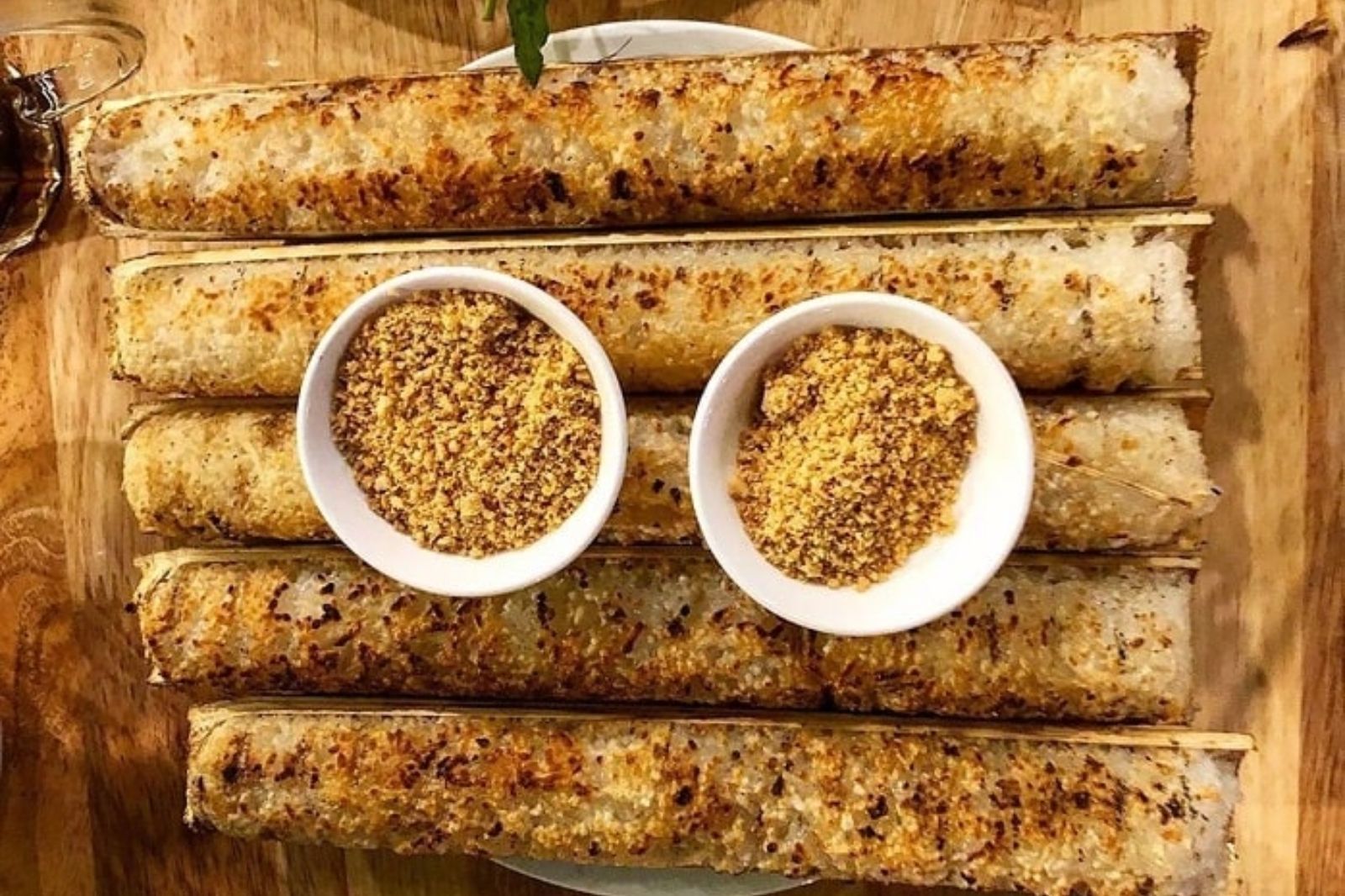
Traditional bamboo-tube rice dish of the Pa Cô people
Photo: Traditional bamboo-tube rice dish of the Pa Cô people

The special feature of bamboo rice lies in its unique preparation. The bamboo tubes containing the rice are roasted directly over red-hot charcoal. The cook must skillfully rotate the bamboo tubes, controlling the fire so the rice cooks evenly from the outside in without burning. The fresh bamboo aroma blends with the upland sticky rice scent and spreads throughout the house, creating a very characteristic Tet atmosphere. When eaten, the bamboo skin is peeled off and cut into bite-sized pieces. The sticky texture, subtle sweet taste of bamboo, and gentle kitchen smoke flavor create an unforgettable taste. Bamboo rice is not only a dish for family gatherings, but also an important offering to ancestors, expressing reverence and wishes for a bountiful new year.
2. Bamboo-cooked meat (Pâr Hoor) and bamboo-cooked fish (Boaiq Yhoor)

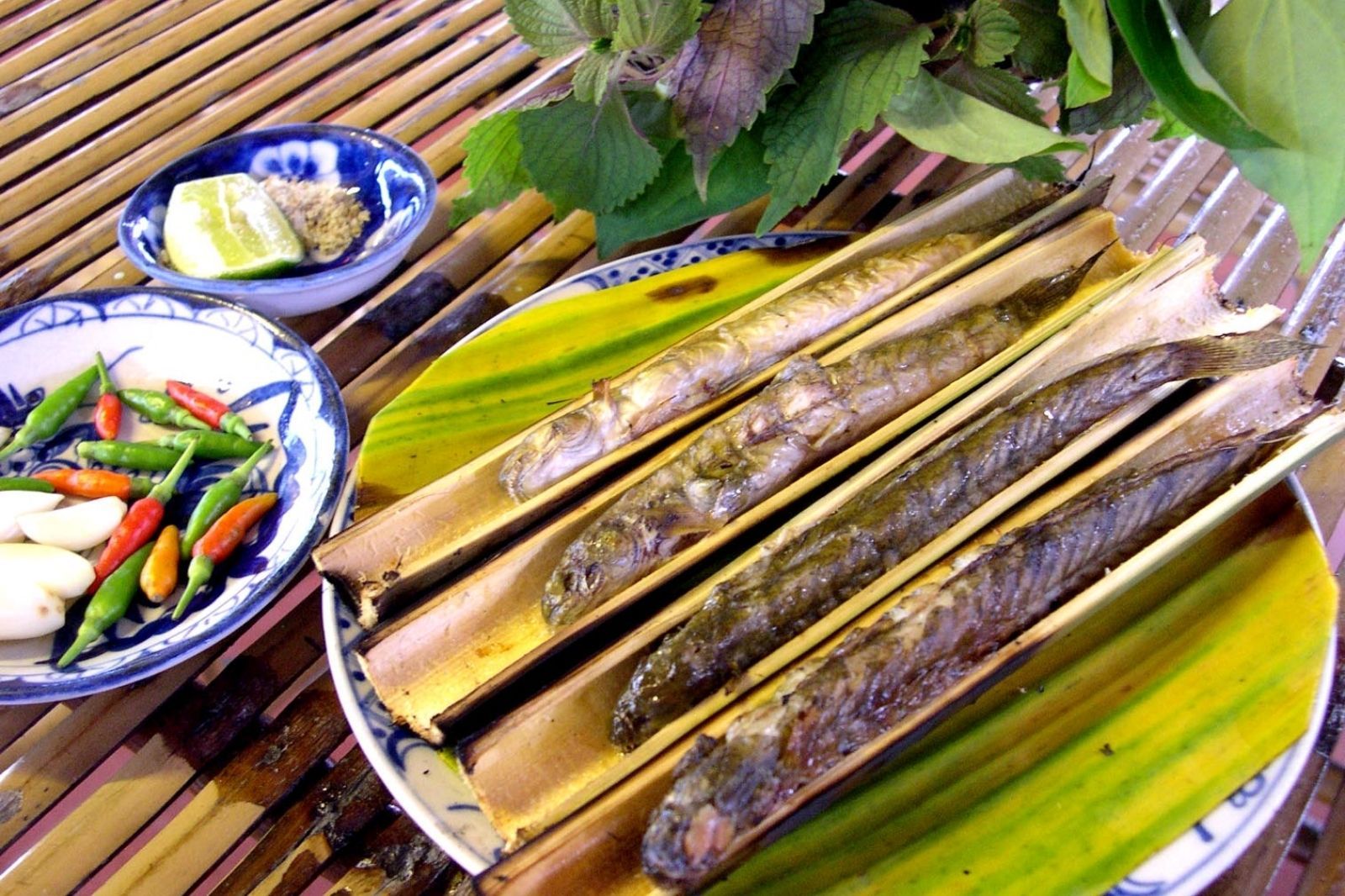
On the Pa Cô Tet feast table, bamboo-grilled meat and bamboo-grilled stream fish always hold a special position, reflecting the characteristic culinary culture closely tied to the Trường Sơn mountains. These are not only familiar dishes but also a source of pride passed down through many generations.

  • Meat (usually wild boar, chicken, or game meat) is marinated with forest spices (forest pepper, wild garlic leaves, chili, salt), stuffed into bamboo tubes, and grilled until the liquid dries up and the outer tube is charred.
  • Fresh and delicious stream fish is prepared similarly, absorbing the natural sweetness of the bamboo.

According to ethnic beliefs, meat and fish symbolize the forests, mountains, and streams—the source of life for the people. During Tet, these dishes are used to worship deities and ancestors, expressing gratitude for nature's blessings. The rich, spicy, and savory flavor of forest spices leaves an unforgettable impression on anyone who tries it.

Bamboo-grilled fish specialty
Photo: Bamboo-grilled fish specialty

3. Pâr-ruk

Pâr-ruk is one of the unique traditional dishes of the Pa Cô people, often appearing during Tet holidays, the Aza festival, and important community events. The dish not only carries the distinct flavors of the mountain forests, but also demonstrates cooking expertise passed down through generations.

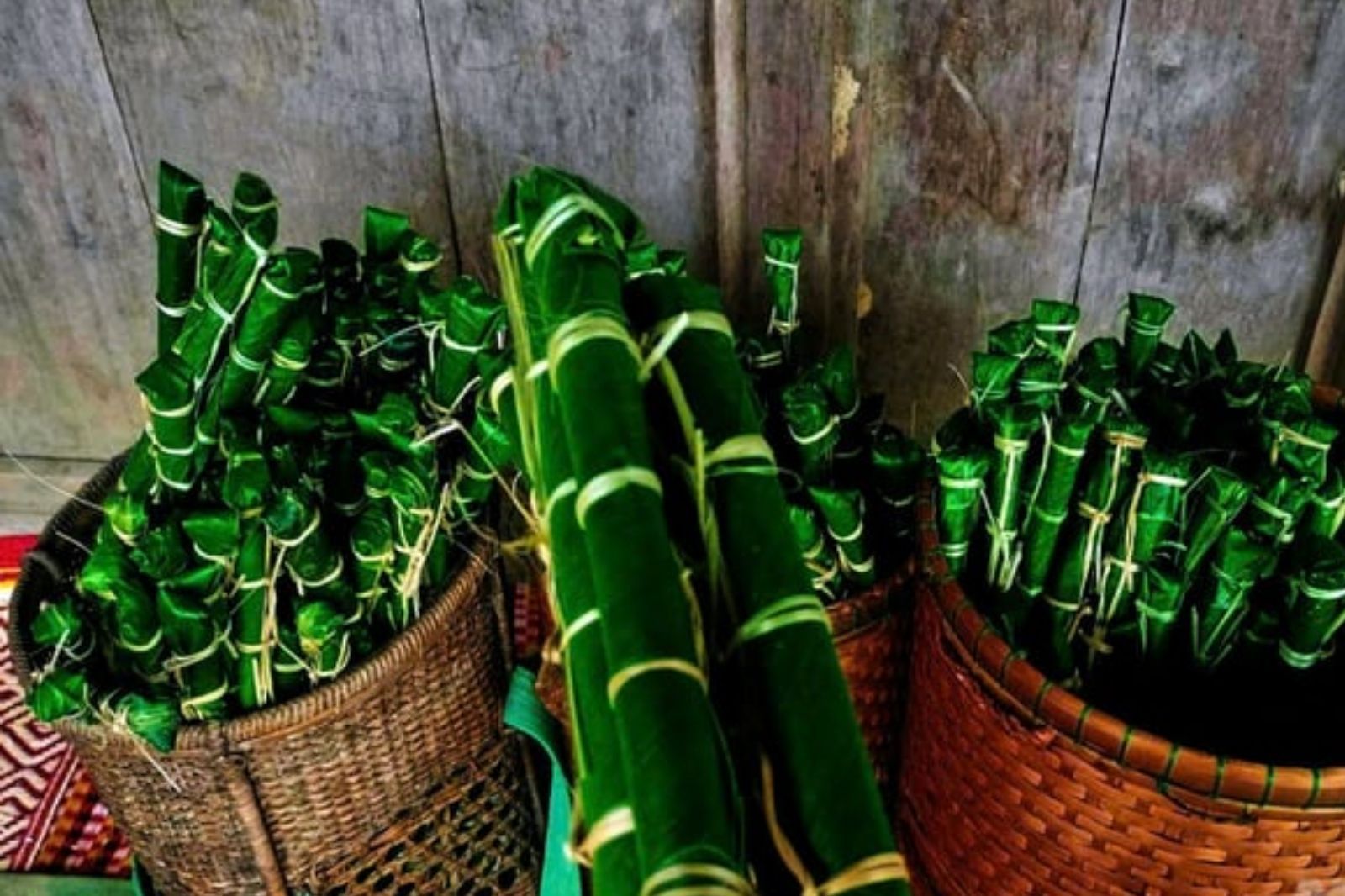
The main ingredient of Pâr-ruk is usually wild rat or meats hunted from nature, combined with cassava and local spices like forest pepper, wild garlic, and herbs. Everything is placed into bamboo tubes and cooked over fire. Afterwards, the cook uses a rattan stick to mash the ingredients directly inside the tube until it forms a smooth, sticky mixture, blending both the meat and spices together.

4. Beng cake

On the Tet feast table of the Pa Cô people, Beng Cake is an indispensable dish, carrying special significance of luck and fortune. The cake is made mainly from sticky rice finely ground into flour. Depending on the family and region, the cake can be filled with mung beans, grated coconut, or roasted sesame seeds, creating diverse and appealing flavors.

Traditional Beng cake
Photo: Traditional Beng cake

The process of making Beng cake requires skill and meticulousness. The dough is pounded and kneaded thoroughly, then shaped. The cakes are wrapped carefully in dong leaves or green banana leaves, then steamed until cooked. When the cake is cooked, the aroma of sticky rice combines with the wrapping leaves, spreading a signature Tet flavor. Beng cake is not only a dish to enjoy, but also an offering to ancestors and a meaningful gift during the first days of the new year, expressing wishes for a peaceful and prosperous year.

5. Tube wine

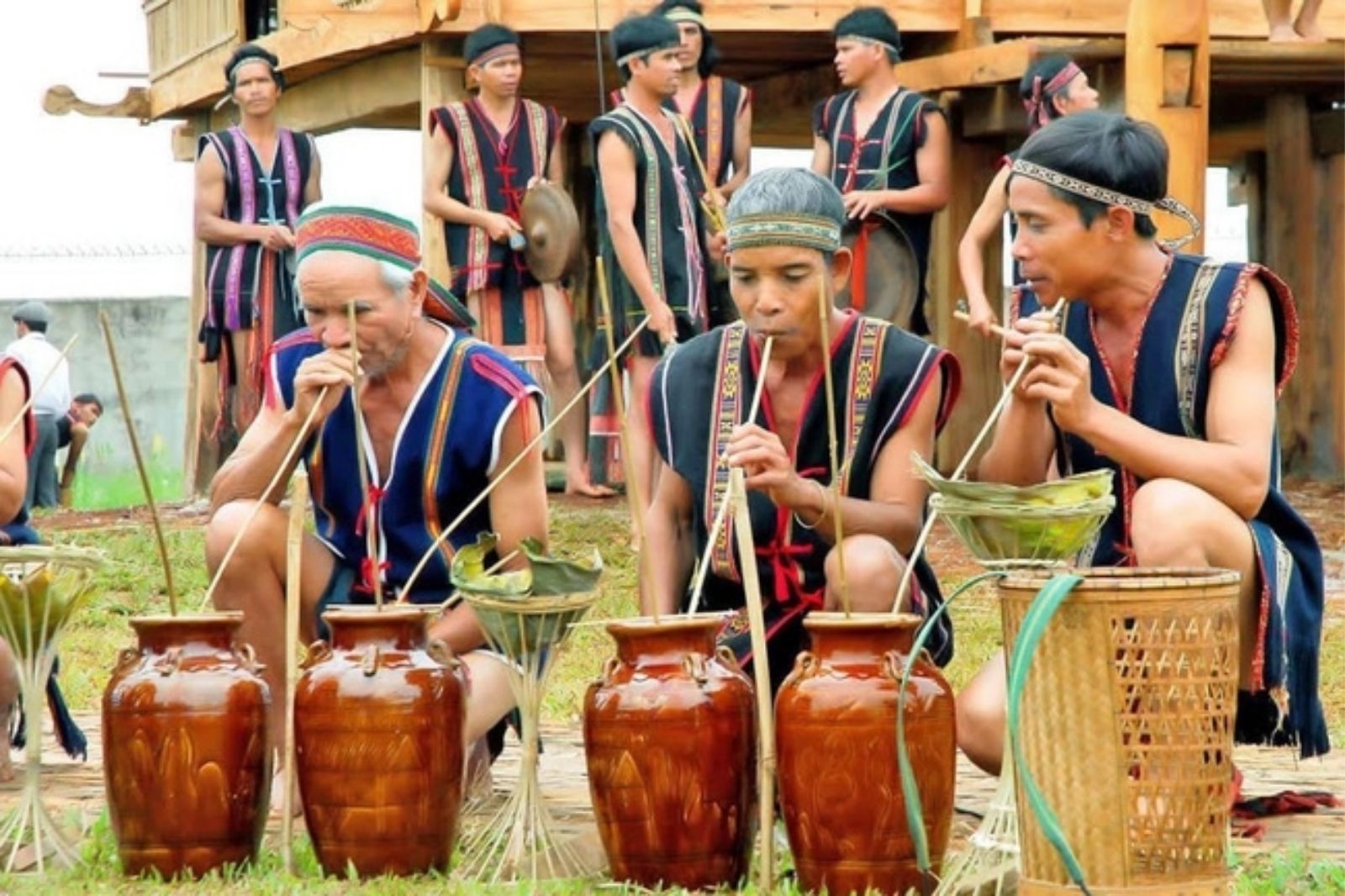
For the Pa Cô people, stem wine (Tà Vạt) is not just a beverage, but also a symbol of community culture and togetherness. During Tet, stem wine is an essential element in family gatherings and festivals, bringing a joyful and cozy atmosphere. Stem wine is fermented from sticky rice along with secret forest leaf yeast, undergoing a natural fermentation process in earthenware jars.

Stem wine is always present in the Tet feast of the Pa Cô people
Photo: Stem wine is always present in the Tet feast of the Pa Cô people

Stem wine has a distinct aroma, warm, slightly sour, and mildly sweet flavor. The way to enjoy stem wine is also very special. Everyone gathers around the jar, using long bamboo straws to drink. This action not only demonstrates community spirit and sharing, but is also a spiritual ritual of communication, creating a connection between humans, nature, and ancestors. Stem wine during Tet serves as a bridge bringing people closer together, chatting, singing, and sharing wishes for a peaceful and happy new year.

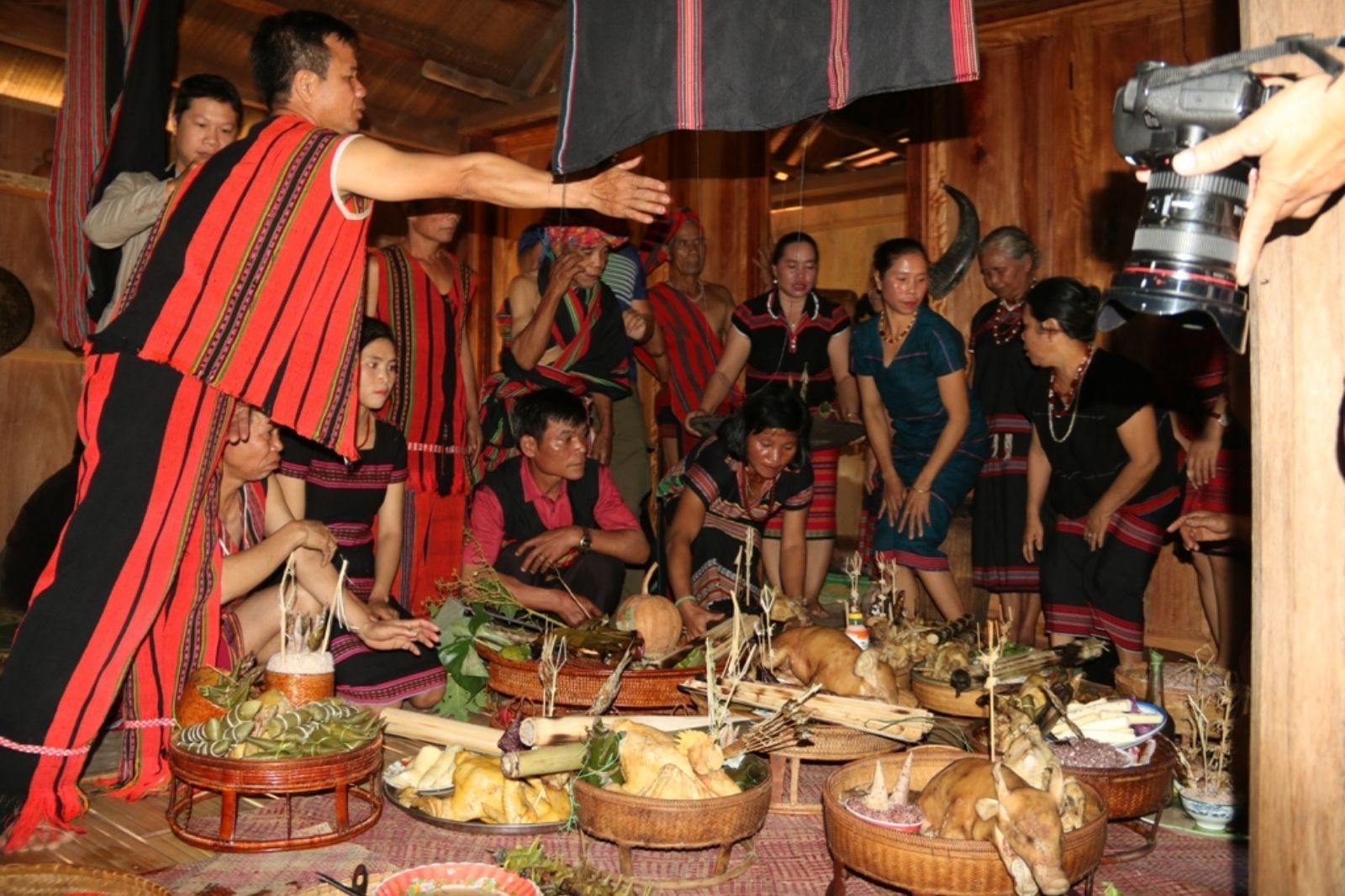
New Year welcoming custom of the Pa Cô people
Photo: New Year welcoming custom of the Pa Cô people

Tet cuisine also creates a gathering space for sharing, where everyone sits together around the feast, sharing stories and strengthening neighborly bonds. Exploring these dishes is also a wonderful way to promote the tourism culture of the Pa Cô people, helping visitors better understand the people and this land rich in identity, while contributing to preserving and promoting unique traditional cultural values.

The Tet flavors of the Pa Cô people are a synthesis of natural ingredients, traditional cooking techniques, and human affection. It is not only culinary essence, but also the soul of Pa Cô culture. Sovaba Travel hopes that through this article, you have gained deeper insights into these special dishes and will appreciate and preserve these unique cultural values.

Loading......

Featured destinations