When Did Tourism Begin? History and Formation Stages of Tourism Activities

Central

Quang Binh

Sovaba.travel

Updated at: 24/09/2026

1. Definition of Tourism

Before diving into history, it is necessary to clarify the concept of tourism. Tourism refers to activities related to trips taken by people outside their usual place of residence for a period of no more than one consecutive year to satisfy needs such as sightseeing, vacationing, entertainment, learning about and exploring tourist resources, or combining these with other lawful purposes, including domestic and international tourism. However, throughout history, tourism was not limited to leisure purposes but also included pilgrimages, trade, and education. This complicates determining the exact starting point, but research shows that primitive forms of tourism emerged as early as ancient times.  
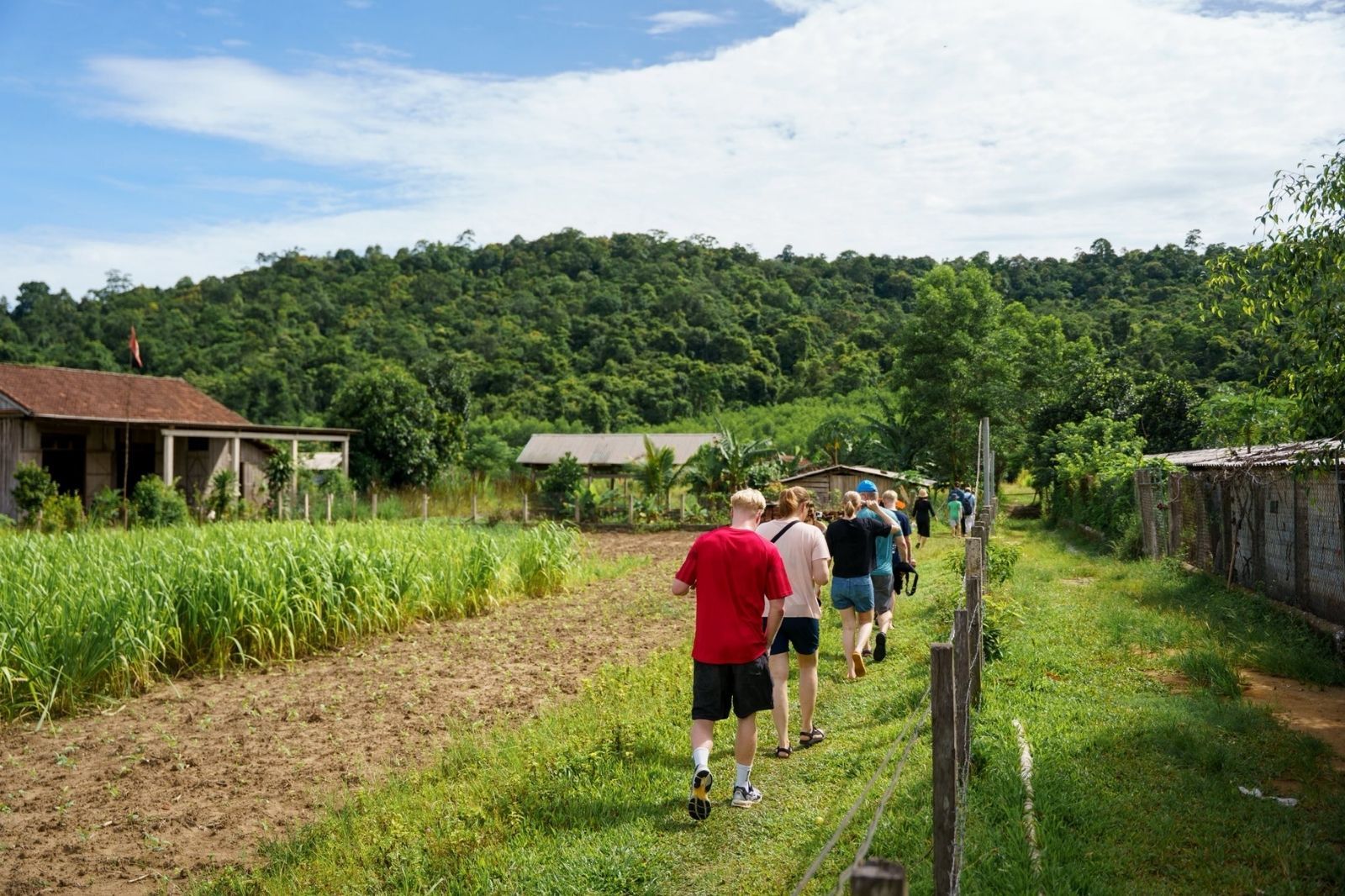
The modern concept of tourism is different from tourism in previous historical periods
Photo: The modern concept of tourism is different from tourism in previous historical periods 

2. Pilgrimage and Trade: Tourism in Ancient Times

As civilization began to form, tourism took on a new meaning: connection and exchange. In Ancient Egypt (around 2700 BC), wealthy individuals embarked on journeys to admire the pyramids or attend religious festivals. These "pilgrimages" were not only for prayer but also to experience culture, architecture, and the magnificence of city-states.

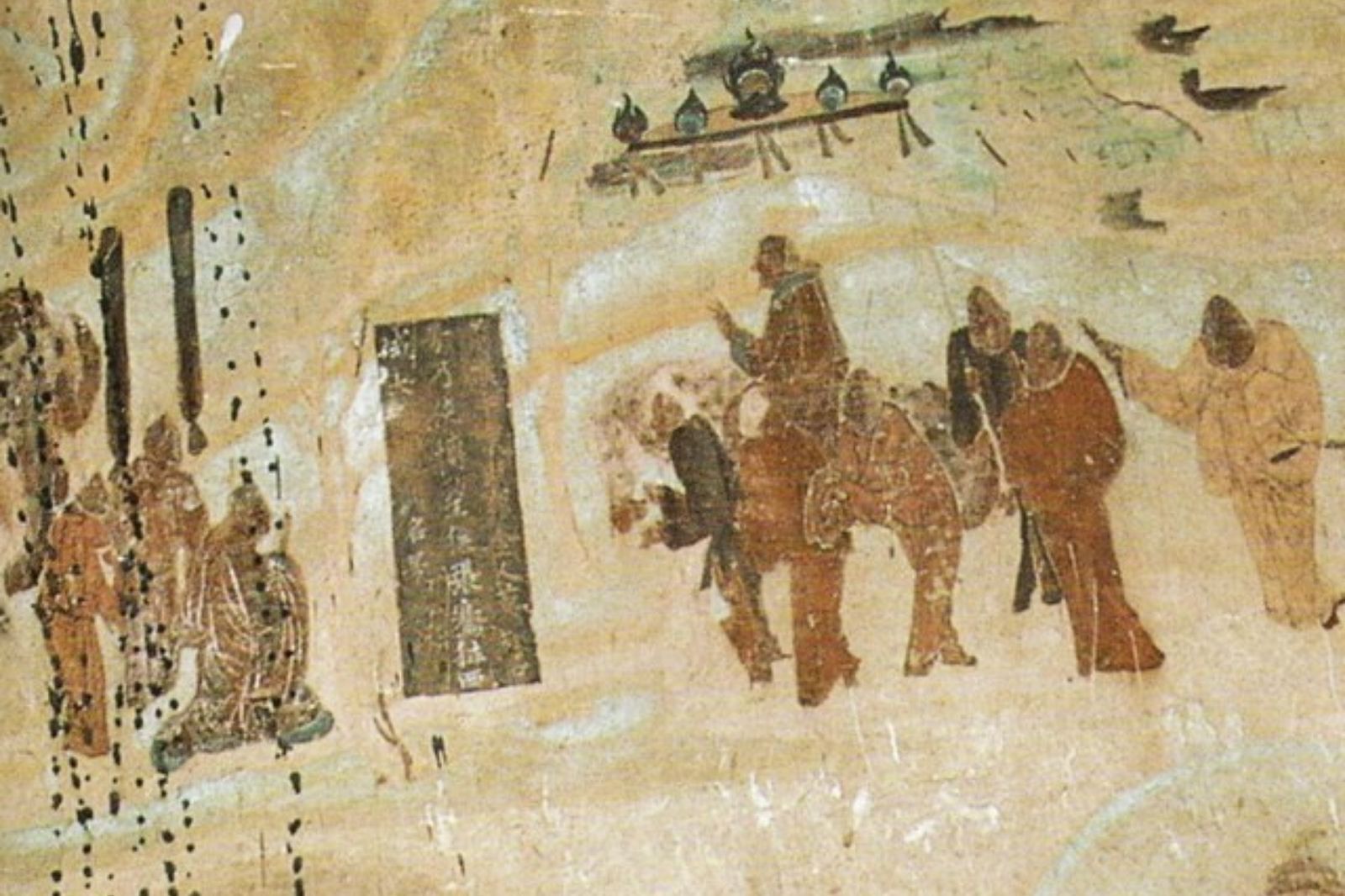
At the same time, the legendary Silk Road (2nd century BC) became a bridge between East and West. Merchants from China, Persia, to Rome carried not only goods but also stories, customs, and ideas. A traveler like Zhang Qian, a Chinese explorer, documented distant lands, from the Mongolian steppes to the bustling markets of Central Asia. These records were nothing short of an ancient "travel blog," inspiring dreamers to set out on journeys.

Records of travelers like Zhang Qian about new lands
Photo: Records of travelers like Zhang Qian about new lands 

The story of Cleopatra is another testament. The Queen of Egypt made lavish journeys along the Nile River to consolidate power and charm her allies. Her trips were not merely political, but also journeys showcasing culture, art, and wealth—a form of "experiential tourism" that still fascinates us today.

3. Medieval Tourism: Exploration for Faith and Knowledge

During the Middle Ages, tourism was closely tied to faith. Pilgrimage routes guided millions of believers to Jerusalem, Mecca, or Santiago de Compostela. Pilgrims spared no effort crossing high mountains and deep forests just to touch holy sanctuaries. They carried diaries, recording landscapes, people, and the dangers along the way. Such stories, like the travel accounts of Marco Polo, opened doors to strange lands and sparked the imagination of all Europe.

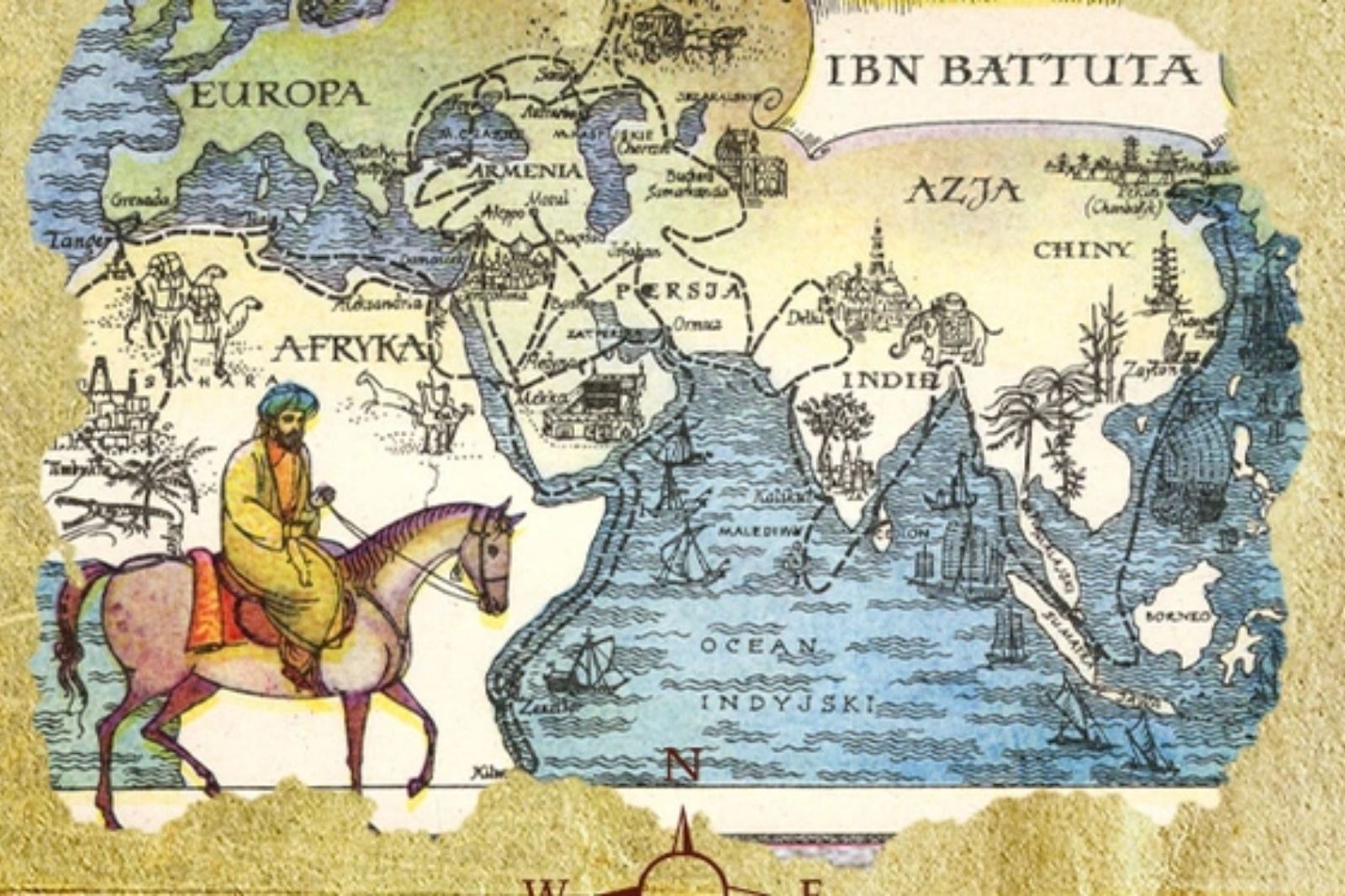
Yet it was not only faith; knowledge was also a driving force. Ibn Battuta, a 14th-century Islamic explorer, traveled through 44 countries, from Morocco to China. Over 30 years, he penned the Rihla—a work that was not just a travelogue but a vivid portrait of the culture, customs, and people of his time. Ibn Battuta was no ordinary traveler; he was a storyteller, an inspiration, and perhaps humanity's very first "travel blogger."

30 years, 44 countries, and the adventure of 14th-century explorer Ibn Battuta
Photo: 30 years, 44 countries, and the adventure of 14th-century explorer Ibn Battuta

4. The Age of Exploration: Travel for Glory and Passion

The 15th century marked a turning point as sailing ships began crossing oceans. Christopher Columbus, Vasco da Gama, and Ferdinand Magellan were not only explorers but also the first "travelers" of a new era. They carried with them the ambition to conquer, but also brought back tales of exotic lands, from the Amazon rainforest to the gem-like islands of the Pacific.

These journeys not only altered the map of the world but also transformed how people viewed travel. European aristocracy began undertaking the "Grand Tour"—year-long journeys through Italy, France, and Greece to study art, culture, and history. Travel books, such as Italian Journey by Johann Wolfgang von Goethe, became "travel guides" for the upper class, turning tourism into a symbol of intellect and prestige.

5. Modern Tourism: A Journey for Everyone

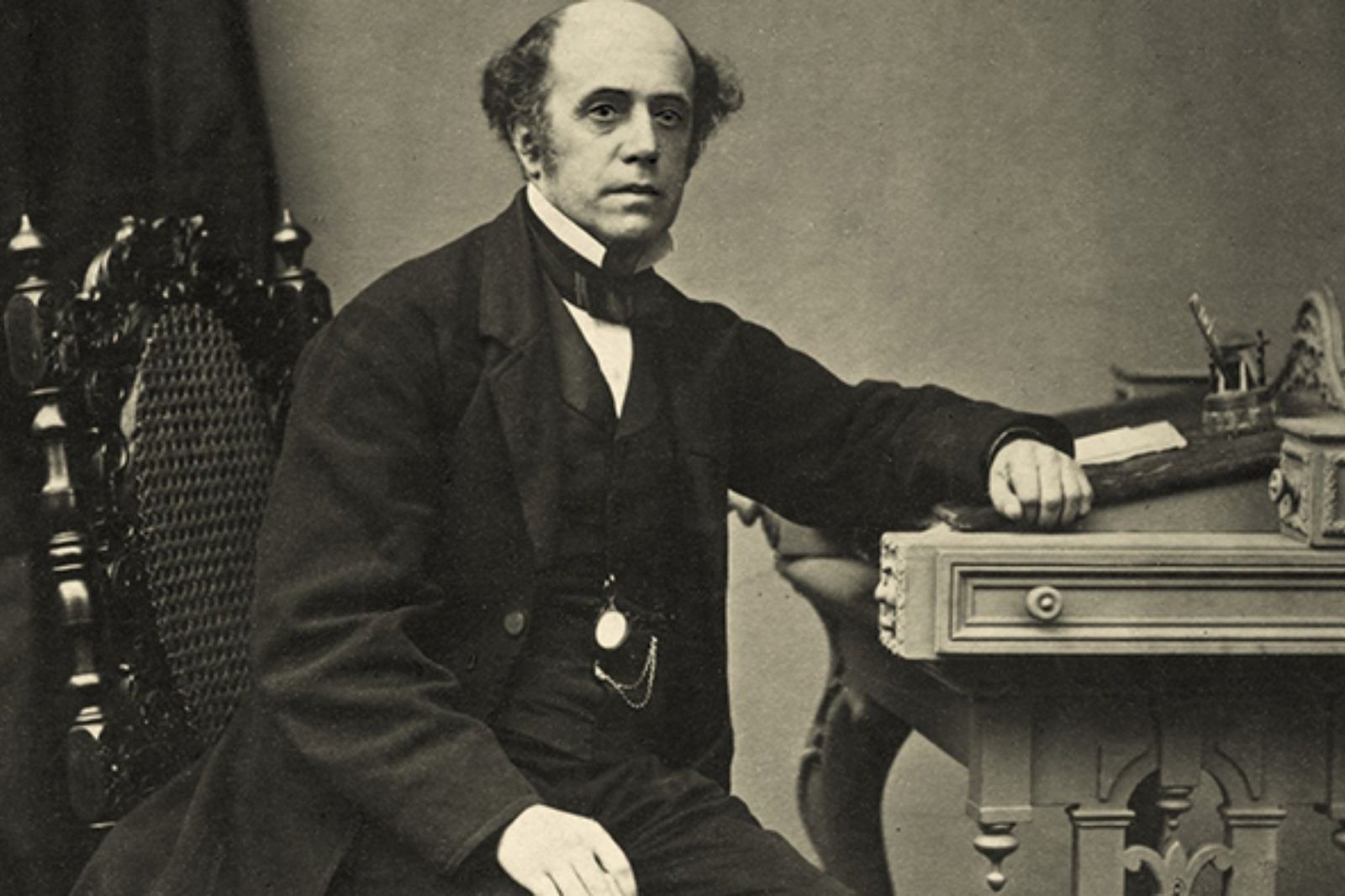
The 19th century, with the invention of trains and steamships, brought tourism closer to the general public. Thomas Cook, considered the "father of modern tourism," organized the first group trips in 1841, arranging a trip for 570 people from Loughborough to Leicester for one shilling, including food and entertainment. These trips were not only affordable but also social, turning tourism into a joy for all social classes.

Thomas Cook is the
Photo: Thomas Cook is the "father of modern tourism"

In the 20th century, airplanes and the internet truly "flattened" the world. By the mid-20th century, the Mediterranean coast became a mass tourism destination, and during the 1960s–1970s, tourism played a crucial role in Spain's "economic miracle."  

From the beaches of Bali to the peak of Mount Everest, no place is unreachable. Tourism is no longer an exclusive privilege of the elite but a part of everyday life. Instagram check-in photos, experience-sharing vlogs, and posts on travel blogs all bear witness to the explosion of travel in the digital age.

6. Tourism Today: A Journey of the Soul

In today's world, tourism is not just about discovering new destinations but also a journey of self-discovery. We travel to heal our souls, connect deeply, and understand the world. Especially after the Covid-19 pandemic, wellness tourism has exploded globally, focusing on resorts, relaxation, beauty, and holistic healthcare. A morning watching the sunrise in Phu Quoc, an evening wandering through Hoi An, or a night sleeping inside Son Doong Cave—every trip is a story, a puzzle piece of life.

Tourism is not just setting foot in a new place, but also a journey of finding oneself along the way
Photo: Setting foot in a new place is also a journey of finding oneself along the way

However, tourism is also facing challenges. Climate change, pollution, and overtourism are causing many destinations to lose their inherent beauty. Perhaps, now more than ever, we need to travel responsibly so that these lands remain intact for future generations.

When did tourism begin? Perhaps ever since humans learned to dream, to be curious, and to ask, "What lies waiting for us on the other side of the mountain?" From nomadic footsteps to transcontinental flights, travel is the story of the desire to explore, of connection, and of dreams that constantly reach further.

As Ray Bradbury once said, "See the world. It's more fantastic than any dream made or paid for in factories." Travel is not just moving from place to place, but a journey of self-discovery and connecting with the world.  

Loading......

Featured destinations