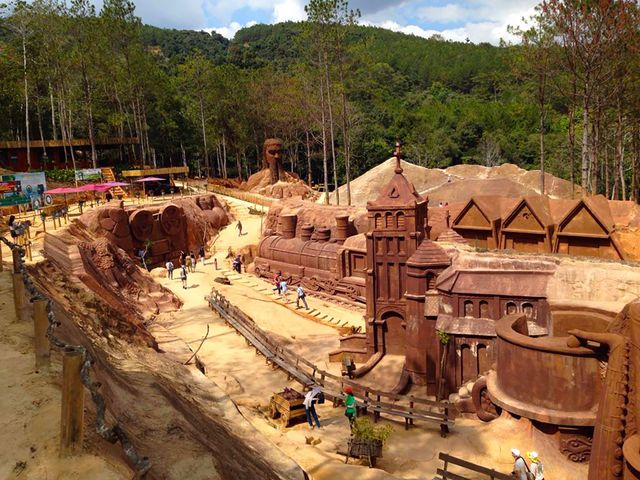
If you are looking for a destination that is both unique and rich in artistic value in Da Lat, the Clay Tunnel is definitely an option not to be missed. Far from being a mere sightseeing spot, this place is likened to a "living museum" that recreates the entire history of the city of thousands of flowers through impressive sculptures. In this detailed A-Z Clay Tunnel travel guide, you will be updated with comprehensive information from transportation, ticket prices, and the ideal time to visit, to outstanding experiences and suggested itineraries – helping you easily plan a complete, budget-friendly, and memorable trip.
Where is the Da Lat Clay Tunnel Located?
To begin your journey exploring one of Da Lat's most unique architectural works, understanding the location and overview of the Clay Tunnel will help you plan your visit more effectively.
- Address: Da Lat Star Tourist Area, Hoa Hong Street, Xuan Huong Ward (former Ward 4), Da Lat City, Lam Dong Province
- Location: Situated near Tuyen Lam Lake and Truc Lam Zen Monastery
- Distance: About 13–14km south of the city center
- Founder: Mr. Trinh Ba Dung—a person with a deep passion for Da Lat's ancient architecture
Construction began in 2010, with a total length of over 1.2–2km (depending on expanded sections) and an estimated total investment of around 200 billion VND. A special highlight is that the entire complex utilizes the characteristic red basalt clay of the Lam Dong Plateau, treated with proprietary technology to achieve durability comparable to concrete while remaining eco-friendly.
History of the Clay Tunnel
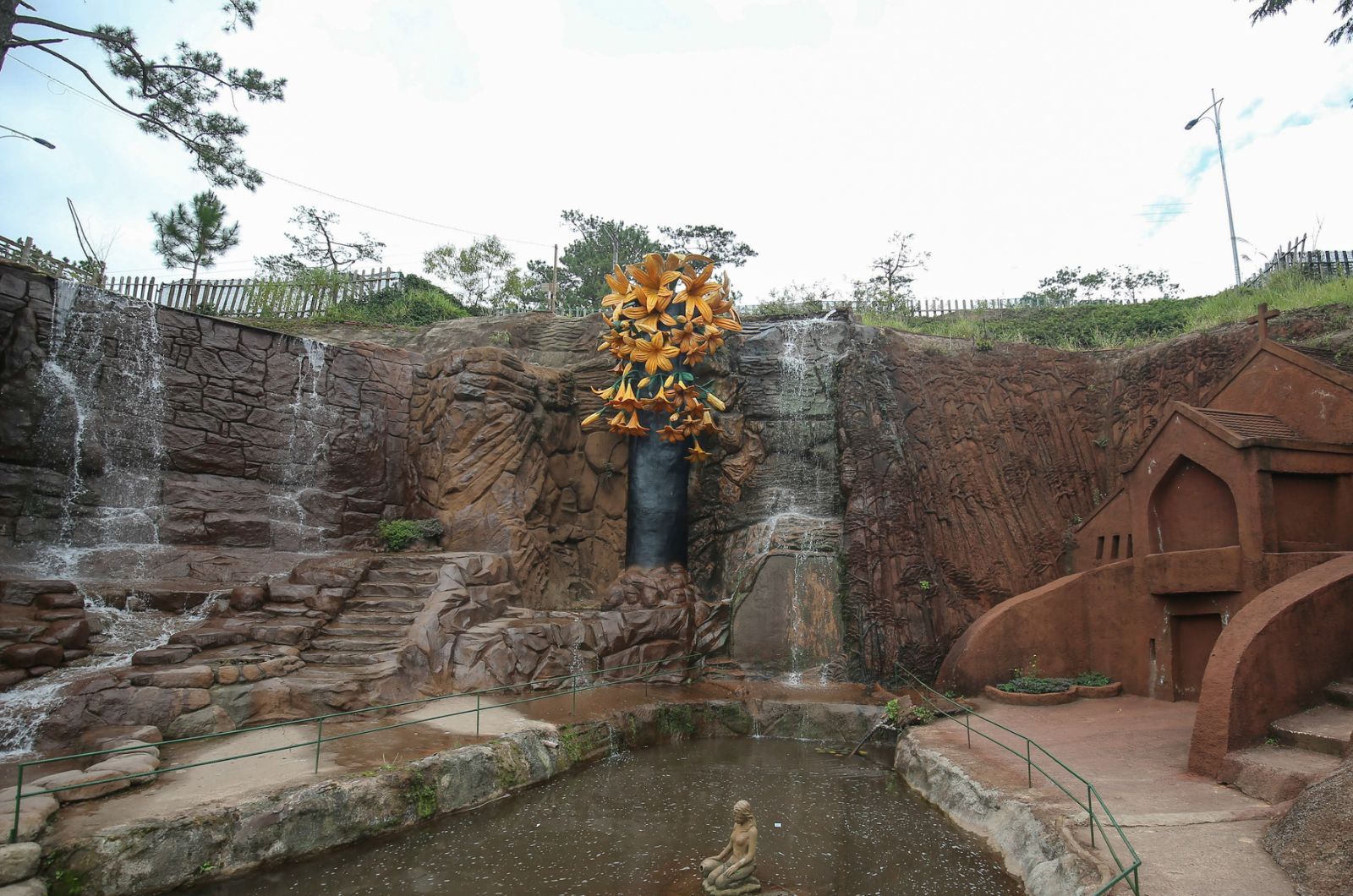
The idea of constructing the Da Lat Clay Tunnel originated with Mr. Trinh Ba Dung after leaving his civil service job, driven by a passion to recreate the history and beauty of the city of flowers in a truly unique way. Starting from a desolate patch of land near Tuyen Lam Lake, he and his team persevered from scratch, spending over 4 years researching clay formulas before officially breaking ground in 2010 and gradually completing it from 2012 onwards.
The project was constructed based on two main themes:
- Theme 1 – History of Da Lat's Formation: Recreates the journey from primitive nature, ethnic village life, to Alexandre Yersin's milestone discovery of the Langbiang Plateau in 1893, followed by the French colonial period and modern development.
- Theme 2 – Culture and Humanity: Depicts iconic architectural structures, daily life of locals, and presents a vision for future Da Lat.
It is this combination of creative vision and historical-cultural value that makes the Clay Tunnel a unique and meaningful destination—not just for sightseeing, but for gaining a deeper understanding of Da Lat's developmental journey.
What Makes the Da Lat Clay Tunnel Attractive?
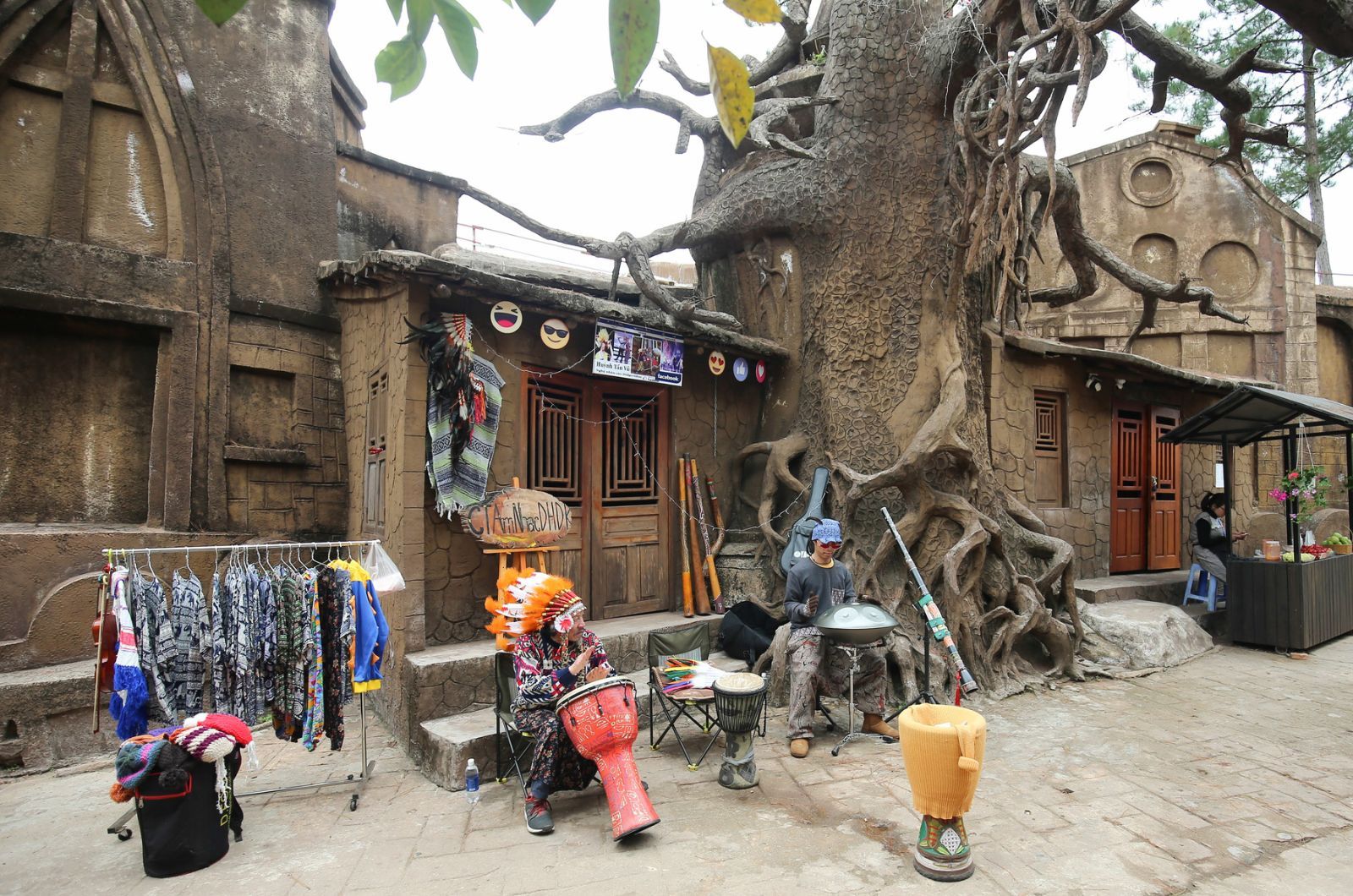
Stepping into the Clay Tunnel, visitors feel as if entering a "miniature Da Lat" vividly recreated through layers of creative artistic space:
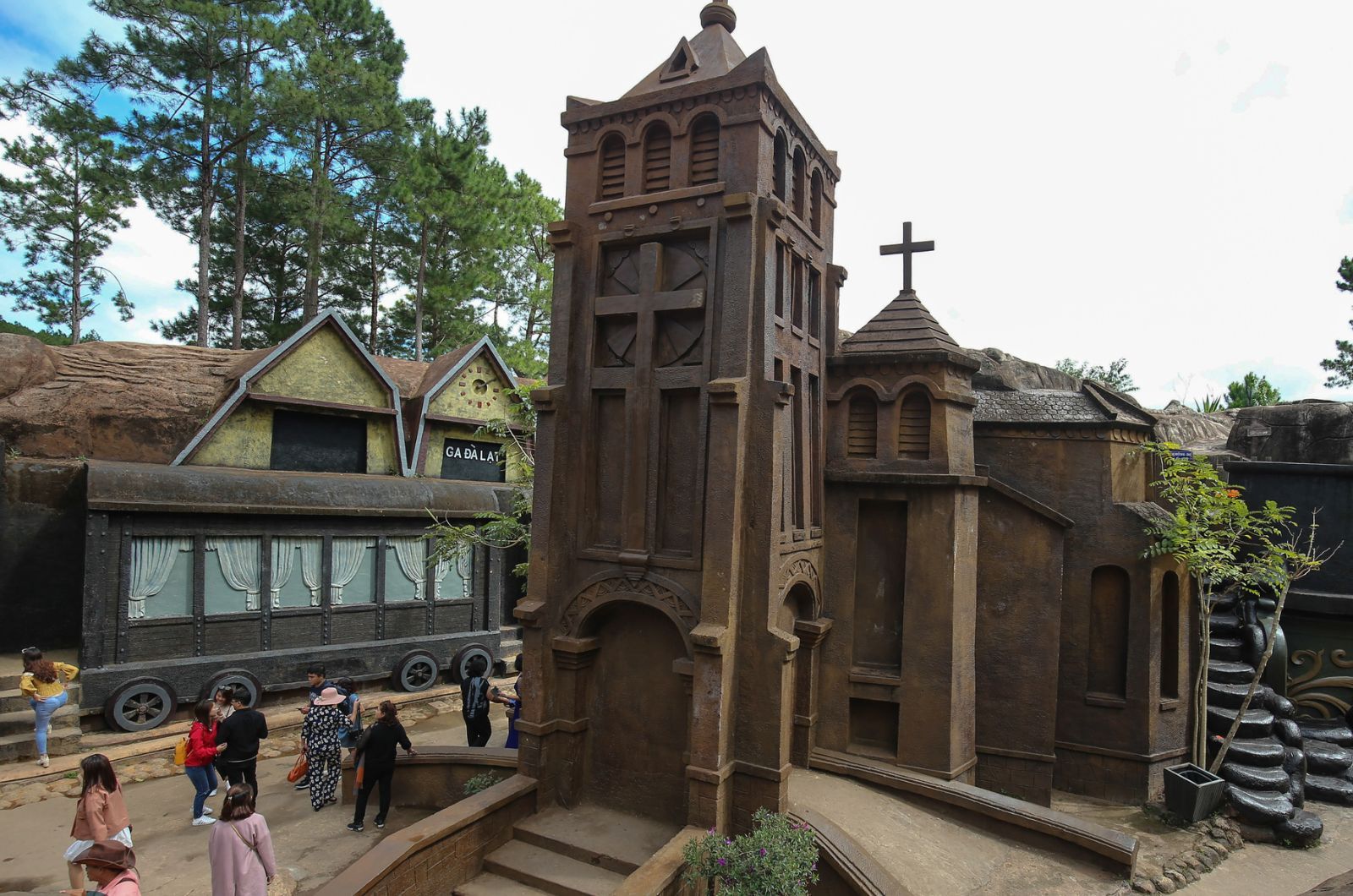
- Historical & Architectural Recreations: A series of iconic structures such as Da Lat Railway Station, Nicolas de Bari Cathedral (Chicken Church), Bao Dai Palace, Da Lat Market, Xuan Huong Lake, Cam Ly Waterfall, Lycée Yersin, Pasteur Institute, Palace Hotel... are intricately sculpted entirely from clay, painting a comprehensive picture of Da Lat across various eras.
- Pristine Spaces: Recreates ethnic village life and natural ecosystems featuring wild animals, hominids, and traditional activities, offering an authentic glimpse into the past.
- Highlight Check-in Spots:
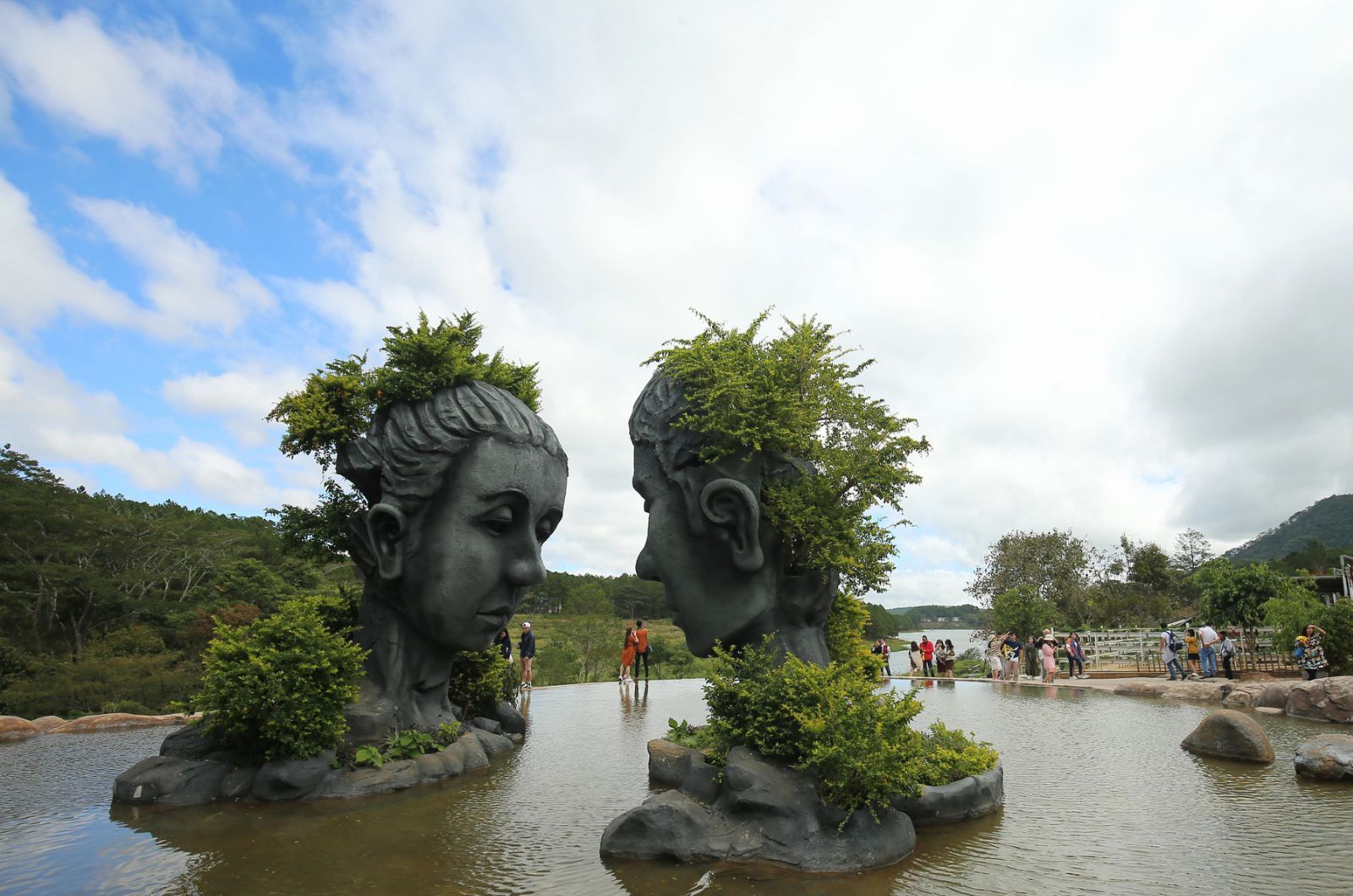
- Infinity Lake: A photo spot worth a million likes with impressive water reflection
- Two record-breaking basalt red clay houses: Fully furnished interior, with a relief map of Vietnam (including Spratly and Paracel Islands) molded on the roof
- Artistic miniature scenes featuring classic cars, Vespas, pair of horses, and unique musical spaces
- Outdoor Area: A theme park combined with creative photo spaces, where you can try on traditional ethnic costumes and various photo concepts.
Combining art, history, and experiential elements, this destination is suitable for diverse visitors including families, couples, and team-building groups, offering a journey that is both entertaining and rich in discovery value.
Ticket Prices & Opening Hours of the Clay Tunnel
To help visitors better plan their visit to the Clay Tunnel, below is reference information on the latest operating hours and ticket prices:
- Opening hours: 07:30 AM – 05:00 PM daily (may close earlier during the rainy season or bad weather conditions)
- Entrance ticket prices (Reference 2025–2026):
- Adults: 60,000 – 120,000 VND/person
- Children (depending on height, under 1m – 1.2m or 1.3m): 30,000 – 50,000 VND
- Large groups: discount policies available when contacting in advance
The admission fee is considered very reasonable given the scale of the complex, its artistic value, and the unique experiences it offers. With affordable costs and flexible opening hours, this location is a great choice for many travelers exploring Da Lat, especially for day trips.
Useful Visiting Tips
To make your exploration of the Clay Tunnel more complete and comfortable, visitors should keep the following key tips in mind:
- Ideal visiting time: You should allocate around 2–3 hours to explore the entire area. Try to avoid the rainy season (May to October) as paths can be slippery and some sections may close early.
- Essential preparation: Prioritize sneakers or soft-soled shoes for walking on inclined and damp terrain. Bring a light jacket due to Da Lat's chilly weather, along with a power bank and camera to capture beautiful moments.
- Photography tips: Make use of natural light within the tunnel area for better photo quality. Avoid using direct flash. Notably, Infinity Lake is a prime check-in spot you shouldn't miss.
- Dining in the area: There are stalls serving signature Da Lat snacks such as grilled rice paper (Vietnamese pizza), grilled sweet potatoes, and coffee at budget-friendly prices, convenient for taking a rest.
- Visitor guidelines: Do not touch or tamper with the sculptures, and help maintain general cleanliness. Children must be accompanied by adults for safety.
Additionally, travelers can combine their visit with nearby attractions like Truc Lam Zen Monastery, Tuyen Lam Lake, Bao Dai Palace, or Maple Leaf Forest to create a comprehensive and well-rounded Da Lat day itinerary.
With the information in this detailed A–Z guide to visiting the Clay Tunnel, you now have a comprehensive overview to easily plan your trip—from location, ticket prices, and opening hours to highlight check-in spots and practical tips. This is one of Da Lat's most unique structures, offering an experience that combines art appreciation with historical learning in a visual and impressive way. If you want to optimize your time and enjoy a hassle-free journey, all-inclusive Clay Tunnel sightseeing tours are a great choice. Currently, Sovaba Travel offers Da Lat tour packages that combine the Clay Tunnel with many other top attractions, featuring well-planned itineraries, convenient transfers, and dedicated tour guides throughout. It is an ideal solution for those who want a complete Da Lat experience without the hassle of self-planning.